€211.2 Million in Clean Technology Investment in Spain and Portugal in Q2 2026
en.Wedoany.com Reported - In the second quarter of 2026, Spain and Portugal attracted €211.2 million in clean technology investment across eight deals. This figure is lower than the record €322.7 million set in the first quarter but above the quarterly average of €192.2 million in 2025. Cleantech for Iberia noted in its report that the challenge is no longer attracting capital, but converting financing into industrial projects, new infrastructure, and production capacity to strengthen the competitiveness of both countries.
The report argues that private investment and public support are beginning to converge, jointly driving electrification, energy storage, grid expansion, and reindustrialization. Funding in the quarter was concentrated in the resource and environmental management sector, which absorbed €113.7 million, while the materials and chemical products sector received €84.8 million. In terms of individual deals, Xoople, a developer of geospatial intelligence platforms, raised €113.7 million for its AI-powered geospatial intelligence platform; industrial robot manufacturer Theker secured €74.4 million for its industrial robotics business; Wenegry obtained €10.4 million in financing for its waste and biomass valorization technology; and H2Site raised €8 million for its palladium membrane-based hydrogen production solution.
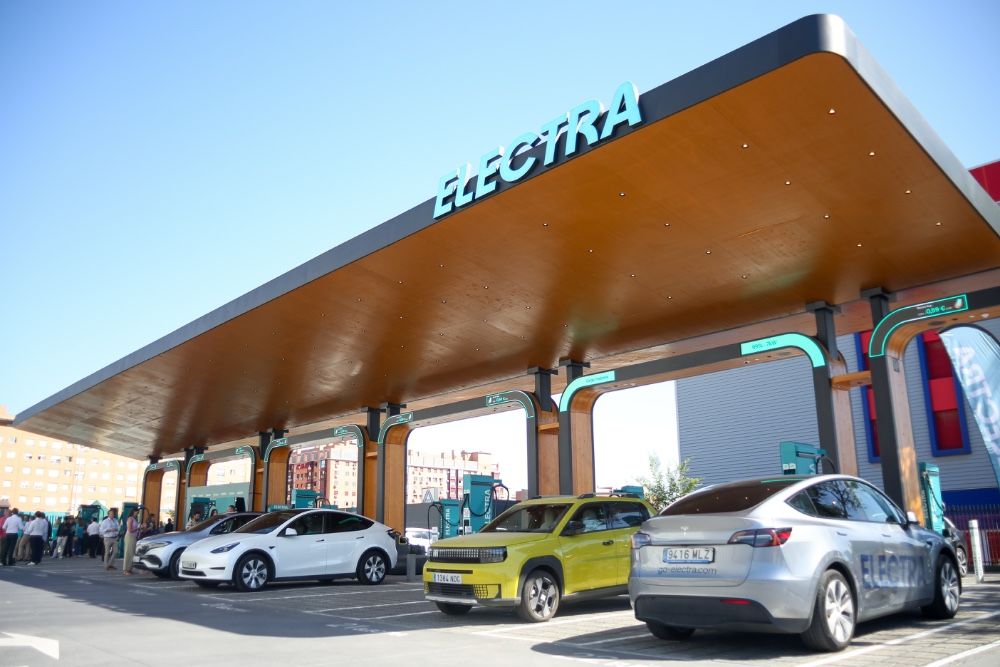
Public support for clean technology is undergoing a phase shift. After years of focusing on designing aid programs, Spain is beginning to convert these programs into concrete investments. The public-private partnership tool España Crece has started deploying resources, with a €13.3 billion fund aimed at leveraging up to €120 billion in investment. In the second quarter alone, Spain allocated €670 million from the Recovery, Transformation and Resilience Plan (Plan de Recuperación, Transformación y Resiliencia) to projects including hydro-pumped storage, port adaptation for offshore wind, industrial value chains, electric vehicle charging infrastructure, and renewable energy. Cleantech for Iberia suggests that the next step is to consolidate financing models covering all stages of innovative company development, with a focus on supporting pilot projects that have proven technological viability but still require capital to achieve commercial-scale expansion.
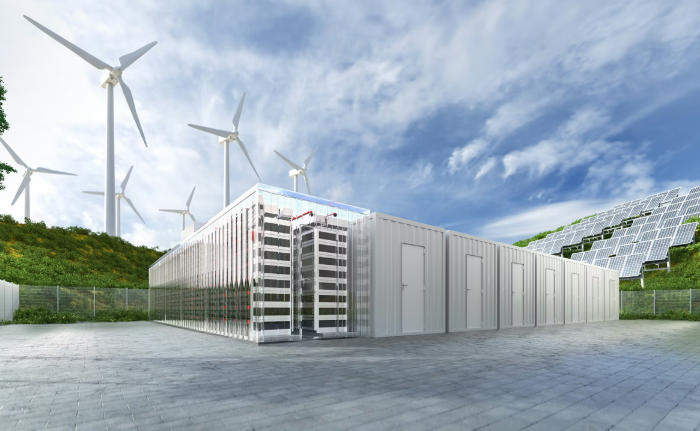
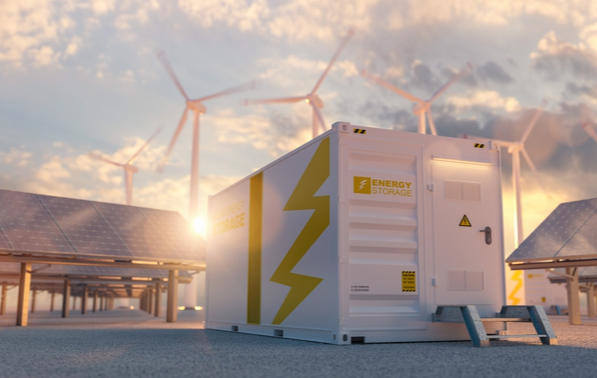
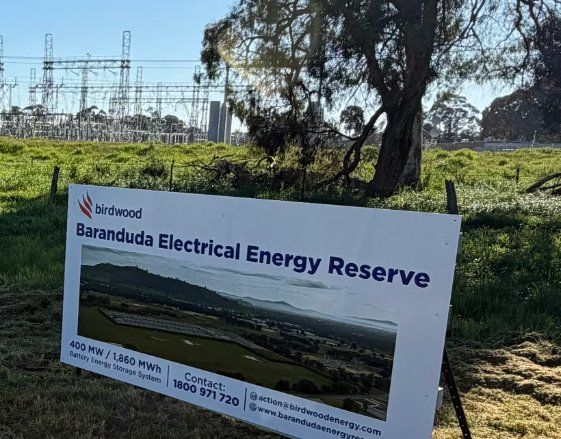
The report also points out that grids and energy storage are two critical elements for fully leveraging the Iberian Peninsula's renewable potential. Following last year's blackout, Portugal approved an investment plan exceeding €4 billion to strengthen grid resilience and launched a €180 million battery storage tender. Spain has begun phasing out the 7% tax on electricity generation, which will be fully eliminated by 2028. This measure will enhance industrial competitiveness and promote new investment in renewable energy and storage.
A new 400 kV power interconnection line between Spain and Portugal has entered operation, connecting Pontevedra and Viana do Castelo. With a total investment of €140 million, the line adds 1,000 MW of exchange capacity between the two countries, helping to expand the integration of renewable energy generation. Cleantech for Iberia cautioned that interconnection with France still needs to be strengthened, as talks during the quarter failed to yield new projects.
The report concludes that, with abundant renewable resources, a growing industrial ecosystem, and investor attention, Spain and Portugal have the foundation to become one of Europe's leading clean technology hubs. However, achieving this goal requires accelerating project execution, streamlining administrative processes, improving regulatory stability, and providing financing for the most innovative technologies. The report also emphasizes that long-duration energy storage is a direction that must be advanced, viewed as a strategic element for converting the Iberian Peninsula's high renewable energy output into a competitive advantage for European industry.
Related Products
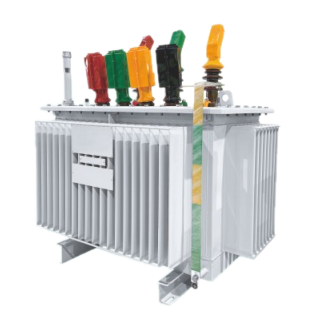

IS(B)□-M·RL Series Oil-immersed 3D Transformer (Planar / 3D Wound Core)
Guangdong Kehua Electric Power Technology Co., Ltd.
Perfluorinated Ionic Membrane-CM-10N Series Membrane
Guizhou Juneng Century Technology Co., Ltd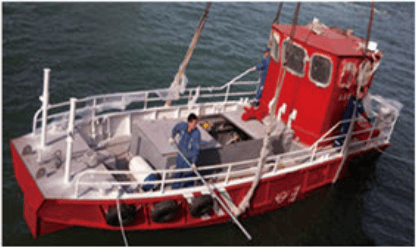
Electromagnetic Fluid Seawater Floating Oil Separation and Recover Equipment
Huate Magnet Group Co., Ltd.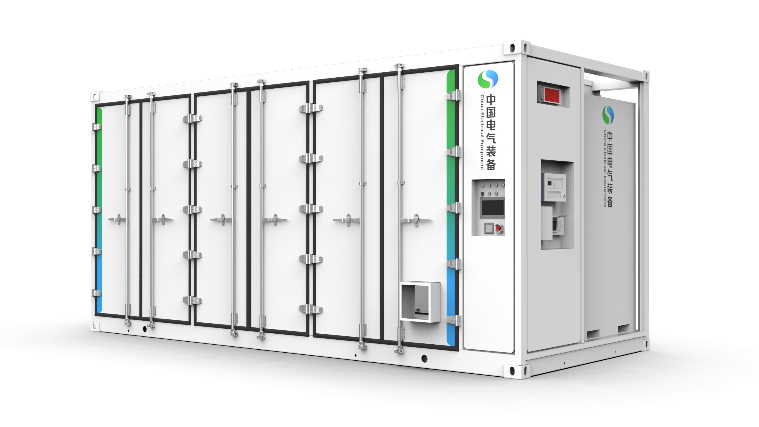
MESS8201-2507/5015-BN Prefabricated Liquid-cooled Energy Storage Battery Container
Xuchang Xuji Electric Science Energy Storage Technology Co., Ltd.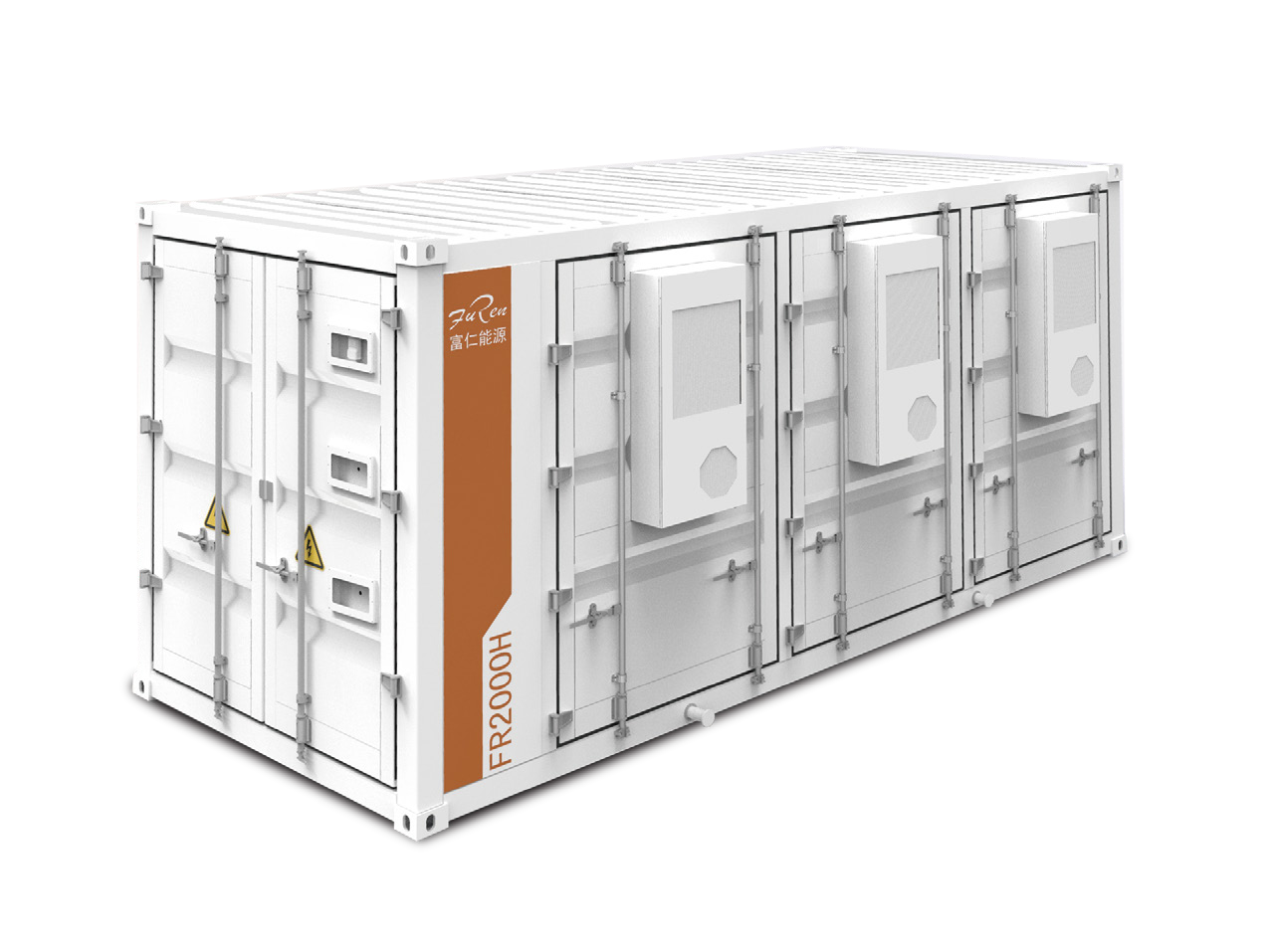
FR2000H 2.15MWh (Air-cooled) 20-foot Containerized Energy Storage System
Jiangyin Furen High-tech Co., Ltd.
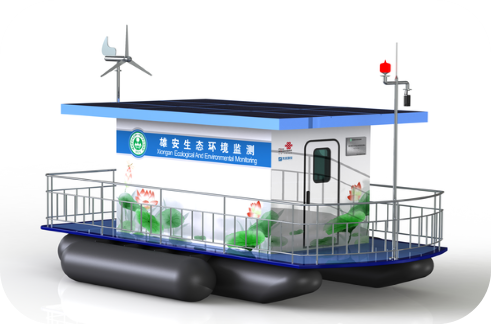
Floating Boat Water Quality Automatic Monitoring System
Hebei Sailhero Environmental Protection High-tech Co., Ltd.
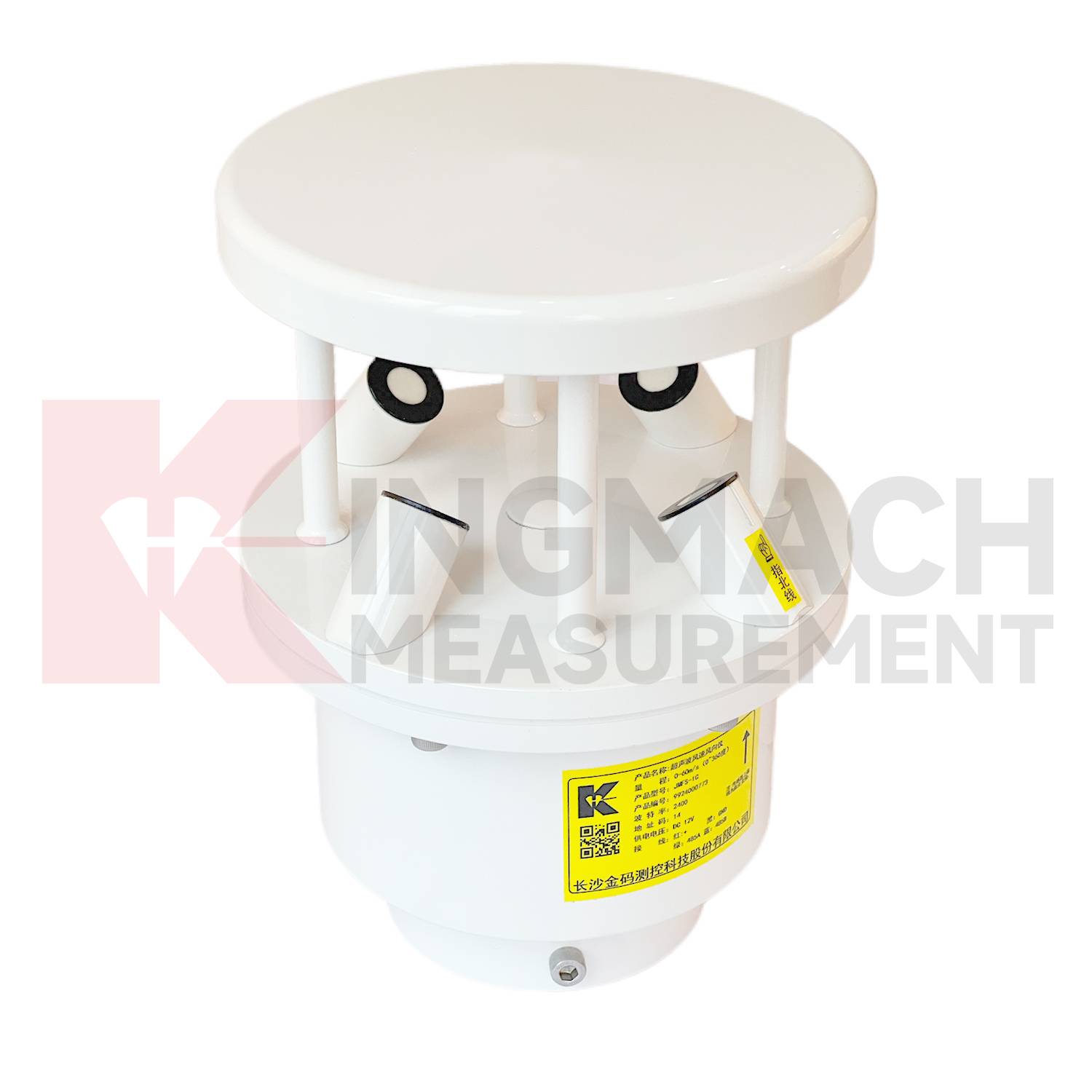
Ultrasonic Wind Speed and Direction Instrument
Kingmach Measurement & Monitoring Technology Co., Ltd.