Total Investment of Approximately 1.27 Billion Yuan! Inner Mongolia Yitai Chemical New Project Breaks Ground
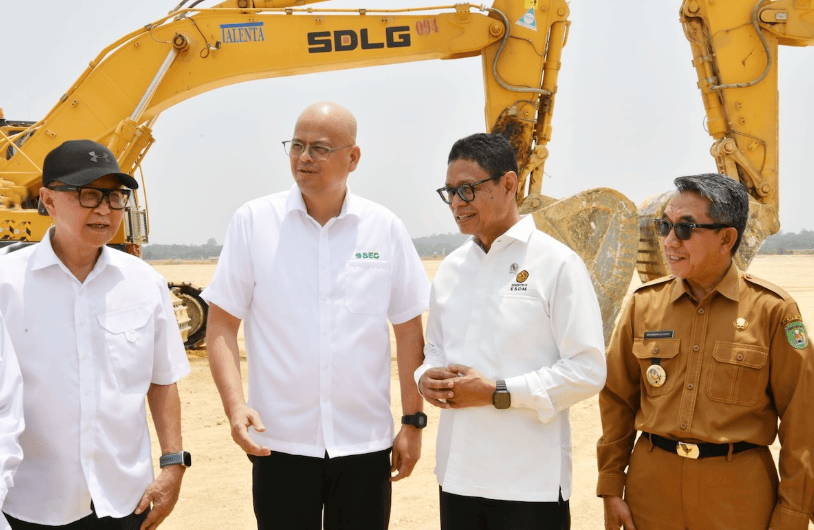
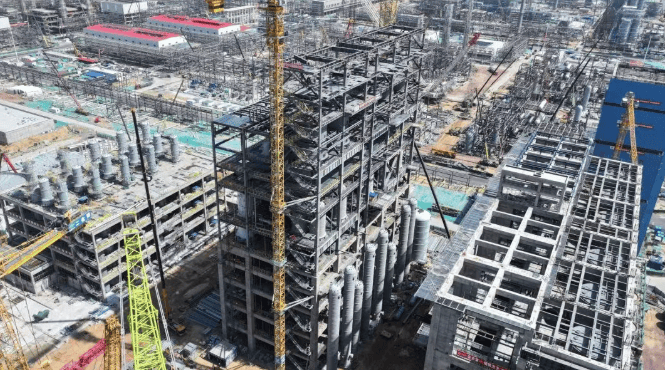
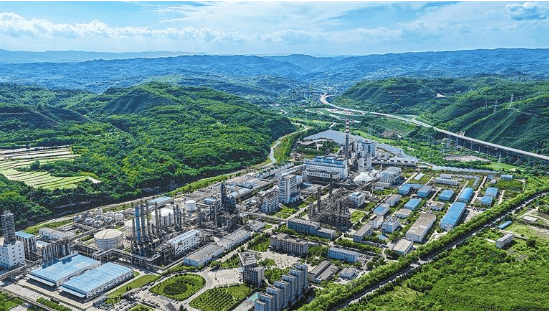
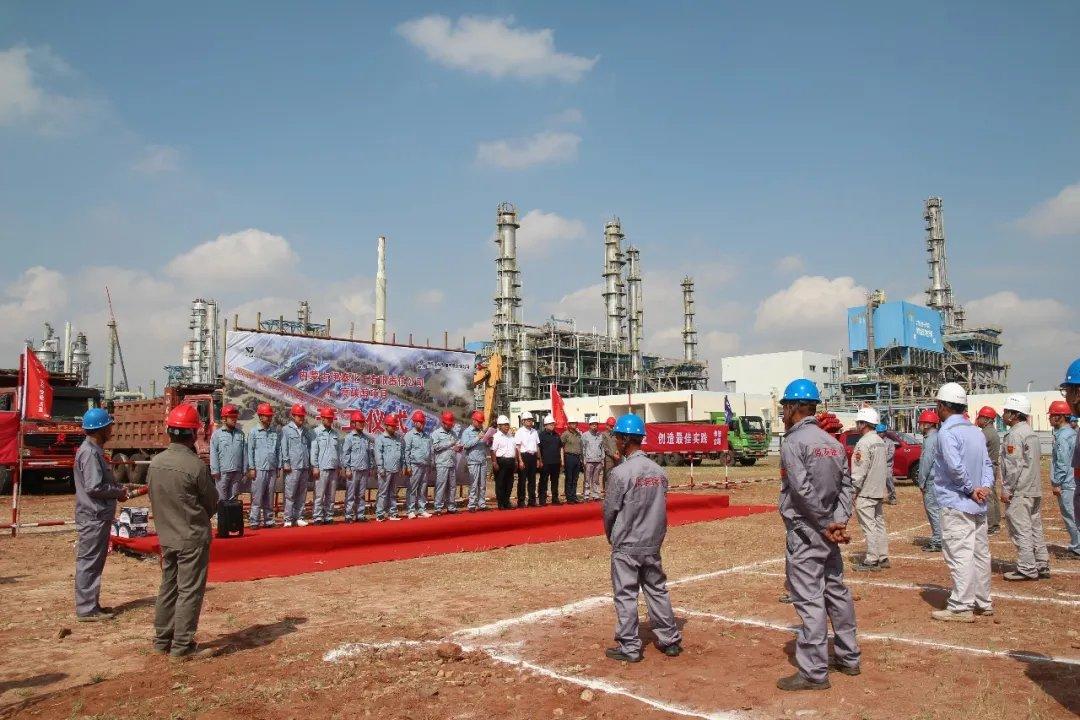
en.Wedoany.com Reported - On the morning of July 27, the high-carbon alcohol project of Inner Mongolia Yitai Chemical Co., Ltd. commenced construction in the Duguitala Industrial Park of Hangjin Economic Development Zone. This project is a key engineering initiative for Hangjin Banner to extend the coal-based chemical industry chain and promote the transformation of the coal chemical industry towards high-end, refined, and low-carbon development.
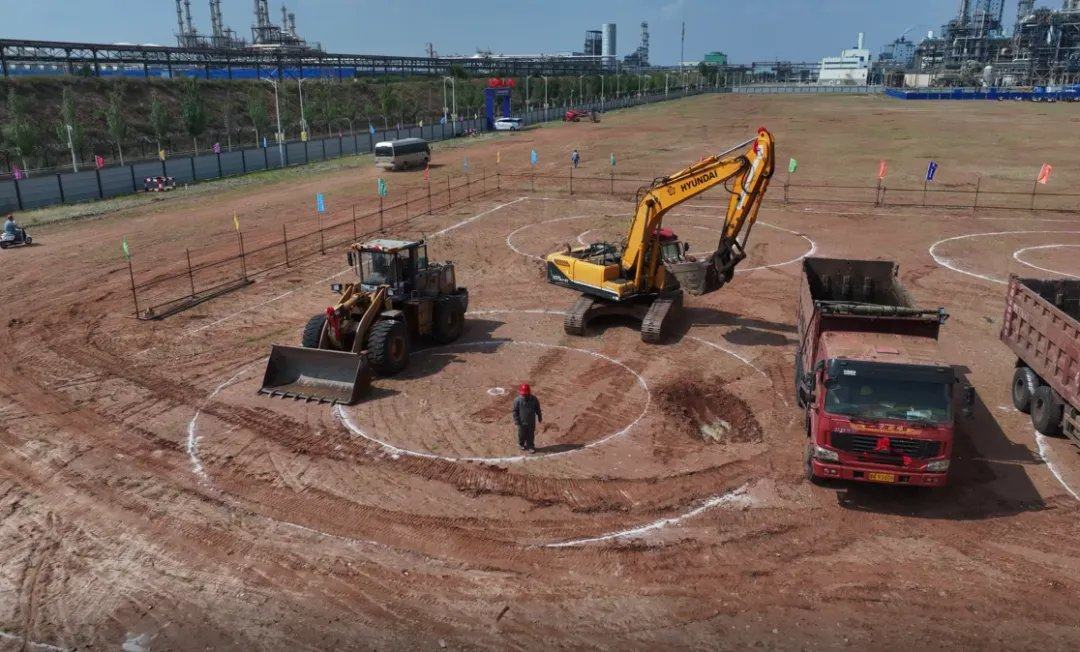
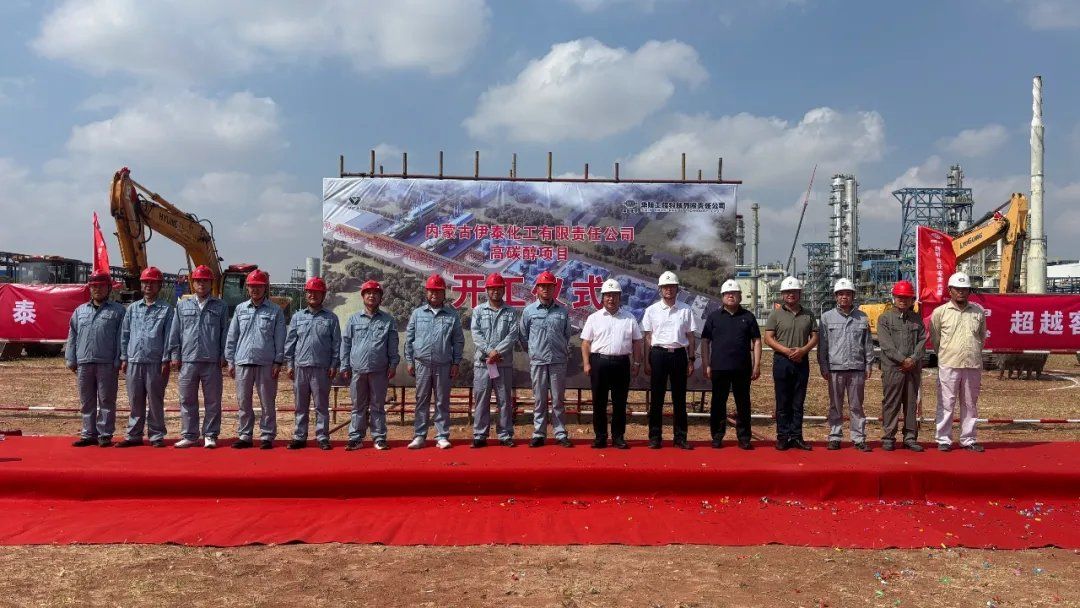
The high-carbon alcohol project has a total investment of approximately 1.27 billion yuan. It is a crucial step for Yitai Chemical in extending its industrial chain, based on its existing 1.2 million tons/year fine chemical project, and is an important chain-extending and chain-supplementing project. The project plans to build a production facility with an annual capacity of 120,000 tons of high-carbon alcohols, simultaneously supporting the main facilities for oxo synthesis, distillation, liquid storage and transportation, as well as utilities and auxiliary projects. The project will adopt advanced hydroformylation, hydrogenation, and fractionation technologies, using self-produced light oil as raw material. Upon completion, it will produce 100,000 tons/year of C9~C15 high-carbon alcohols and a series of aldehyde products. These products are mainly used in downstream sectors such as surfactants, metal processing, and lubricant additives, breaking foreign import barriers and achieving domestic self-supply. The project is scheduled for mechanical completion on July 30, 2027, with the goal of commencing production by September 30, 2027.
It is understood that Yitai Chemical has built a large-scale commercial indirect coal liquefaction Fischer-Tropsch synthesis industrial facility in China. Leveraging the core technology R&D platform of its holding company, Synfuels China, it has accumulated over a decade of industrial operation experience in the field of coal-to-fine chemicals. The plant site can supply high-purity syngas, hydrogen, and the required alkene/olefin raw materials at low cost, providing a natural cost advantage in the industrial chain.
On the other hand, in line with the regional industrial policy orientation of Inner Mongolia to promote carbon reduction and efficiency improvement in the coal chemical industry and extend the fine chemical industry chain, the company can utilize the high-carbon alcohol project to digest intermediate by-products from the plant. This transforms basic coal-based products into refined chemical new materials, reducing reliance on the single finished oil market, enriching the product portfolio to enhance resilience against market cycle fluctuations, and aligning with the company's long-term development strategy of building a complete "coal—basic synthesis products—high-end fine new materials" industrial chain. By simultaneously incorporating green electricity and green hydrogen supporting upgrades, the project will also reduce its carbon emission levels, adapting to the requirements of the domestic dual-carbon control policy.
Related Products
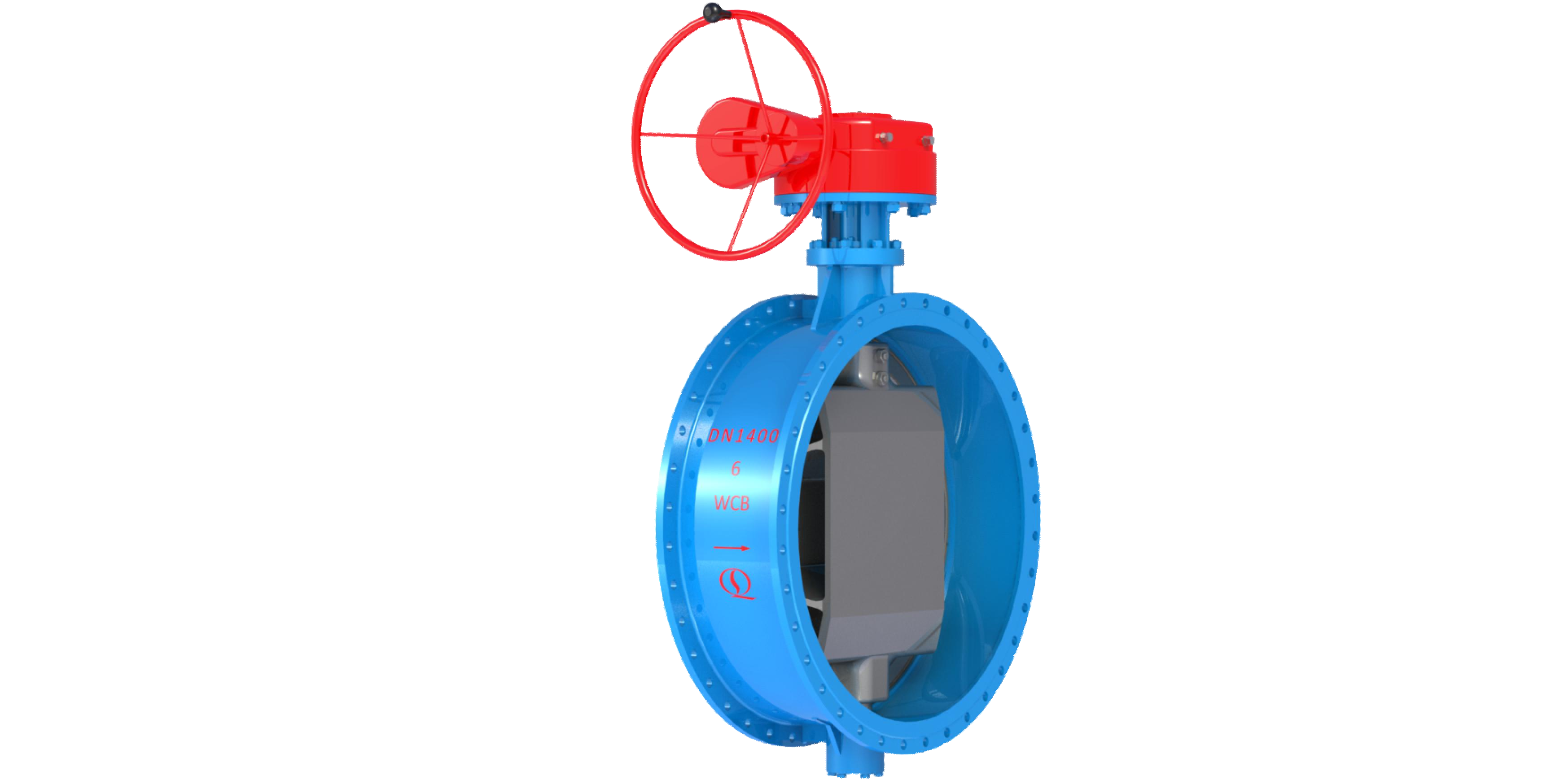

Bidirectional Metal Hard Sealed Seawater Butterfly Valve
Henan Quanshun Flow Control Science & Technology Co., Ltd.
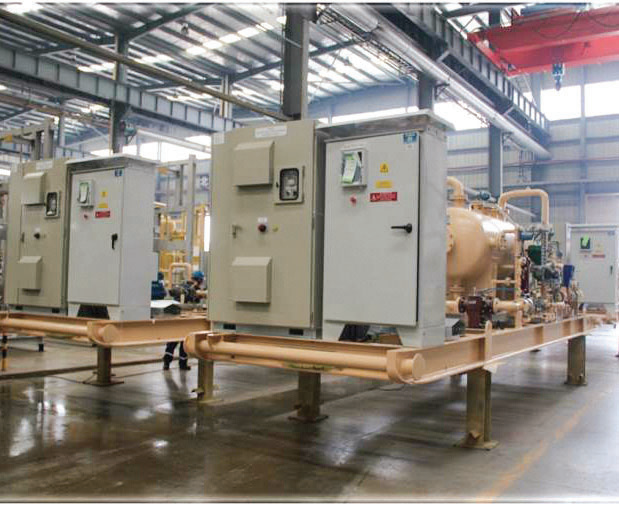
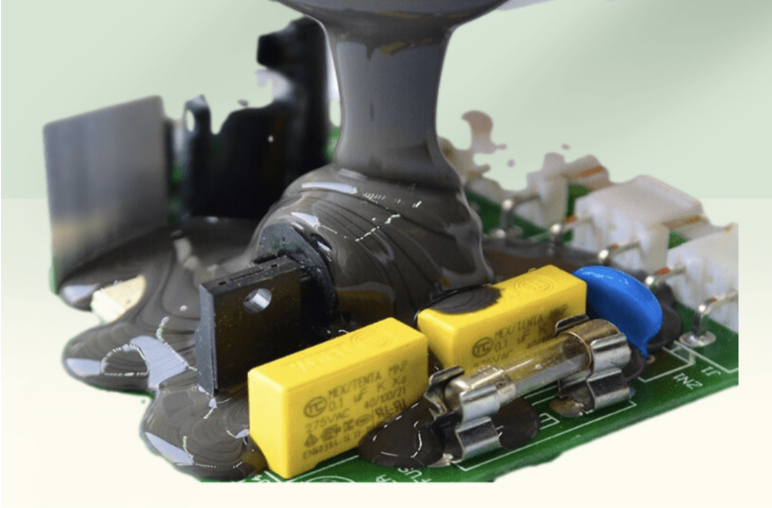
High Thermal Conductivity Encapsulating Resin
Nantong BESALL Sealing Technology Company.,Limited
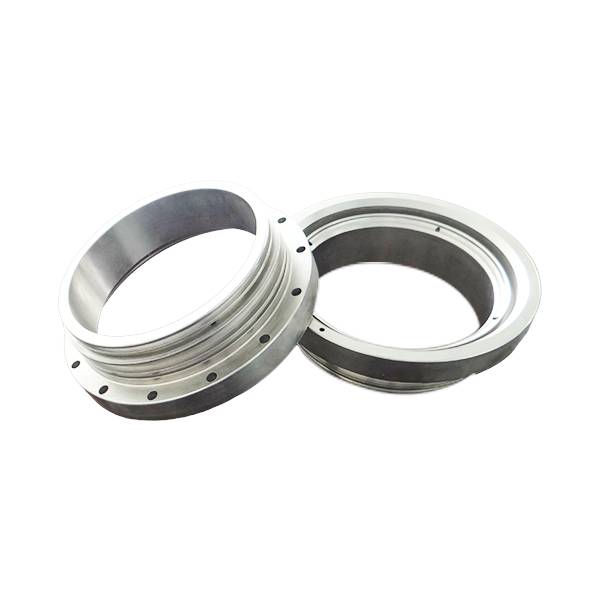

CAP1400 main feedwater flow nozzle flowmeter.
Jiangsu Hongda Instrument Technology Co., LTD.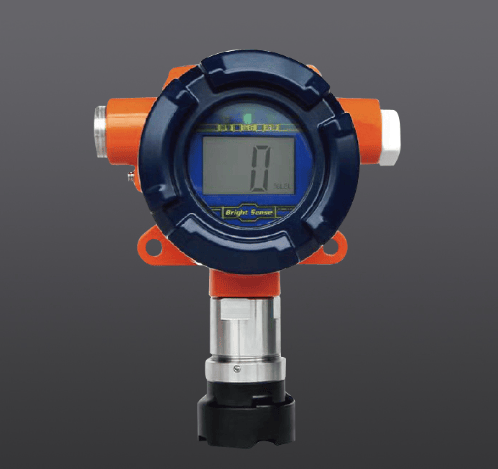

Industrial and Commercial Point-Type Gas Detector
Jinan Benan Technology Development Co., Ltd.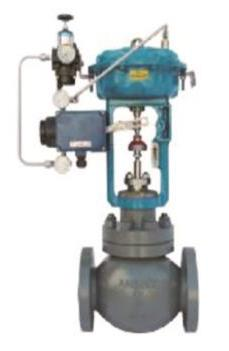
Quick-Change Single-Seat Control Valve / Quick-Change High-Pressure Single-Seat Control Valve
Beijing Consen Automation Technology Co., Ltd.