China's Hepu Fule Launches Corrosion Inhibitor Resistant to 350°C High Temperatures
en.Wedoany.com Reported - Tianjin Hepu Fule New Materials Co., Ltd., under its Vanconol brand, has launched the GS series high-temperature corrosion inhibitors targeting high-temperature corrosion conditions, capable of protecting metal equipment in environments above 350°C. The series includes models such as GS-300, GS-350, GS-400, and GS-500, which are respectively suitable for different units including catalytic cracking, atmospheric and vacuum distillation, hydrotreating, and delayed coking.
In petrochemical, coal chemical, and fine chemical production units, high temperature is one of the primary causes of equipment corrosion. The bottom temperature of atmospheric and vacuum distillation columns in refining units exceeds 350°C, the top temperature of catalytic cracking fractionation columns ranges between 200 and 300°C, and the operating temperature of coke drums in delayed coking units can reach above 500°C. Traditional corrosion inhibitors are prone to thermal decomposition, desorption, and deactivation under high-temperature environments, significantly reducing their protective effectiveness.
High-temperature corrosion primarily manifests as high-temperature sulfur corrosion, high-temperature oxidation corrosion, and high-temperature salt corrosion. In process sections such as distillation, coking, and catalytic cracking, sulfides in crude oil undergo thermal decomposition to generate corrosive media such as hydrogen sulfide (H₂S) and mercaptans. Inorganic salts in crude oil hydrolyze at high temperatures to produce HCl gas, leading to pitting corrosion and stress corrosion cracking. Conventional organic corrosion inhibitors begin to decompose and lose effectiveness at temperatures above 150°C.
The Vanconol GS series employs a compounding technology combining organic phosphonates with small-molecule amine compounds, utilizing phosphorus-oxygen bonds (P-O) and nitrogen-carbon bonds (N-C) with higher bond energy to replace traditional carbon-carbon bonds (C-C), thereby enhancing molecular thermal stability. Thermogravimetric analysis (TGA) tests show that after continuous heating at 350°C for 168 hours, the product exhibits a weight loss rate of less than 5%, with film stability exceeding 168 hours. At 350°C, the corrosion inhibition efficiency on Q235 carbon steel reaches above 95%, forming a chemisorbed film of approximately 5 to 10 nanometers on the metal surface. The product maintains stable performance across a pH range of 6 to 12 and exhibits good compatibility with refining additives such as demulsifiers, scale inhibitors, and biocides. The typical dosage is 20 to 100 ppm (based on feed rate), and it is recommended to dilute the concentrate 5 to 10 times with solvent oil or desalinated water before use.
The Vanconol GS series is primarily applied in high-temperature corrosion conditions including atmospheric and vacuum distillation units (260-340°C, GS-350 recommended), delayed coking units (450-500°C, GS-500 recommended), catalytic cracking units (180-250°C, GS-300 recommended), and hydrotreating units (280-400°C, GS-400 recommended). The product has achieved large-scale application in more than 30 refining enterprises across China. In an industrial trial conducted at a petrochemical enterprise, the Vanconol GS series operated continuously for 18 months in an atmospheric and vacuum distillation unit, reducing the internal wall corrosion rate to 0.04 mm per year, achieving a corrosion inhibition efficiency of 97.3%, and extending the unit's maintenance cycle from 2 years to more than 4 years. Leveraging the R&D capabilities of Tianjin Hepu Fule, the Vanconol brand can provide customized anti-corrosion solutions based on customer operating conditions.
Related Products

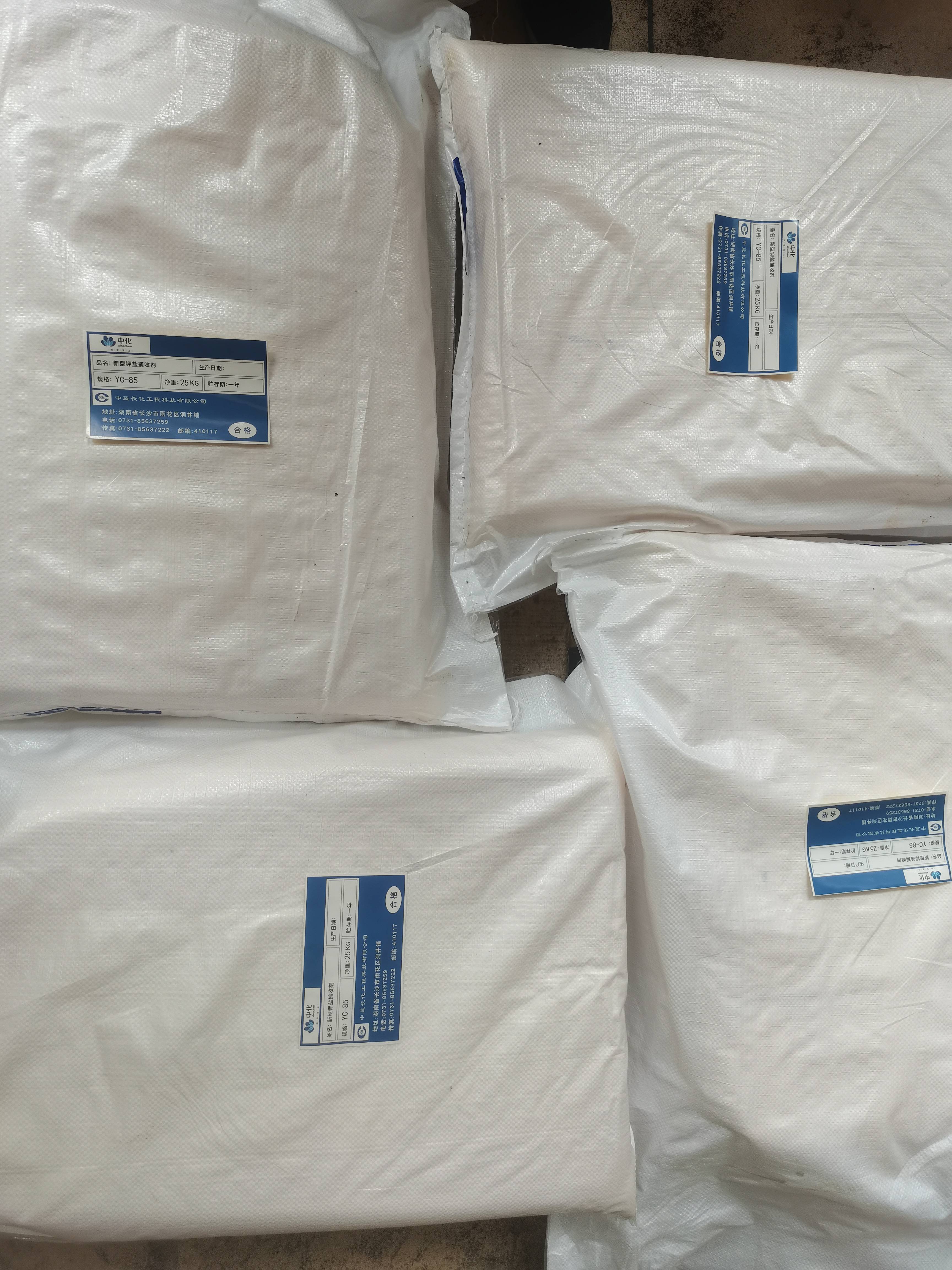
New Environmentally Friendly Green Potassium Salt Collector
Chonfar Engineering and Technology Co., Ltd.

Steel Pipes for Refining and Coal Chemical Industries
YANGZHOU LONTRIN ENERGY EQUIPMENT CO.,LTD.

CAP1400 main feedwater flow nozzle flowmeter.
Jiangsu Hongda Instrument Technology Co., LTD.
Industrial and Commercial Point-Type Gas Detector
Jinan Benan Technology Development Co., Ltd.