Chile UCSC Study: Green Hydrogen Trucks Show Growing Economic Viability for Long-Haul Transport
en.Wedoany.com Reported - Researchers at the Energy Center of the Catholic University of Concepción (UCSC) published a study in the journal Applied Sciences evaluating the techno-economic performance of green hydrogen trucks recently introduced in Chile compared with diesel heavy-duty freight vehicles. Currently, more than 90% of heavy-duty transport in Chile relies on diesel, a reality that poses one of the main challenges to the country's carbon neutrality goals.
The study, titled "Technical and Economic Assessment of Green Hydrogen Trucks Recently Introduced in Chile: Comparative Analysis with Diesel Heavy-Duty Freight Vehicles," examined the impact of factors such as fuel costs, vehicle prices, annual mileage, fleet size, and hydrogen refueling infrastructure on the economic feasibility of hydrogen trucks, using equivalent diesel heavy-duty trucks as a baseline.
Dr. Ricardo Lizana, corresponding author of the study and researcher at the UCSC Energy Center, stated that the core contribution of the research lies in identifying the variables that truly determine economic viability. The analysis shows that while hydrogen cost is important, it is not the sole factor determining competitiveness; annual mileage and truck utilization have a decisive impact—the longer the distance traveled and the longer the operating hours, the smaller the cost gap between hydrogen trucks and diesel vehicles. Lizana noted that on long-haul routes between the Biobío Region and the Metropolitan Region, costs are beginning to show competitiveness. Interregional logistics corridors, port-related transport, mining, and closed fleets were identified as the application scenarios with the greatest potential for adopting this technology.
The study specifically analyzed opportunities in the Biobío Region. Although green hydrogen produced via water electrolysis remains expensive due to high electricity costs, the region can leverage renewable hydrogen byproducts from existing industrial operations to gain a cost advantage. According to the researchers, adopting this alternative significantly reduces hydrogen costs compared with the electrolytic method, markedly enhancing technical competitiveness for trucks traveling more than 500 kilometers with high-frequency operation.
The study also acknowledges that hydrogen trucks currently remain less economically viable overall than diesel vehicles due to their high purchase prices. However, the analysis indicates that as hydrogen costs decline and truck utilization improves, the gap is expected to narrow substantially. The research team believes that Chile already has application scenarios where this technology can be progressively deployed, particularly suitable for pilot projects in the Biobío Region to advance freight decarbonization.
The study was co-authored by UCSC researchers Matías León, Dr. Ricardo Lizana, Dr. Eduardo Espinosa, Dr. Guillermo Ramírez, Dr. Samuel Vergara, Ricardo León, and Dr. Pedro Eduardo Melín from the University of Biobío.
Related Products


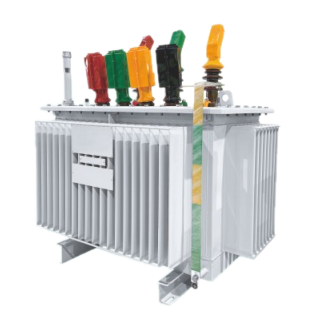
IS(B)□-M·RL Series Oil-immersed 3D Transformer (Planar / 3D Wound Core)
Guangdong Kehua Electric Power Technology Co., Ltd.
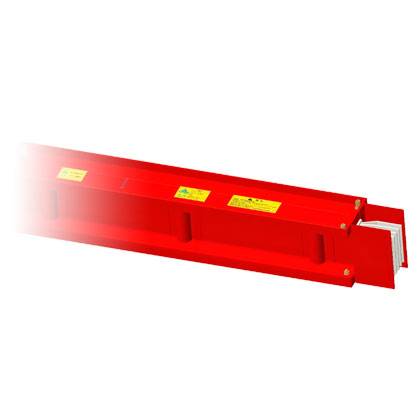
Mineral-insulated Compact Busway (Fire-resistant Busduct)
Zhuhai Guangle Electric Busway Co., Ltd.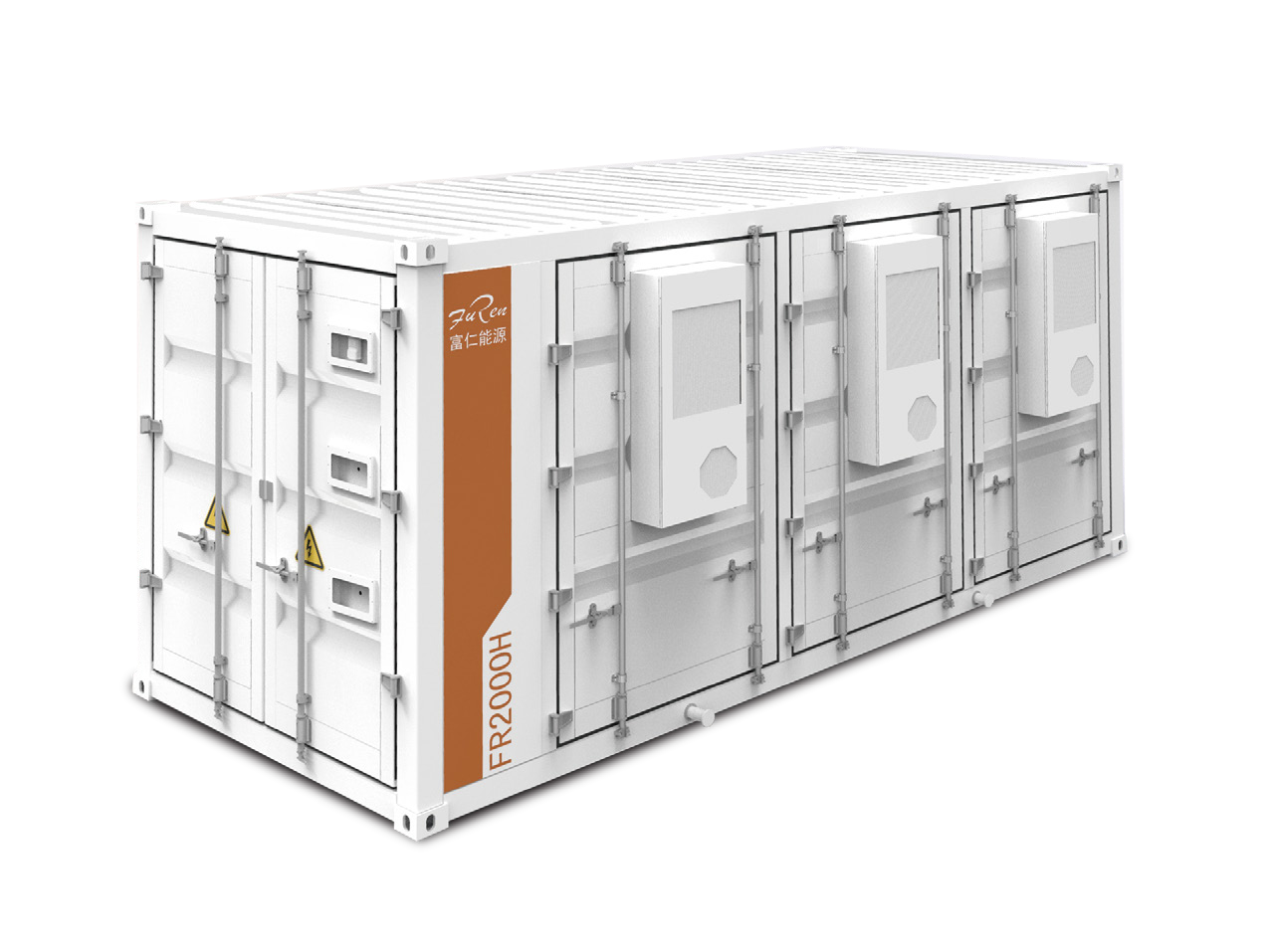
FR2000H 2.15MWh (Air-cooled) 20-foot Containerized Energy Storage System
Jiangyin Furen High-tech Co., Ltd.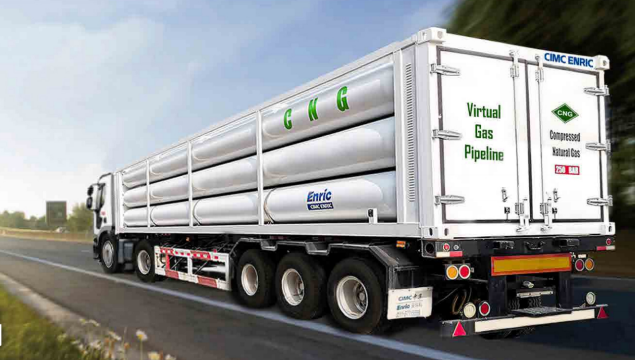

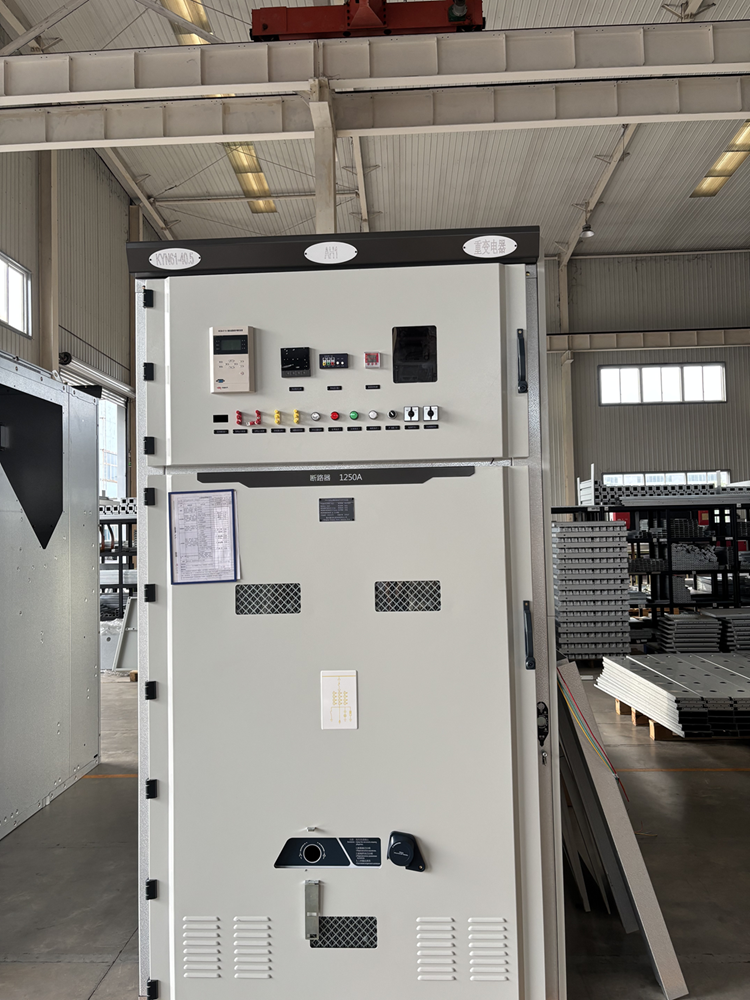
KYN61-40.5 Indoor AC Metal-clad Removable Switchgear
Chongqing Transformer Co., Ltd.