Port of Ashburton Advances Desalination Water Supply and Fire Protection System Upgrades
en.Wedoany.com Reported - On September 15, the Pilbara Ports Authority of Western Australia disclosed that the Port of Ashburton is advancing two infrastructure upgrade projects, among which the Ashburton Foundation Water and Fire Project has entered the construction phase and is planned to establish a permanent potable water supply and fire water system for the Ashburton Cargo Wharf by January 2027. The scope of works includes a new seawater desalination unit, expansion of the existing fire protection pipe network, and construction of new fire water tanks. The wharf operations notice issued by the port authority in August has made clear that construction of the fire water and seawater desalination facilities commenced that month.
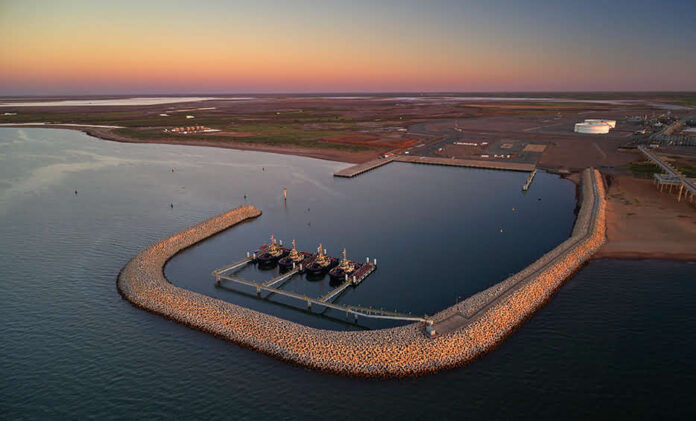
This water and fire protection project directly serves the Ashburton Cargo Wharf. The wharf was originally a material unloading facility during the construction period of the Wheatstone natural gas project and has now been converted into a multi-user public cargo wharf operated by the Pilbara Ports Authority. According to the official facility handbook, the wharf consists of three sections—east, south, and west—with a total of 5 berths, of which the east and south sides each have 170 meters of quay line and are equipped with ro-ro access channels and related berthing facilities. The new desalination and fire protection systems will be connected to this existing wharf system to provide a fixed water source for daily water use, cargo operations, and fire protection facilities in the port area.
The Pilbara Ports Authority has also initiated preliminary implementation arrangements for the sand bypass project adjacent to the port area. Coastal monitoring in October 2025 confirmed that sediment accumulation on the west side of the Ashburton Cargo Wharf had reached the trigger value specified in the Coastal Processes Monitoring and Management Plan. The project plans to use hydraulic pumping to transfer the accumulated sand body on the west side of the wharf to an approved area on the east side, allowing the sand to re-enter the natural littoral drift system. Construction is planned to commence in early 2027 and will be implemented in accordance with the approved Sand Bypassing Environmental Management Plan.
The sand bypass project is not the same operation as routine dredging. On September 15, the port authority separately issued a maritime notice arranging hydrographic surveys and maintenance dredging for the Ashburton Cargo Wharf navigation channel, harbor basin, tug berths, and the berth waters of the Mineral Resources Loading Terminal; the sand bypass referred to in this infrastructure upgrade article, by contrast, addresses the redistribution of coastal sediment on both sides of the wharf and shoreline management. The two operations differ in their implementation targets and engineering purposes.
The Port of Ashburton is a multi-user port and strategic industrial area in the Pilbara region of Western Australia, serving liquefied natural gas, other hydrocarbon processing, and natural gas processing operations for the Western Australian domestic market. After Tropical Cyclone Narelle passed through in March of this year, the port temporarily implemented inspections and localized restrictions; as of April 9, all berths at the Ashburton Cargo Wharf had resumed operation.
Related Products
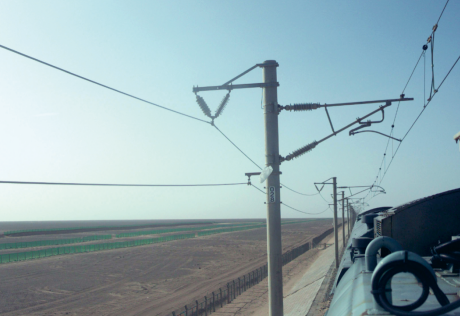

Pantograph-Catenary Comprehensive Detection Device (1C)
CHENGDU TANGYUAN ELECTRIC CO., LTD.
CLW5180TXSD6 Dongfeng Tianjin Washing and Sweeping Truck
ChengLi Special Automobile Co., Ltd.


WGQY Series Aircraft Tow Tractor-WGQY15, WGQY27
Weihai Guangtai Airport Equipment Co., Ltd.
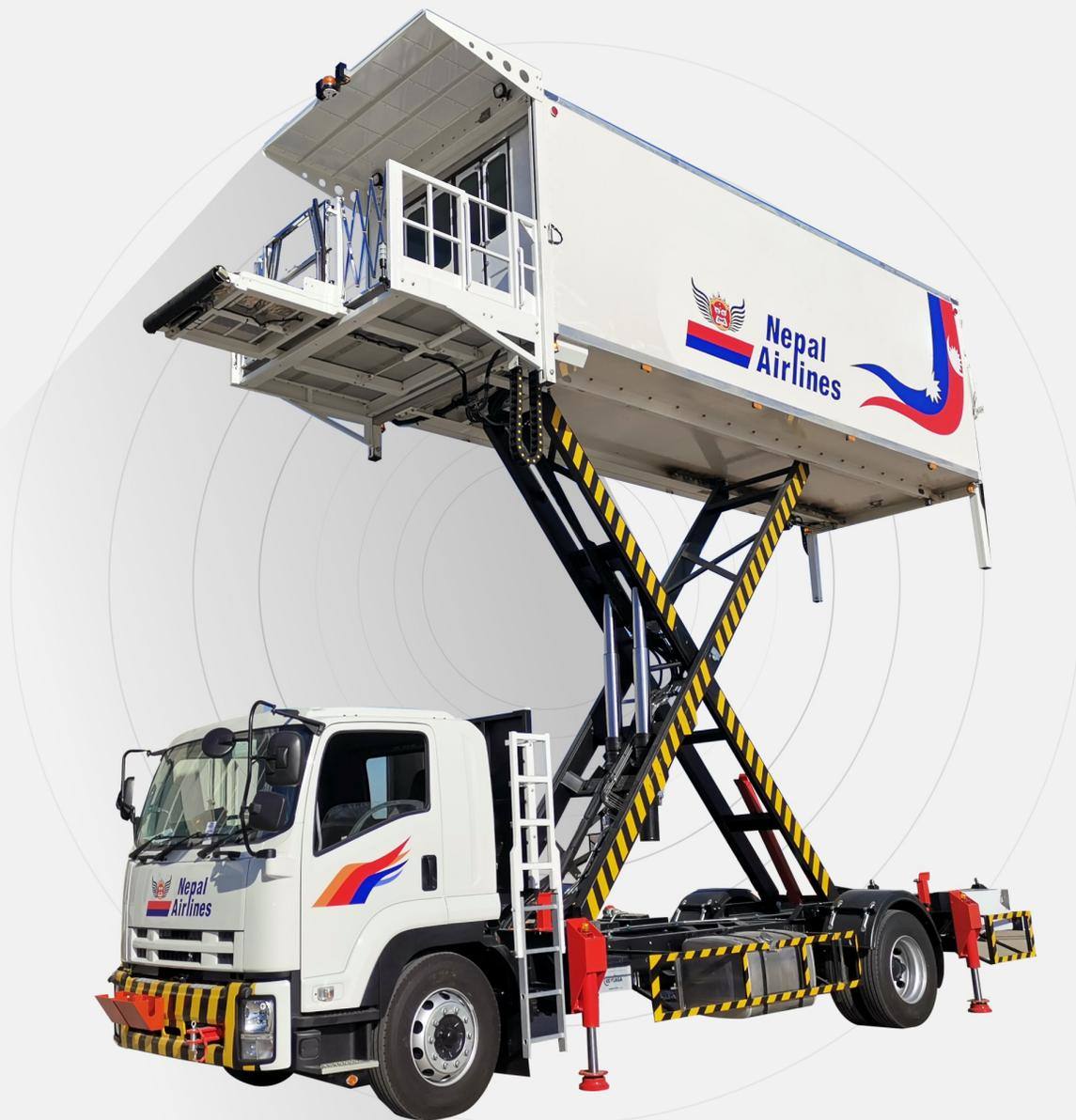
XC-6000e Type Aviation Catering Truck (Fuel Type)
Shenzhen CIMC-TianDa Airport Support Ltd.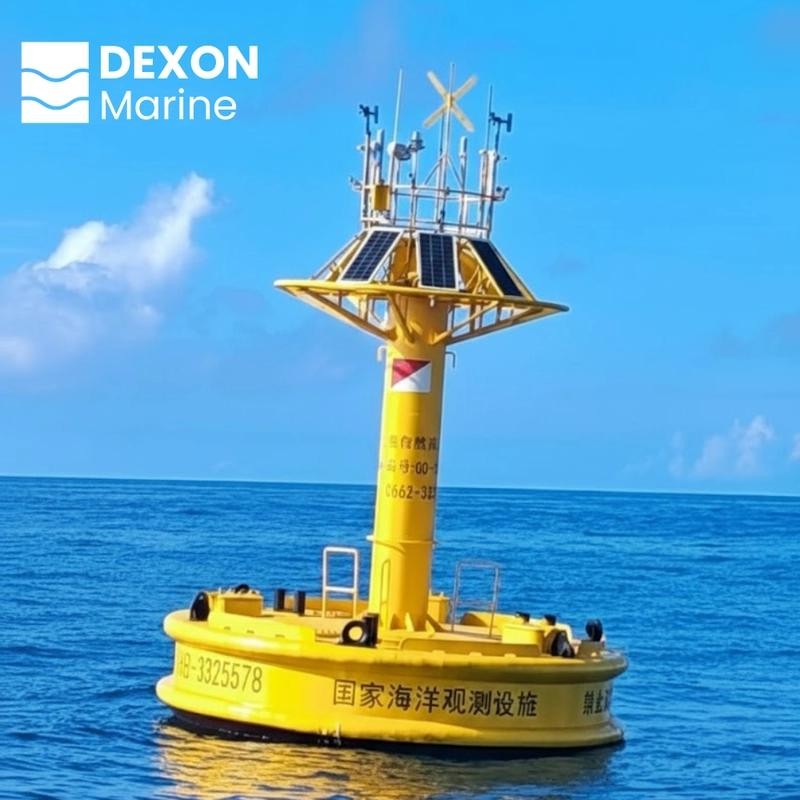
3m intelligent buoy combining navigation safety and real-time marine monitoring integrated navigation and marine monitoring system for real-time maritime data
Chengdu Dixin Technology Co., Ltd.