South Africa's Kampak Focuses on Medium-Width Composite Films to Build a Differentiated Position
en.Wedoany.com Reported - South African flexible packaging company Kampak has established a differentiated position in a market environment characterized by thin margins, high cost volatility, and an increasing number of short-run orders by focusing on medium-width composite films and technical support. As a supplier of packaging films under the Kamboo Group, Managing Director Jacques Human stated that the company deliberately avoids competing in the highly commoditized red ocean, instead creating value through technical understanding, specialized film solutions, and local support.
Kampak's business began in 2012 when the Kamboo Group was still primarily engaged in commercial printing and newspaper production. The company placed its first full-container order for shrink film, entering the flexible packaging sector with a container of high-quality European shrink materials. Jacques Human recalls this as a turning point, transitioning from traditional printing operations toward a direction more aligned with market trends.
At that time, shrink sleeve production in South Africa was dominated by a few large processors using PVC materials. PVC was readily available, easy to process, and widely accepted. However, as environmental scrutiny intensified, the market shifted toward PET, which quickly captured approximately 80% of the market share. Jacques noted, however, that the market has not followed a linear path, and PVC has recently seen a resurgence in specific areas. This is because, for small and medium-sized processors that do not serve major brand owners, PVC is easier to process and more cost-effective. Understanding the appropriate application scenarios for materials has become central to Kampak's operations.
In the field of flexible composite structures, the surge in SKUs, small-batch production, and rapid product launches have transformed production economics. Traditional wide-width flexographic printing is unsuitable for short-run orders, while narrow-web processors have expanded their capabilities through advancements in printing technology. Activity in the medium-width range (approximately 550-800 mm) has increased, offering greater flexibility than scale benefits. Jacques described how narrow-web companies are moving wider, and wide-web companies are moving narrower, making the medium-width space the optimal entry point—and precisely where Kampak's composite film products are positioned.
Its core product is a "three-layer" structure consisting of a printable outer layer, a barrier layer (typically aluminum), and a sealing layer (usually LDPE), suitable for pouches, retort pouches, and small-batch flexible packaging. Some narrow-web processors lacking reverse printing and full lamination capabilities adapt by using surface printing combined with in-line BOPP lamination, effectively turning the three-layer structure into a four-layer solution. Regarding issues of ink migration and food safety, Jacques stated that with modern UV curing systems and compliance frameworks such as the Swiss Ordinance and Nestlé's Packaging Ink Guidelines, this barrier has largely been eliminated, opening the door for more participants to enter the field.
In terms of sustainability, Kampak takes a pragmatic approach. Mono-material structures are gaining attention, with metallized BOPP and MDO-PE offering alternatives to aluminum foil, but a gap remains between theory and reality. Jacques pointed out that the recycling loop is not yet closed, as recyclers cannot determine the specific composition within the structure. Kampak is working with metallized PET and exploring metallized BOPP solutions to improve recyclability while maintaining barrier properties. Research and development of polyolefin shrink sleeve films are also progressing, but limitations in cost and printability persist, and the industry must acknowledge the current stage of technology.
Kampak's procurement model focuses on carefully selected partners. National Sales Manager Russell Muller stated that the company does not choose suppliers solely based on low prices, but rather through years of relationship building and material testing to ensure that products brought to market are accurate and reliable. Among these suppliers, some operate globally, with production bases in Asia and commercial centers in Europe, offering a range of materials from PVC and PET shrink films to complex composite structures. One such supplier, Termoencogible Internacional, has facilities in China and Spain, supplying PVC shrink film, PETG shrink film, polyolefin shrink film, BOPP, CPP, and LDPE film compounds.
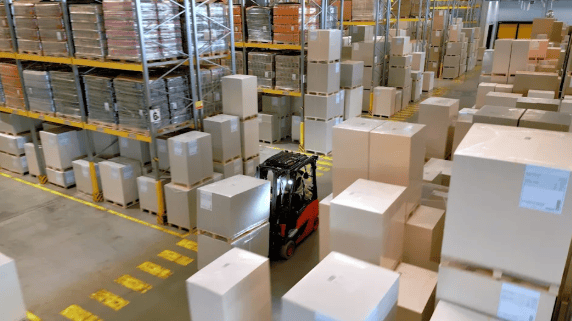
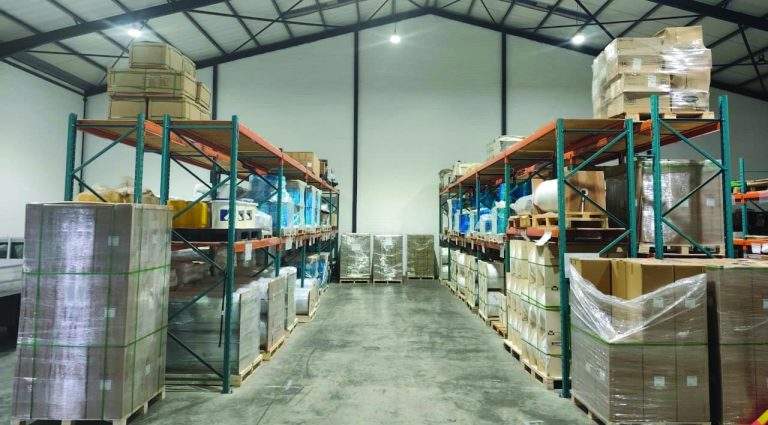
Traceability is a priority for Kampak. The company has invested in digital platforms and technical documentation to show customers the origin of products, building trust through transparency. Kampak maintains local inventory in Johannesburg, Cape Town, and Durban, including composite structures, aiming to reduce supply risks for processors. With local warehousing and logistics, deliveries can be completed within 24 hours, minimizing downtime risks.
Kampak's role extends beyond that of a supplier to include being a technical support partner, involving troubleshooting, technical assistance, and process optimization—even when no immediate sales opportunity exists. Jacques stated that in 80% of cases, the problem is not with the material itself but with the application, setup, or process, and that is where their experience proves valuable. Kampak's goal is to build an independent and recognizable brand platform for its consumables and film business, supported technically by controlled sourcing and local inventory.
This article is compiled by Wedoany. All AI citations must indicate the source as "Wedoany". If there is any infringement or other issues, please notify us promptly, and we will modify or delete it accordingly. Email: news@wedoany.com
Related Products



High Thermal Conductivity Encapsulating Resin
Nantong BESALL Sealing Technology Company.,Limited
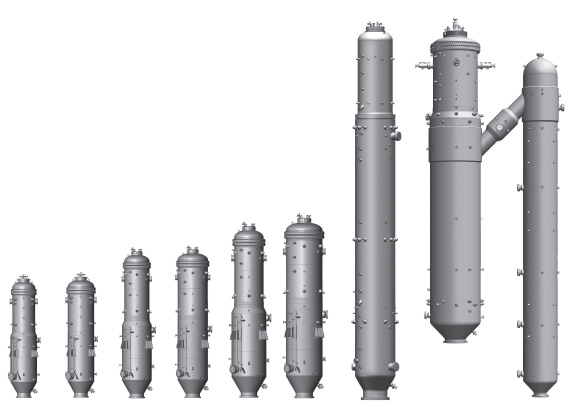
Gasification Furnace Series: Freely Combinable Aerospace Furnace
CHANGZHENG ENGLINEERING CO., LTD.
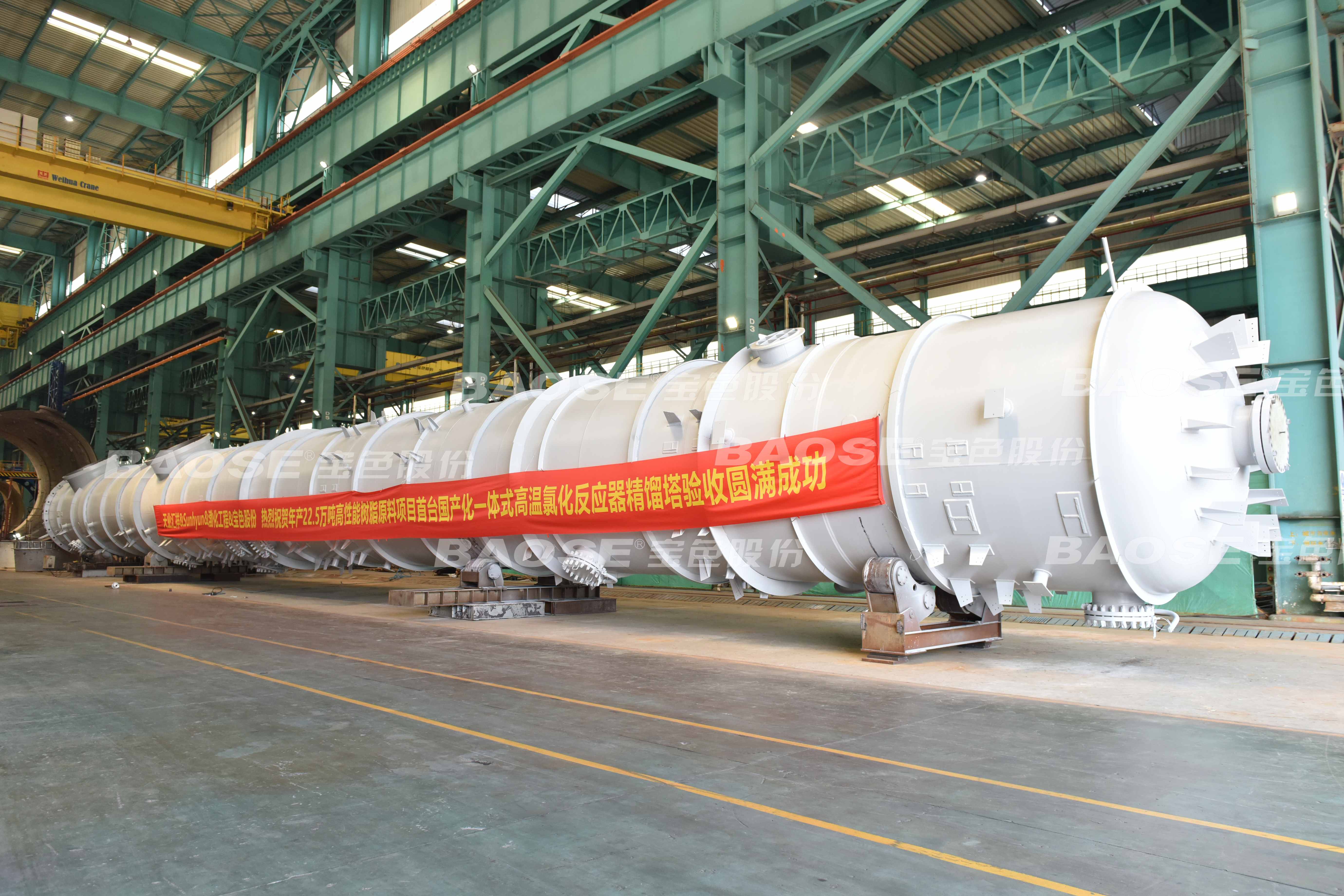
Integrated High-Temperature Chlorination Reactor Rectification Column
Nanjing Baose Co., Ltd.