UK's 'Prince Madog' £5.5m Hydrogen Retrofit Receives LR Certification
en.Wedoany.com Reported - The UK research vessel "Prince Madog" has recently received certification from Lloyd's Register for its hydrogen fuel cell retrofit plan, marking a practical step forward in the field of hydrogen-powered marine conversions where existing regulations are not yet fully comprehensive.
The certification was granted under Lloyd's Register's ShipRight Risk Based Certification framework and was officially announced at Seawork 2026 in Southampton. For shipowners and technology suppliers, the project demonstrates that hydrogen retrofits are feasible, provided that the safety case is properly constructed.
The project was led by O.S. Energy through its marine engineering and R&D office, in collaboration with clean propulsion specialist Ecomar Propulsion. The work includes detailed integrated design of onboard gaseous hydrogen storage systems, fuel cells, batteries, and auxiliary systems. Hydrogen propulsion remains a complex area for shipowners, as current regulations have not yet fully kept pace with technological developments. The risk-based certification framework applied by Lloyd's Register in this case provides a safety assurance pathway for technologies that go beyond traditional prescriptive rules, with a focus on risk management and safety standards.
The certification followed a previous Approval in Principle for the design. Mark Nijhoff, Chief Expert for Pipelines and Decarbonisation Systems at Lloyd's Register, stated that the framework helps innovators bring new technologies to market while maintaining safety and assurance standards. Nijhoff noted that the "Prince Madog" TransShip II project demonstrates how hydrogen technology can be implemented safely and practically in the maritime sector.
The "Prince Madog" retrofit plan is part of the TransShip II project, which is supported by the UK government's Clean Maritime Demonstration Competition. Earlier project materials indicate that the retrofit costs £5.5 million, with the goal of reducing emissions by up to 60% through a hydrogen-electric hybrid propulsion system. The vessel is a working platform for marine scientific research and training, requiring the integration of hydrogen storage, batteries, and fuel cells with existing ship operations.
Oliver Cornforth, Project Manager at O.S. Energy, stated that this certification marks the culmination of three years of work by the project team. Cornforth said they look forward to completing the hydrogen-battery retrofit and demonstrating zero-emission operations for the "Prince Madog." He noted that the vessel will be the first of its kind to carry a crewed hydrogen retrofit at sea, potentially establishing a technical pathway for hydrogen propulsion in workboats and larger commercial vessels. For operators, the retrofit must also consider practical factors such as space, weight, safety zones, crew operations, and maintenance access.
Nik Lekkas, Chief Technology Officer at Ecomar Propulsion, stated that the certification provides a stronger reference point for the company in hydrogen storage, fuel cell integration, and clean propulsion system development, reflecting the work required to move hydrogen technology from concept to certified ship operations and demonstrating the growing maturity of hydrogen-powered solutions. The commercial impact will depend on the speed at which similar projects move from design approval to repeatable deployment. Workboats, port service vessels, research ships, and short-sea shipping operators are areas where hydrogen hybrid systems may see earlier adoption, particularly in operational models involving predictable routes or shore-based hydrogen infrastructure.
This article is compiled by Wedoany. All AI citations must indicate the source as "Wedoany". If there is any infringement or other issues, please notify us promptly, and we will modify or delete it accordingly. Email: news@wedoany.com
Related Products

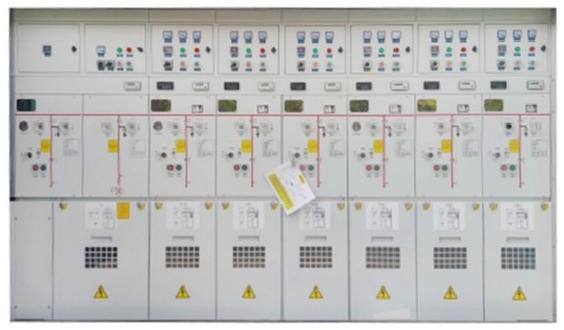
NISELA Series Environmentally Friendly Gas-Insulated Ring Main Unit
XJ DELISHIER ELECTRIC CO., LTD.
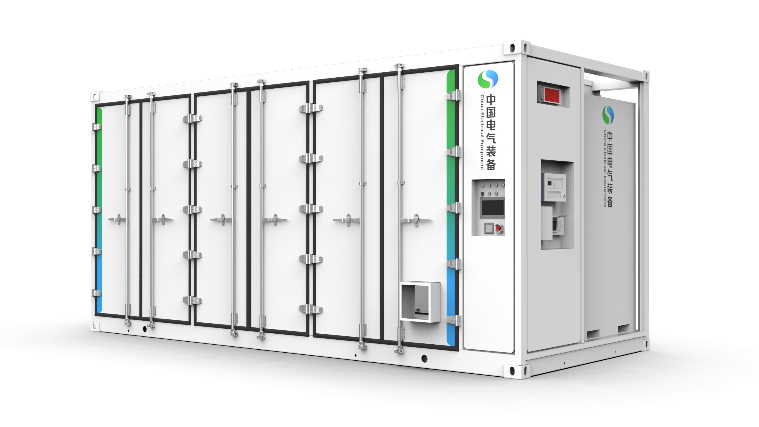
MESS8201-2507/5015-BN Prefabricated Liquid-cooled Energy Storage Battery Container
Xuchang Xuji Electric Science Energy Storage Technology Co., Ltd.
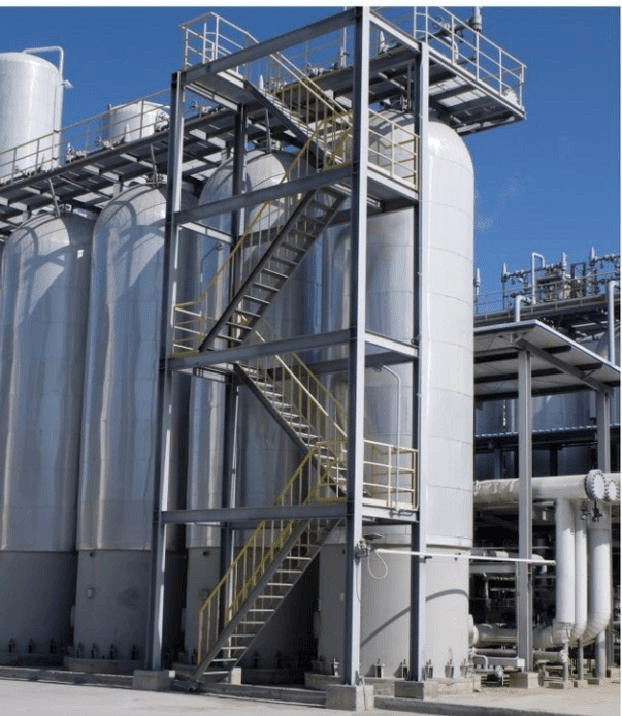
Hydrogen Production Technology: Hydrogen Purification by Pressure Swing Adsorption
Chengdu Yizhi Technology Co., Ltd.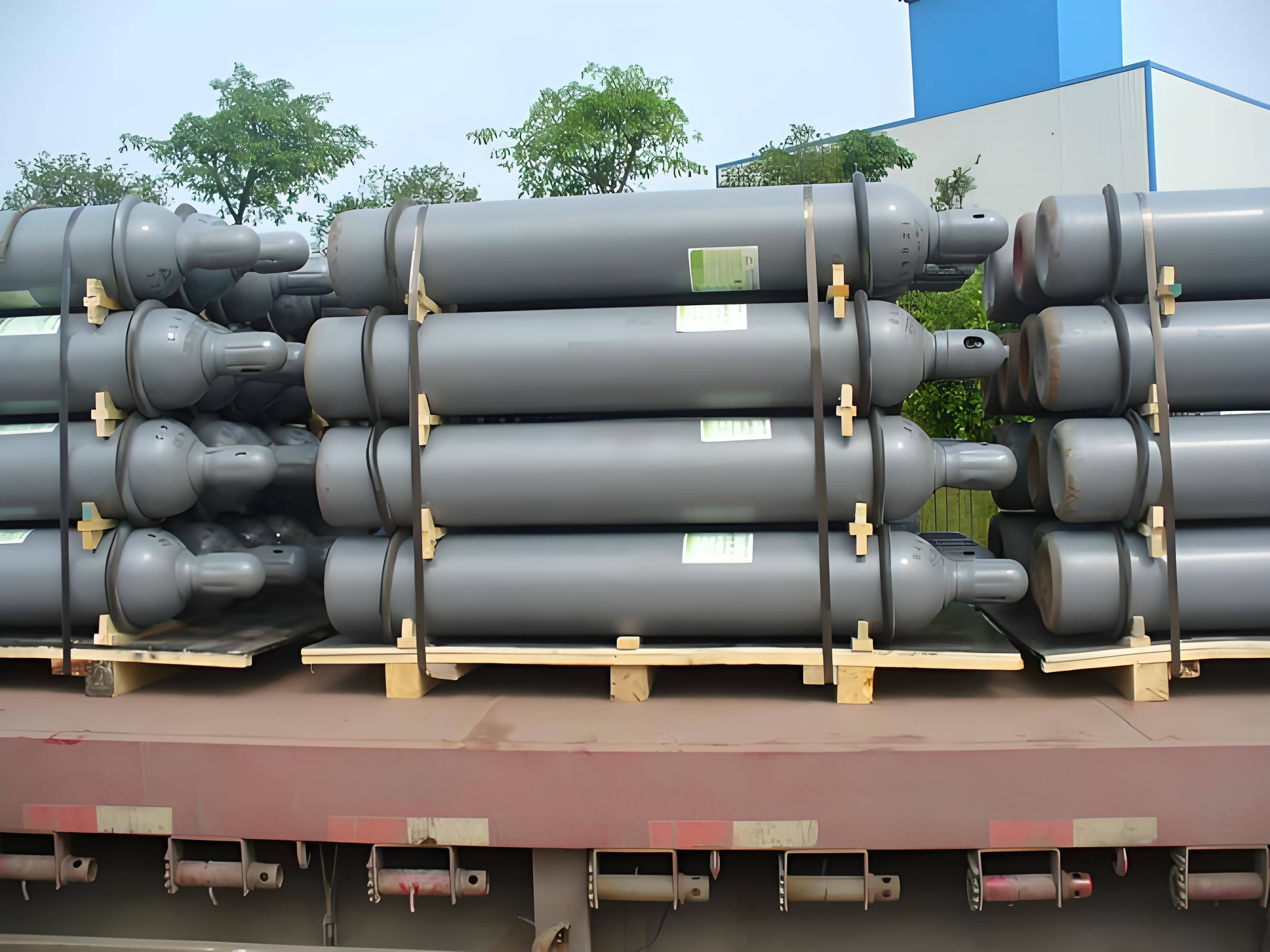
Global Sulfur Hexafluoride Gas Supply and Cylinder Export
Foshan Yuexin Industrial Gas Co., Ltd.
Industrial and Commercial Point-Type Gas Detector
Jinan Benan Technology Development Co., Ltd.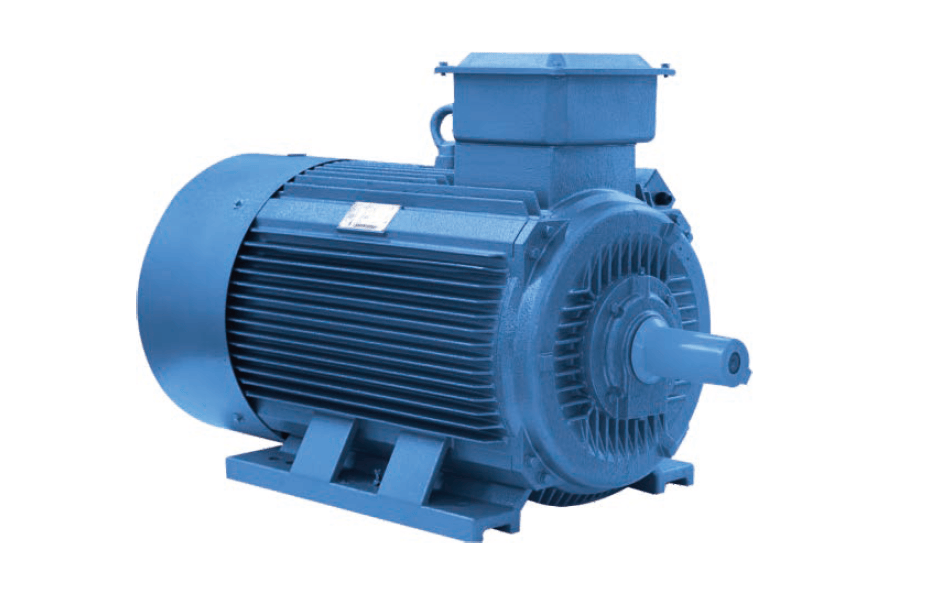
TYC Series High-Efficiency Permanent Magnet Synchronous Motor
Xiangdian Smart Energy Technology Co., Ltd.