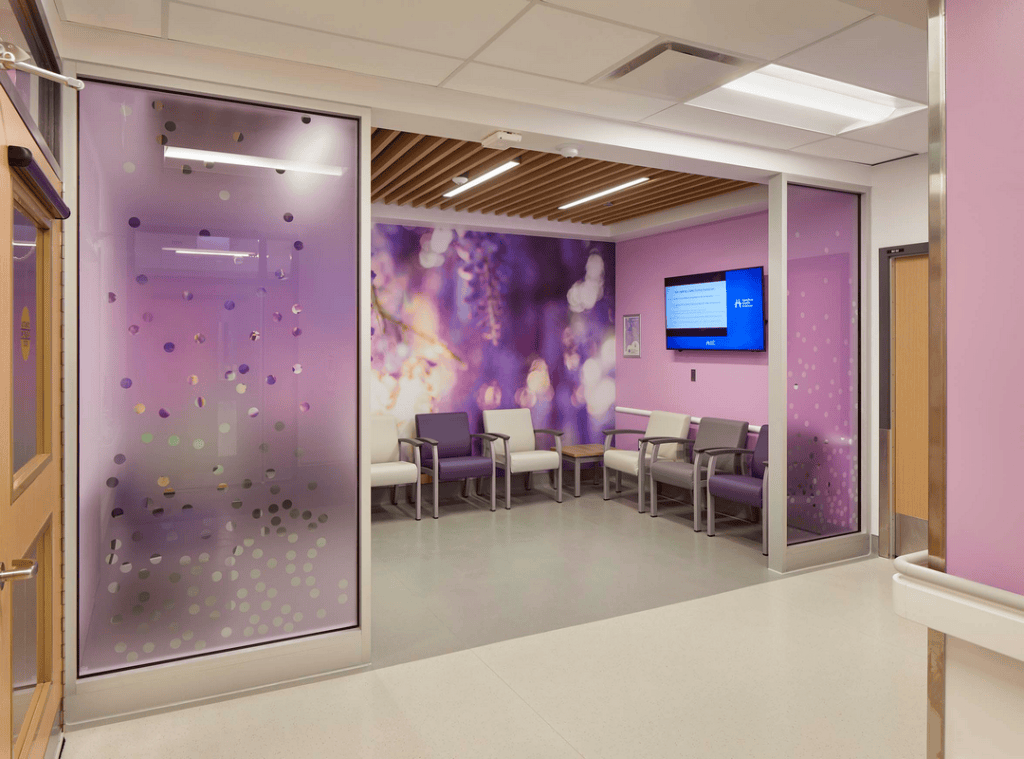
en.Wedoany.com Reported - The Bangladesh government plans to pilot the "Electronic Health Card" project in five regions, which will be implemented within 180 days after the formation of the government. Prime Minister Tarique Rahman announced this during a session of the Jatiya Sangsad (JS).
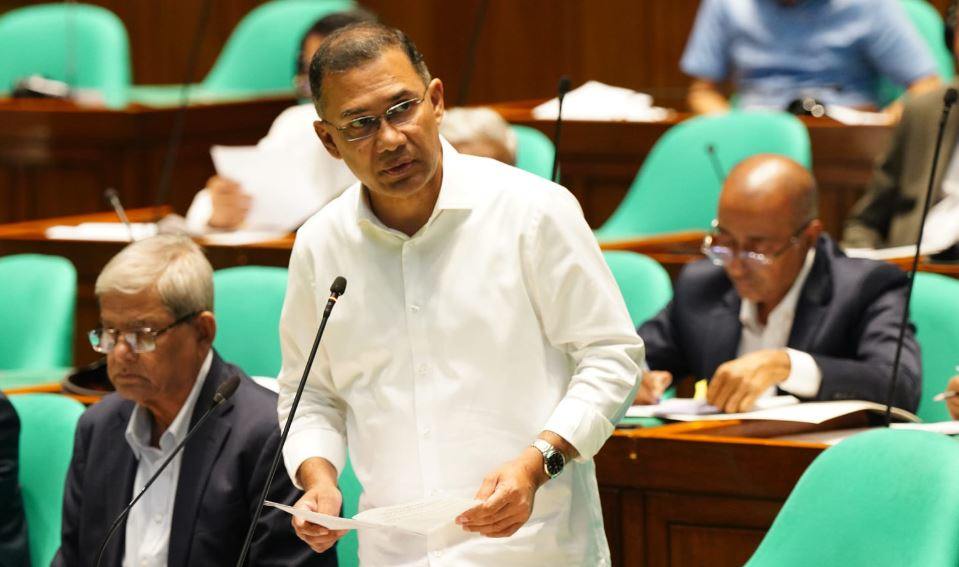
Tarique Rahman stated that a project related to the electronic health card is awaiting approval, with plans to roll out services to residents in five regions—Khulna, Noakhali, Bogura, Sirajganj, and Narsingdi—within 180 days. The electronic health card will be integrated with the electronic referral system and the electronic patient management system.
Responding to a query from ruling party lawmaker Muhammad Shamsur Rahman Simul Biswas from the Pabna-5 constituency, the Prime Minister further elaborated on the government's priority initiatives based on election pledges. The family card scheme for female-headed households has distributed cards to 60,044 families across 36 units during the pilot phase. Under the pre-pilot phase of the farmer card scheme, cards have been issued to 20,748 farmers across 11 agricultural blocks in 11 upazilas (sub-districts) of 10 districts in 8 divisions.
The government has also waived agricultural loans of up to 10,000 Taka in the crop, livestock, and fisheries sectors. In the religious services sector, the government provides monthly honorariums to religious leaders at 4,908 mosques, 990 temples, 144 Buddhist monasteries, and 396 churches, with plans to gradually extend this benefit to all religious institutions.
For infrastructure projects, the Ministry of Water Resources, the Local Government Division, the Ministry of Agriculture, and the Ministry of Disaster Management and Relief are undertaking excavation and re-excavation work on 666 canals with a total length of 965.04 kilometers. As part of the afforestation program, the government plans to plant approximately 31.4 million saplings during the upcoming monsoon season, aiming to plant 250 million trees and create green jobs.
In the education sector, the government plans to distribute free school uniforms to 200,000 children in public primary schools in the next fiscal year and gradually implement the "One Teacher, One Tablet" program in schools. For student visa loans, the unsecured loan limit for language student visas has been increased from 300,000 Taka to 1 million Taka, and loan disbursement for students going to Japan has been simplified, based on eligibility certificates, even before obtaining the visa.
To achieve the target of generating 20% of electricity from renewable sources by 2030, the government has connected a total of 35 megawatts of power to the national grid through the National Roof-top Solar Program and net metering. The Ministry of Youth and Sports has also launched the "New Kuri Sports-2026" program, aimed at identifying sports talent among children aged 12 to 14, covering eight sports: football, cricket, kabaddi, athletics, badminton, chess, swimming, and martial arts.
This article is compiled by Wedoany. All AI citations must indicate the source as "Wedoany". If there is any infringement or other issues, please notify us promptly, and we will modify or delete it accordingly. Email: news@wedoany.com