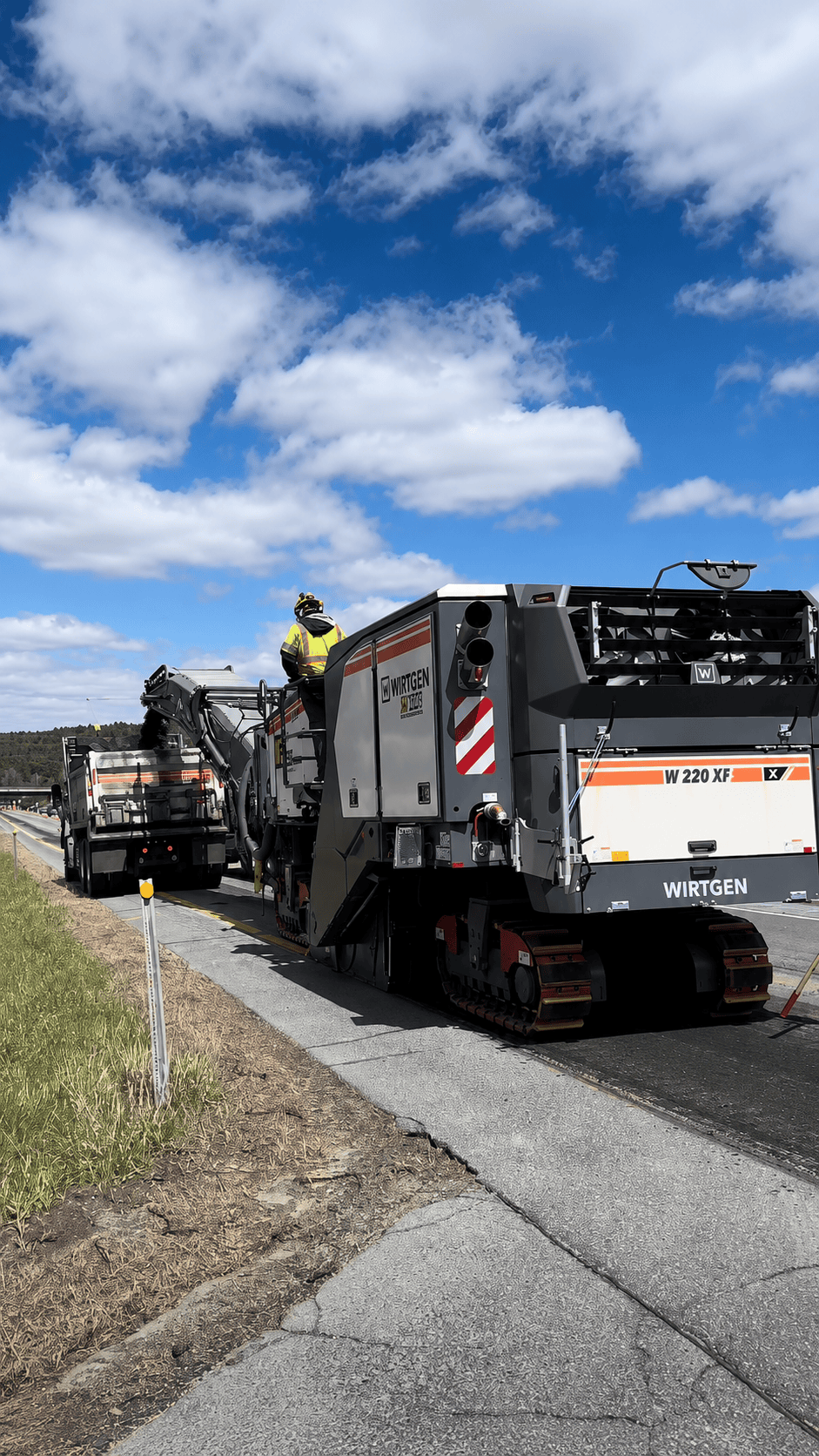
Siemens Mobility Launches New Generation Vectron X Locomotive
en.Wedoany.com Reported - Siemens Mobility has launched the new generation Vectron X locomotive, which adopts an open, software-based architecture on mainline locomotives. It is designed to connect rolling stock, maintenance services, and digital infrastructure, providing scalable fleet management and interoperability diagnostic systems for passenger and freight rail transport providers.
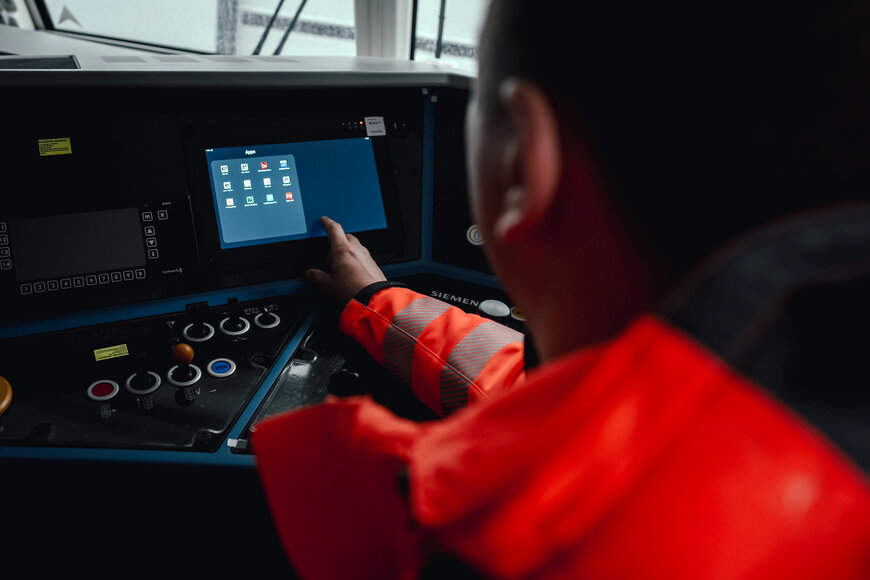
The digital infrastructure is built on the Siemens Xcelerator platform, which establishes a standardized open application programming interface (API) within the traction unit, supporting the direct integration of third-party operational software into the vehicle control system. Key technology components installed in the driver's cab include: an 11.6-inch central user interface hardware display that aggregates real-time telematics data, route logistics, and diagnostic information; an embedded operating system application layer that hosts edge applications for mission planning and operational coordination; and a data transmission connection module that provides near-real-time telematics to ground monitoring stations. The software configuration uses a mirroring protocol to directly connect external mobile computing devices to the main driver's cab display, thereby reducing the operator's need for auxiliary hardware.
Operational data captured by locomotive sensors is transmitted to a specialized maintenance facility in Munich-Allach, where prescriptive analytics software links onboard diagnostics with depot management systems. The integration of data streams enables targeted maintenance workflows: control software allows remote activation of locomotive systems for pre-service diagnostics and fluid preheating before the driver arrives; predictive algorithms process temperature, vibration, and electrical telemetry data to detect component degradation before operational failures occur; diagnostic anomalies trigger automatic spare parts allocation and repair scheduling in the workshop management database. The updated workshop infrastructure in Munich-Allach, featuring fully paperless documentation and digitally tracked assets, can manage up to 80 major overhauls and structural repairs annually.
By shifting from fixed-interval maintenance plans to predictive, condition-based maintenance services, operators can reduce unplanned downtime and optimize fleet deployment. Standardized software interfaces ensure that the mechanical platform remains compatible with evolving European Train Control Systems and local digital signaling standards throughout its lifecycle.
This article is compiled by Wedoany. All AI citations must indicate the source as "Wedoany". If there is any infringement or other issues, please notify us promptly, and we will modify or delete it accordingly. Email: news@wedoany.com
Related Products




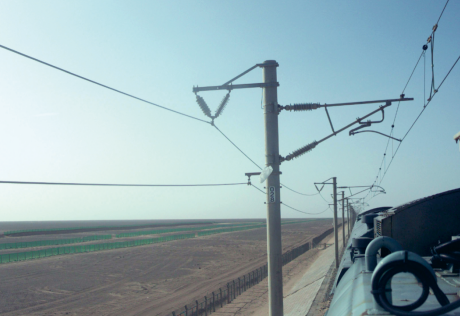
Pantograph-Catenary Comprehensive Detection Device (1C)
CHENGDU TANGYUAN ELECTRIC CO., LTD.
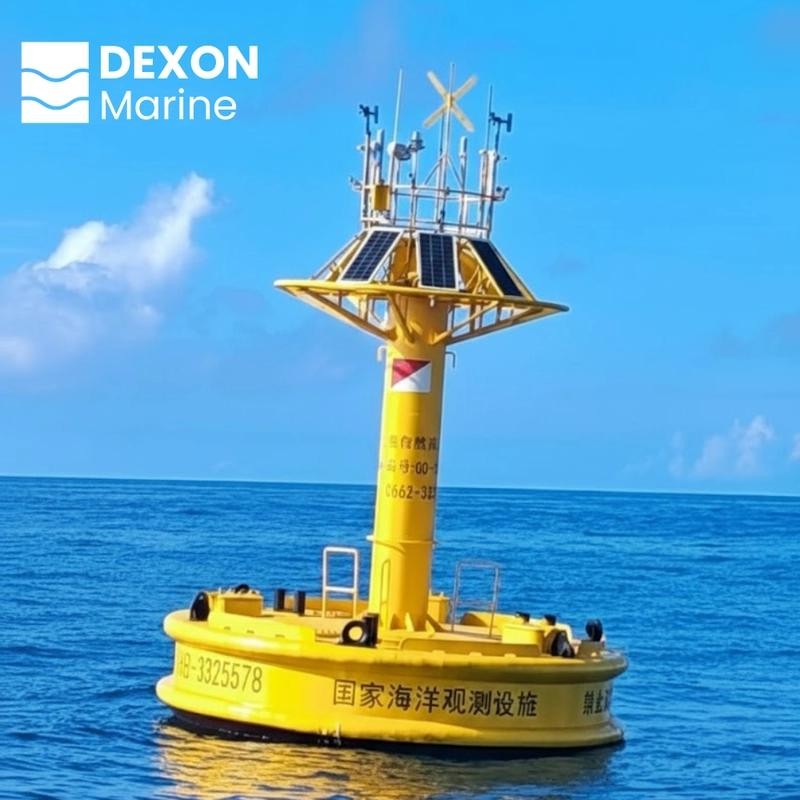
3m intelligent buoy combining navigation safety and real-time marine monitoring integrated navigation and marine monitoring system for real-time maritime data
Chengdu Dixin Technology Co., Ltd.