Prologis and PragmaCharge Develop 48-Bay Electric Truck Charging Center in Spain, Completion Expected in Q1 2027
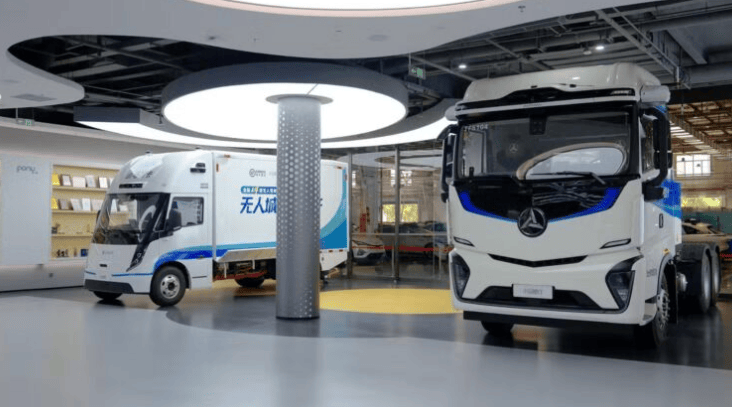
en.Wedoany.com Reported - According to data from the European Automobile Manufacturers Association, in 2025, electric trucks weighing over 3.5 tons accounted for 4.2% of the European heavy and medium-duty vehicle market, nearly doubling from 2.3% in 2024.
This market trend is driving demand for new charging infrastructure, with a particular focus on the logistics market, which holds the greatest potential for the electrification of heavy-duty transport. Initial investments are expected to concentrate on semi-public sites near logistics centers and major industrial and logistics hubs, where transport activity, land availability, and grid access converge.
Prologis and PragmaCharge have initiated the development of an electric truck charging center at Mercavalència, near the Port of Valencia. Once fully operational, the center will be capable of charging up to 48 trucks simultaneously, with the project scheduled for completion in the first quarter of 2027.
The charging center will combine Prologis' expertise in logistics warehousing and energy infrastructure development with PragmaCharge's specialization in heavy fleet electrification. Prologis will develop and own the infrastructure, while PragmaCharge will lease and operate the center as part of its "Electric Truck-as-a-Service" offering, which already serves contracted customers in the region.
Spanning 12,500 square meters and currently under construction, the center will be developed in two phases. The first phase will feature 14 high-power charging points, expected to be operational in the third quarter of 2026; the second phase will expand the number of charging points to 48.
The new facility will help accelerate the electrification of heavy-duty transport fleets in one of Spain's key logistics hubs, adding strategic charging infrastructure to serve local, regional, and long-haul transport routes.
The facility will be equipped with dedicated vehicle charging zones, a 4 MW secure grid connection, and PragmaCharge's dynamic charging management software, enabling it to simultaneously meet the needs of dedicated fleets and public charging for heavy-duty transport.
This article is compiled by Wedoany. All AI citations must indicate the source as "Wedoany". If there is any infringement or other issues, please notify us promptly, and we will modify or delete it accordingly. Email: news@wedoany.com