Toyota and Honda Sales in China Plunge in May 2026, Yet Japanese Automakers Grow More Dependent on Chinese Supply Chain
en.Wedoany.com Reported - Japanese auto brands are facing a continuous downturn in the Chinese market. As of May 2026, Toyota's vehicle sales in China have declined for four consecutive months, while Honda's sales have nearly halved year-on-year. However, the shrinking Japanese auto industry has not chosen to withdraw; instead, it is actively "binding" itself to China on a deeper level, from sourcing Chinese components and developing new energy vehicles (NEVs) in China to exporting "Made in China" cars globally. Industry analysts believe that facing the irreversible wave of electrification, Japanese automakers are caught in a structural crisis: unable to win in localized product competition, yet unable to break free from the cost and technological advantages of the Chinese supply chain.
In the past, joint venture brands long dominated China's auto market, but this landscape is rapidly shifting. Multiple data sources show that since 2026, the market share of joint venture brands has continued to shrink, with Japanese brands experiencing the most pronounced decline. Many 4S dealerships have put up eye-catching discount banners, yet their showrooms remain nearly empty. A sales manager at one 4S dealership noted that previously, popular Toyota and Honda models required waiting in line, but now customers head straight for NEV displays and frequently compare Chinese brands like BYD, XPeng, and NIO.
Market data confirms this trend. According to the *Nikkei*, Toyota sold 102,300 vehicles in May, down 32% year-on-year, marking four consecutive months of decline; Honda sold only 28,300 vehicles in May, nearly halving year-on-year. Honda admitted that besides the impact of rising oil prices, a more critical issue is its internal product structure, with over 90% of its current models still being gasoline-powered vehicles. Chinese auto expert Jia Xinguang pointed out that the decline of Japanese cars in China is a multi-year trend, rooted in path dependency—approximately 70% of the technological accumulation from the engine-transmission-centric mature supply chain cannot be reused in the electrification era. Data provided by Jia Xinguang shows that the market share of Japanese cars in China fell from a peak of 23.1% in 2020 to 9.67% in 2025, while Chinese brand cars accounted for 69.5% of the domestic market during the same period.
The structural challenges facing Japan's auto industry are not limited to the Chinese market. *The Economist* believes that Japan's auto industry is facing its most severe structural crisis in decades. In the European market, Japanese brands hold a total share of 12.6%, but their EV share is only 4.6%. Analysts point out that the powertrain systems developed by Japanese automakers in their home market have little alignment with European market demand. Yahoo Finance cited analysis from David Bailey, Professor of Business Economics at Birmingham Business School, stating that Japanese brands achieved great success in an era where reliability was a key competitive advantage, but as product quality across the global industry improves, this advantage is no longer as pronounced. Additionally, according to the *Nikkei* on the 10th, BYD conducted 200 software updates (OTA) in 2025, while Toyota conducted only 8 and Volkswagen 5, highlighting a significant gap in OTA frequency between Chinese and foreign companies.
A seemingly contradictory phenomenon is occurring: against the backdrop of declining sales, Japan's auto industry is instead binding itself more deeply to China. In June this year, Nissan announced that its Sunderland plant in the UK will begin contract manufacturing vehicles for Chinese auto brands from fiscal year 2027, and launched a "From China" export strategy at the Philippine International Motor Show, exporting multiple "Made in China" Nissan NEVs to Southeast Asia, Central and South America, and even Canada. Currently, Nissan has positioned China as its second-largest export base after Japan. Jia Xinguang analyzed that some Japanese brands experiencing sales declines in China are actually unable to do without the Chinese market and supply chain, proposing a strategy of "In China, for China, to the World," aiming to leverage the technological and cost advantages of China's supply chain to export globally. Earlier this year at the *Financial Times* Future of the Car Summit, Nissan CEO Makoto Uchida stated that competition from Chinese companies is intensifying, and given the company's current scale, the previous model of heavily investing in specific European products is no longer sustainable.
According to the *Nikkei*, as of May 2026, Japanese auto giants like Toyota have been regularly sourcing most of their auto parts from Chinese suppliers. Nearly 90% of the components for a pure electric SUV launched by Toyota in China come from Chinese suppliers, and Nissan's pure electric sedan developed in China has also significantly increased its procurement of Chinese components. Data provided by Jia Xinguang shows that in 2022, the price gap between BYD and Toyota and Nissan's pure electric models was approximately 86,000 yuan and 129,000 yuan respectively; by 2025, the price gap between Japanese EVs using Chinese technology and Chinese brand cars had narrowed to within about 10,000 yuan.
Facing drastic changes in the Chinese market, Japan's auto industry is seeking new growth engines globally. *Nikkei Business* recently noted that India is seen as one of the most likely answers. Taku Takizawa, Managing Director of Boston Consulting Group, stated that India's auto market is growing at an average annual rate of about 9%, with the market size expected to exceed 5.5 million vehicles by 2030. However, Jia Xinguang dismissed the possibility of a "China replacement." He pointed out that India's domestic market landscape is already entrenched, its business environment is far less stable than China's, its industrial supporting infrastructure is weak, power supply is unstable, the localization rate of the three-electric system is below 15%, and its market size is less than a quarter of China's. Although Toyota has expressed plans to increase investment in India and Africa, according to the latest fiscal year plan, its market focus remains the United States, Japan, and China. Jia Xinguang believes that the real way out is not to find an alternative market, but to redefine the role under the premise of "being unable to do without China." Some European automakers have already attempted to exchange production capacity and market access for China's new energy vehicle technology. He stated that if Japanese automakers can further lower their stance and deeply integrate into China's technology and supply chain ecosystem, they still have a chance to find their place; conversely, if they stubbornly cling to the illusion of "finding a replacement," they will only miss the final window of opportunity.
This article is compiled by Wedoany. All AI citations must indicate the source as "Wedoany". If there is any infringement or other issues, please notify us promptly, and we will modify or delete it accordingly. Email: news@wedoany.com
Related Products

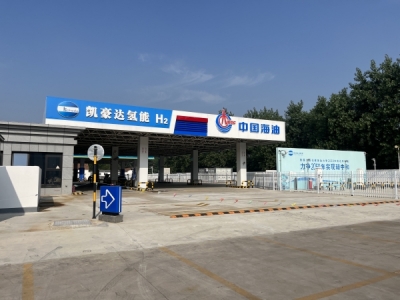
Hydrogen production and hydrogenation charging refueling gas integrated energy station
Shenzhen Kohodo Hydrogen Energy Co., Ltd.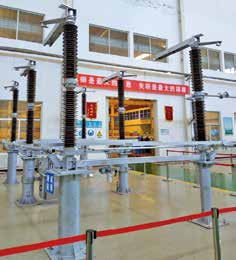
GW4-40.5/72.5/126/145/170/252/363/420 Series Double-column Horizontal Rotary High-voltage AC Disconnect Switch
SHANDONG TAIKAI DISCONNECTORS CO., LTD.
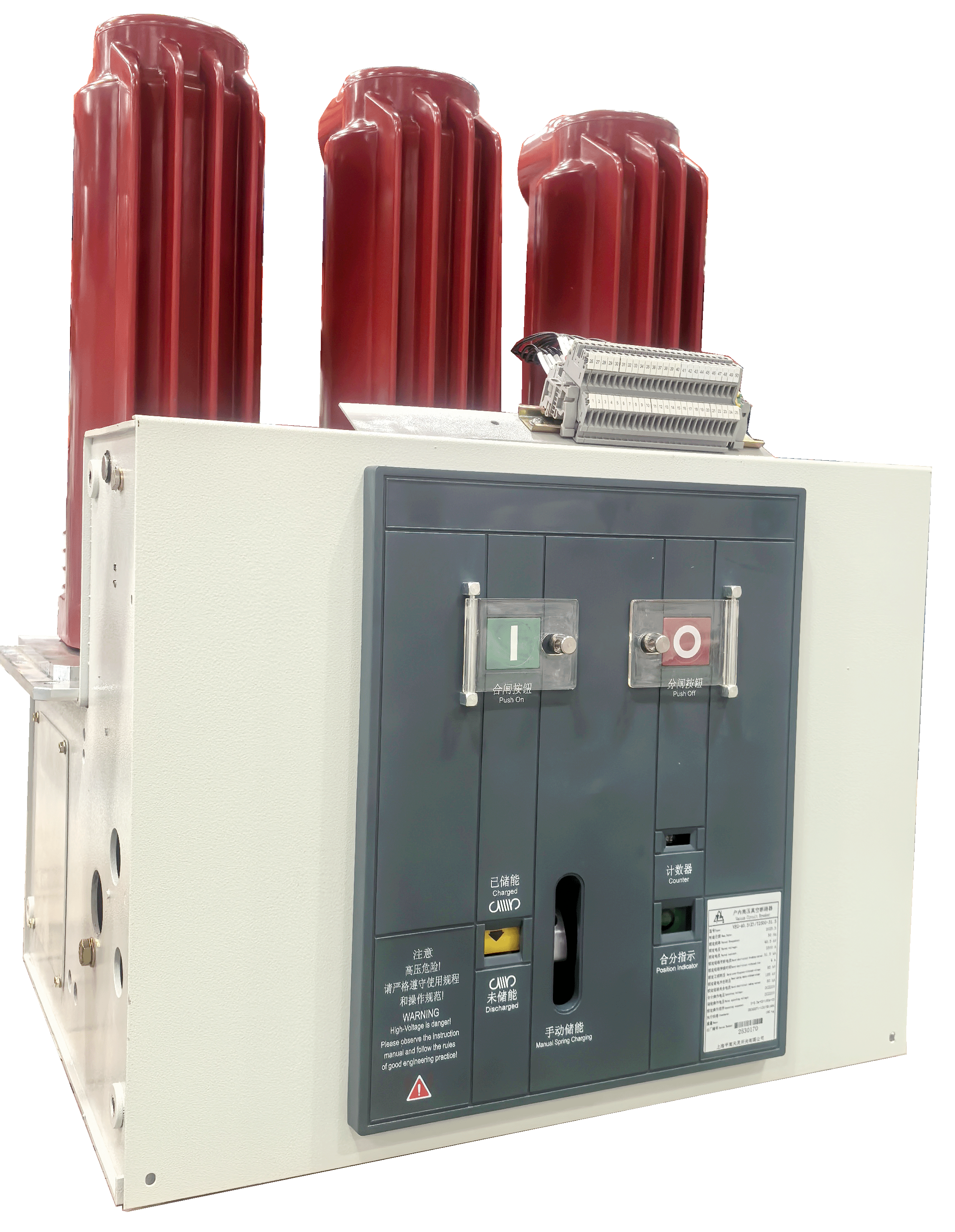
VEG-12/24/40.5 Series Vacuum Circuit Breaker
SHANGHAI PINGGAO TIANLING SWITCHGEAR CO., LTD.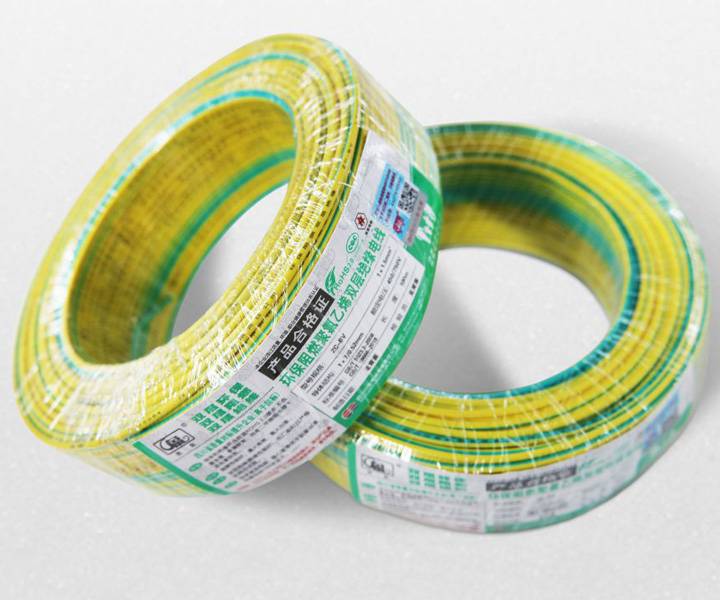
Environmentally Friendly Flame-retardant PVC Double-layer Insulated Wire
Sichuan Chndo Cable Co., Ltd.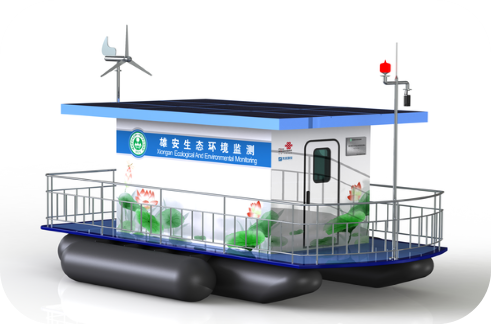
Floating Boat Water Quality Automatic Monitoring System
Hebei Sailhero Environmental Protection High-tech Co., Ltd.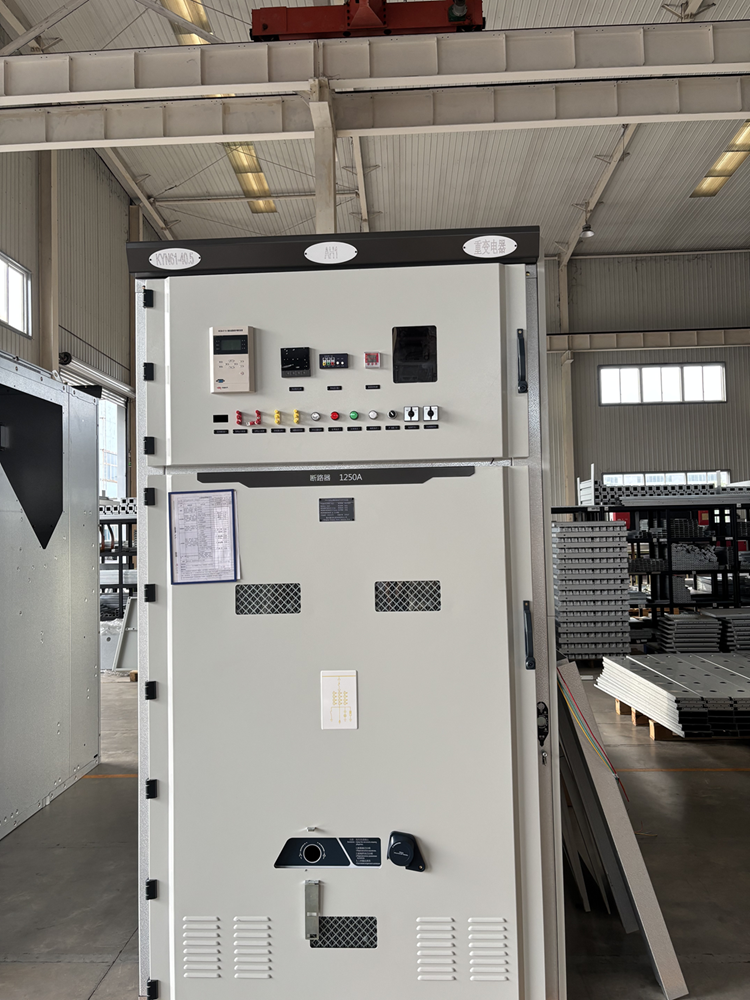
KYN61-40.5 Indoor AC Metal-clad Removable Switchgear
Chongqing Transformer Co., Ltd.