Liberian Government Secures $50 Million to Advance National Digital Connectivity Project
en.Wedoany.com Reported - On June 11, the Liberian government signed a $125 million financing agreement with the World Bank, of which $50 million will be used for the implementation of the second phase of the West African Regional Digital Integration Program (WARDIP 2) in Liberia. The funds will support the expansion of broadband access, enhancement of digital connectivity capabilities, cybersecurity, digital governance, e-commerce, and digital payment systems, helping more youth, businesses, and public institutions enter the digital economy.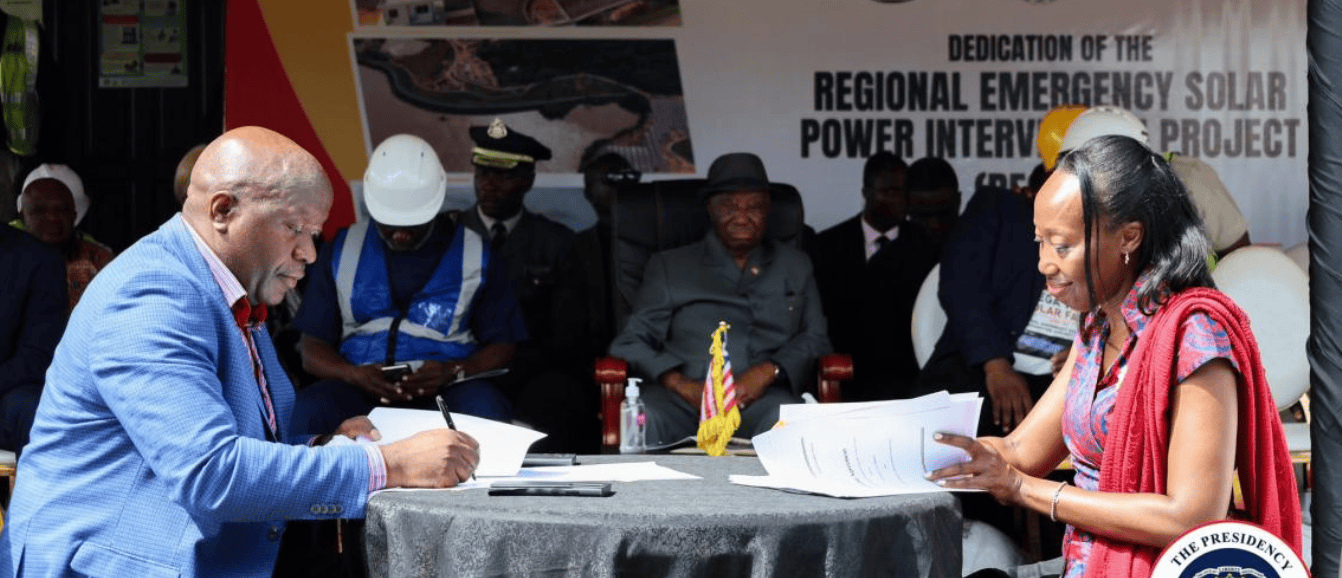
Although this funding is part of a broader infrastructure financing package, the digital connectivity component specifically targets Liberia's most pressing communication shortcomings. The country still faces issues such as uneven broadband coverage, high internet costs, insufficient public digital service capacity, and a weak foundation for small and medium-sized enterprises (SMEs) to go online. With the $50 million allocated to WARDIP 2, the focus is not only on building networks but also on ensuring that networks can support government services, commerce, payments, and innovation and entrepreneurship activities.
Liberia's past digital bottlenecks have stemmed from both infrastructure issues and institutional and application ecosystem problems. The lack of stable broadband in remote areas limits access to online services for schools, hospitals, government service points, and small businesses; insufficient cybersecurity and digital governance capabilities affect the credibility of e-government, digital payments, and public data systems. The new financing places broadband, cybersecurity, digital governance, innovation and entrepreneurship, and payment systems within the same framework, indicating that Liberia's digital construction is shifting from point-to-point connectivity to building a more comprehensive digital economy foundation.
WARDIP 2 has a regional dimension. It is not about Liberia building a closed system in isolation, but rather serving the broader digital integration of West Africa. Broadband interconnection, cross-border digital services, e-commerce, digital identity, payment systems, and regulatory coordination all require gradual alignment of infrastructure and rules between countries. By participating in this program, Liberia has the opportunity to connect its domestic market to a larger West African digital service network, lowering barriers for cross-border business operations and creating conditions for local entrepreneurs to enter regional markets.
For ordinary users, the most direct changes may come from improved broadband availability and expanded reach of digital services. With better network coverage, more households and small businesses can access online education, remote work, e-government, mobile payments, and online trading platforms. For the youth, digital connectivity is not just about internet speed; it also relates to opportunities for remote training, freelancing, cross-border e-commerce, software outsourcing, and digital content production. If Liberia can combine network expansion with entrepreneurial support, digitalization will not just be a government project but will become a tool for job creation and small business growth.
Industrial chain opportunities will also emerge. Broadband expansion requires support from fiber optic networks, transmission equipment, base station backhaul, routing and switching, data centers, network operations and maintenance, and terminal access devices; digital governance and cybersecurity construction will generate demand for government clouds, identity authentication, security monitoring, data protection, emergency response, and public service platforms; the development of e-commerce and digital payments will drive the construction of payment gateways, merchant tools, mobile wallets, credit assessment, and SME management software. For information and communication technology (ICT) companies, such projects are not about single equipment procurement but represent continuous demand from basic networks to platform services.
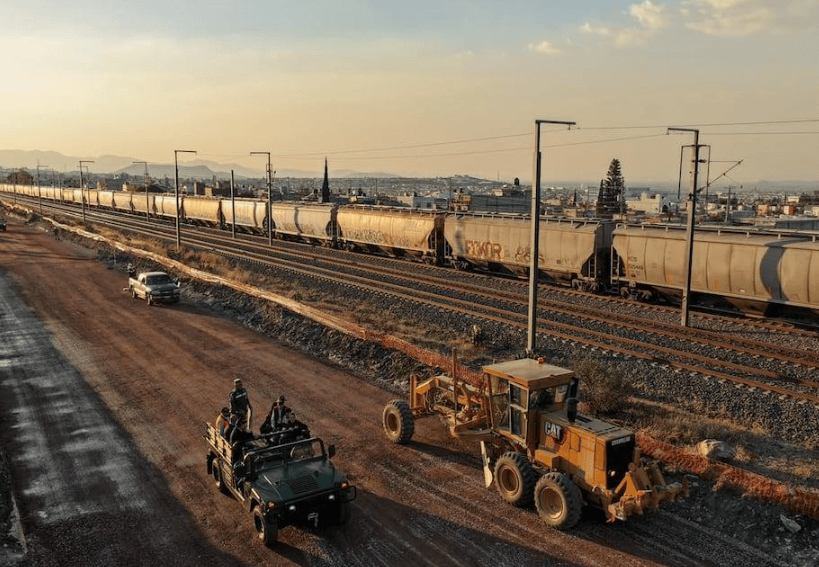
The financing structure also reflects Liberia's integration of digitalization with energy and transportation as part of its development foundation. The concurrent agreements also include energy and road projects, indicating that the government aims to improve economic operating conditions through enhanced power reliability, road connectivity, and digital networks. Digital connectivity cannot do without stable electricity, and e-commerce and logistics cannot do without roads. If these three types of infrastructure are advanced simultaneously, they are more likely to generate tangible economic results than building communication networks alone.
Key milestones ahead will focus on the implementation list of the $50 million digital project, arrangements for broadband coverage areas, progress in building cybersecurity and digital governance platforms, and whether e-commerce and digital payments can truly reach SMEs and grassroots public service scenarios. If implementation proceeds smoothly, Liberia will leverage WARDIP 2 to address its digital infrastructure shortcomings and secure a clearer position in West Africa's regional digital integration. For the local ICT industry, this will bring a sustained wave of construction demand for broadband networks, government platforms, payment systems, and the digital entrepreneurship ecosystem.
This article is compiled by Wedoany. All AI citations must indicate the source as "Wedoany". If there is any infringement or other issues, please notify us promptly, and we will modify or delete it accordingly. Email: news@wedoany.com
Related Products



20 Inch 1600*900 Full HD 60Hz TFT LED Monitor with VGA and DP Interfaces for Desktop Computers-Business Use
Guangzhou Zanying Optoelectronics Technology Co., Ltd.
MUX Series Communication Interface Device for Security and Stability Control System
Nanjing NR Electric Co., Ltd.
Mine Explosion-proof and Intrinsically Safe Industrial Ethernet Ring Network (10 Gigabit/Gigabit)
Chongqing Mas Sci&Tech Co., Ltd.
TWP16 P-Band Tropospheric Wind Profile Radar
China Huayun Meteorological Technology Group Co., Ltd.

Industrial and Commercial Point-Type Gas Detector
Jinan Benan Technology Development Co., Ltd.