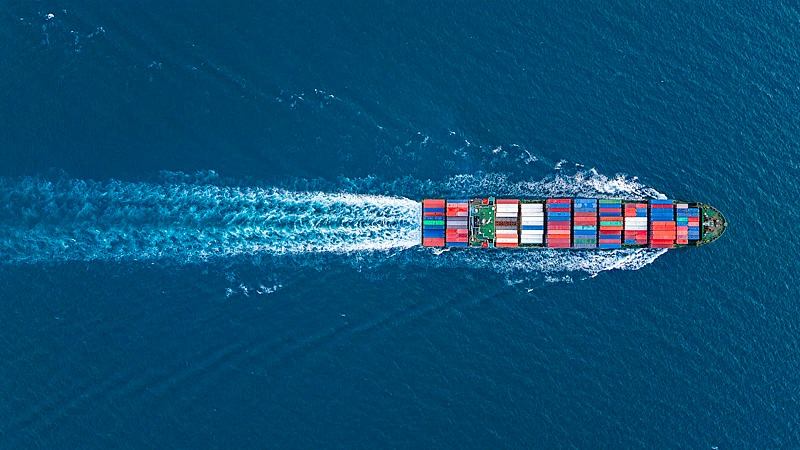
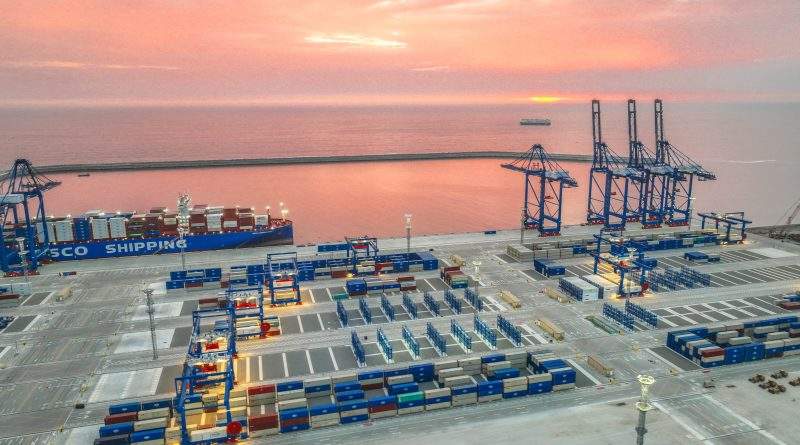
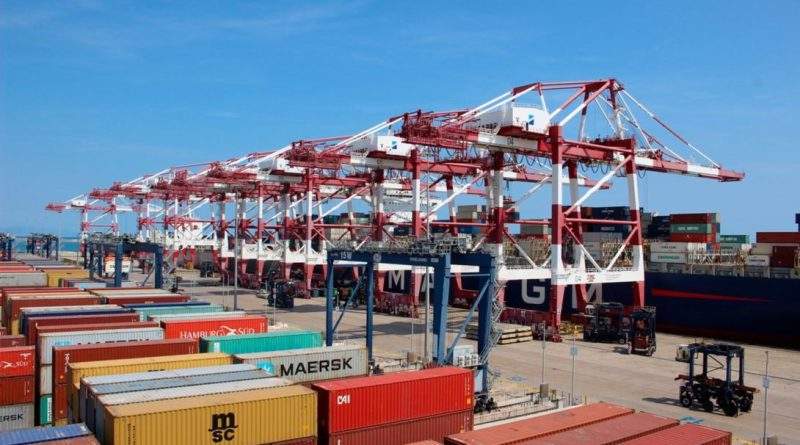
en.Wedoany.com Reported - The outflow of cotton exports from western Bahia, Brazil, has increased 14.5 times over three harvest seasons. The volume of lint exported through the container terminal at the Port of Salvador jumped from 545 containers in the 2022/23 harvest to 7,914 containers in the 2025/2026 harvest, an increase of over 1,350%. Bangladesh led imports with 2,315 containers, followed by China with 1,240 containers, making these two countries the main buyers of Bahia cotton.
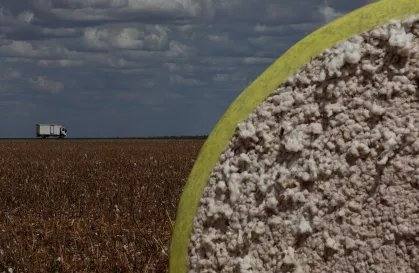
In the 2025/2026 harvest, Bahia planted 417,900 hectares of cotton, solidifying its position as Brazil's second-largest cotton-producing state, behind only Mato Grosso. This production growth has helped Brazil consolidate its leading position in global fiber supply.
The sharp increase in exports has brought significant challenges. Sergio Pitt, a cotton producer in western Bahia, noted that while soil management, biotechnology, and the region's well-distributed climate—rainfall during the growing season and strict drought during the boll opening period—ensure consecutive record yields, final profitability is eroded before entering farm cash flow. "Costs are eating away at yield gains. Today, the biggest impacts are interest rates, taxes, and fertilizers. Logistics are also heavy, with freight costs rising as fuel prices increase," Pitt said. Brazil has one of the best production costs in the world, but lacks clear parity policy incentives like those in the United States, India, and China.
Over the past two years, the greatest cost pressure has come from fertilizers, with Brazil's external dependence on fertilizers exceeding 90% in some cases. International geopolitical tensions have made the supply of essential nutrients expensive. The domestic economic situation has also added cost pressure, with the country's benchmark interest rate at 14.5%. Logistics represent another bottleneck; export volumes have grown 14-fold, but transportation infrastructure has failed to keep pace. At the final stage, outflows depend on port operators such as Wilson Sons, 3ALOG, and TPC, which manage a container loading capacity of 167 units per day.
In the short term, tax reform is a major concern. Pitt warned that producers currently pay three taxes on agricultural activity income—Funrural, SAD, and Senar; under the reform, the first phase will retain these three taxes and add a Contribution on Goods and Services (CBS) at a rate of up to 11%, creating additional tax pressure.
To maintain the competitiveness of lint in overseas markets, the industry is heavily investing in quality improvement. The Bahia Cotton Producers Association (Abapa) inaugurated an expansion of its fiber analysis center in Luís Eduardo Magalhães during the 20th Bahia Agricultural Show. The laboratory is considered the largest in Latin America for grading lint by HVI, with cumulative investments of 120 million reais, covering 5,200 square meters, and processing capacity jumping from 34,000 to 70,000 samples per day. This harvest season is expected to reach 5 million test samples in 24-hour, seven-day-a-week operations.
Against a backdrop of squeezed profits and technological expansion, electricity costs are being reassessed. Neoenergia has launched a commercial campaign in western Bahia, targeting the entire cotton supply chain for migration to the free electricity market. In this contractual environment, industrial consumers are no longer bound by fixed rates from regulated distributors and can directly negotiate terms, volumes, and prices with suppliers. Companies that completed migration by last year achieved cost reductions of up to 30%. New entrants from the regulated market can expect electricity bill reductions of 10%. Leonardo Souza, Neoenergia's commercial manager, stated that the region has significant energy demand loads, and the company offers clients opportunities to reduce costs by 20% to 30%. The company has already migrated over 50 clients in the region, a process that takes 180 days, with five- to ten-year contracts ensuring cost predictability across multiple harvest seasons. Leonardo Souza clarified that the free system does not conflict with self-generation; producers can combine solar power generation with free market migration to achieve cost reductions.
Sustainability has become a key bargaining chip at the negotiating tables of major international trading companies. The electricity supplied by traders comes from the group's own assets, including 44 wind farms, as well as solar and hydroelectric complexes, with over 90% of its energy matrix based on renewable sources. This electricity comes with international renewable energy certificates, enabling producers and processing plants to demonstrate reductions in greenhouse gas emissions. In a global context where social and environmental traceability dominates consumption rules in sustainable fashion, proving that Bahia cotton is harvested and processed using clean electricity has become a powerful selling point.
Planting areas in western Bahia are expected to double in the coming years. Sergio Pitt commented that the region has accumulated extensive experience in varieties, management, and soil structure, which can mitigate climate issues and ensure more satisfactory average yields, somewhat balancing the increase in costs.
This article is compiled by Wedoany. All AI citations must indicate the source as "Wedoany". If there is any infringement or other issues, please notify us promptly, and we will modify or delete it accordingly. Email: news@wedoany.com