QueensWay Park in Queens, New York, Breaks Ground with $43 Million in Funding
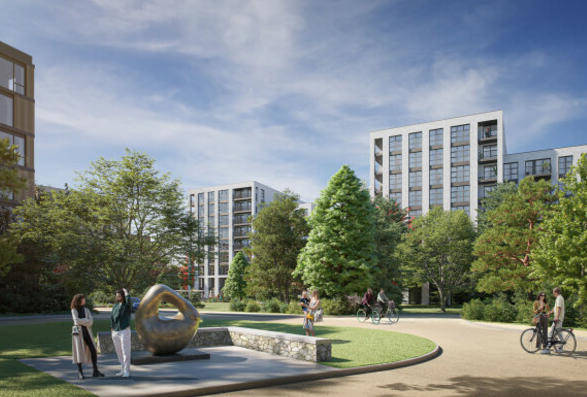
en.Wedoany.com Reported - In Queens, New York, a long-standing dispute over the fate of an abandoned railway—whether to turn it into a park or restore rail service—has persisted for years, with the new mayor now setting a clear policy direction. The track, part of the Long Island Rail Road's Rockaway Beach Branch, has been out of service since 1962. Some community members hope to transform it into a 3.5-mile linear park called QueensWay, while others advocate for restoring rail service to ease commuting pressures.
Travis Terry, a resident of Forest Hills, Queens, has been a long-time supporter of the QueensWay project. Since 2011, he has championed converting the railway into a 47-acre, 3.5-mile-long park, arguing that the abandoned track has become a "blight" plagued by illegal dumping. Meanwhile, Andrew Lynch proposed a compromise in 2016—QueensLink—which aims to extend the M subway line while also creating 33 acres of parkland.
This debate reflects a broader challenge faced by other U.S. cities in repurposing such infrastructure. Nationwide, over 25,000 miles of rail have been converted into recreational trails. Atlanta's Beltline is one of the most prominent examples, featuring a 22-mile loop of trails and parks, though its light rail plans have been shelved.
Currently, New York City is advancing several major transit projects, including a $5.5 billion investment in the Interborough Express connecting Queens and Brooklyn, and a $7.7 billion project for the Second Avenue Subway Phase II in Manhattan. In Queens, a higher proportion of residents commute by car compared to other boroughs, and the borough's population has been steadily growing since the pandemic.
Mayor Zohran Mamdani has included $43 million in his $124.7 billion annual budget to advance the QueensWay park project. The Trust for Public Land, a nonprofit supporting QueensWay, says the project will promote equity by serving four of the 20 communities with the least access to parks, and will improve recreational opportunities for children at 28 schools along the rail corridor. However, QueensLink supporters have expressed dissatisfaction with this decision. City officials say funding the park does not preclude the possibility of building a subway line in the future.
Phase one of QueensWay is scheduled to break ground later this year, creating a 5-acre linear park. Phase two was originally set to be supported by a $117 million federal grant from the "Reconnecting Communities" program, but that funding was canceled after Congress passed the "Big and Beautiful Act."
The two sides are sharply divided over key data on costs and ridership. A 2019 MTA report estimated that the QueensLink rail line would cost $8.1 billion, later revised to $5.9 billion, with daily ridership of about 39,000, deeming it costly and serving relatively few passengers. QueensLink supporters, however, hired a consulting firm that estimated the cost at around $3.5 billion. A New York University report estimated daily ridership at about 75,000, potentially removing about 14,800 cars from the road each day. In contrast, park supporters have pegged the cost of QueensWay at around $350 million.
Eric Goldwyn, a transit project cost expert at NYU's Marron Institute, believes QueensLink may not significantly boost ridership but would help increase capacity for busy trains along Queens Boulevard. He notes that QueensLink was originally envisioned as a coordinated rail-and-park project, but with the early progress of QueensWay, the envisioned QueensLink plan will face greater implementation challenges.
This article is compiled by Wedoany. All AI citations must indicate the source as "Wedoany". If there is any infringement or other issues, please notify us promptly, and we will modify or delete it accordingly. Email: news@wedoany.com
Related Products


Wheel and Track Technology Business
Beijing Research & Design Institute of Rubber Industry Co., Ltd.

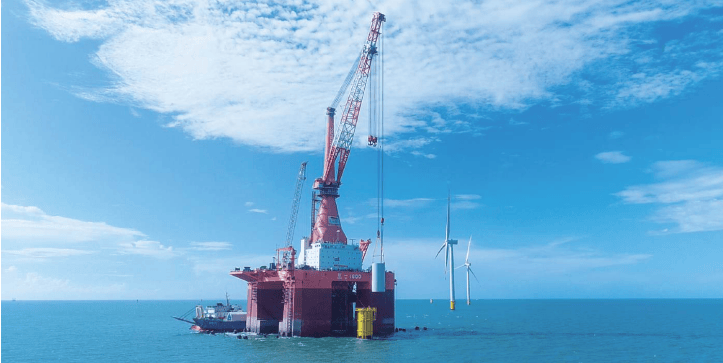
"Shunyi 1600" Deep-submerging Bottom-sitting Multi-functional Wind Power Engineering Vessel
Zhengli Offshore Engineering Co., Ltd.
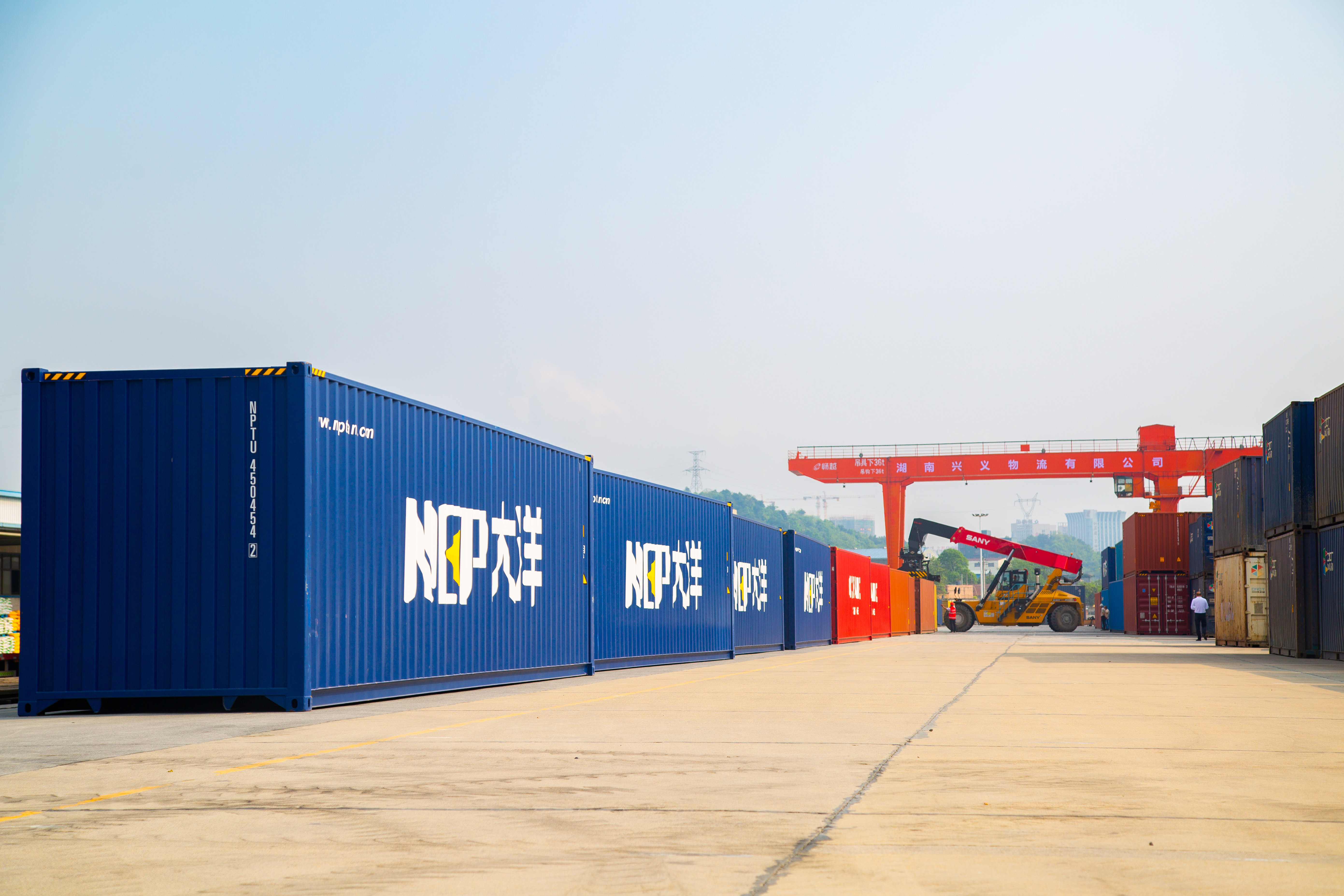
China - Alashankou/Khorgos - Europe Full Range Transportation (Mala/Hamburg/Duisburg/Budapest, etc.)
Shenzhen Neptune Logistics Co., Ltd.
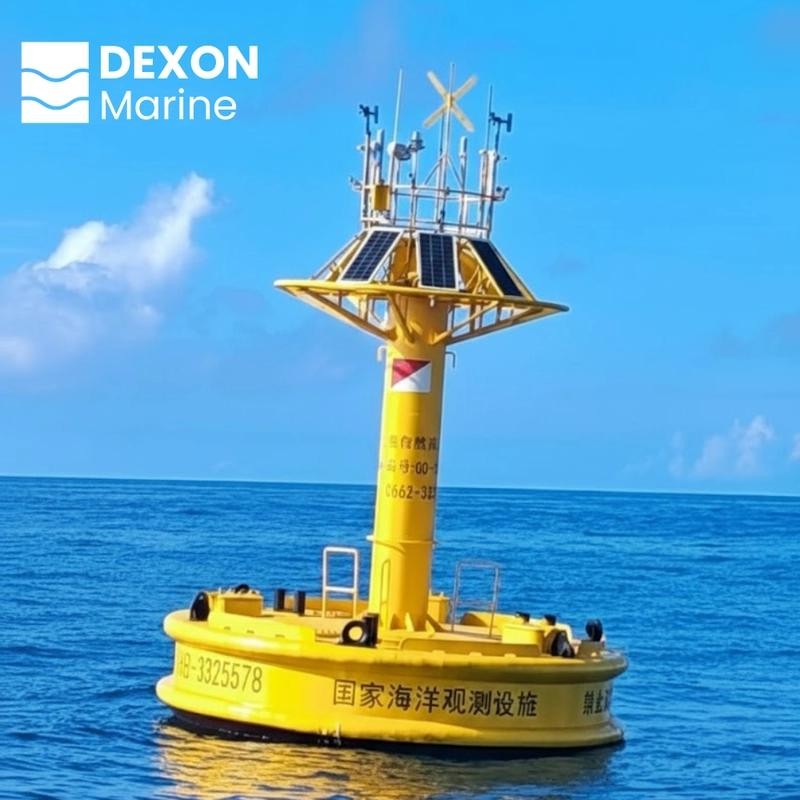
3m intelligent buoy combining navigation safety and real-time marine monitoring integrated navigation and marine monitoring system for real-time maritime data
Chengdu Dixin Technology Co., Ltd.