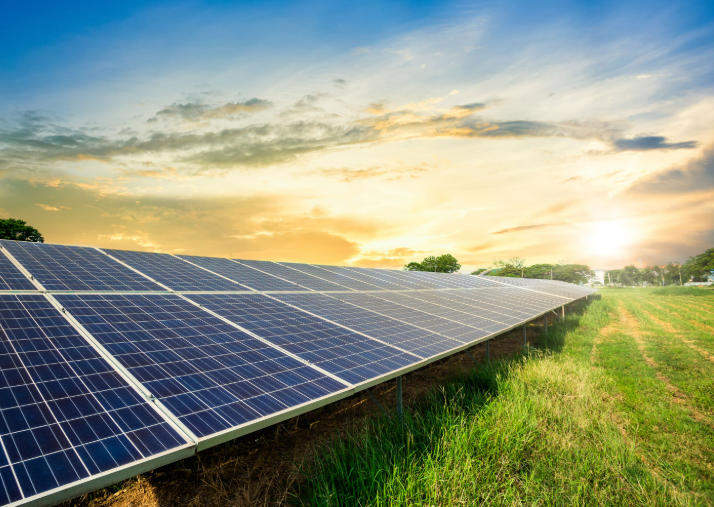
en.Wedoany.com Reported - In recent months, multiple solar-plus-storage hybrid projects in Australia have reached financial close and commenced construction, with some critical to large industrial users such as Rio Tinto's aluminum smelter in Gladstone, Queensland. However, a new tariff decision is casting a shadow over the country's solar development.
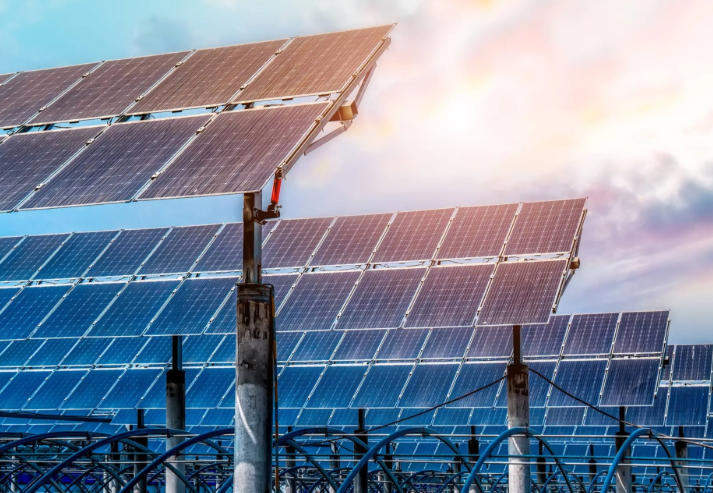
Australian Industry Minister Tim Ayres issued a decision on Friday to impose a 48% tariff on hollow steel pipes (including torque tubes used in solar module mounting) from China, Taiwan, Malaysia, and South Korea. This move, made at the request of domestic steel manufacturers, aims to protect the local industry.
According to industry sources, the ruling is retroactive to last September and could therefore affect thousands of megawatts of recently completed and upcoming projects. They stated that this will significantly increase project costs, adding greater uncertainty to Australia's goal of achieving 82% renewable energy by 2030—a target already under pressure due to a lack of investment, particularly in large-scale wind projects.
The steel industry, especially Bluescope, has long pushed for the tariff, claiming that imported steel pipes are sold in Australia below cost, harming the competitiveness of local businesses. Bluescope subsidiary and pipe manufacturer Orrcon argued that the goods in question underwent only minor modifications, such as drilling, to circumvent anti-dumping rules. The Anti-Dumping Commission appears to have accepted this view.
One industry insider noted that the ruling, intended to boost local steel demand, could be counterproductive as domestic production capacity is insufficient to supply the required products.
Russell Wilkinson of World Customs Consultants said the solar industry was caught off guard, having previously believed that partially modified products would not be affected. He told Renew Economy that the industry will grind to a halt until the issue is resolved, and an appeal could take months. He added that it remains unclear how the commission will enforce the tariff, with many unanswered questions.
Nextpower Australia, which is building a solar tracking system manufacturing plant locally and is a supplier of tracking systems and related technology, expressed concern over the ruling. Managing Director Peter Wheale stated that the cost of these tariffs will ultimately not be borne solely by manufacturers; the entire renewable energy pipeline—from developers and investors to consumers—will be affected. He called on the solar industry to focus on the impact of significantly higher costs on already financed and committed projects, as well as potential delays.
Wheale pointed out that this will increase the project financing risks that the government's Capacity Investment Scheme was intended to mitigate, dampening investment confidence. He emphasized that these are not speculative risks but direct, near-term consequences for projects currently underway, many of which cannot easily change specifications or re-procure without significant disruption and cost.
This article is compiled by Wedoany. All AI citations must indicate the source as "Wedoany". If there is any infringement or other issues, please notify us promptly, and we will modify or delete it accordingly. Email: news@wedoany.com