Trina Storage Signs 160MWh Energy Storage Project in Kyushu, Japan, to Be Commissioned in 2027
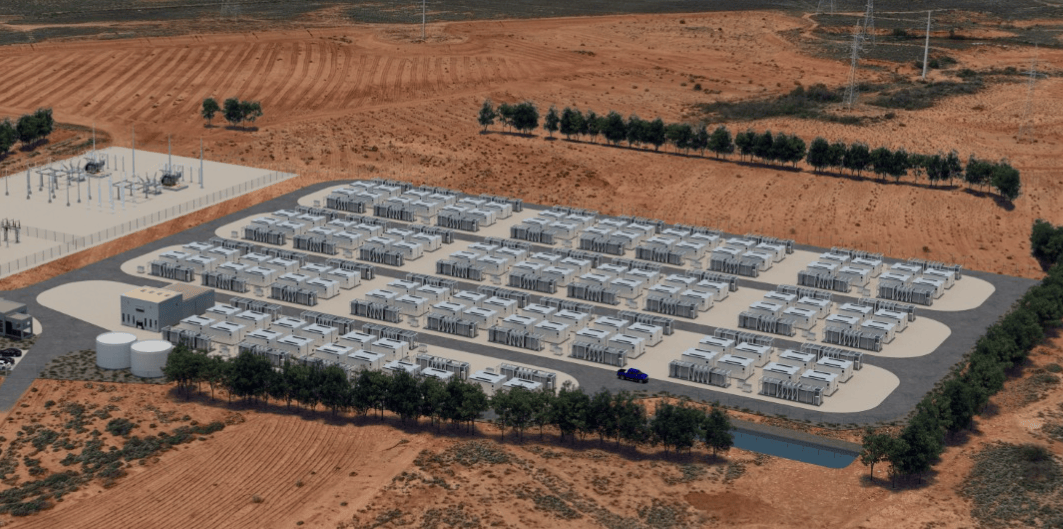
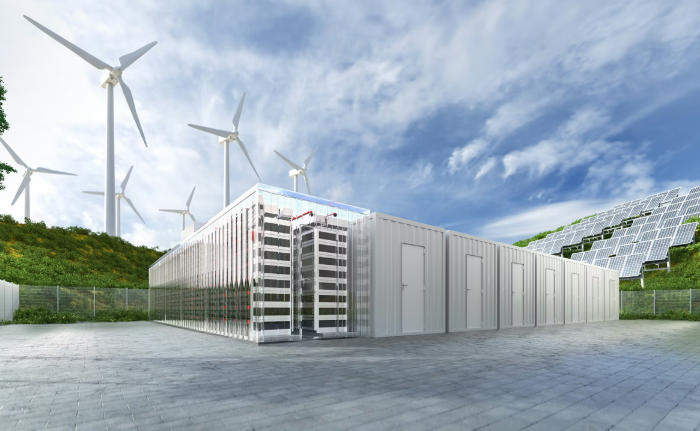
en.Wedoany.com Reported - Trina Storage has successfully signed a 160 MWh energy storage power station project in the Kyushu region of Japan. Equipment delivery is scheduled for 2026, with grid connection and commercial operation expected in 2027.
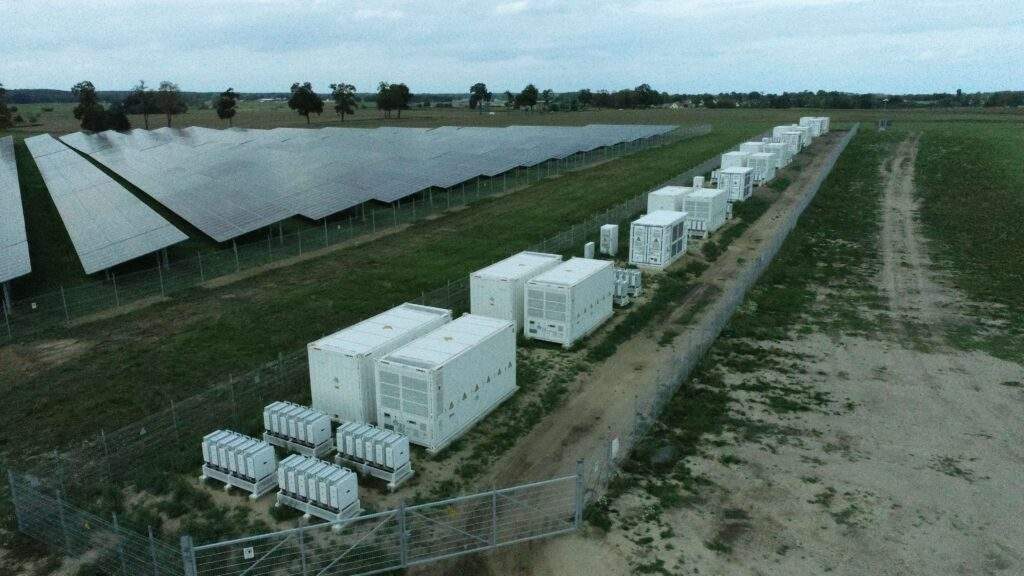
The project will adopt Trina Storage's self-developed Elementa 2 energy storage system, with a unit capacity of 5 MWh, equipped with its proprietary 314 Ah lithium iron phosphate battery cells. The Elementa 2 has obtained JIS8715-2R fire propagation certification, meeting Japan's stringent regulatory standards for grid-side energy storage projects.
Trina Storage's local team in Japan will lead project delivery, supported by the group's global engineering and system integration teams, providing comprehensive services covering technical consultation, system configuration, delivery coordination, and after-sales support.
Li Na, General Manager of Trina Solar Japan, stated that as the penetration rate of renewable energy increases, especially in regions like Kyushu, grid-scale energy storage is becoming a key component in ensuring the stable operation of power systems.
Meanwhile, at the recent PV EXPO 2026, Dr. Zhao Lu, Head of Energy Storage Business for Trina Solar Asia Pacific, unveiled the Elementa 3 Flex energy storage system for the first time. This product is a member of Trina Storage's new-generation Elementa 3 platform. The standard Elementa 3 is designed for large-scale grid-side projects, with a unit capacity of 6.25 MWh; the Elementa 3 Flex has been specially optimized for the Japanese market, with a unit capacity of 1.56 MWh, a footprint of approximately 5 square meters, and a transport weight of about 13 tons, suitable for standard truck transportation.
The Elementa 3 series is based on a unified technology platform architecture, maintaining consistency in safety, reliability, and intelligent management capabilities, aiming to meet the diverse needs of the Japanese market, from large-scale grid-side projects to distributed and space-constrained scenarios.
This article is compiled by Wedoany. All AI citations must indicate the source as "Wedoany". If there is any infringement or other issues, please notify us promptly, and we will modify or delete it accordingly. Email: news@wedoany.com
Related Products

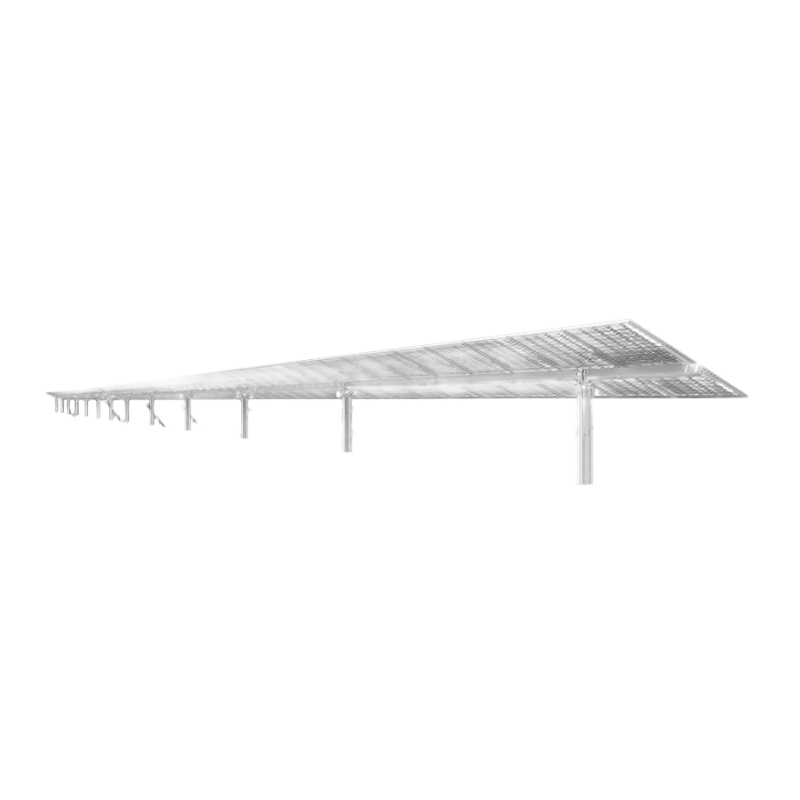
TAI Slew-drive Single-axis Independent 1P Tracking Bracket System
ANTAI TECHNOLOGY CO., LTD.
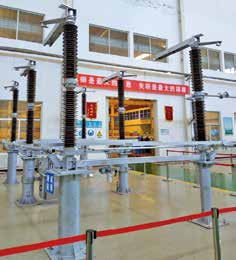
GW4-40.5/72.5/126/145/170/252/363/420 Series Double-column Horizontal Rotary High-voltage AC Disconnect Switch
SHANDONG TAIKAI DISCONNECTORS CO., LTD.
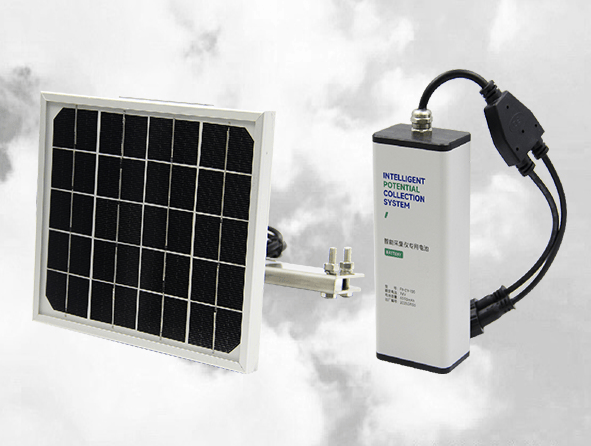
Inductive Power Harvesting Self-Powered Device - Safuneng
SELF ENERGY TECHNOLOGY (SHENZHEN) CO., LTD.
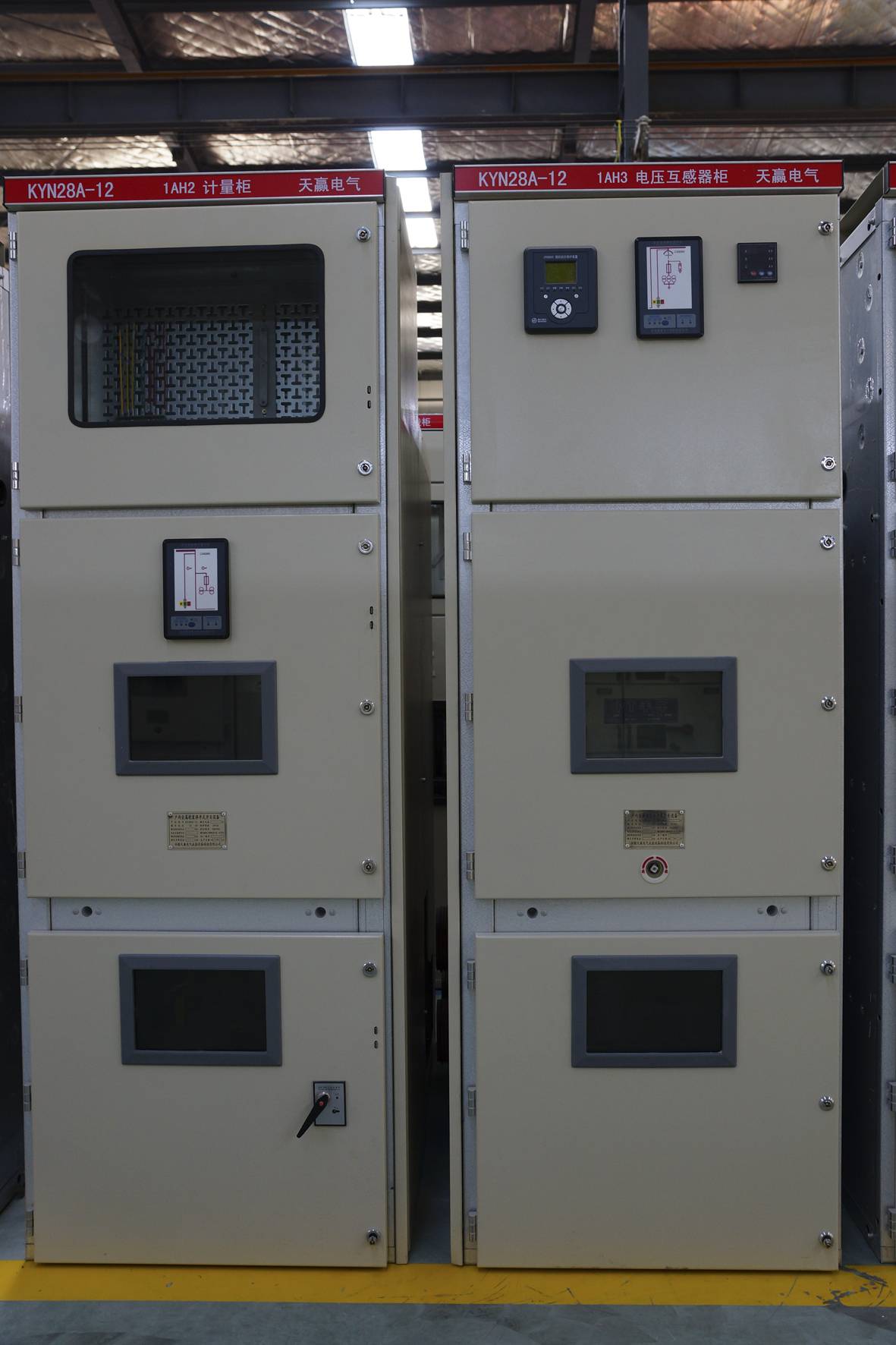
KYN28 - High Voltage Switchgear
Anhui Tianying Electrical Equipment Manufacturing Co., Ltd.
Hydraulic Turbine Genset
Dongfang Electric Corporation Dongfang Electric Machinery Co., Ltd.