Saharan Dust Levels Rise 10%-25% in a Decade, Threatening Spain's Solar Power
en.Wedoany.com Reported - A new study led by the Paul Scherrer Institute and supported by the National Centre for Atmospheric Science shows that more desert dust from North Africa is settling over Southern and Western Europe, posing a threat to solar power generation and public health.
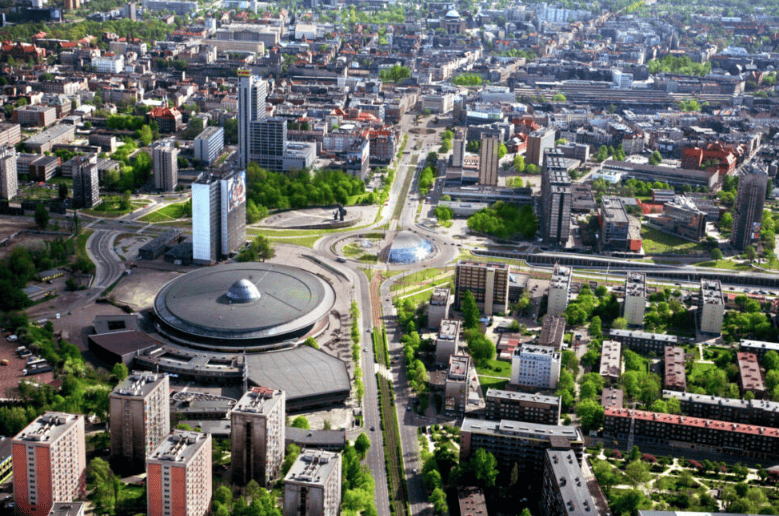
Desert dust concentrations are highest from Greece and Italy to Spain and Portugal, with western France also recording elevated levels as Saharan air moves over the Atlantic and turns northward. Average desert dust concentrations in Southern Europe reach 5.3 micrograms per cubic meter, more than double the 2.1 micrograms per cubic meter measured in central and northern regions. Over the past decade, concentrations have increased by about half a microgram per cubic meter, equivalent to a rise of 10% to 25%.
This increase is driven by the ongoing aridification of the Sahara Desert and changes in atmospheric circulation. The number of storms carrying dust into Europe has not risen, but the intensity of events has grown, transporting more material to the continent. Researchers warn that human-induced climate change could intensify this trend, as expanding arid regions create more conditions for dust uplift and transport.
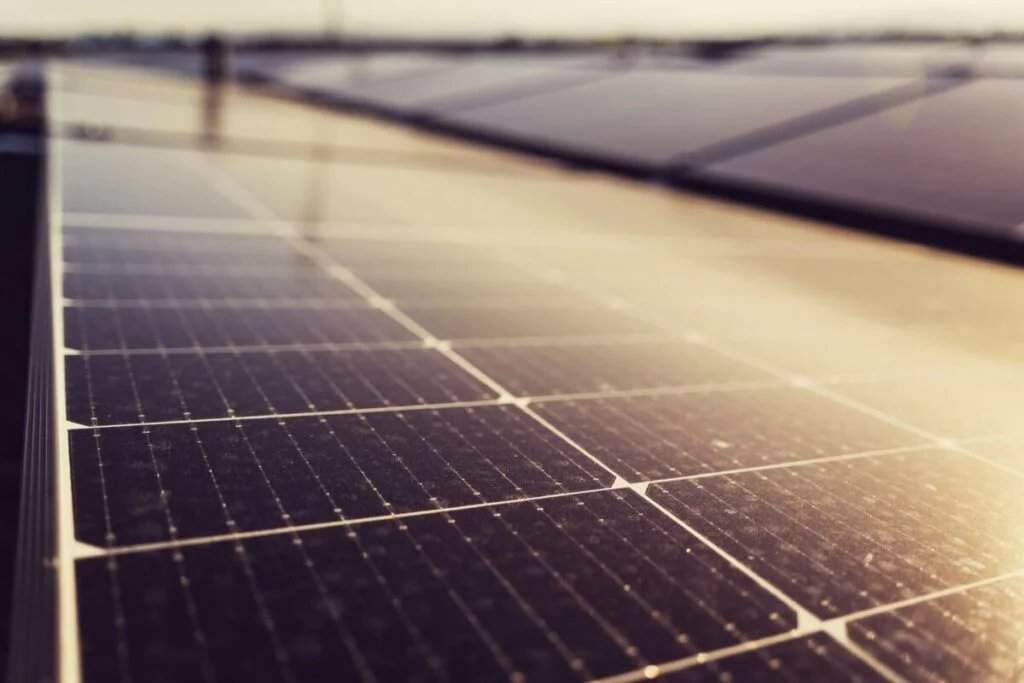
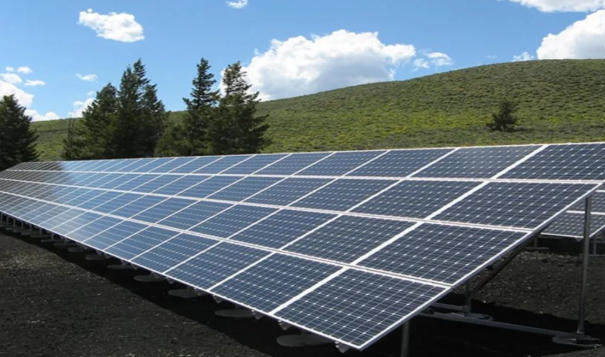
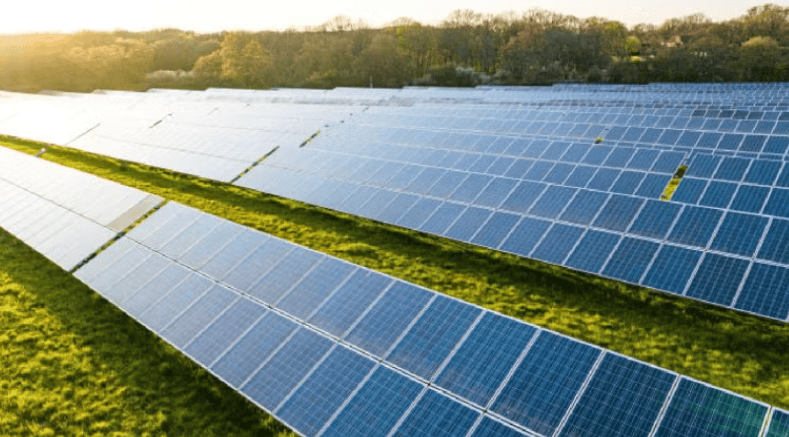
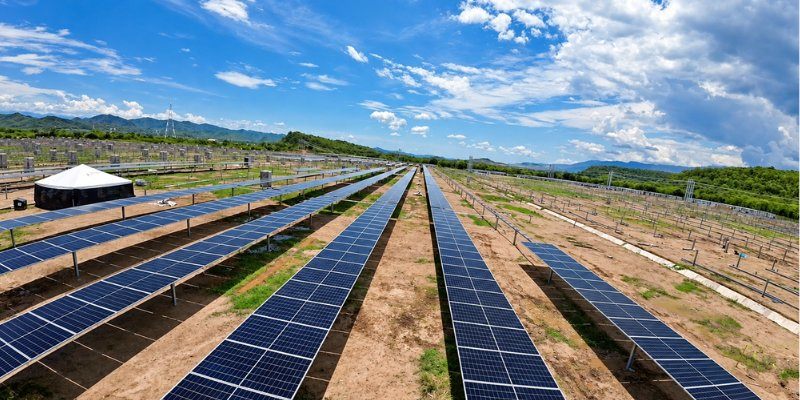
The growing dust load poses a serious problem for Europe's expanding solar infrastructure. Airborne particles block sunlight before it reaches photovoltaic panels, while dust accumulating on surfaces further reduces power output, and severe events could cause unexpected simultaneous drops in generation across multiple countries. Better early warning systems would allow solar operators to anticipate losses, adjust maintenance and panel cleaning schedules, and prepare alternative power sources to support the grid.
To track this change, more than 50 researchers combined 10 years of measurements from over 100 monitoring stations with physical models and artificial intelligence. Traditional forecasting systems can identify major desert dust events but often miss smaller ones and struggle to estimate pollution levels near the ground; artificial intelligence has helped researchers produce more detailed maps showing where dust is likely to accumulate and the extent of potential human exposure.
Ice cores from Colle Gnifetti on the Swiss-Italian border indicate the problem is not limited to the past decade. Dust trapped in Alpine glaciers shows that concentrations have more than doubled over the past 150 years.
Unlike pollution from traffic, households, and industry, desert dust cannot be directly reduced through regulation, making Europe increasingly reliant on climate action, better forecasting, and adaptation measures.
Related Products


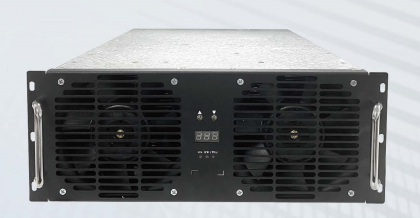
80kW Megawatt Supercharging Module TH80F10030C9
Shijiazhuang Tonhe Electronics Technologies Co., Ltd.
Perfluorinated Ionic Membrane-CM-10N Series Membrane
Guizhou Juneng Century Technology Co., Ltd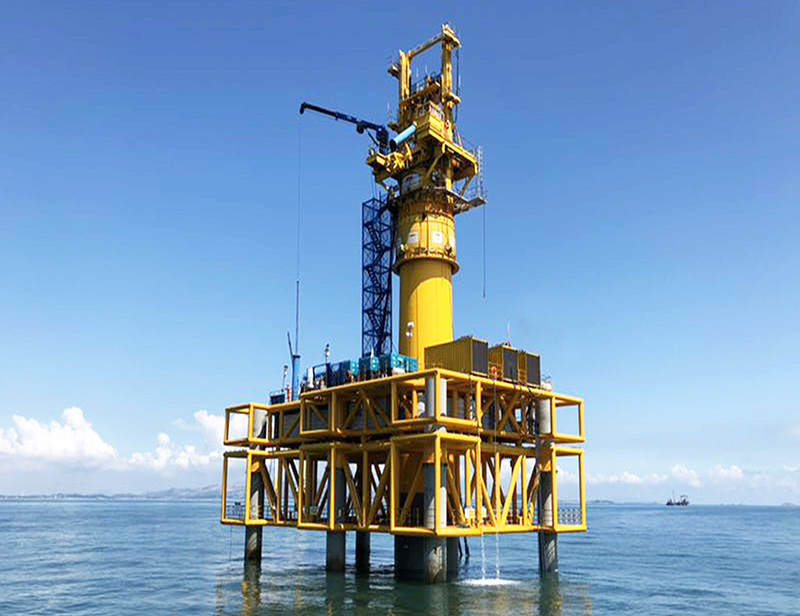
CITIC Heavy Industries Offshore Wind Power Equipment Hydraulic Pile Hammer
CITIC Heavy Industries Co., Ltd.

40.5kV-1100kV Gas Insulated Metal-Enclosed Switchgear (GIS)
Henan Pinggao Electric Co., Ltd.