South Africa's Anthem 420 MW Wind Power Project Expected to Be Operational by End of 2026
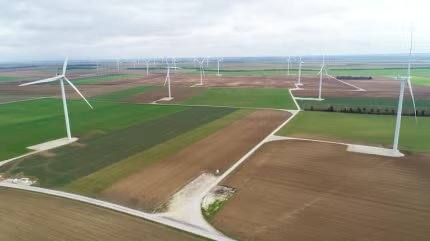
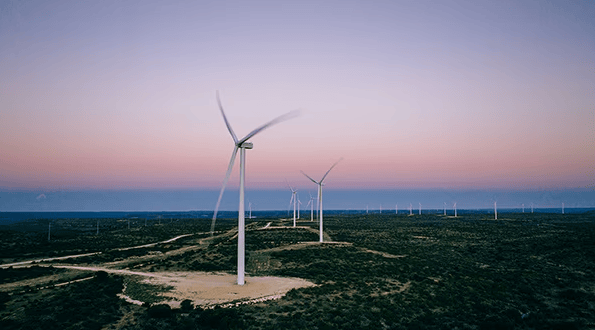
en.Wedoany.com Reported - South African independent power producer Anthem is building the Northern Cluster wind power project, with a total installed capacity of 420 MW, in the Karoo region. Despite contractors declaring force majeure due to rare heavy rainfall from February to June, the project is still expected to achieve commercial operation by the end of 2026.
The Northern Cluster consists of three wind farms—Khangela, Umsinde, and Ishwati Emoyeni—each with a capacity of 140 MW, spread across several farms near the towns of Murraysburg and Richmond in the Karoo, located on the border of the Western Cape and Northern Cape provinces. The project is being developed by Anthem together with co-shareholder Reatile Renewables, with a total investment of nearly R15 billion. It includes a shared main transmission substation (MTS) and approximately 70 km of self-built 132 kV transmission lines to connect the power to the national grid.
The construction phase has created more than 1,400 jobs, with over 50 jobs to be provided during the operational phase, and millions of rand will be invested in local development projects over the next 20 years. All three projects are underpinned by 20- to 25-year commercial and industrial (C&I) power purchase agreements (PPAs) signed with private offtakers in 2024.
Khangela's electricity will be sold to Richards Bay Minerals in KwaZulu-Natal Province, Umsinde's power will be offtaken by precious metals miner Sibanye-Stillwater, and power producer and trader NOA has contracted to purchase electricity from the Ishwati wind farm. Khangela and Umsinde are expected to begin generating power first, having achieved financial close in May 2024, with Ishwati reaching financial close in September of the same year.
Anthem CEO James Cumming told Engineering News that, despite contractors declaring force majeure after heavy rains from February to June, he remains optimistic about achieving commercial operation in the fourth quarter of 2026.
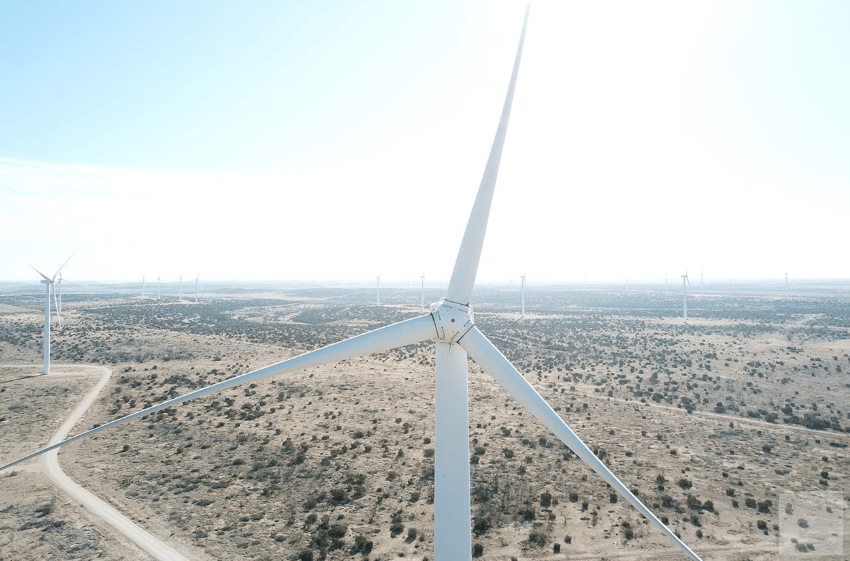
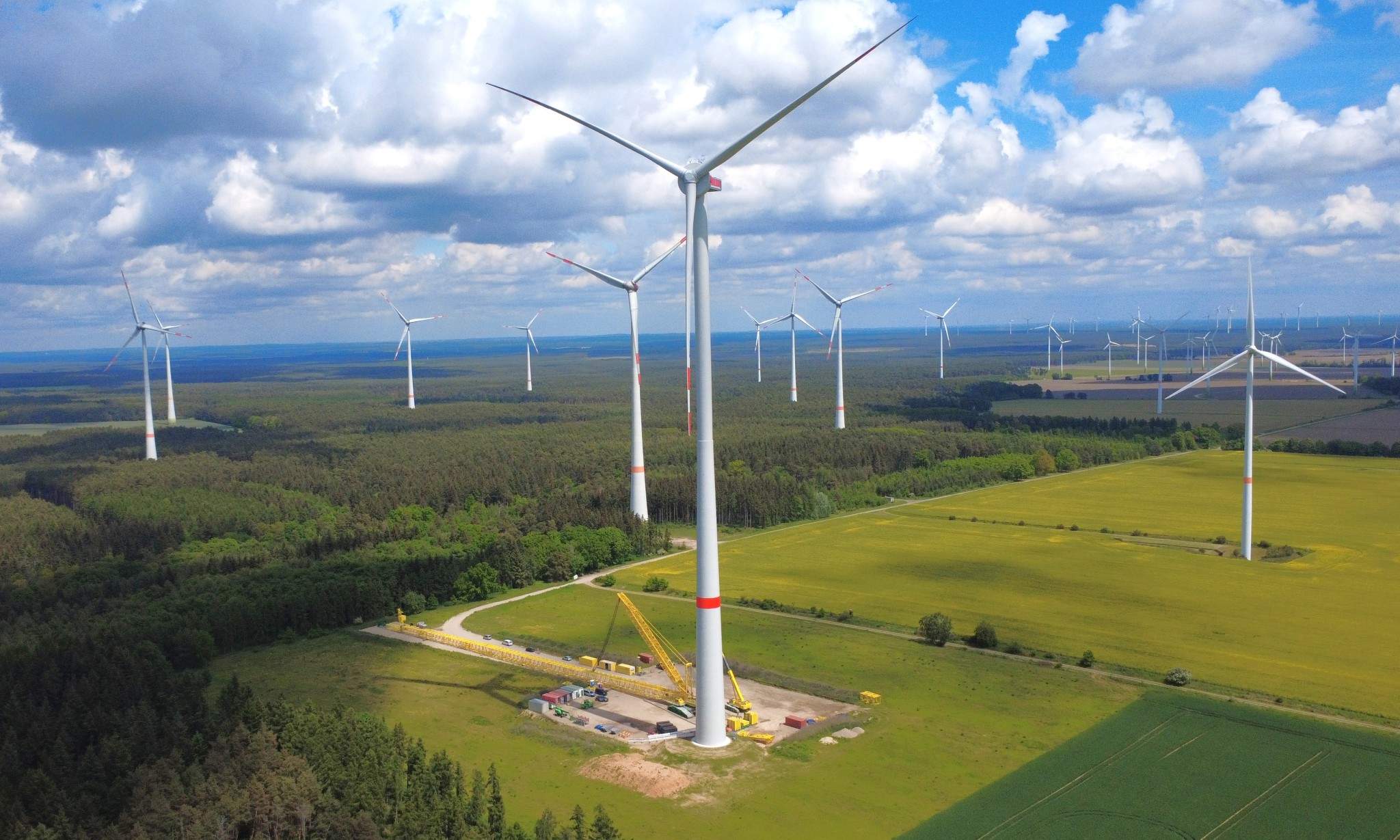
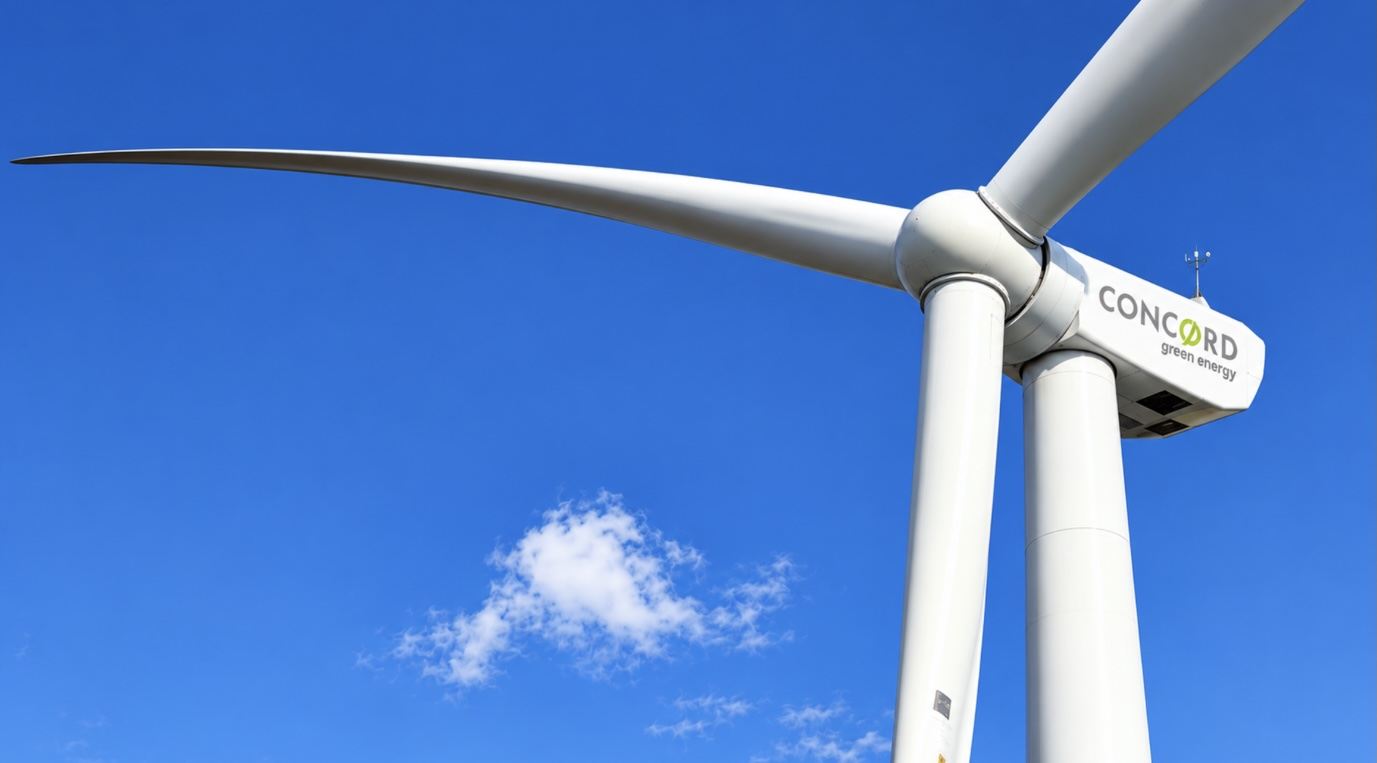
Wind turbine manufacturer Vestas is supplying 96 V163 model wind turbines for the three projects, with a rated power of 4.5 MW each. South African construction group Raubex has been contracted to undertake the civil and electrical works related to the supporting infrastructure. All towers are sourced from the GRI manufacturing facility in Atlantis, Western Cape. After equipment arrives at the Port of Ngqura in the Eastern Cape, more than 1,000 truck trips are required to transport it to the site, a process that has occasionally caused road congestion.
The shared Gamma B main transmission substation for the Northern Cluster is being built by a joint venture of Adenco Construction and CSV Construction, with construction specifications set by the National Transmission Company South Africa (NTCSA), and the facility has now been handed over to the NTCSA. The substation includes 400 kV and 132 kV infrastructure and a 500 MVA transformer, with space reserved for future feeder lines and transformers. Gamma B was energized in early 2026, marking a key milestone for grid connection to the NTCSA network and representing Anthem's first main transmission substation project. Cumming said this experience has brought valuable lessons for Anthem.
Anthem is currently building another main transmission substation for the 475 MW Notsi solar project in the Free State Province, and expects to start construction on a further one later this year or in early 2027.
The fact that all three projects have commercial enterprises as offtakers is particularly significant for Anthem. Anthem was formed in 2025 through the merger of African Clean Energy Developments and EIMS Africa, both of which were major participants in the government's Renewable Energy Independent Power Producer Procurement Programme (REIPPPP). Cumming said that while public and private procurement share many similarities, and Anthem remains supportive of the REIPPPP, C&I offtakers have helped accelerate financial close to some extent and bring flexibility not available under public procurement. Anthem will continue to pursue both public and private procurement opportunities going forward.
Cumming expects that, against the backdrop of impending regulatory changes and the delay of South Africa's wholesale electricity market to early 2027, project announcements by independent power producers (IPPs) will temporarily slow down until market participants understand the new drivers. He believes project activity may pause until market reforms and the way the wholesale market interacts with the bilateral market become clearer. In addition, Eskom's plan for decommissioning its coal-fired power plants is expected to be published in September, and the pace of implementation of the transmission development plan will depend to a large extent on the NTCSA and private independent transmission project companies.
In addition to continuing to advance its project pipeline, mainly in South Africa but also in Zambia, Anthem is investing significant effort in studying market reforms and preparing comments on the various regulations under review by the National Energy Regulator of South Africa. Cumming said that neither at the corporate level nor the national level can the country afford for investment to stop, so Anthem must both maintain momentum in developing its project pipeline and advance projects as far as possible, while also mastering the key aspects of market reform.
Anthem currently operates 17 renewable energy facilities with a total capacity exceeding 1.1 GW, has more than 1 GW under construction, and has achieved financial close on a further 700 MW. The company has set a target of securing 6 GW of installed capacity by 2030 and is integrating battery energy storage systems to respond to customer demand and evolving market regulations.
Related Products


Yingping Mining Section Open-pit Tailings Backfill Treatment of Goaf Ecological Restoration EPC Project
China Bluestar Lehigh Engineering Corporation
Oil-immersed Amorphous Alloy Core Distribution Transformer
Pinggao Group Smart Electric Co., Ltd.
YE3 Series Low Voltage High Power Three-Phase Asynchronous Motor
Shandong Lijiu Electrical Machinery Co., Ltd.