en.Wedoany.com Reported - Los Angeles International Airport (LAX) completed the expansion of the Midfield Satellite Concourse South Hall using an innovative off-site construction and relocation technique, without interrupting flight operations. The project welcomed its first commercial flight on September 30, 2025, and opened to the public on October 21, 2025. To avoid the operational chaos and delays associated with conventional construction, the airport split the main terminal structure into nine independent modules, built them at a landside parking lot over 1.6 kilometers away, and transported them to the designated location at night using self-propelled modular transporters. The entire project cost $421 million, adding eight narrow-body aircraft gates and approximately 13,935 square meters of terminal space as a direct extension of the Tom Bradley International Terminal.
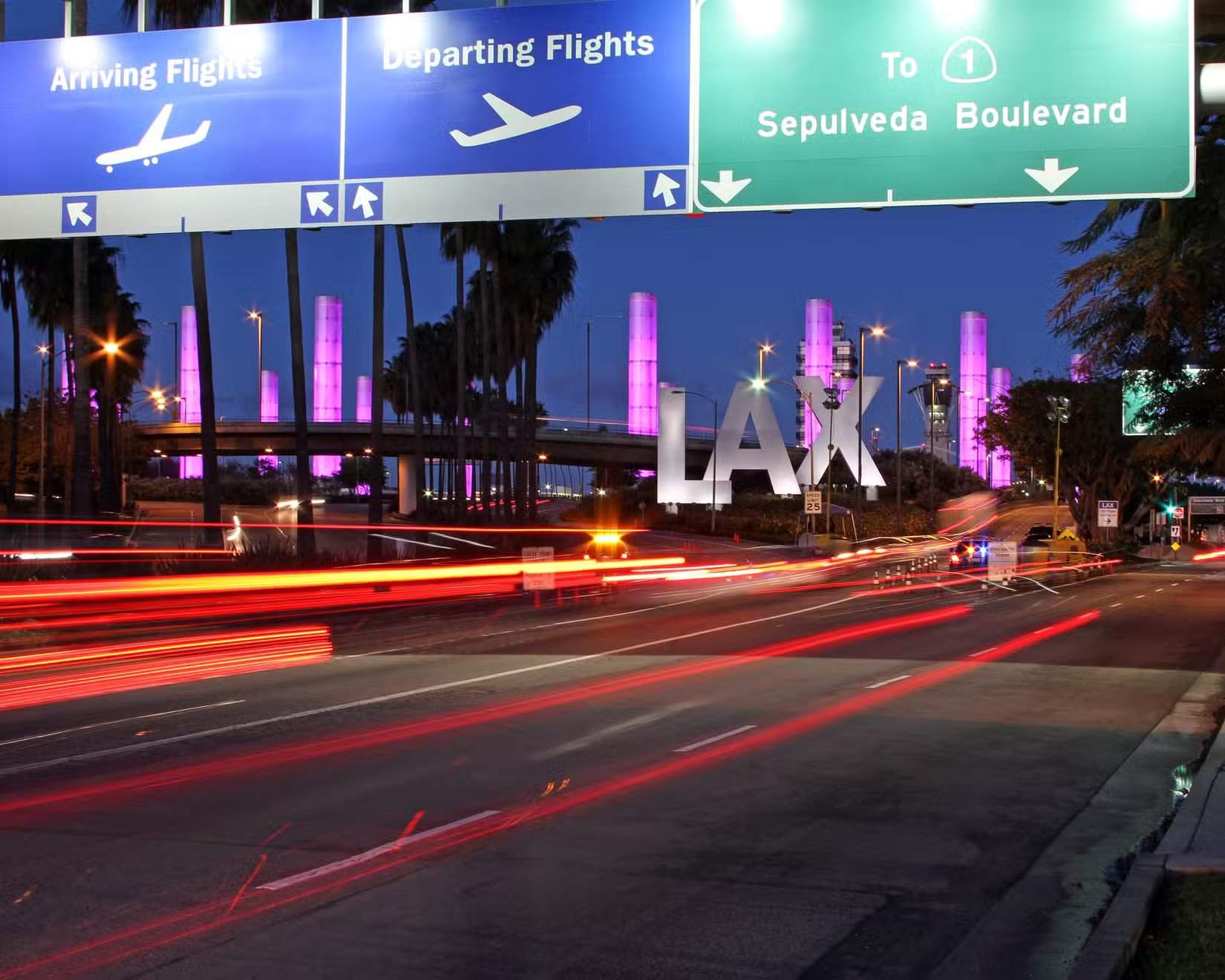
For a hub like Los Angeles International Airport, which manages hundreds of thousands of aircraft movements annually, traditional construction in the core operational apron area poses significant challenges. Introducing heavy machinery and large steel structures into the operational zone would cause a ripple effect on flight schedules, while prolonged closures of taxiways and gates would directly lead to lost capacity and revenue for airlines. Additionally, the apron space within the airport is extremely densely utilized, leaving no physical room for traditional construction sites. Facing operational pressures from the 2026 FIFA World Cup and the 2028 Olympic and Paralympic Games, the airport fostered a completely independent construction strategy to rapidly increase narrow-body gate capacity without disrupting daily traffic.
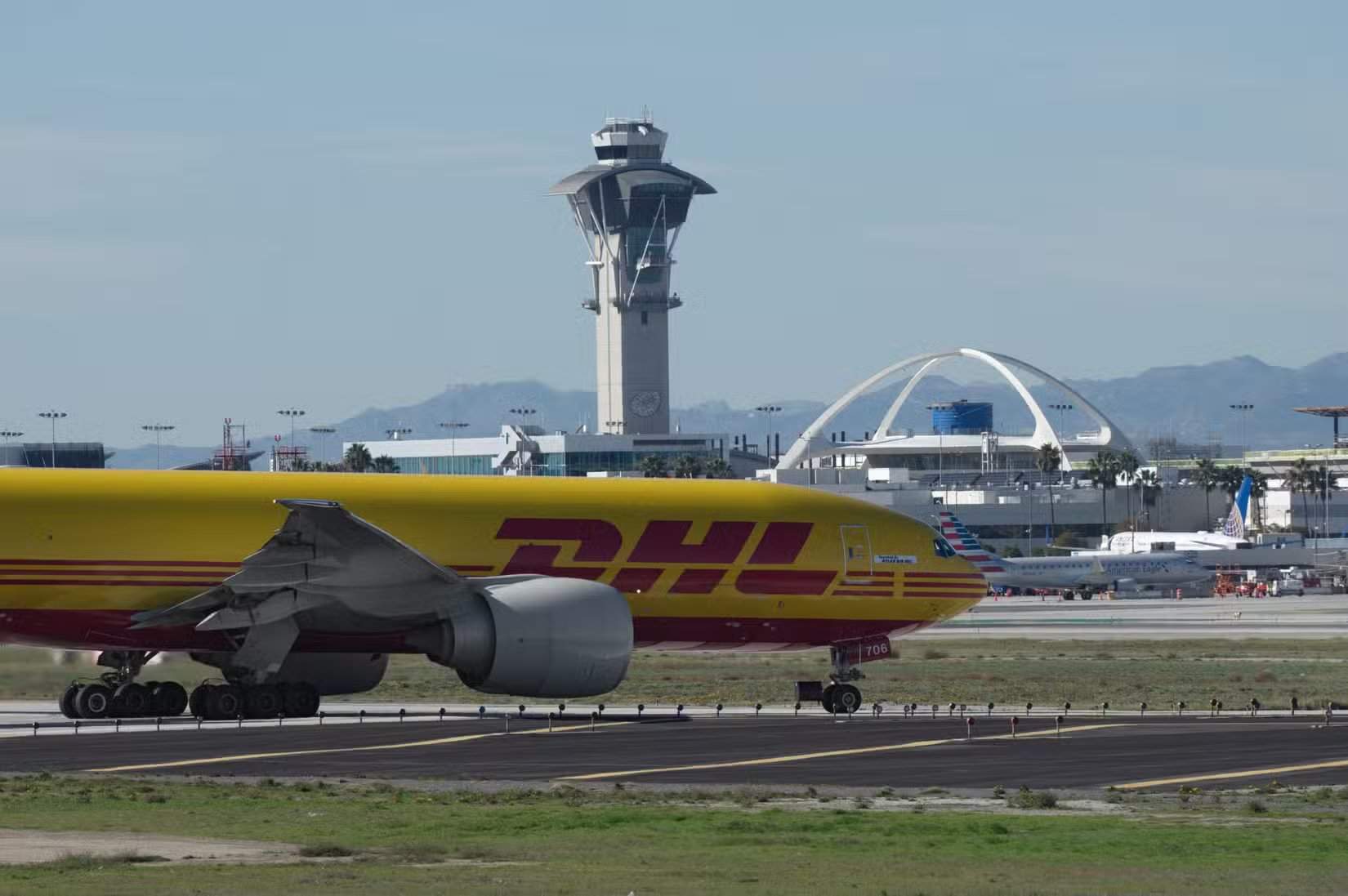
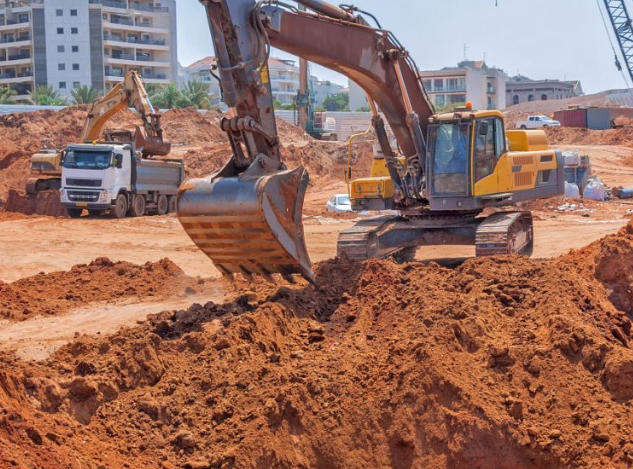
The solution was to establish a remote fabrication yard in a landside area away from passenger flow. Engineers transformed an underutilized parking lot into an assembly line, dividing the main terminal building into nine independent modular blocks, each measuring approximately 43 meters by 24 meters. Working in an environment free from airside security restrictions, workers could perform tasks with maximum efficiency, completely bypassing complex security checks and background check procedures. The modular strategy also eliminated the safety risks associated with operating overhead cranes near active aircraft, allowing heavy structural assembly to proceed 24 hours a day without interruption. While the steel structures took shape miles away, teams at the airport's terminal core area worked in parallel to prepare final utilities and pour concrete foundations.
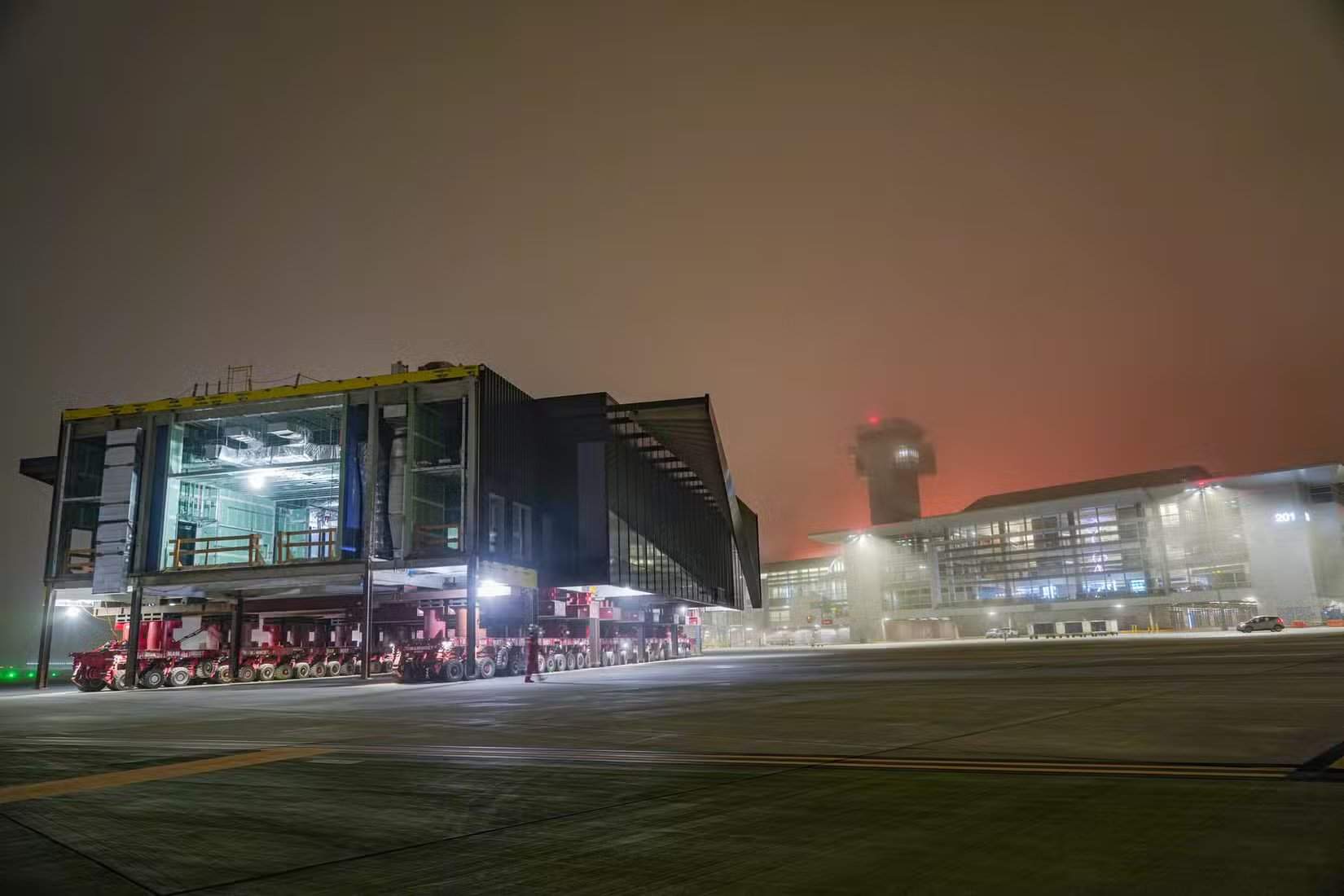
After completing off-site assembly, the nine independent terminal sections were relocated from the remote parking lot to the operational core area. Technicians used specialized self-propelled modular transporters (SPMTs) to lift and move these structures, each weighing nearly 907 metric tons. Multi-wheeled hydraulic synchronized vehicles transported the modules over distances of 2.4 to 2.8 kilometers, slowly traversing active taxiways at a speed of approximately 2.4 kilometers per hour. Engineers laid temporary reinforced pathways across the airport to protect underground utilities, and each section was precisely guided above pre-poured foundations and carefully lowered onto permanent structural columns. This midnight assembly method compressed a process that would typically take months into a series of highly synchronized weekend deployments.

The off-site relocation strategy allowed the project team to work in parallel, significantly compressing the master schedule. While utility lines were being buried at the terminal site, interior finishes and mechanical systems were simultaneously installed in the modules a mile away. This reduced the total construction footprint on the operational airport, saved critical time, and lowered the risk of weather-related delays. It is reported that over 30% of the construction workforce was local labor. The rapid delivery of this project is seen as an efficiency case study for modular construction in the airport sector.
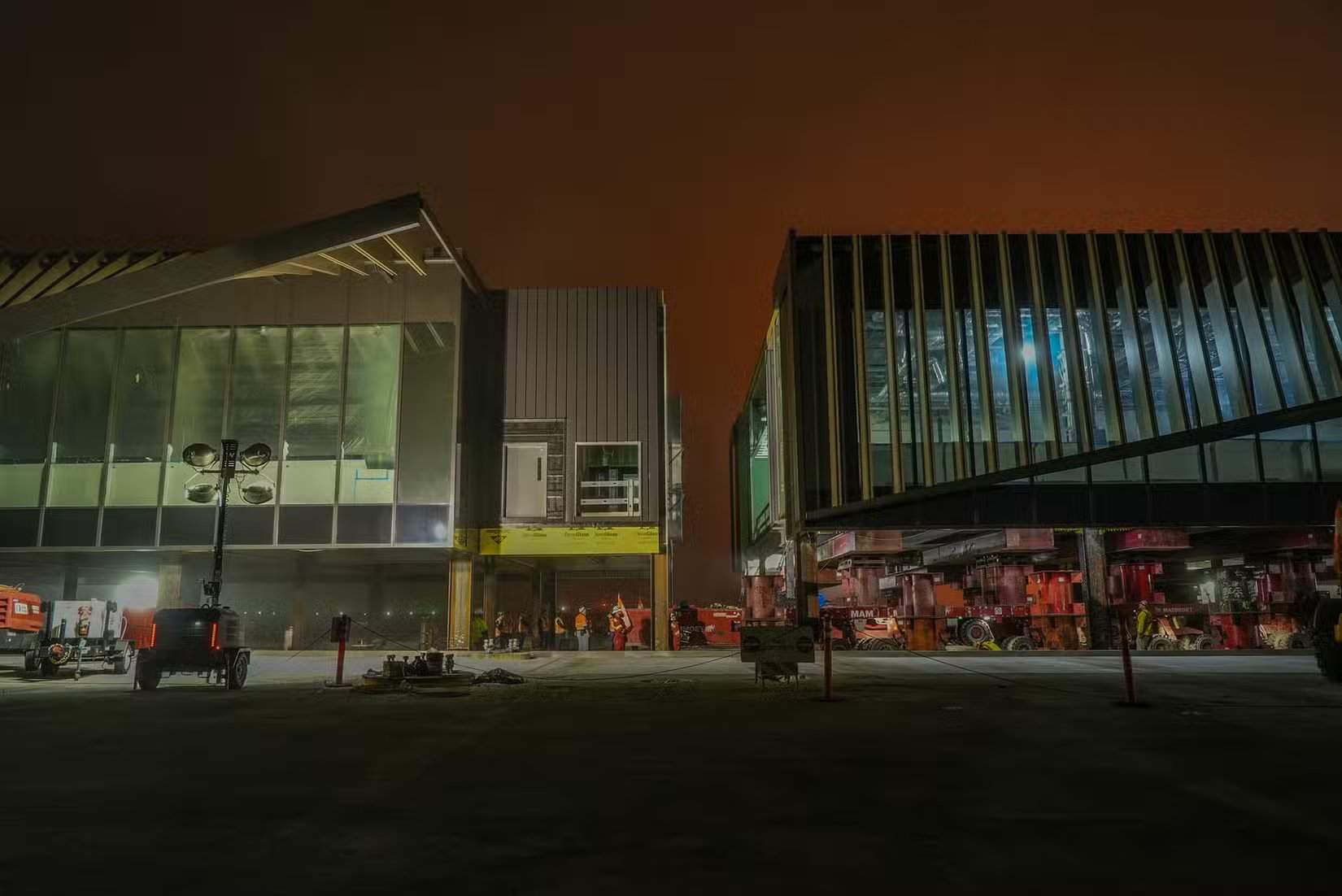
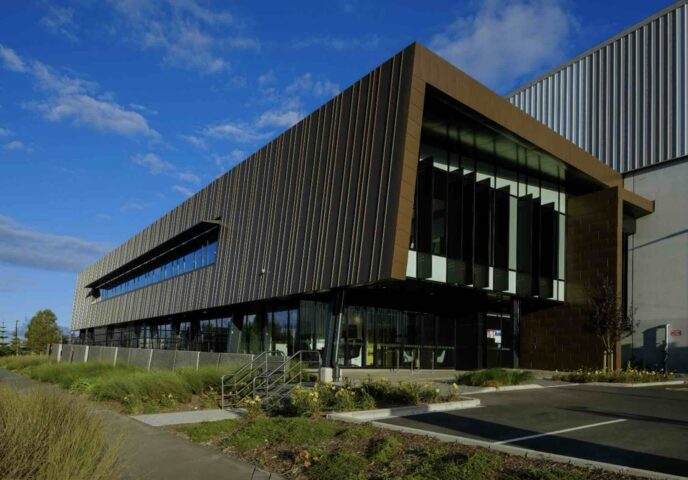
The design team, Woods Bagot, drew inspiration from California's mid-century modern style, concealing the building's modular seams through high-end terrazzo flooring, wood paneling, and expansive observation corridors. The facility also integrates an innovative external brise soleil passive cooling system to reduce solar heat gain on the glass curtain wall, decreasing reliance on heavy air conditioning systems, and has achieved LEED Silver sustainability certification.
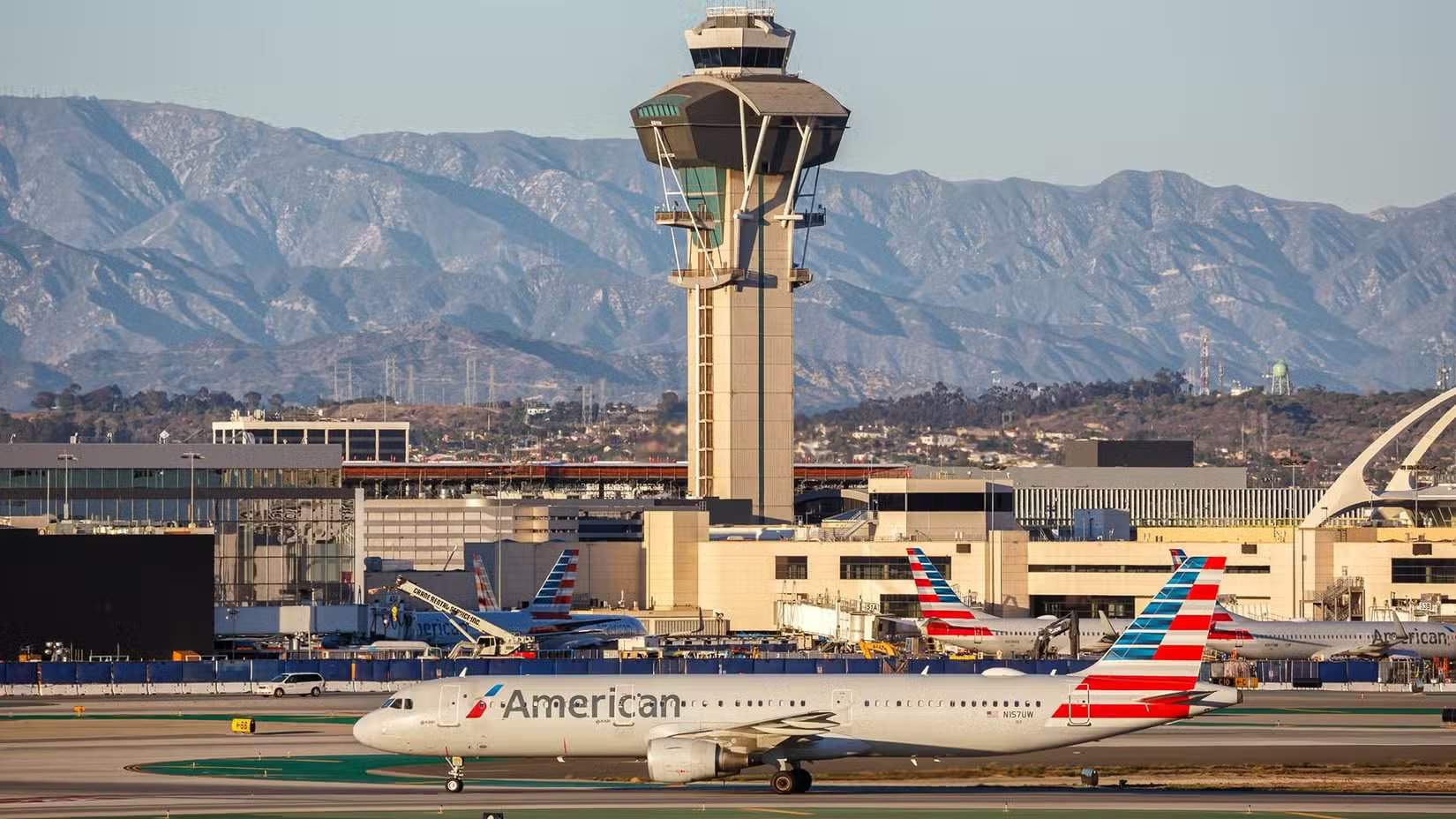
The project's commissioning coincides with the testing of the airport's automated people mover system. Similar hybrid modular expansions are also gaining attention at facilities like Hartsfield-Jackson Atlanta International Airport (ATL), indicating that off-site prefabrication is viewed as a scalable industry solution. This modular approach allows space-constrained hubs to achieve space reduction and rapid capacity generation without sacrificing gate revenue, and this off-site prefabrication method is reshaping the benchmark for future airport terminal design.
This article is compiled by Wedoany. All AI citations must indicate the source as "Wedoany". If there is any infringement or other issues, please notify us promptly, and we will modify or delete it accordingly. Email: news@wedoany.com