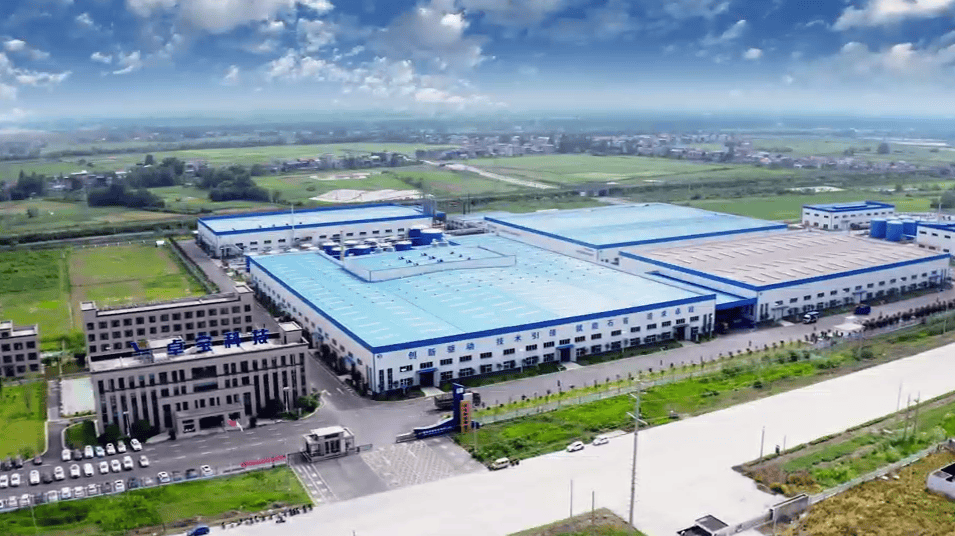
Rockwell Automation and Center for Automotive Research Release Report on Smart Automotive Manufacturing
en.Wedoany.com Reported - Rockwell Automation and the Center for Automotive Research have jointly released a new official report titled "Smart Manufacturing in the Automotive Industry: Deployment and Impact." Leveraging comprehensive data from Rockwell Automation, the report details how artificial intelligence, machine learning, and automation are reshaping the automotive, tire, and battery manufacturing industries.
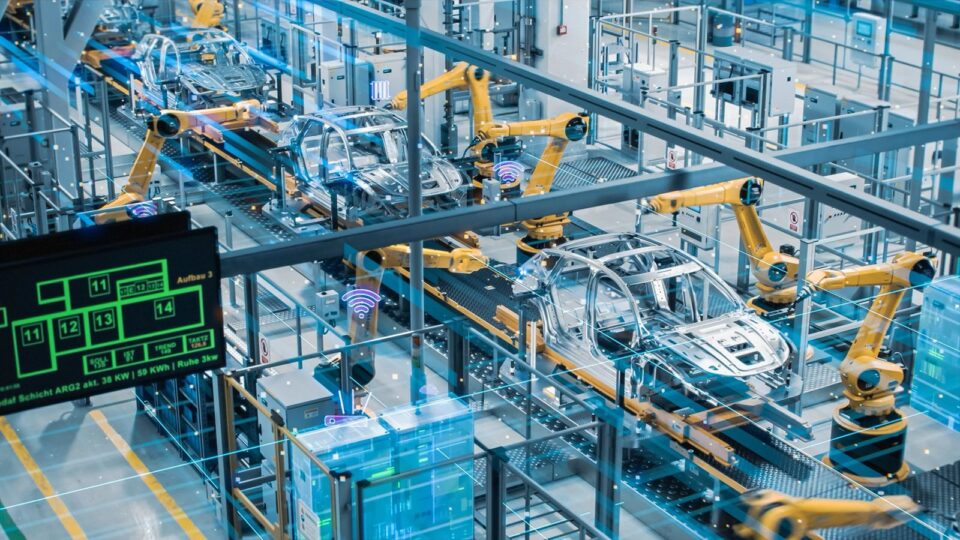
This report, jointly released by Rockwell Automation, Inc. (NYSE: ROK), the world's largest industrial automation and digital transformation company, and the Center for Automotive Research (CAR), emphasizes the quantifiable benefits of AI and automation in production time, quality, and throughput across the entire automotive manufacturing process. The research indicates that for manufacturers, the question is no longer whether to invest in smart manufacturing, but how quickly and in which areas to apply it.
Automakers and suppliers have already adopted advanced automation in body shop, paint, and welding operations. The shift is now moving toward areas that have historically been more difficult to automate, such as electronics assembly, verification, production coordination, and logistics. Meanwhile, AI and machine learning are improving predictive maintenance, inspection accuracy, and system performance in existing operations.
The industry has established a solid automation foundation. Edgar Faler, CAR's Principal Mobility Analyst and Strategy Lead, stated that what is changing now is how manufacturers use AI and data to manage increasing complexity, improve decision-making, and create competitive advantages. Companies that act faster are already beginning to see quantifiable benefits.
This official report combines CAR's analysis with Rockwell Automation's proprietary data, drawn from its 11th annual "State of Smart Manufacturing Report." The report highlights key drivers accelerating adoption, including increasingly complex production environments, persistent quality assurance pressures, rising costs, and intensifying global competition. Automation also helps support reshoring, enabling cost-competitive production amid tight labor markets.
Manufacturers have reported quantifiable results, including up to a 50% reduction in unplanned downtime in selected applications, approximately a 5% improvement in overall equipment effectiveness, and a 5% to 7% increase in throughput through real-time production analytics. James Glasson, Vice President of Global Industries (Automotive, Tire, and Advanced Mobility) at Rockwell Automation, stated that manufacturers are being asked to do more with less while managing greater complexity. The combination of automation and AI is helping teams identify issues earlier, reduce downtime, and increase throughput across all plants.
The findings also point to a growing gap within the industry. Differences in application are leading to disparities in quality, availability, and productivity, with implications for supplier performance and long-term competitiveness.
This article is compiled by Wedoany. All AI citations must indicate the source as "Wedoany". If there is any infringement or other issues, please notify us promptly, and we will modify or delete it accordingly. Email: news@wedoany.com
Related Products

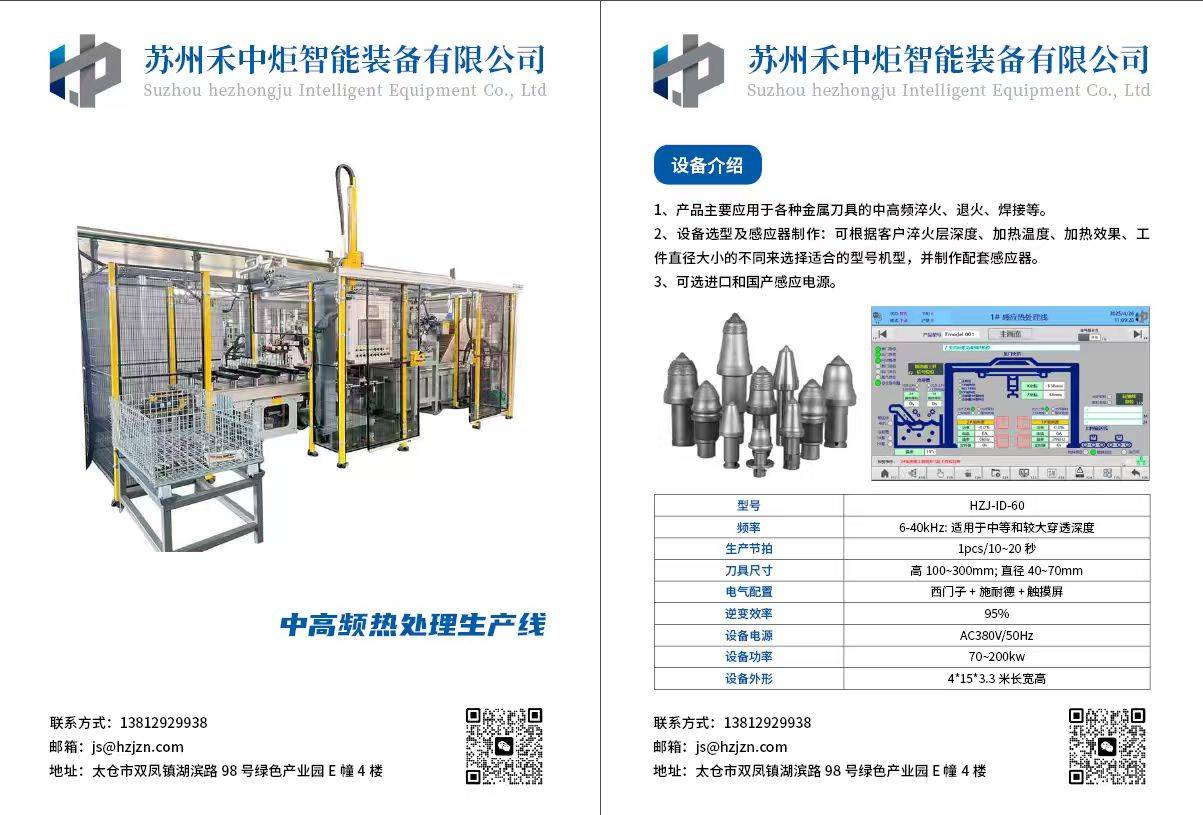
Excavator Bucket Teeth Heat Treatment Production Line
Suzhou Hezhongju Intelligent Equipment Co., Ltd.

CAP1400 main feedwater flow nozzle flowmeter.
Jiangsu Hongda Instrument Technology Co., LTD.
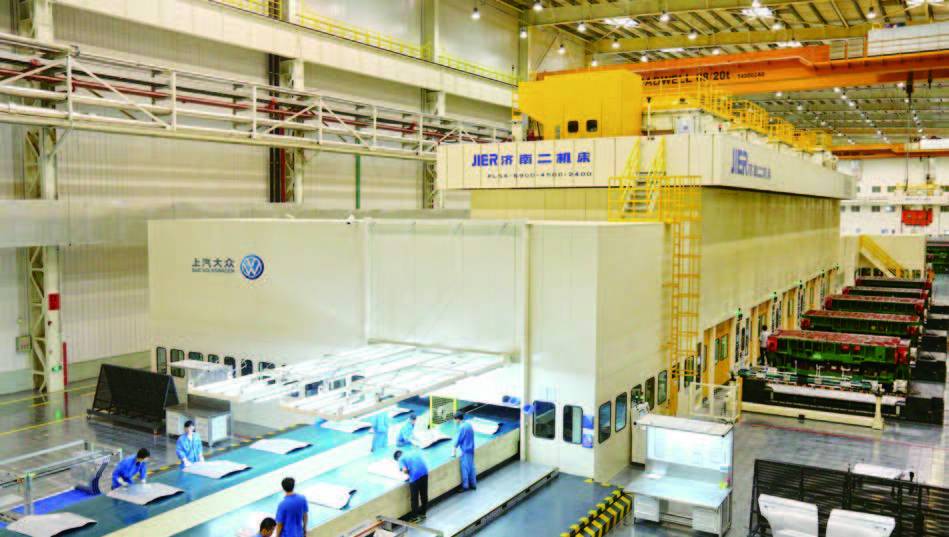
High-Speed Flexible Fully Automatic Stamping Production Line
JIER Machine-Tool Group Co., Ltd.
Standard Nozzle Flowmeter
Jinggong Automatic Control Instrument Complete Technology Development Company