Industrial control equipment manufacturer Syntec completes modal-harmonic response verification of mining vibrating screen support structure in the United States
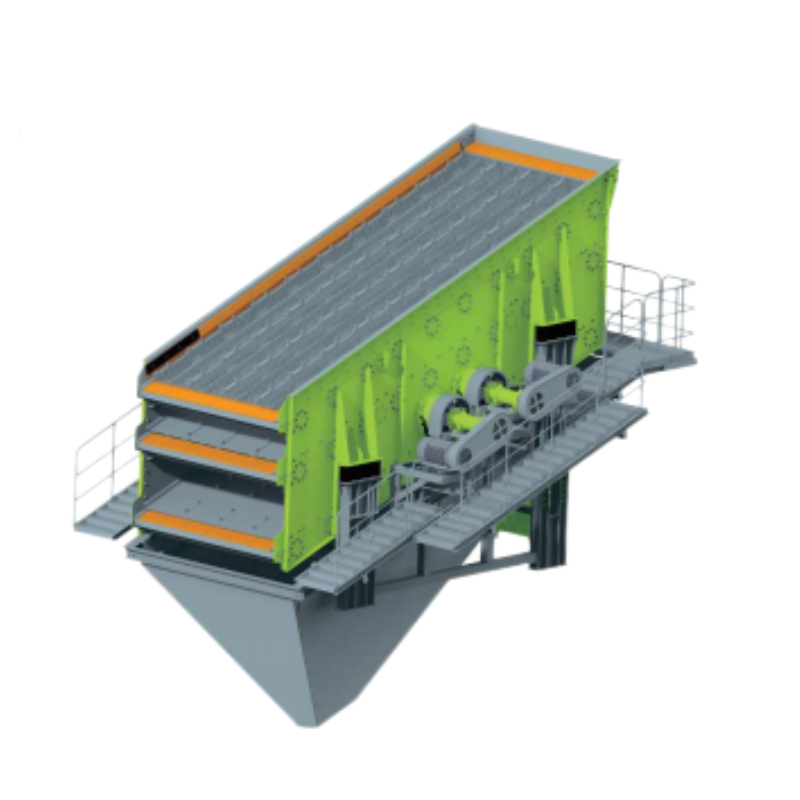
en.Wedoany.com Reported - Industrial control equipment manufacturer Syntec has completed a verification study on a vibrating screen support structure, involving structural calculations, modal and harmonic response calculations, as well as seismic, impact, and fatigue verification.
Syntec Project Manager Juan Rojas explained that the client requested a series of studies to verify the design of the vibrating screen support structure. Ore is discharged onto the equipment via a hopper, and according to production line requirements, the ore must be separated. Rojas noted that the client is a supplier of liners and other components with operations in multiple countries, and Syntec typically conducts Discrete Element Method (DEM) studies for them, with the research site located in the United States.
The study began with the development of a DEM model of ore discharge, thereby obtaining the loads acting on the structure over time. Rojas stated that the model also provided insights into particle dynamics, their velocities, and contact points.
Mining companies are increasingly demanding of their suppliers, often requiring other experts, consultants, or specialists as third parties to verify the technical validity of solutions to be tested. In this context, the client's vibrating screen product had already been installed in other operations, but the plant support structure and surrounding structures for this project were unique. Once the ore is discharged into the equipment, it is separated into fine and coarse fractions, each following a different path in the production line. Rojas mentioned that the client was also interested in the resulting wear, so accurately reproducing the classification process was important for characterizing wear rates.
The verification work began with structural strength testing to identify areas requiring improvement or reinforcement to meet various load conditions. Rojas stated that the client provided all the information, but Syntec had to prepare the geometry for Finite Element Analysis (FEA) and establish analysis standards based on relevant codes. Subsequently, the model built in the ANSYS computational simulation software could extract the natural frequencies of the structure based on the geometry, applied forces, and other effects of the model. This facilitated preliminary verification to rule out resonance during operation.
Finally, the project conducted a harmonic response analysis to determine vibration amplitudes compliant with ISO standards and characterize vibration severity. Rojas asserted that the analysis results could be monitored on-site using the client's own sensors, continuous monitoring, or on-site vibration measurement services provided by Syntec. He emphasized that the highly complex design verification analysis demonstrated the product's superiority over other alternatives under consideration. The client expressed satisfaction after reviewing the report submitted by Syntec.
Rojas noted that this new success story helps suppliers in the mining and industrial sectors view Syntec's experimental laboratory as a professional and effective alternative for verifying or testing their products. He added that this structural-modal verification service can be combined with Syntec's vibration measurement services, thereby providing more information for the model and improving its accuracy.
This article is compiled by Wedoany. All AI citations must indicate the source as "Wedoany". If there is any infringement or other issues, please notify us promptly, and we will modify or delete it accordingly. Email: news@wedoany.com
Related Products

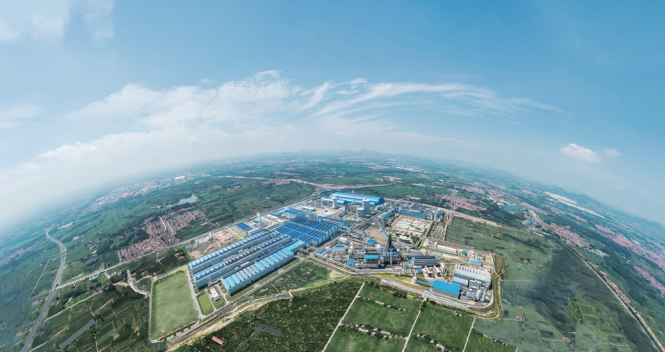
Linyi Steel Investment Special Steel 2.7 Million Tons per Year High-quality Special Steel Project
Capital Engineering & Research Incorporation Limited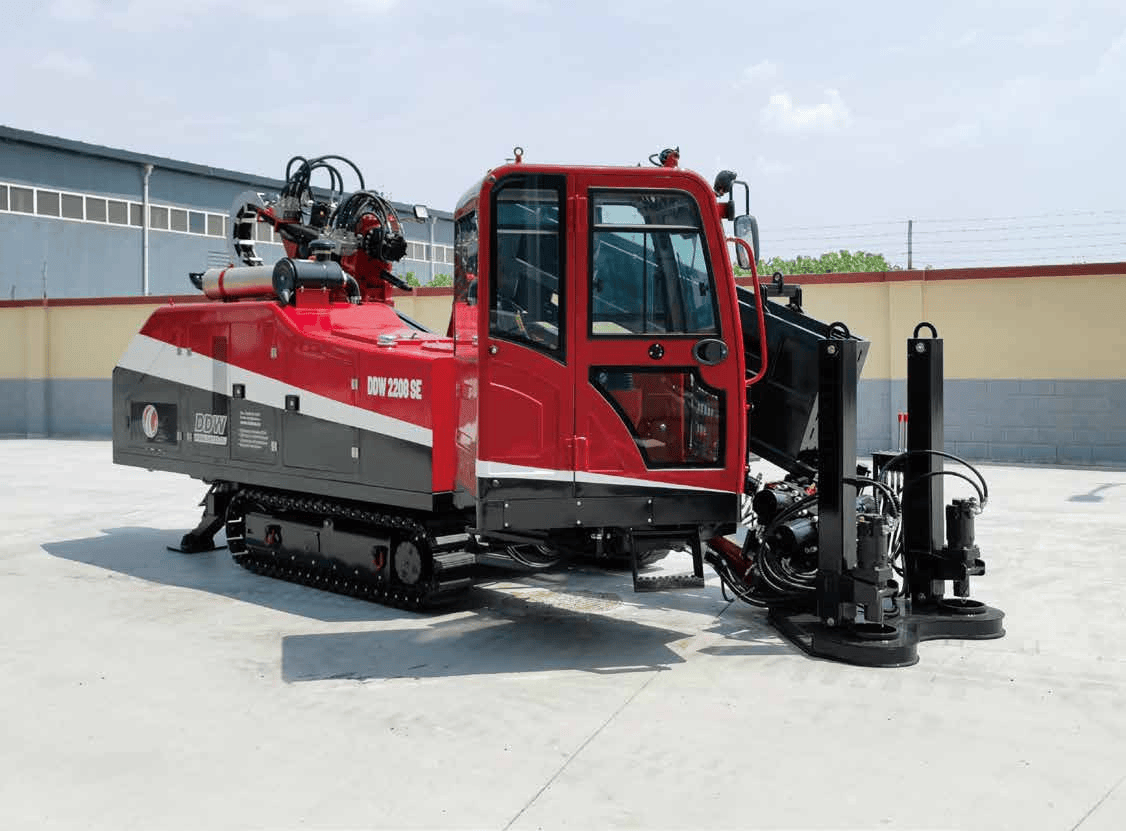
DDW22/08SE-HORIZONTAL DIRECTIONAL DRILL
DW/TXS Construction Equipment (Beijing) Co., Ltd.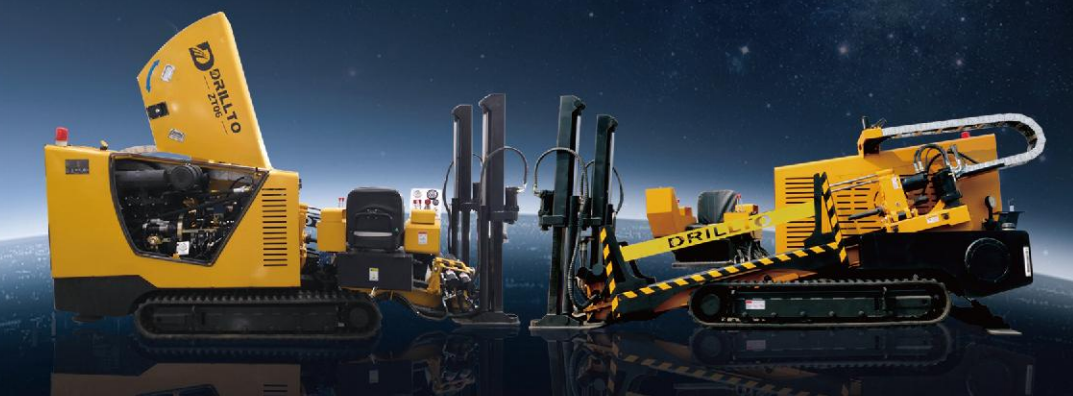

Mine Explosion-proof and Intrinsically Safe Industrial Ethernet Ring Network (10 Gigabit/Gigabit)
Chongqing Mas Sci&Tech Co., Ltd.
CITIC Heavy Industries Metallurgical Equipment Steel Smelting Engineering Equipment
CITIC Heavy Industries Co., Ltd.
Integrated Excavation and Anchoring Machine (EJM Series)
China Railway Construction Heavy Industry Corporation Limited