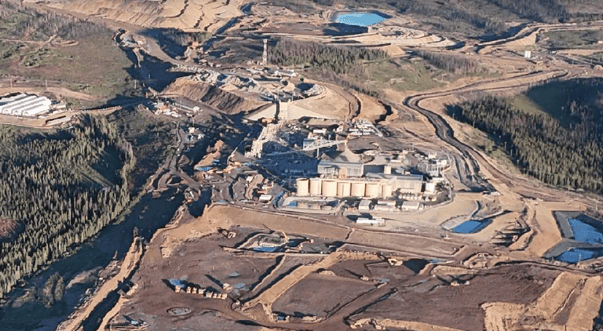
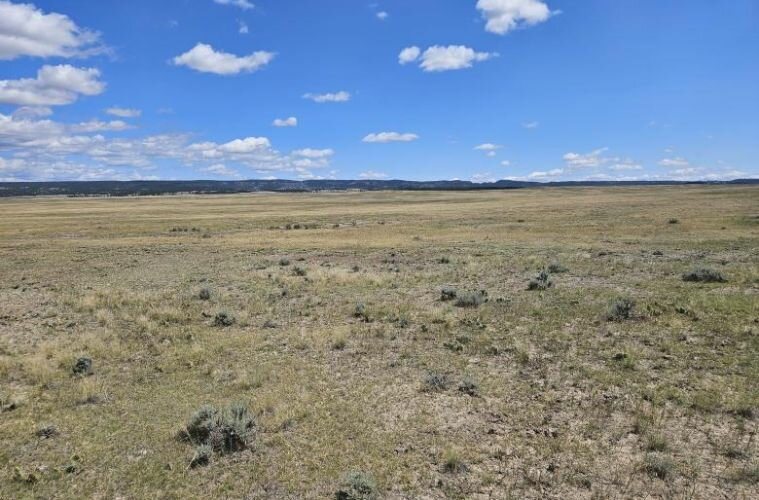
en.Wedoany.com Reported - The US Bureau of Land Management (BLM) has issued a Finding of No Significant Impact (FONSI) and a Decision Record, authorizing initial infrastructure construction for the Dewey-Burdock uranium project in southwestern South Dakota. The project has undergone over a decade of regulatory review. This limited approval includes portions of access roads, four groundwater monitoring wells, and overhead power lines on approximately 240 acres of federal land within the project's 10,580-acre footprint in Fall River County. The total disturbed area approved on federal land is approximately 4.2 acres. The developer is Powertech (USA) Inc. Uranium production operations themselves are planned on adjacent private land, using the in-situ recovery (ISR) method, which extracts uranium by circulating groundwater through the underground ore body and recovering the dissolved uranium at the surface. Production wells, processing facilities, wastewater ponds, and extraction activities are not within the scope of this decision.
Compared to conventional open-pit or underground uranium mining, in-situ recovery mining has a smaller surface footprint and lacks large waste rock piles or tailings facilities. However, the essence of this method is groundwater operations: water is injected into the mineralized zone, uranium dissolves into it, and the solution is pumped to the surface for processing. Therefore, aquifer protection becomes the core environmental issue for any in-situ recovery project and is the aspect of the Dewey-Burdock project that has drawn the most public attention. The BLM received 764 public comments during the environmental review, covering groundwater protection, cultural resources, tribal concerns, environmental justice, and federal regulatory compliance. The four groundwater monitoring wells authorized by this decision represent the first step in baseline characterization and ongoing monitoring, allowing regulators to track whether operations during the production phase remain within acceptable limits.
The environmental assessment supporting the Finding of No Significant Impact relies on the Nuclear Regulatory Commission's (NRC) 2009 Generic Environmental Impact Statement for in-situ recovery uranium facilities, as well as a 2014 supplemental environmental impact statement specifically prepared for the Dewey-Burdock project. The BLM relied on these existing analyses to conclude that the limited infrastructure authorized on federal land would not result in significant environmental impacts requiring the preparation of a full Environmental Impact Statement. During active construction and operations, BLM inspectors must conduct on-site inspections at least twice per year. All design features and approval conditions are mandatory requirements under the agency's surface management regulations, which stipulate that mining-related activities on public lands must prevent "unnecessary or undue degradation."
The Dewey-Burdock project has been advancing through permit approvals since the early 2010s, including an NRC licensing process that has drawn significant tribal and environmental opposition. The project now enters a policy environment different from when it began. Data centers and electrification are driving rising electricity demand, and federal investment in advanced nuclear reactor technologies is accelerating. Concerns over the concentration of the uranium supply chain, primarily focused on production in Russia and Kazakhstan, have made domestic US uranium a more active policy discussion topic in recent years. The BLM's decision is a limited approval for infrastructure, not a permit for full-scale operations. For a project that has spent over a decade in the regulatory pipeline, obtaining approval for roads and monitoring wells on federal land is not insignificant.
This article is compiled by Wedoany. All AI citations must indicate the source as "Wedoany". If there is any infringement or other issues, please notify us promptly, and we will modify or delete it accordingly. Email: news@wedoany.com