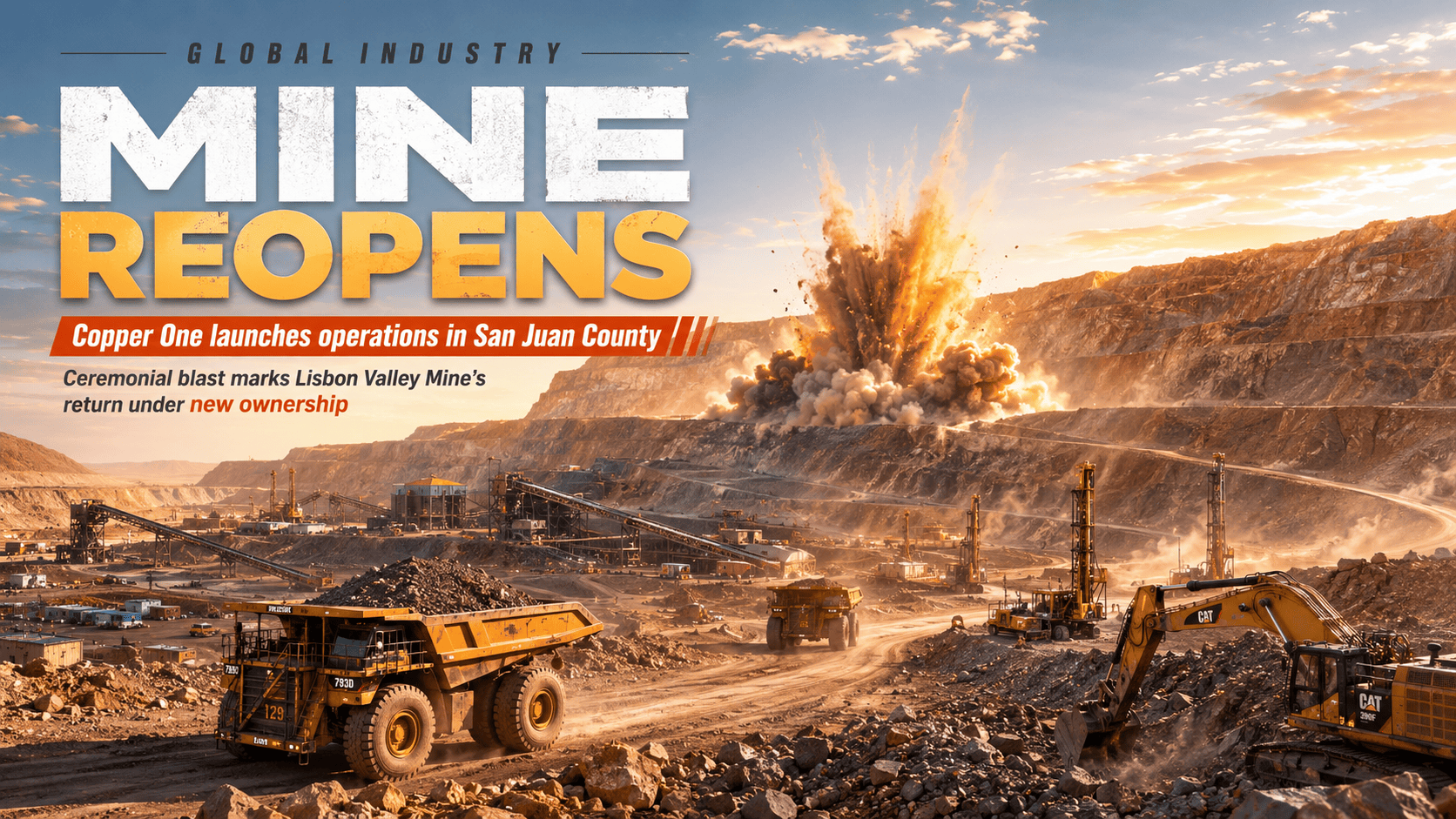
Artemis Gold Launches Blackwater Mine EP2 in Canada in 2026, with a Capital Cost of US$1.44 Billion
en.Wedoany.com Reported - Canadian gold producer Artemis Gold Inc. (TSXV: ARTG) announced on August 4, 2026, that main construction works for the EP2 expansion project at its Blackwater Gold Mine have commenced, with the first concrete pour for the ball mill foundation completed ahead of schedule.
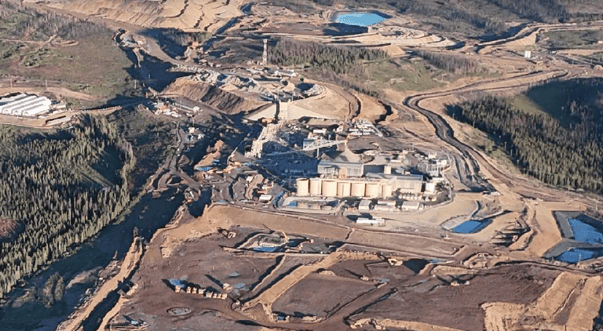
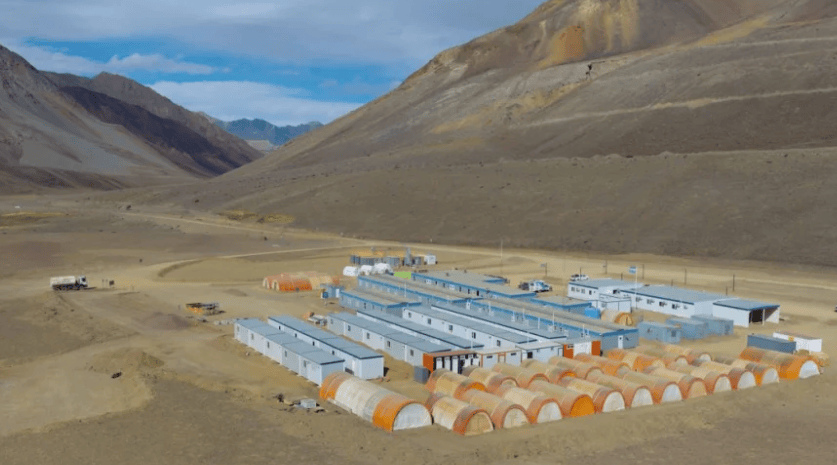
Early works for EP2, which began in January 2026, are nearing completion, with engineering design and procurement progressing well and all long-lead equipment items on order. Site clearing and earthworks for the processing plant expansion are running ahead of schedule, and the expansion of the 612-bed construction camp is expected to be completed in early August. The company has also secured a power supply assurance from BC Hydro, ensuring the expanded processing capacity will continue to be supported by low-cost renewable hydroelectric power.
The EP2 project, announced in the fourth quarter of 2025, is a processing plant capacity expansion on top of Phase 1A. Upon completion, the company expects Phase 1A and EP2 to increase processing capacity from the current 6 million tonnes per annum to 21 million tonnes per annum by the fourth quarter of 2028, an increase of 250%, with annual gold production exceeding 500,000 ounces. The resulting reduction in unit operating costs through economies of scale will position Blackwater among the lowest-cost, highest-margin gold mining operations globally and establish it as one of Canada's three largest single gold mines. The project is advancing on schedule and on budget, with an expected capital cost of US$1.44 billion.
The company is managing gold price risk during the EP2 capital expenditure period through derivatives, having purchased put options on 172,500 ounces of gold at a strike price of C$5,300 per ounce, with maturities ranging from July 2026 to June 2027, covering more than 80% of expected spot sales volumes over that period. This strategy provides downside price protection while retaining upside exposure to gold price increases, helping to ensure the project can remain funded through operating cash flows even in the event of a significant decline in gold prices.
The company's Chief Executive Officer, Dale Andres, stated that project progress is in line with expectations and that upon completion, Blackwater will become one of Canada's largest and lowest-cost gold mines; the implementation of gold put options represents prudent risk management, providing downside protection while maintaining full upside price exposure on spot sales. President Jeremy Langford stated that the company is concurrently advancing Phase 1A and EP2 activities, with earthworks progressing well and the first concrete pour for the ball mill completed ahead of schedule, laying the foundation for on-time and on-budget delivery of EP2.
At peak construction, EP2 is expected to create 1,500 direct construction jobs, along with additional indirect employment and induced economic activity. Approximately 900 contractors and direct employees are currently working on Phase 1 operations at the Blackwater Mine; following EP2 completion, the total number of direct employees and contractors at the mine is expected to be approximately 1,200.
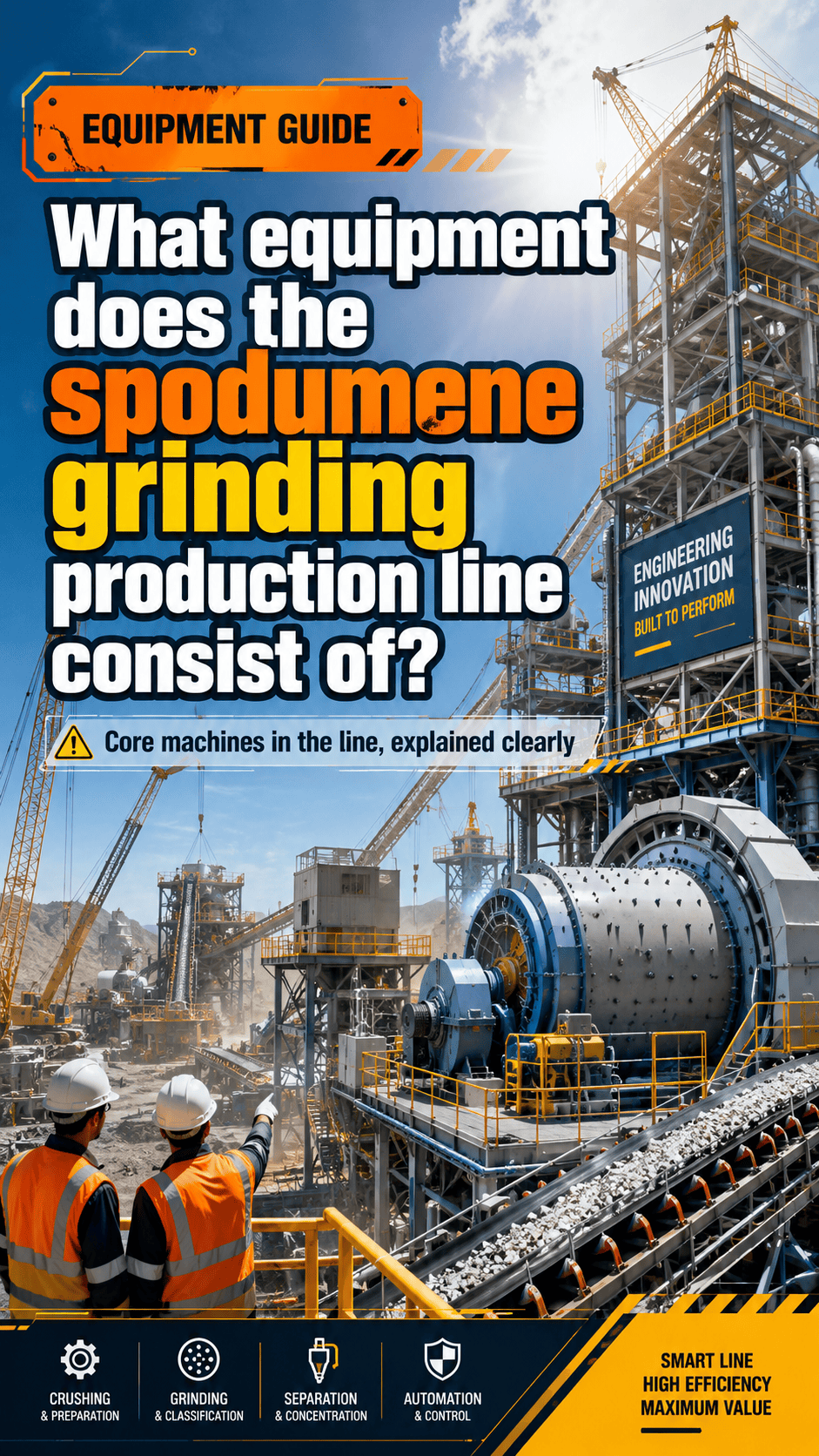
The EPCM contract has been awarded to Lycopodium, with the preliminary design review for the processing facilities completed and the layout finalized. Earthworks are progressing as planned and are expected to be completed by the end of September. The concrete batching plant has been commissioned and is operational, and contracts for concrete works for both the wet and dry facilities have been awarded. The ball mill raft foundation concrete pour has been completed, with a single pour volume of approximately 900 cubic metres, the largest pour of the EP2 project; the SAG mill pad has been poured, and rebar installation is underway.
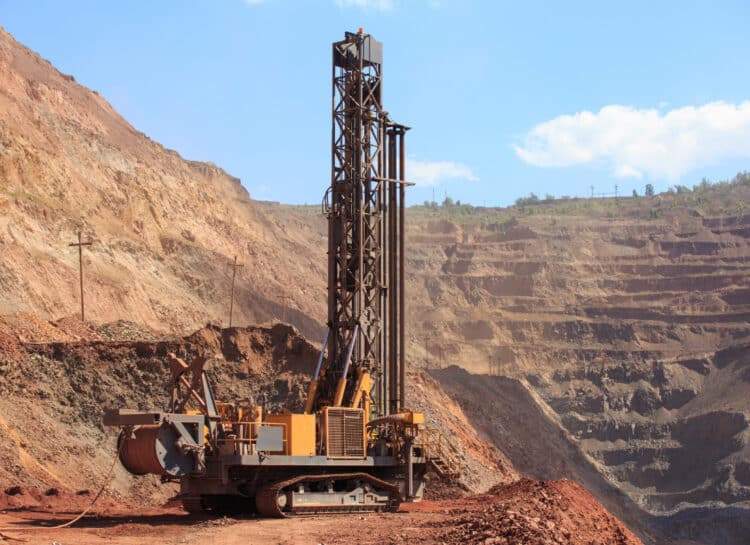
To support higher mining and processing efficiency, the first batch of additional mining equipment has been ordered and is being assembled on site. Equipment additions for 2026 include one 34-cubic-metre hydraulic shovel, five 240-tonne haul trucks, four production drills, and two large motor graders. Two motor graders and three haul trucks have already been assembled and put into service, with the new hydraulic shovel expected to be commissioned in September 2026.
The company is updating its resource model and optimizing the mine plan for the Phase 1A and EP2 expansions. Related studies include: debottlenecking options for Phase 1A and EP2 to achieve 25 million tonnes per annum processing capacity, as well as process flowsheet and scale for adding new crushing and grinding lines and constructing Phase 3; and long-term alternatives for waste haulage, such as crushing and conveying, electrification of the haul truck fleet, and automation of haulage operations, with the first two measures also expected to reduce greenhouse gas emissions.
Regarding grade reconciliation, the company continues to receive favourable results, with material previously classified as waste being converted to low-grade and medium-grade stockpiles for processing later in the mine life. Blackwater mineralization remains open to the north, northwest, and at depth, and the company is drilling to test extensions beyond the current resource estimate boundaries, with approximately 25,000 metres of diamond drilling planned for 2026. Regional exploration has identified more than 30 drill targets within reasonable haulage distance of the existing processing facilities, with the drilling program set to resume in the second quarter following the winter-spring break and to be incorporated into a long-term regional exploration strategy spanning the next 5 to 10 years. Additionally, the current mineral reserve estimate is based on a gold price of US$1,400 per ounce; if higher gold price assumptions are applied in pit design and cut-off grades, a portion of mineral resources could be converted to reserves, thereby extending the mine life.
Upon completion of the above work programs, the company will release updated mineral resource and mineral reserve estimates in the first quarter of 2027, along with updated annual production and cost guidance for the period beyond 2026.
Related Products

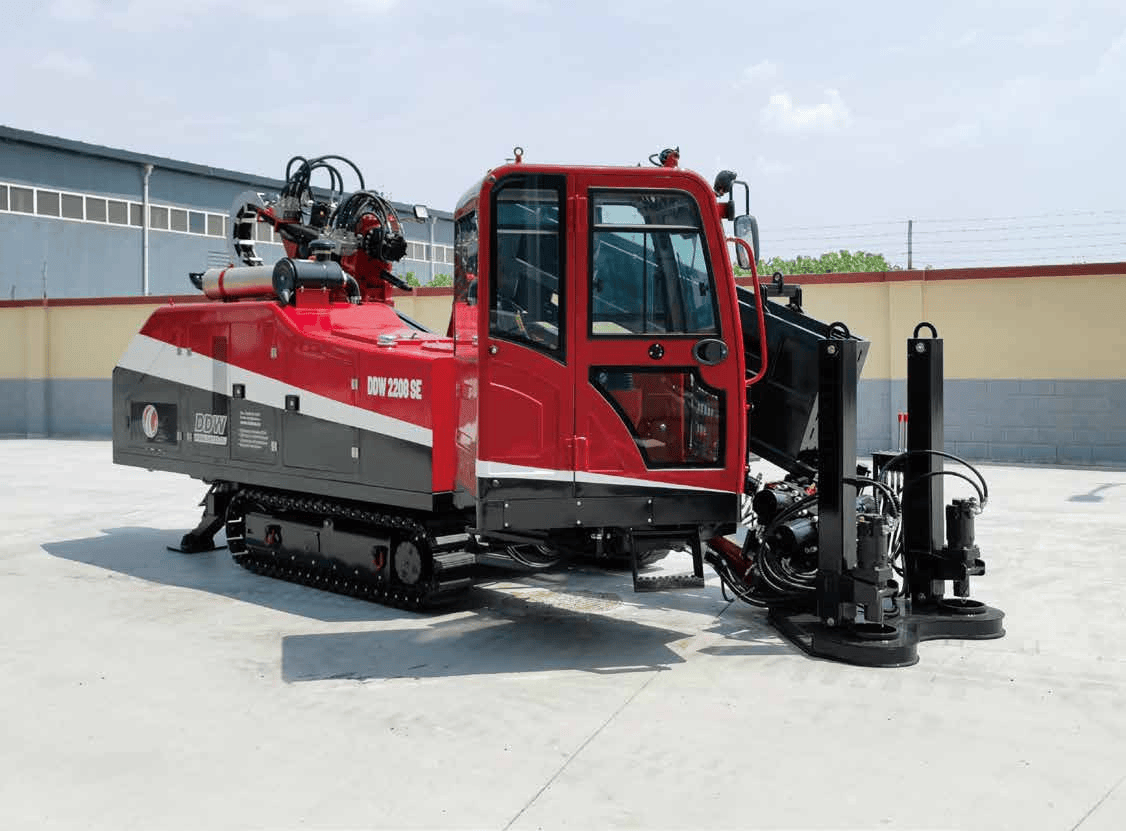
DDW22/08SE-HORIZONTAL DIRECTIONAL DRILL
DW/TXS Construction Equipment (Beijing) Co., Ltd.
Quick-Change Single-Seat Control Valve / Quick-Change High-Pressure Single-Seat Control Valve
Beijing Consen Automation Technology Co., Ltd.
Linyi Steel Investment Special Steel 2.7 Million Tons per Year High-quality Special Steel Project
Capital Engineering & Research Incorporation Limited
Integrated Excavation and Anchoring Machine (EJM Series)
China Railway Construction Heavy Industry Corporation Limited
Yunnan Phosphorus Chemical Group Co., Ltd. 2 Million t/a Phosphorus Ore Mining and Beneficiation Project
China Bluestar Lehigh Engineering Corporation