Zambian miners urge government support to triple copper output to 3 million tonnes
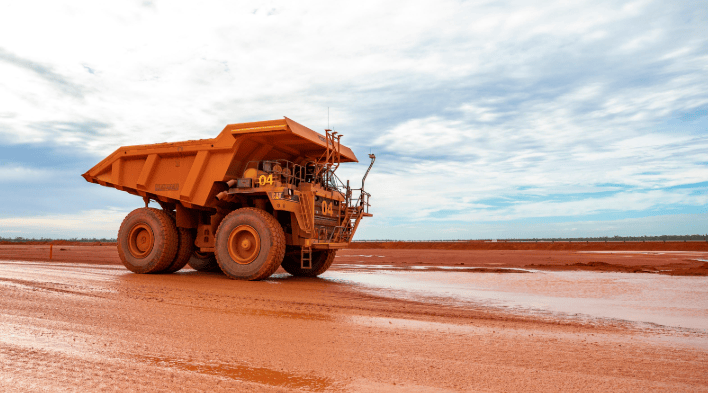
en.Wedoany.com Reported - Zambian mining companies have put forward three priority demands to the government ahead of the election—strengthening mineral processing incentives, reviving exploration activities, and expanding power generation capacity—which they consider prerequisites for achieving the goal of tripling copper output. The country plans to raise annual copper production to 3 million metric tonnes, roughly three times current levels, to seize opportunities from growing copper demand in electric vehicles, power grids, and construction. Zambia is Africa's second-largest copper producer.
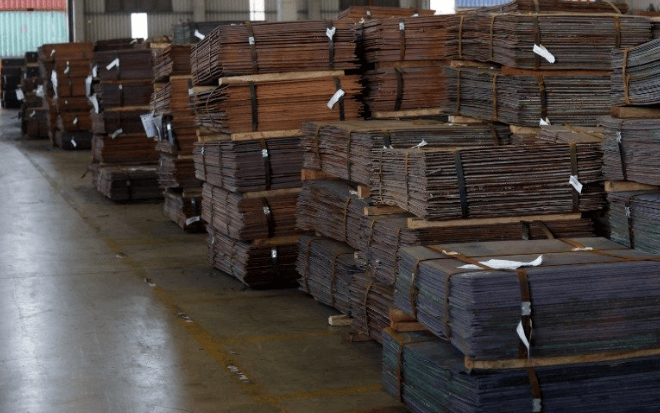
Rising demand has pushed benchmark copper futures prices to $14,000 per tonne, up more than 40% over the past year. Ayo Sopitan, chief executive of mid-sized miner Metalex Commodities, said tripling output would require stronger incentives for exploration, local manufacturing, and value addition, as well as large-scale infrastructure investment. He also noted that Zambia needs to strengthen the rule of law and dispute resolution mechanisms, while concentrate export duties continue to pressure producers without smelting capacity.
Anthony Malenga, president of the Zambia Chamber of Mines, said investor confidence is high thanks to tax reforms and closer engagement with miners, attracting over $10 billion in investment since the 2021 election. He said policy discussions between the government and miners are resolving most outstanding competitiveness issues, but growth ambitions now depend on maintaining a robust exploration pipeline. Malenga emphasized that mining needs genuine growth, which can only be achieved through increased greenfield exploration spending, and licensing reforms should ensure exploration licenses are held by companies capable of developing projects.
Mining is the backbone of Zambia's economy, accounting for about 9% of gross domestic product (GDP), generating 72% of export revenue, and contributing nearly half of government income. More than 8 million Zambians are registered to vote on August 13 to elect the president, parliamentarians, and local representatives. Analysts expect President Hakainde Hichilema to win re-election in a peaceful vote, with investors anticipating broad policy continuity.
A senior industry source said Zambia has introduced several major reforms over the past four years, covering currency regulations, local content rules, and fuel cost measures. Menzi Ndhlovu, chief analyst at risk consultancy Signal Risk, noted that power shortages and labor pressures are the biggest threats to Zambia's copper growth ambitions. He argued that without substantial new investment, power generation capacity may be insufficient to support large-scale mining expansion, and unions may seek wage increases as mining activity grows. Industry executives estimate Zambia needs at least 2,000 megawatts of additional installed capacity to support its production targets, though recent investments should ease supply pressures. Zambia's Ministry of Mines did not immediately respond to Reuters' request for comment.
Related Products


Industrial and Commercial Point-Type Gas Detector
Jinan Benan Technology Development Co., Ltd.
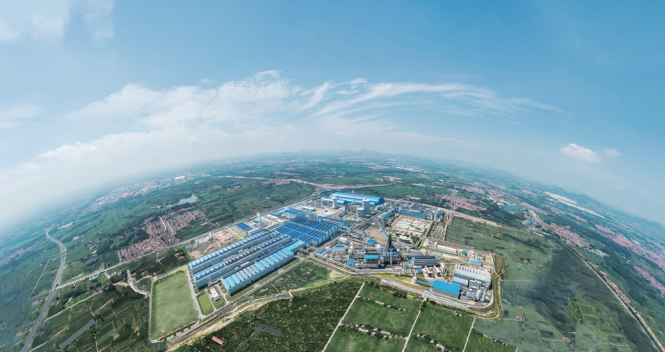
Linyi Steel Investment Special Steel 2.7 Million Tons per Year High-quality Special Steel Project
Capital Engineering & Research Incorporation Limited
Core Technologies of the Mining Technology and Equipment Business Unit: Efficient Mining Methods and Processes
CHANGSHA INSTITUTE OF MINING RESEARCH CO., LTD.