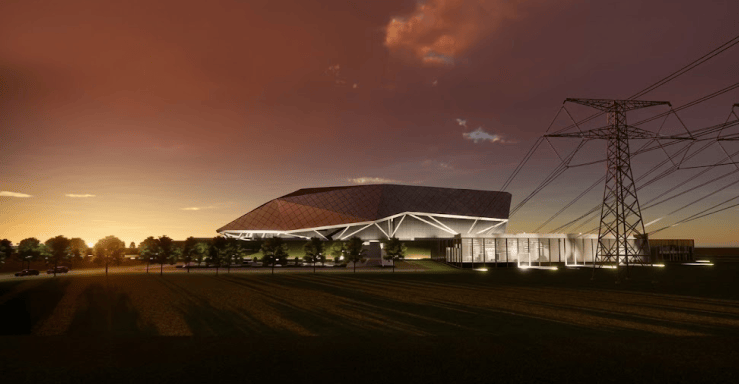
Japan to Build 2-5 Next-Generation Reactors by 2040s
en.Wedoany.com Reported - The Japanese government has decided to revise its nuclear energy policy guidelines, proposing the construction of 2 to 5 next-generation reactors at the sites of existing retired nuclear plants by the 2040s. "Rebuilding" refers to constructing entirely new reactors directly at the sites of decommissioned plants, replacing retired units with modern ones, rather than selecting new locations.
The decision was approved at a meeting of relevant cabinet ministers chaired by Prime Minister Sanae Takaichi. Takaichi stated that policies to secure investment in nuclear power would be advanced, and hinted at promoting workforce development programs. The policy aims to alleviate the expected electricity supply shortage in the 2040s caused by the retirement of aging reactors reaching their 60-year operational limit, while also addressing rising power demand from AI data centers and advanced manufacturing.
Under the revised guidelines, 9 more reactors will be built in the 2050s, bringing the cumulative number of new reactors to 11-14, corresponding to approximately 16 GWe of additional capacity. Nuclear power's share of the national grid will double from approximately 8.5% in 2023 to about 20% by fiscal 2040; reliance on coal, natural gas, and oil will drop from the current 60%-70% to 30%-40%.
Minister of Economy, Trade and Industry Ryosei Akazawa announced the revised framework, offering higher incentives to local governments while advancing site surveys for the final disposal of high-level radioactive waste. More than 40,000 public comments have opposed the expansion, due to persistent trust issues following the Fukushima accident and recent seismic safety scandals at nuclear plants in other regions.
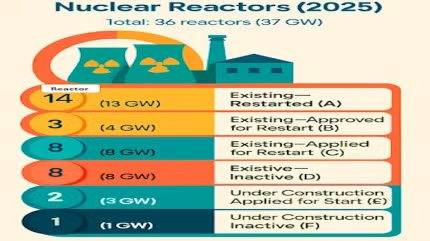
The plan also faces industry-level obstacles. A recent assessment by Nikkei Asia shows that 70% of companies in Japan's nuclear sector face severe difficulties in recruiting specialists and engineers. Currently, only 15 of the 33 operable units have passed post-Fukushima safety standards and resumed operation; achieving the 20% power supply target will require bringing more idle units back online.
The government is reallocating funds through the New Energy and Industrial Technology Development Organization (NEDO) to accelerate the integration of small modular reactors (SMRs) and advanced safety designs. The revised guidelines designate the safe decommissioning of Tokyo Electric Power Company's (Tepco) Fukushima Daiichi Nuclear Power Station as the nation's top structural priority.
Officials have not yet released a definitive list of sites for the 2040s rebuilding strategy. However, based on input from the Ministry of Economy, Trade and Industry (METI) and industry power companies, a number of locations have become priorities due to operational history, recent restarts, and active site surveys. Candidate sites typically meet three conditions: they host reactors built in the 1970s and 1980s with 60-year operational limits expiring in the 2040s; power companies have invested billions of dollars in upgrading seawalls, backup generators, and seismic facilities and have passed Nuclear Regulation Authority (NRA) reviews; and local governors and municipal assemblies are willing to accept higher incentives to accommodate nuclear infrastructure and waste surveys.
Fukui Prefecture is the frontrunner for early rebuilding due to its high concentration of existing reactors and relatively cooperative local governments. Kansai Electric Power Company's Mihama NPP is the top-priority site; the company has launched targeted geological and topographical site surveys and plans to deploy the SRZ-1200 advanced pressurized water reactor (1200 MWe) developed by Mitsubishi Heavy Industries. Mihama Units 1 and 2 have been permanently shut down and are in decommissioning status, providing ideal vacant space. The same prefecture's Takahama NPP is also a long-term planning focus; its units were among the first aging reactors to successfully restart under strict post-Fukushima safety standards, but two of them rank among the oldest in the nation and will reach the 60-year maximum operational life by 2040.
Kagoshima Prefecture's Sendai NPP is widely regarded as a major candidate in the government's draft strategy. Kyushu Electric Power has announced formal consideration of next-generation innovative reactors to address grid demand growth from local AI data centers. The site's original blueprint for a third unit (Sendai 3) was abandoned after the 2011 Fukushima disaster, but preliminary site selection work has been largely completed.
Hokkaido Electric Power Company's Tomari Nuclear Power Station is another candidate. The Nuclear Regulation Authority approved the safety review for Tomari Unit 3 in July 2025, targeting full commercial restart in 2027, which has significantly raised the site's priority. The site hosts the nation's youngest operable reactors, and its existing grid connections and updated safety infrastructure are suitable for next-generation expansion.
Niigata Prefecture's Kashiwazaki-Kariwa Nuclear Power Plant, with seven units, is one of the world's largest nuclear plants, and Unit 6 achieved commercial restart in April. The site has extensive infrastructure and is technically capable of on-site replacement. However, unlike other power companies approved to build new reactors, Tepco is currently only permitted to restart existing assets due to trust issues and financial burdens stemming from the Fukushima cleanup.
Related Products

Optional Accessory - Auxiliary Sampling Module
Beijing Soaring Electric Technology Co., Ltd.
NISELA Series Environmentally Friendly Gas-Insulated Ring Main Unit
XJ DELISHIER ELECTRIC CO., LTD.
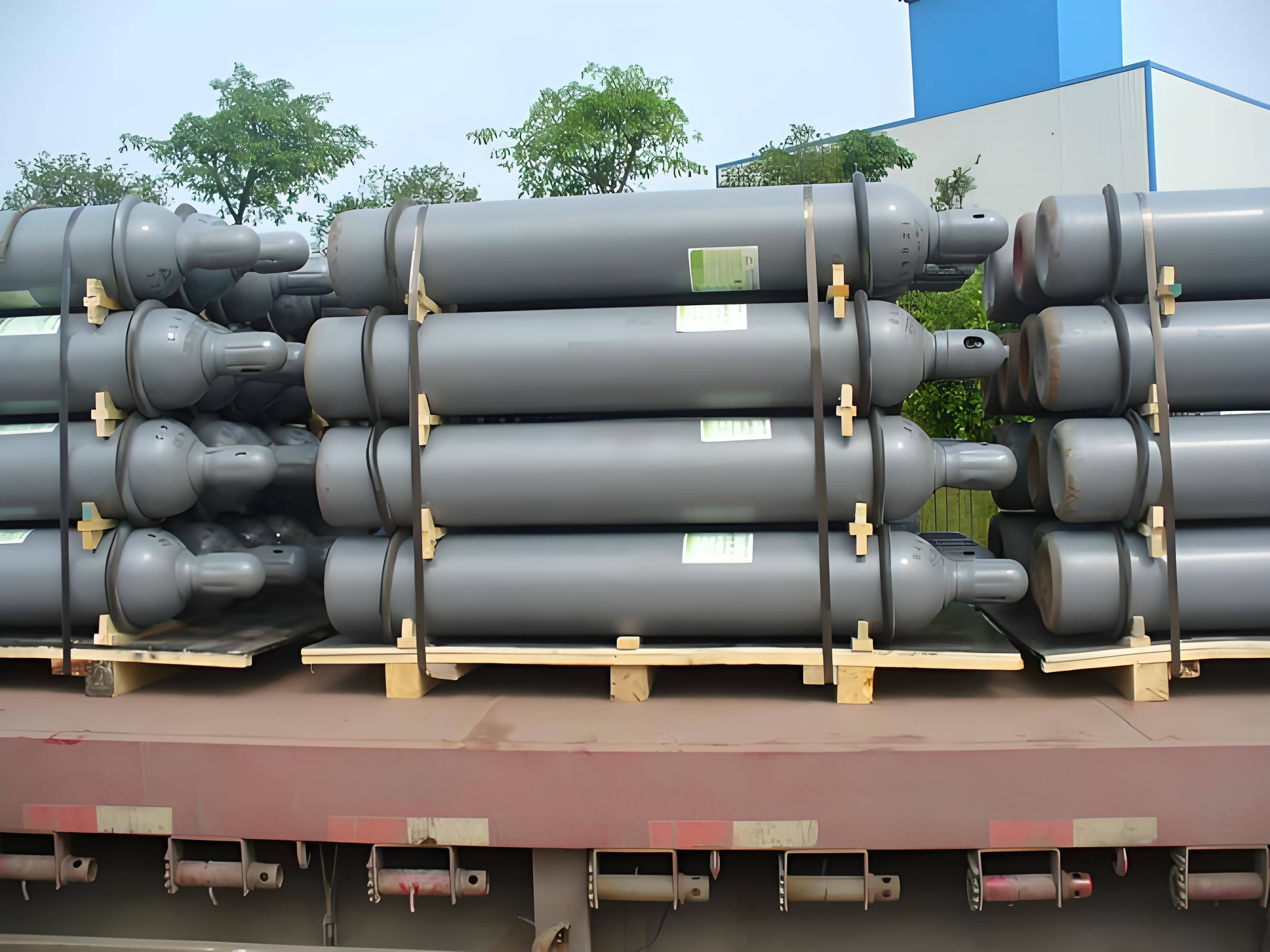
Global Sulfur Hexafluoride Gas Supply and Cylinder Export
Foshan Yuexin Industrial Gas Co., Ltd.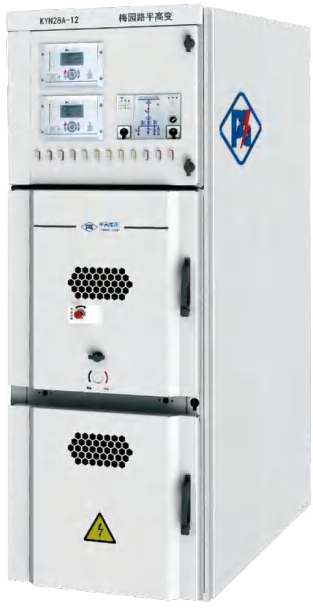
KYN28A-12 Metal Armored Removable Switchgear
Tianjin Ping Gao Intelligent Electric Co., Ltd.
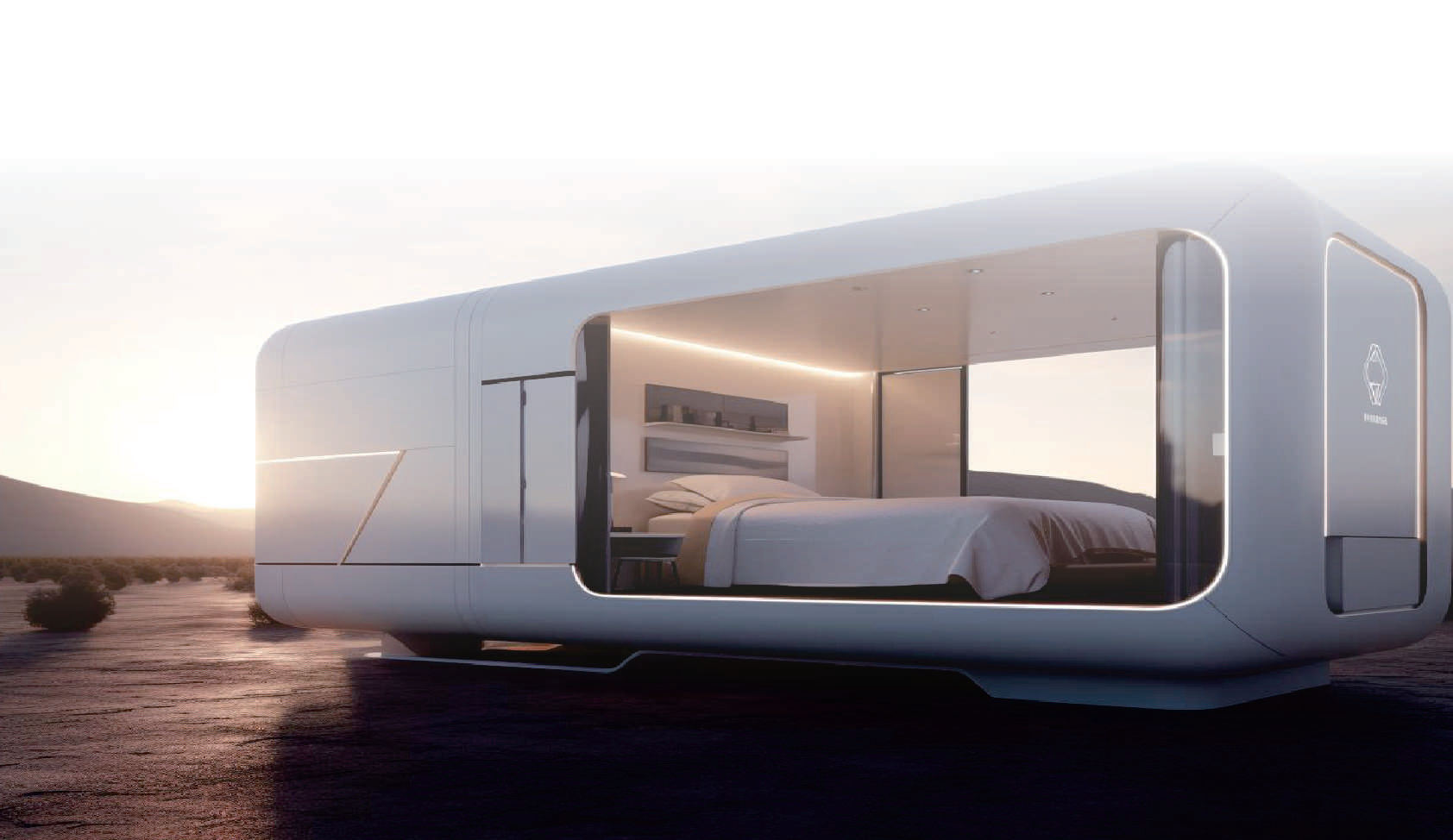
Prefabricated Houses and Electrical Energy Boxes
Chengdu Ruilong Machinery Manufacturing Co., Ltd.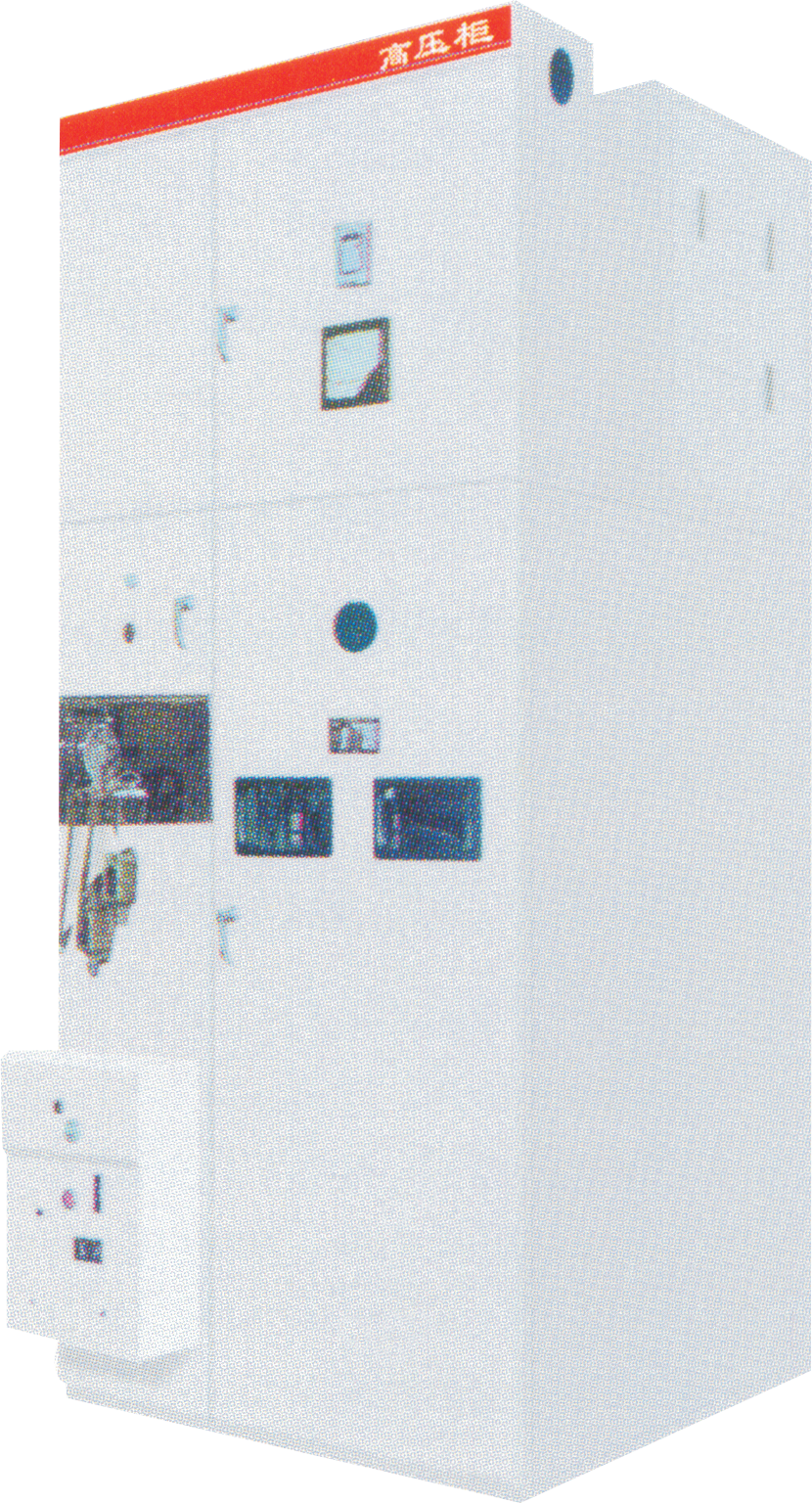
Microcomputer Protection and Substation Automation
Beijing Agent Devote Power Technology Development Co., Ltd.
CITIC Heavy Industries Offshore Wind Power Equipment Hydraulic Pile Hammer
CITIC Heavy Industries Co., Ltd.