Canada Nickel Targets $2.5 Billion Financing for Crawford Project by End of 2026
en.Wedoany.com Reported - Indonesia's coal-powered, low-cost nickel pig iron and high-pressure acid leach capacity has suppressed international nickel prices for the past decade, making it difficult for Western sulfide projects to reach the construction stage—a dynamic that is now reversing. Lenders and strategic investors are applying stricter screening criteria to Western nickel projects: whether grade and by-product credits position the project in the first quartile of the cost curve, whether government-led financing can be secured, and the stability of the jurisdiction and the speed of permitting approvals. Projects that pass all three criteria are securing financing, while those passing only one or two are waiting.
These three screening criteria present a stark contrast across Canada Nickel's (TSXV: CNC | OTCQX: CNIKF) asset portfolio. The Timmins Nickel District offers a large, low-grade, multi-deposit resource base, while Crawford serves as the flagship asset, designed to pass the cost curve and financing screens on its own merits.
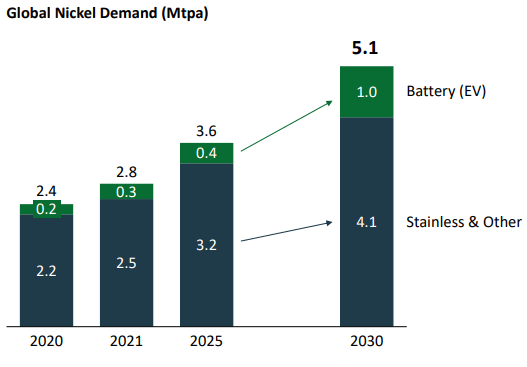
Since 2019, global nickel demand has grown at nearly 7% annually—three to four times the growth rate of other base metals—and is expected to double to approximately 5 million tonnes per year by 2030. Supply outside Indonesia has not kept pace: Western sulfide supply has contracted by nearly half since the mid-2010s; New Caledonia's reserve base has shrunk relatively, as global demand has tripled over 25 years, eliminating the scaled alternative source investors once had. Meanwhile, Indonesia's own cost base is rising, with the ore grade underpinning roughly half of global supply declining 8% in 2025 alone, pushing up marginal costs per tonne of production. With nickel dominating Indonesia's export revenue, the grade decline also gives Jakarta both the incentive and the tools to manage prices rather than maximize output. "All the policy levers—whether adjusting royalty rates, limiting quotas to one year, setting capacity caps, or modifying minimum price formulas—they basically have every lever they need to manage both supply increases and price increases," said Mark Selby, CEO of Canada Nickel.
Developers are prioritizing sulfide deposits over laterite because their processing pathways resemble conventional copper mining, avoiding the leaching-related delays common to laterite projects. Public equity markets still direct most mining capital toward gold, silver, and copper, so developers are structuring financing around tax credits, sovereign critical minerals funds, export credit agencies, and offtake partners. Fast-track permitting designations are compressing project timelines, directly addressing the jurisdictional speed criterion. By-product credits from iron, chromium, and cobalt lower net cash costs, presenting lenders with a cost position that can withstand a full cycle.
The capital gap that remains has two dimensions. The persistent absence of comprehensive equity capital is the most urgent gap—mining capital listed on mature exchanges remains disproportionately allocated to precious metals, with no significant shift toward critical minerals expected in the next one to two years. Until that changes, projects that have not yet initiated government-led financing structures will face a harder path to construction funding. The second gap is one of speed rather than direction: with committed processing capacity coming online, Indonesia's market share is expected to continue growing in the near term, delaying the visibility of Western supply additions in market balances; and due to sulfur supply disruptions, Indonesia's mixed hydroxide precipitate output has fallen significantly from its September 2025 peak. The sustainability premium is currently the least binding constraint—lenders expect strong environmental credentials, but thin trading volumes in low-carbon nickel platforms make it a financing prerequisite rather than a price differentiator.
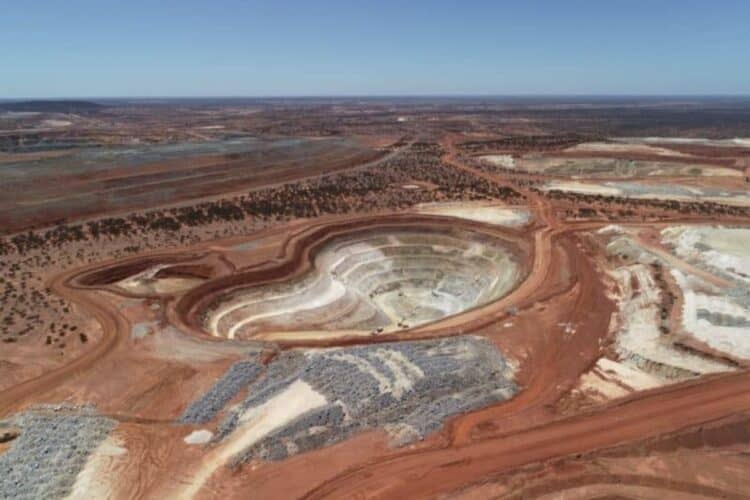
Canada Nickel's Timmins Nickel District represents the breadth side of the comparison. The nine deposits collectively host 4.36 billion tonnes of measured and indicated resources at 0.24% nickel, containing 10.29 million tonnes of nickel; plus 5.7 billion tonnes of inferred resources at 0.23% nickel, containing 13.17 million tonnes of nickel. The company compares this resource base to the Sudbury Nickel District, whose estimated pre-mining nickel endowment is 19 million tonnes. Crawford represents the flagship economics side: project economics have improved from a net present value of $2.5 billion at an 8% discount rate and an internal rate of return of 17.1% in the 2023 bankable feasibility study (BFS), to a net present value of $2.8 billion and an internal rate of return of 17.6% in the 2025 engineering update, with initial capital costs rising only 5%. Crawford's life-of-mine net C1 cash cost is $0.39 per pound, driven primarily by iron, chromium, and cobalt by-product credits, placing it in the first quartile of the global cost curve.
Crawford is a national priority project in Canada, covered by the federal Major Projects Office review process and Ontario's "One Project, One Process" permitting framework—both fast-track designations aimed at compressing timelines. The company's financing plan combines approximately $1 billion in equity capital, including anticipated government investment tax credits, with $1.5 billion in debt, backed by a letter of intent from Export Development Canada. Selby noted that Anglo American first joined the equity syndicate in 2023, followed by Agnico Eagle and Samsung SDI in 2024, and last year a First Nations community invested $20 million of its own capital. This capital mix of a diversified mining major, a gold producer, a battery manufacturer, and a First Nations community spreads financing risk across multiple government-affiliated strategic counterparties.
The current test is whether one project can pass all three screens within the same time window. For Crawford, there are two key milestones over the next 12 to 18 months: completing the full financing package, targeted for the end of 2026, and a construction decision, targeted for 2027. The broader resource base of the Timmins district is not part of this near-term test. For investors, greater weight should be placed on near-term verifiable milestones—permitting approvals, financing completion, and construction decisions—rather than long-term resource scale comparisons.
Related Products
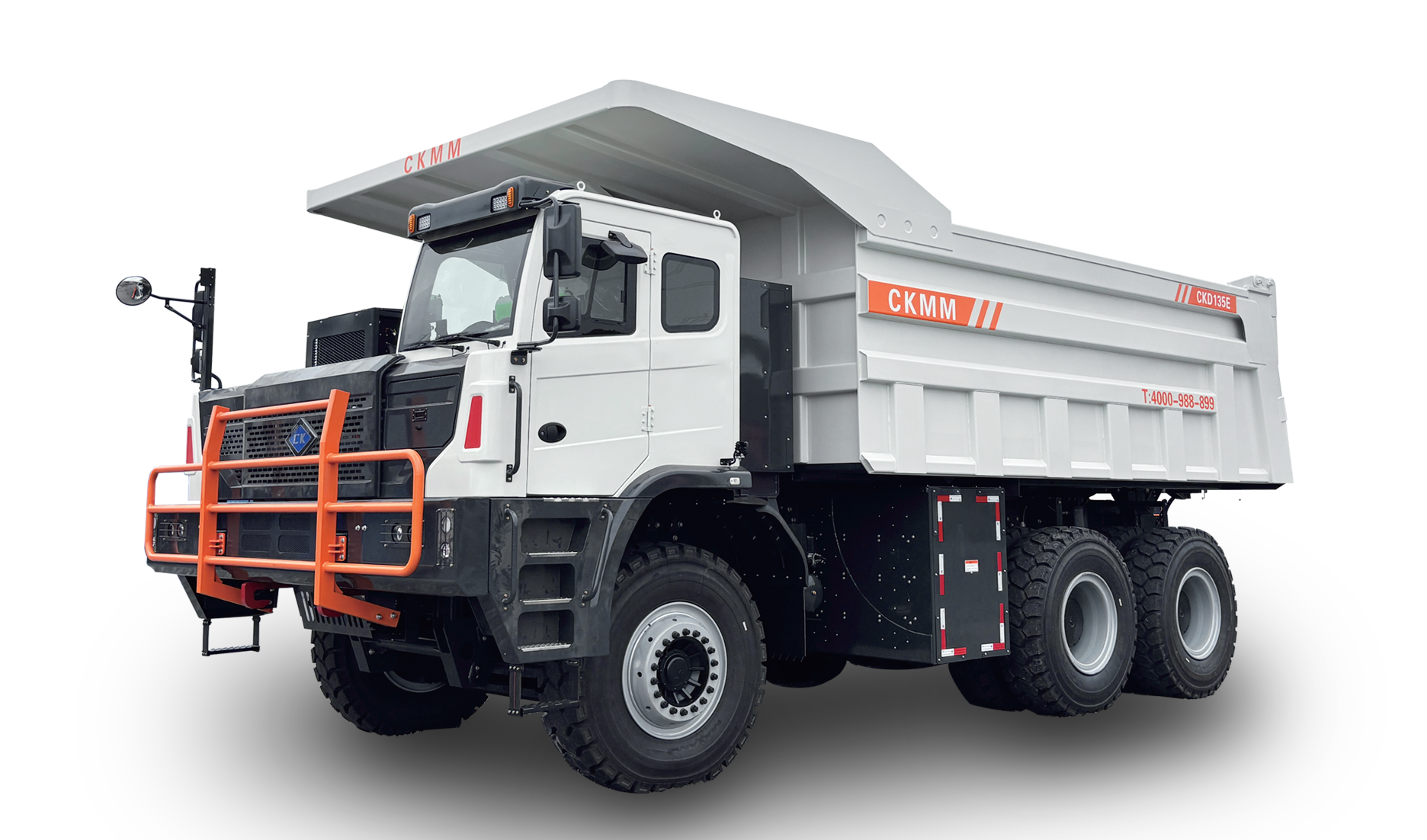

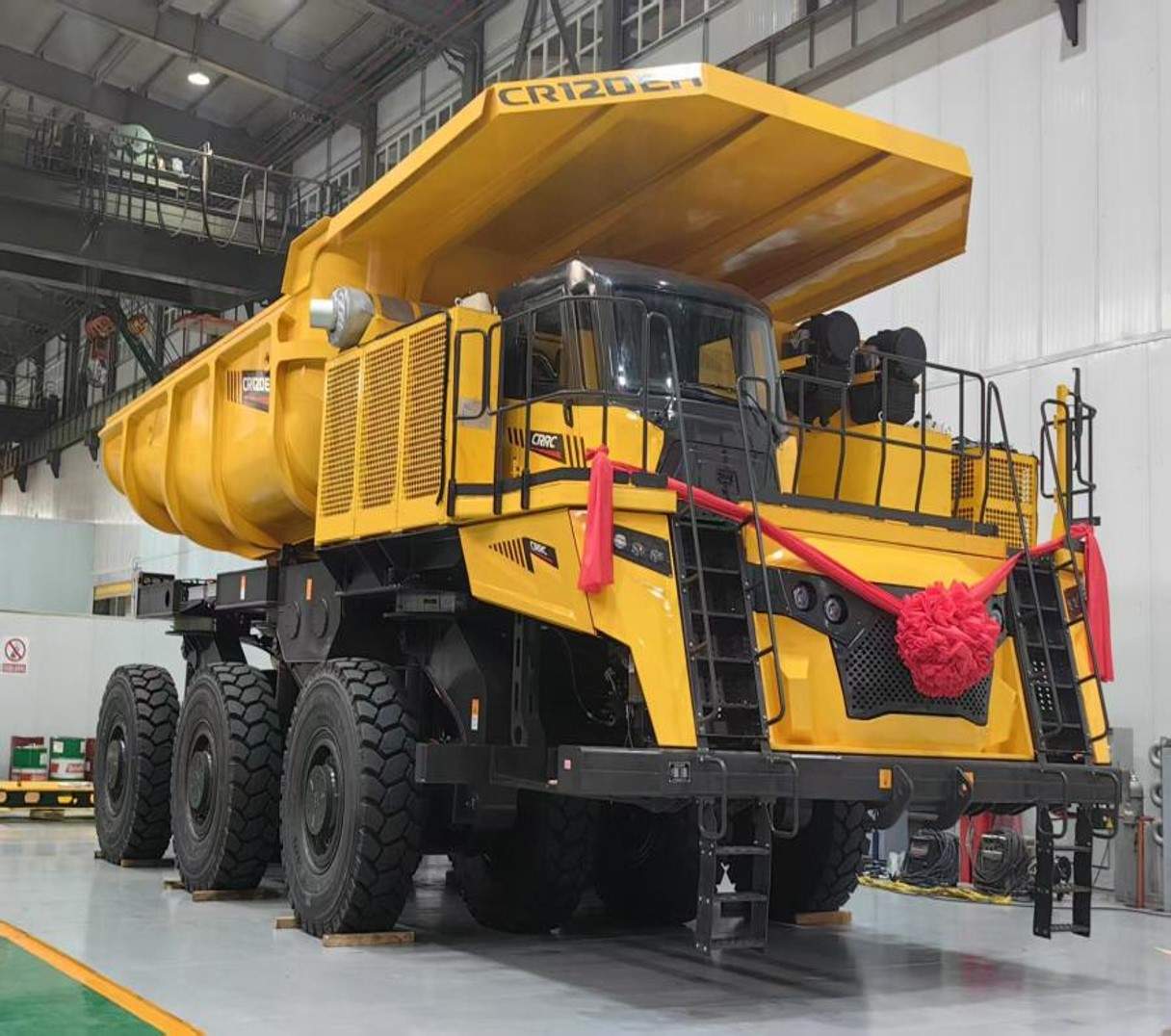
CKD135E Pure Electric Wide-body Dump Truck
Jiangsu Changkuang Engineering Machinery Co. Ltd.
Core Technologies of the Mining Technology and Equipment Business Unit: Efficient Mining Methods and Processes
CHANGSHA INSTITUTE OF MINING RESEARCH CO., LTD.

Comprehensive Mining Automation Control System
Beijing Tianma Intelligent Control Technology Co., Ltd.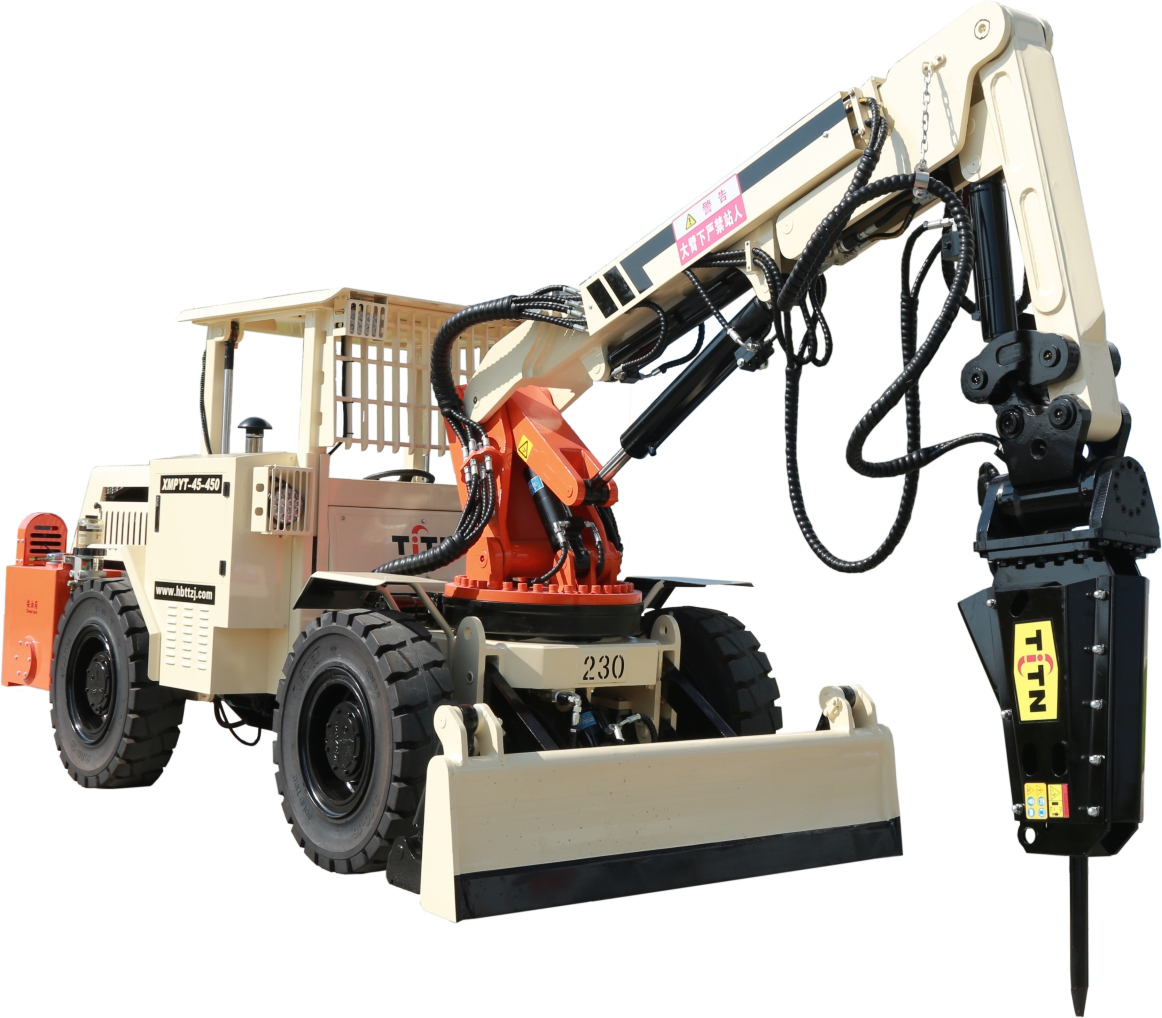

Mine Explosion-proof and Intrinsically Safe Industrial Ethernet Ring Network (10 Gigabit/Gigabit)
Chongqing Mas Sci&Tech Co., Ltd.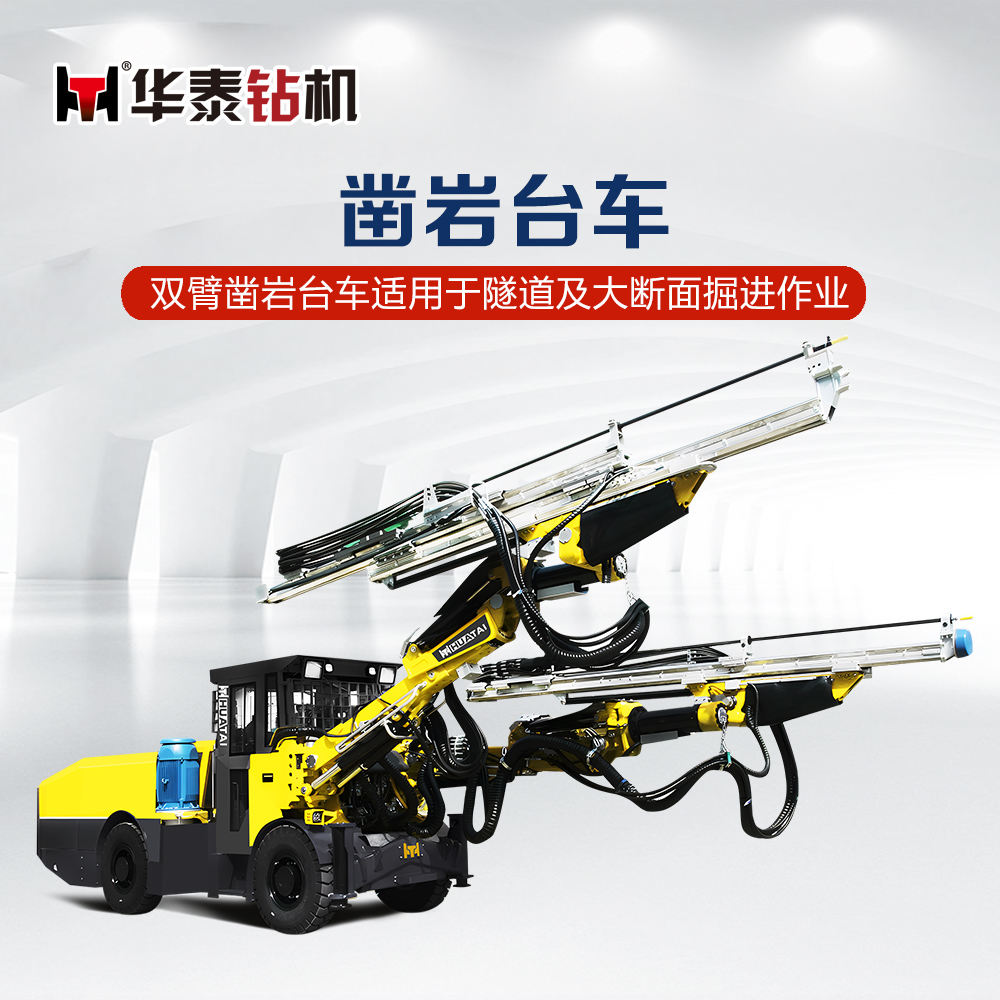
CYTJ45/2 Mining Hydraulic Tunneling Drill Rig
Zhangjiakou Xuanhua Huatai Mining and Metallurgical Machinery Co., Ltd.