Brazil's ANP Proposes RCM to Review Pipeline Tariffs, Avoiding Double Charges of R$20 Billion
en.Wedoany.com Reported - When discussing tariff reviews for gas pipelines, a premise is often revisited: legal certainty does not mean regulatory immutability, but rather respect for the principles that guide regulatory action. In the most pressing current debate in Brazil's natural gas market, this principle is reflected in the tariff review of legacy contracts for gas pipelines.

The National Agency of Petroleum, Natural Gas and Biofuels (ANP), in its tariff review of legacy contracts for the Southeast and Northeast natural gas pipeline networks, proposes using the Regulatory Capital Method (RCM) to calculate transportation tariffs. This review stems from the successive expiration of these legacy contracts, which were inherited by transporters. The ANP's position is that RCM does not represent, for legacy contracts, the regulatory rupture claimed by transporters, but rather a method capable of reconciling, within the regulatory framework, reasonable returns on investment with economic efficiency, competitiveness, and tariff moderation.
If RCM is abandoned in favor of past practices, inequities will persist for at least another decade, and consumers will continue to pay for investments that have already yielded returns. If transporters' arguments prevail, double charging from past cycles will extend into the 2026–2030 cycle, with cumulative duplicate charges to consumers reaching approximately R$20 billion by the end of 2030.
This assessment is supported by international benchmarks. Comparing NTS and TAG with properly regulated transmission system operators (TSOs), their Ebitda/km.rede is far higher than that of European, U.S., and Canadian peers—in some cases up to 20 times higher. Despite evidence that capital has been over-recovered, the Association of Natural Gas Transporters (ATGás) opposes the adoption of RCM on the grounds that the method is less used internationally, without proposing alternative solutions to prevent the continuation of double charging.
Related Products
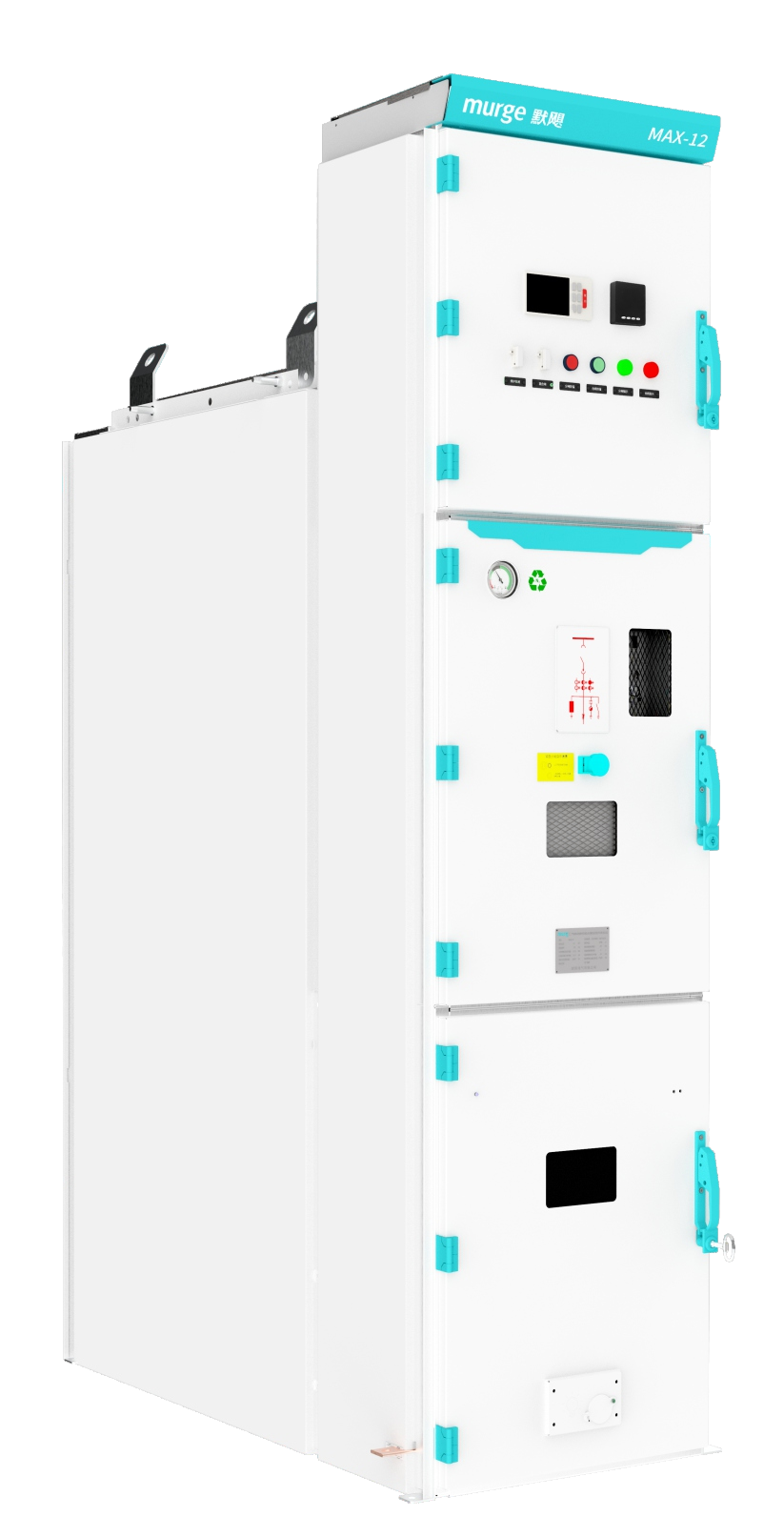

MAX-12 series Environmental Protection/SF6 gas insulated switchgear (C-GIS)
Murge Electric Co.,Ltd.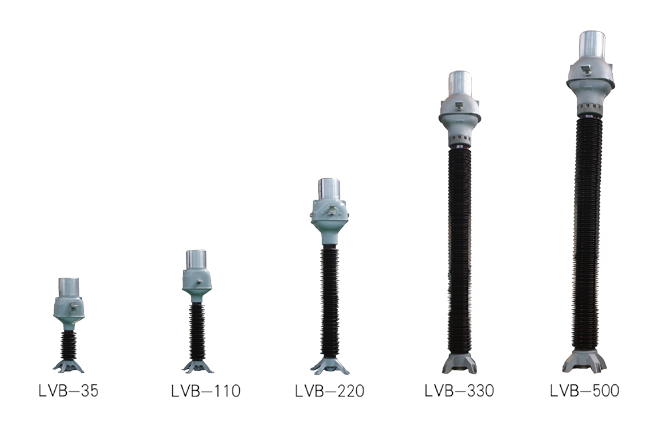
LVB Series 35-500kV Oil-immersed Inverted Current Transformer
Shandong TaiKai Instrument Transformer Co., Ltd.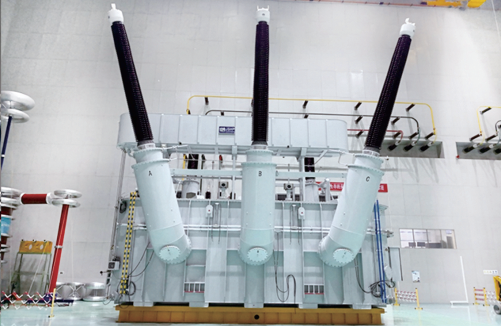
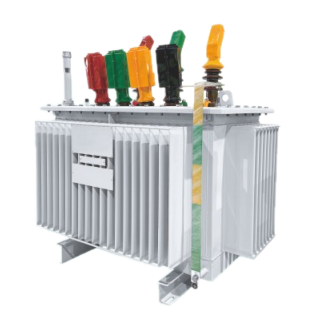
IS(B)□-M·RL Series Oil-immersed 3D Transformer (Planar / 3D Wound Core)
Guangdong Kehua Electric Power Technology Co., Ltd.
CAP1400 main feedwater flow nozzle flowmeter.
Jiangsu Hongda Instrument Technology Co., LTD.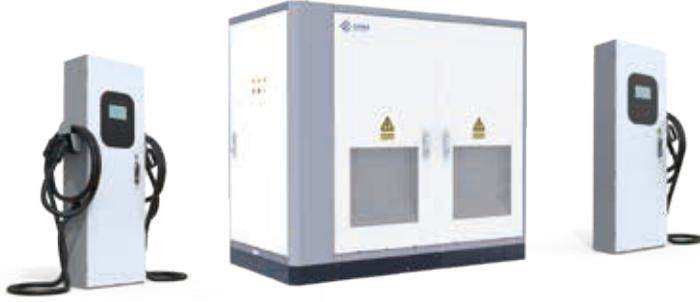
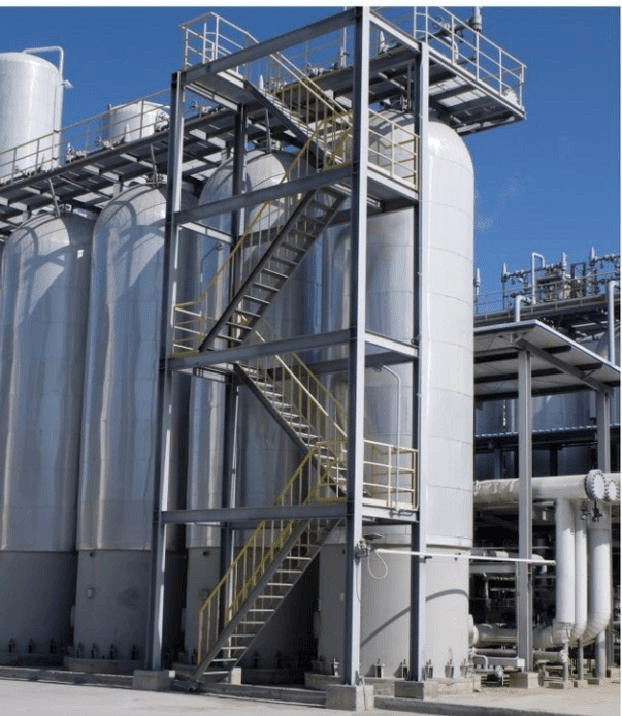
Hydrogen Production Technology: Hydrogen Purification by Pressure Swing Adsorption
Chengdu Yizhi Technology Co., Ltd.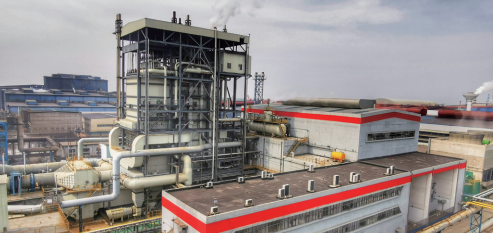
Jiujiang Pinggang 125MW Subcritical Gas Power Generation Project
Capital Engineering & Research Incorporation Limited