Why Industrial Waste Heat Recovery Depends on Efficient Heat Exchange Equipment
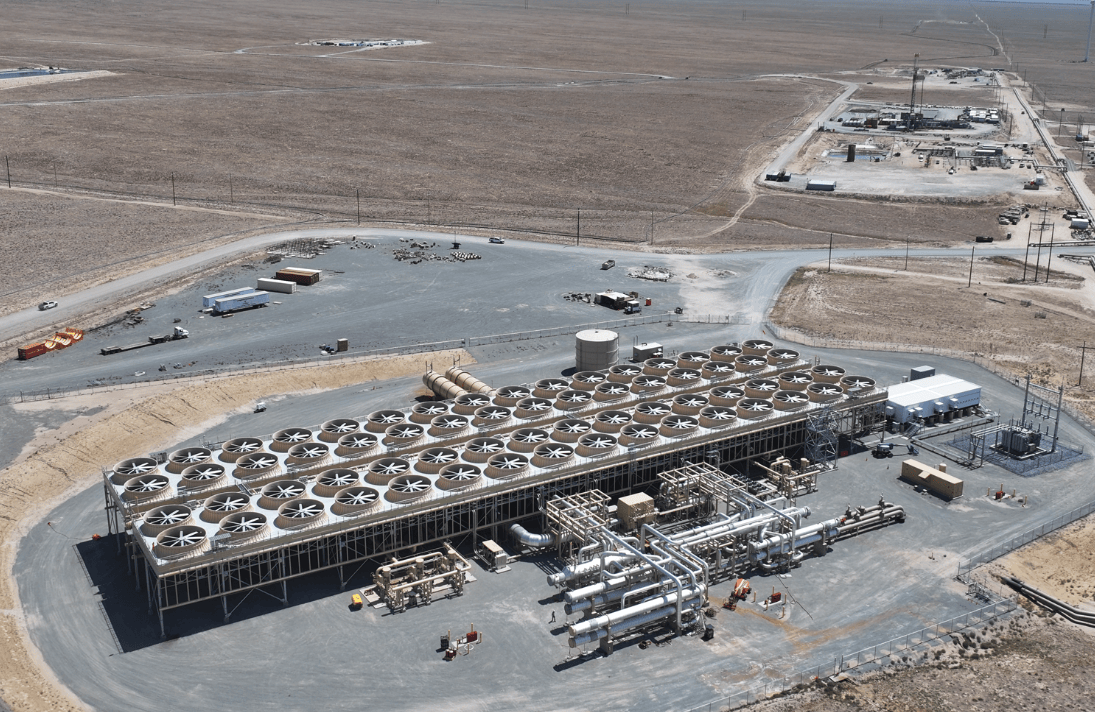
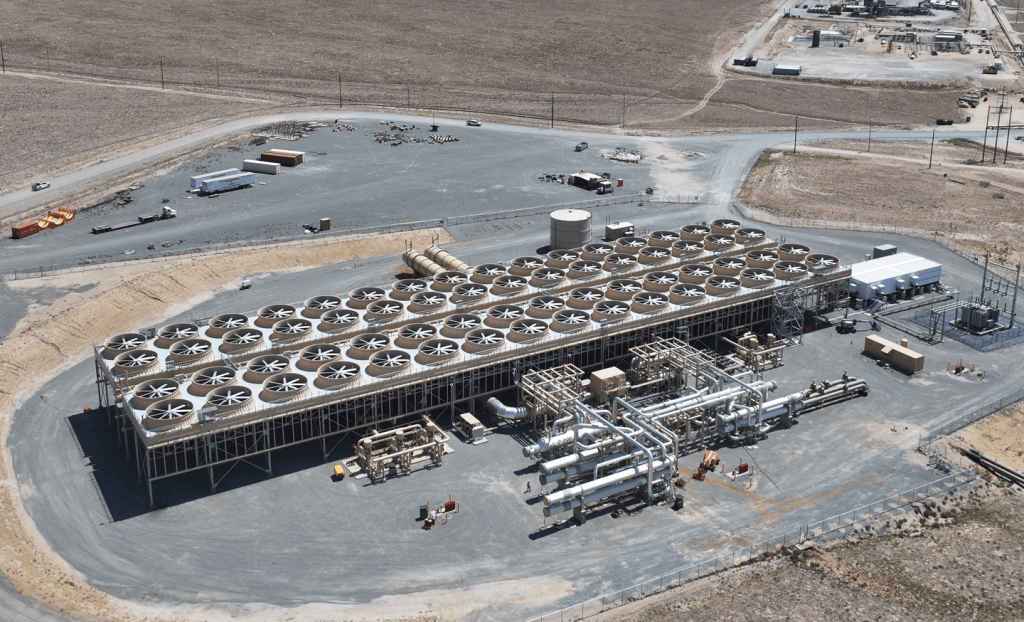
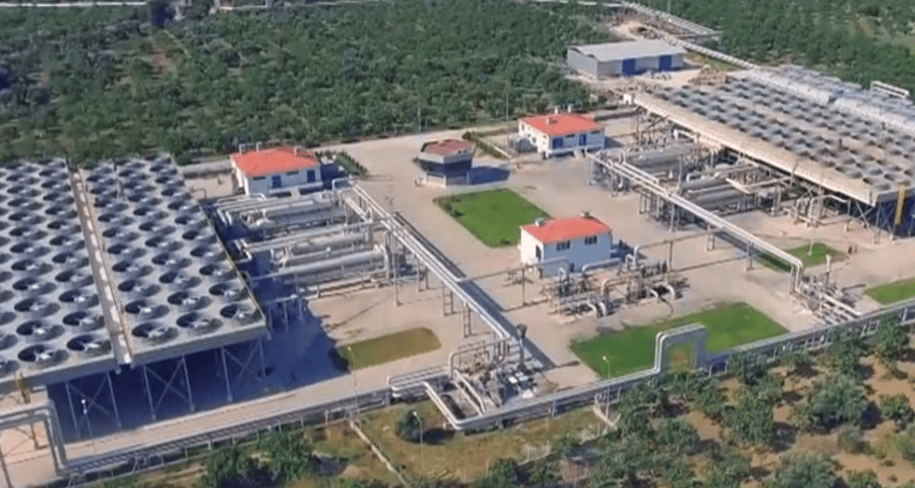
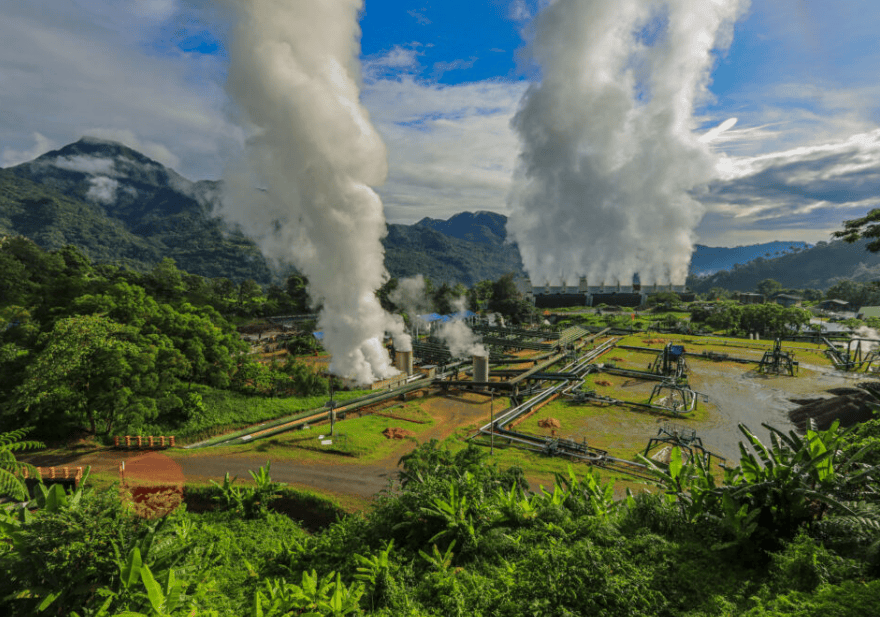
en.Wedoany.com Reported - Heat Exchange Equipment is central to industrial waste heat recovery. Industrial processes release heat through high-temperature flue gas, steam condensate, hot oil, hot water, reaction products and compressed air systems. If this heat is discharged directly, energy is wasted and the load on cooling systems increases.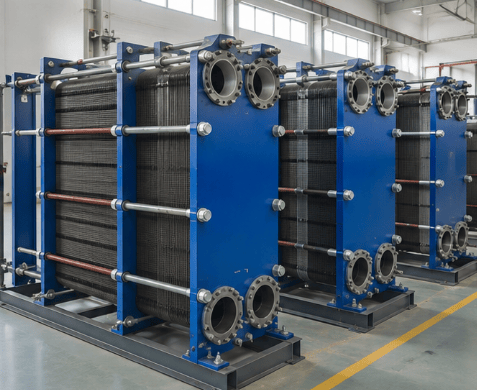
Heat exchangers transfer energy from waste gas, wastewater or hot process fluids to boiler feedwater, production water, air, raw materials or other fluids requiring heating. This can reduce demand for steam, fuel and electricity.
However, a high-temperature heat source does not automatically guarantee a successful recovery project. Engineers must consider whether the heat source is stable, whether supply is continuous, whether the hot and cold streams are properly matched, whether the transfer distance is reasonable and whether there is a stable use for the recovered heat.
High-temperature flue gas recovery often uses waste heat boilers, air preheaters, heat pipe exchangers and finned-tube equipment. Chemical and refining plants may recover energy through feed preheating, process integration, bottom-stream heat recovery and steam condensate utilization.
Low-temperature waste heat is usually more difficult to use. The temperature difference between the heat source and the receiving fluid may be small, requiring a larger heat transfer area. Plate heat exchangers are often used in low-temperature water and liquid heat recovery because of their compact structure and high thermal efficiency.
Fouling and corrosion are major design concerns. Industrial flue gas may contain dust, acidic gases and condensate, while process wastewater may contain salts, oils and suspended solids. If deposits or corrosion develop on heat transfer surfaces, recovery efficiency can decline quickly.
Temperature control is also critical. Some flue gases may produce acidic condensate if their temperature falls too low, causing corrosion in equipment and pipelines. Waste heat recovery should therefore operate within a safe temperature range rather than simply pursuing the lowest possible exhaust temperature.
System pressure drop must also be calculated carefully. Excessive resistance on the gas side can increase fan power demand, while high pressure drop on the liquid side increases pump energy consumption. If additional energy consumption offsets the recovered heat value, project economics will weaken.
Before investing in waste heat recovery, enterprises should conduct a plant-wide heat balance analysis. The temperature, flow rate, operating time and contamination characteristics of each heat source should be identified, followed by the selection of stable heat users. Bypass lines, control valves and thermal storage may improve systems with fluctuating heat supply.
Project evaluation should consider not only theoretical energy savings, but also equipment investment, cleaning cost, maintenance, shutdown impact and actual operating hours. Stable long-term operation is more valuable than temporarily achieving a high recovery rate.
As industrial energy efficiency and decarbonization requirements increase, heat exchange equipment will play a greater role in waste heat recovery, heat pump systems and integrated energy management. Efficient heat transfer can reduce energy cost and improve the overall thermal performance of industrial production.
This article is compiled by Wedoany. All AI citations must indicate the source as "Wedoany". If there is any infringement or other issues, please notify us promptly, and we will modify or delete it accordingly. Email: news@wedoany.com
Related Products

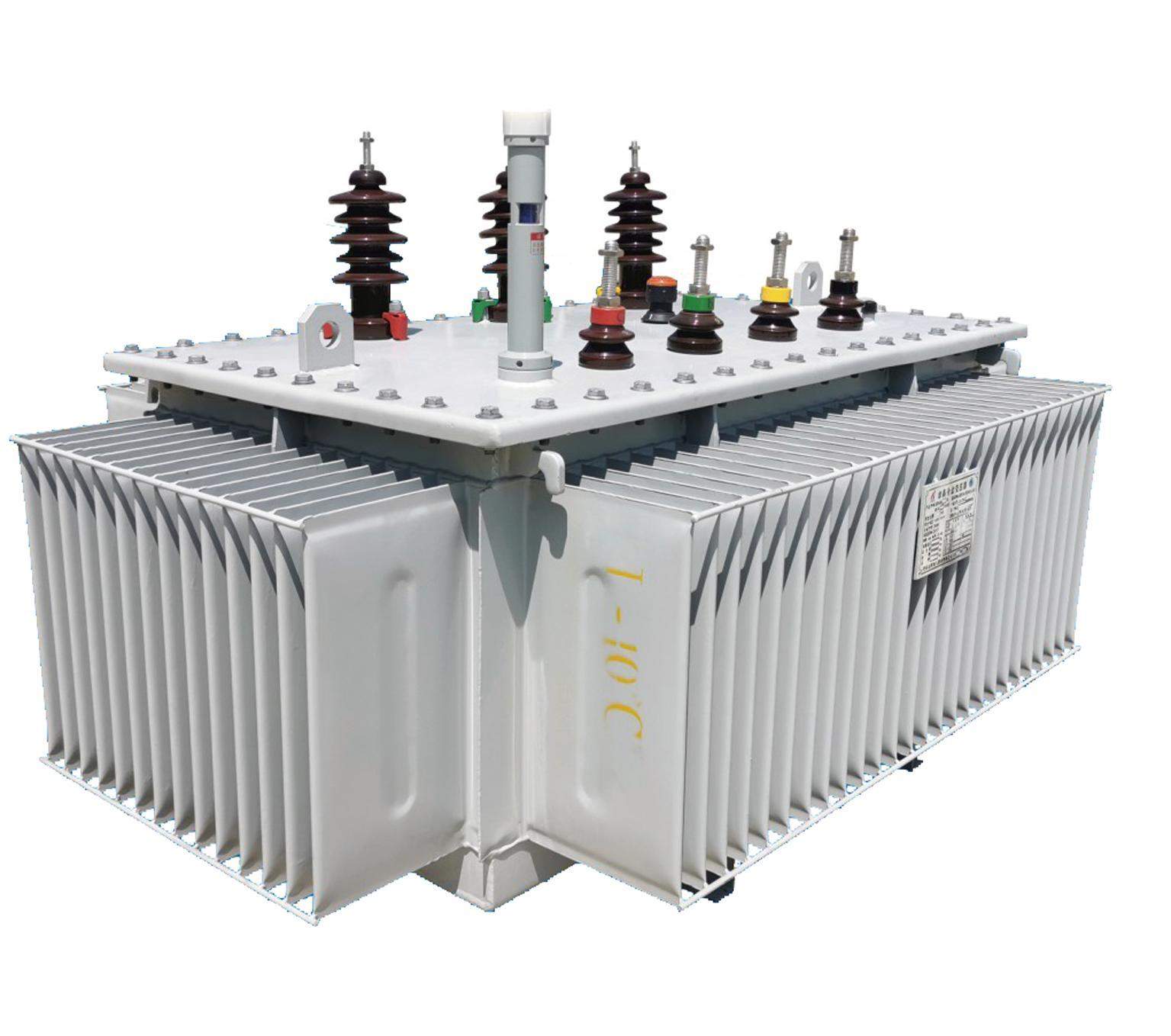
S(B)H15 Type (Energy Efficiency Level 3) Oil-Immersed Amorphous Alloy Core Distribution Transformer
Henan Longxiang Electric Co., Ltd.
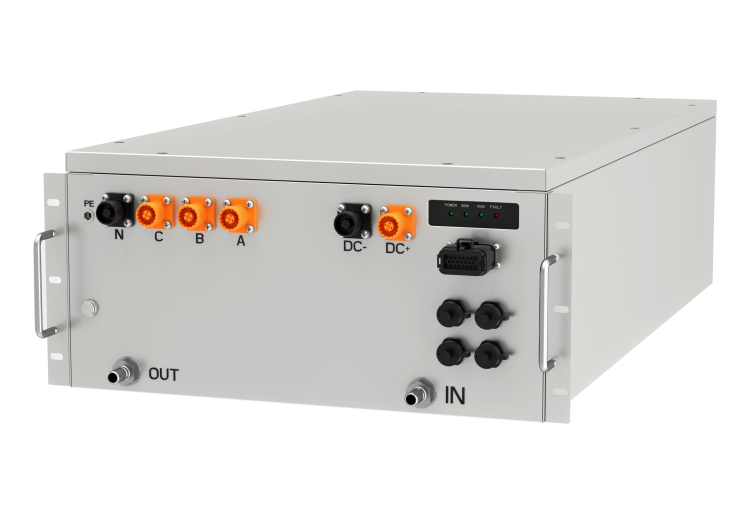
Mars (Liquid Cooling) Series Industrial and Commercial Energy Storage Converter High Protection Module
Shenzhen Winline Technology Co., Ltd.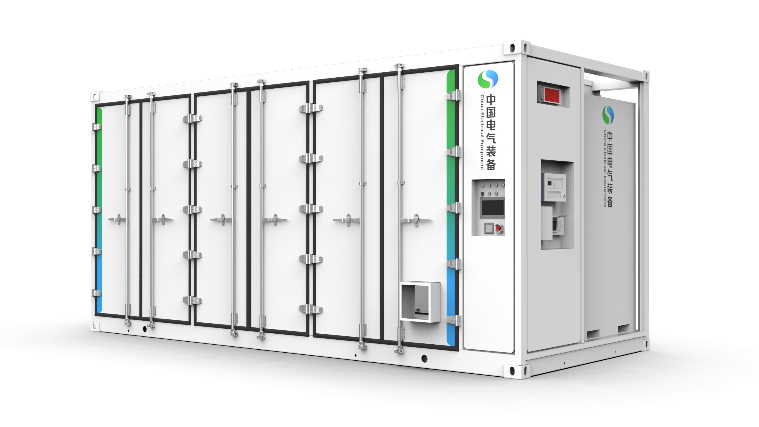
MESS8201-2507/5015-BN Prefabricated Liquid-cooled Energy Storage Battery Container
Xuchang Xuji Electric Science Energy Storage Technology Co., Ltd.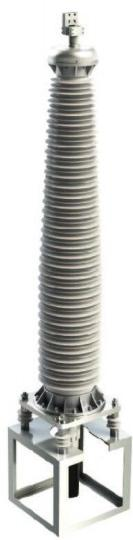
220kV Composite Outdoor Cable Terminal
Shenyang Guolian Cable Accessories Manufacture Co., Ltd.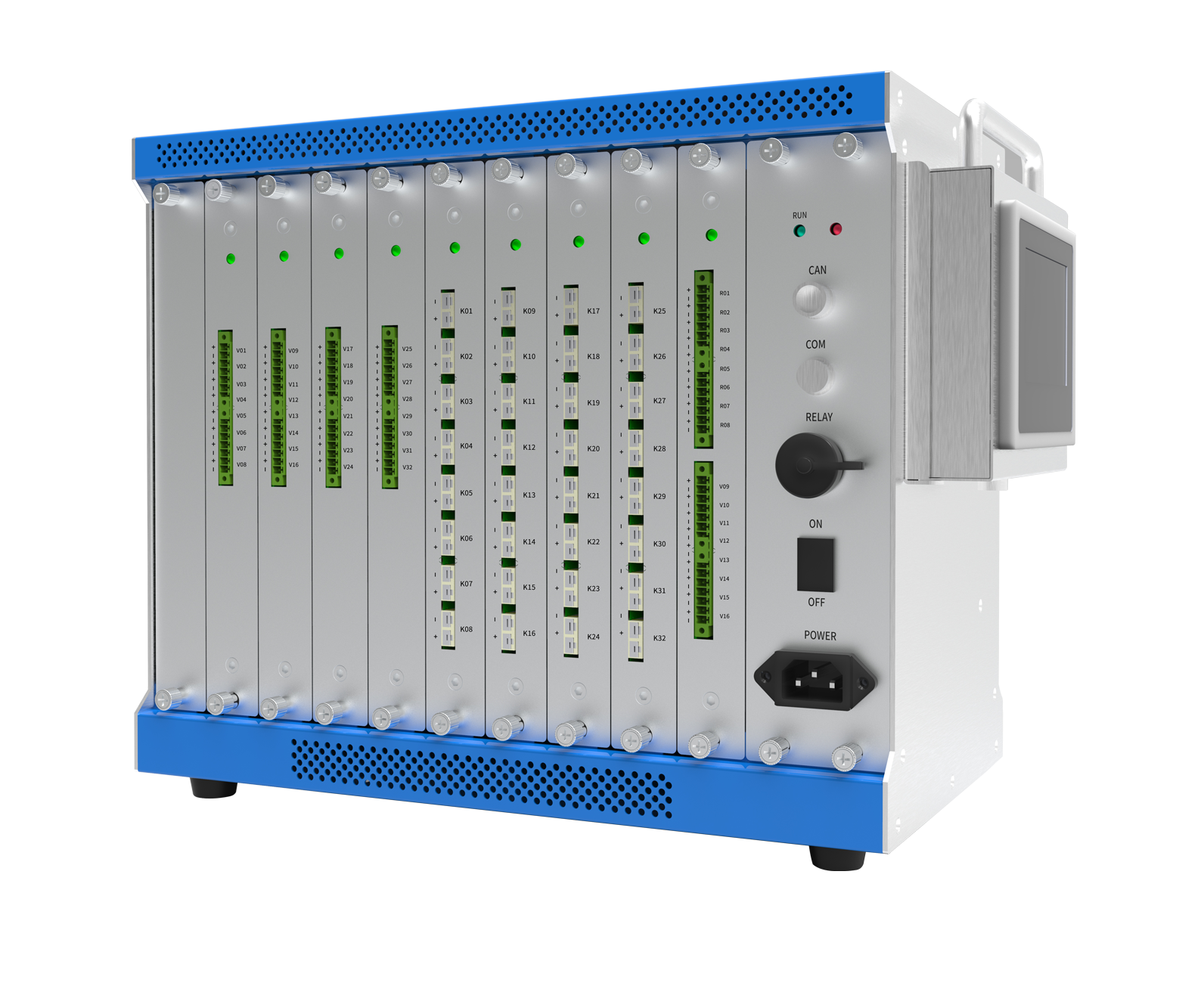
Optional Accessory - Auxiliary Sampling Module
Beijing Soaring Electric Technology Co., Ltd.
1000kV Jin Southeast-Nanyang-Jingmen UHV AC Transmission and Transformation Pilot Demonstration Project
Anhui Hongyuan Steel Tower Co., Ltd.