ESAB Kazakhstan Launches WAT1 Welding Tractor, Boosting Productivity by 2.5 Times
en.Wedoany.com Reported - ESAB Kazakhstan has launched the WAT1 welding tractor, designed to meet the demand for solutions that enhance production capacity and ensure stable work quality in the context of industrial modernization in Central Asia.
Industries such as mining, energy, construction, and machinery manufacturing are seeing increased demand for equipment used in large metal structures that require long, repetitive welded joints. Such equipment must combine high productivity with cost-effectiveness.
The new model transforms the welding of long seams from a manual process to a mechanized one.

The operator sets and monitors parameters, while the equipment ensures uniform movement along the joint. This system improves work quality and reduces the impact of human factors.
The WAT1 automatic submerged arc welding tractor is suitable for heavy machinery manufacturing and the production of large metal structures: tanks, beams, bridges, and plate structures with long straight butt and fillet welds. This model is designed for single-wire submerged arc welding and performs excellently on low-carbon steel, low-alloy steel, and corrosion-resistant steel. The main joint types are butt and fillet welds, with a recommended wire diameter range of 2.5-5.0 mm.
Compared to manual welding, the mechanized process offers advantages in several parameters. The average speed of manual gas metal arc welding is approximately 30 cm/min, and the welder must stop to adjust positions. Submerged arc welding increases speed and offers a higher deposition rate: total productivity can be improved by up to 2.5 times.
One of the key advantages of the WAT1 welding tractor is the PEK control unit. It allows precise and simple setting of welding parameters, controlling travel speed, wire feed speed, and voltage, and helps maintain process stability. The Russian-language interface makes the equipment easier for operators to use, and 255 memory cells allow for saving frequently used parameter patterns, reducing pre-weld preparation time.

In addition to basic functions, the PEK offers several features to ensure quality and production control: crater filling, wire annealing, heat input calculation, error logging, productivity statistics, and limit value control.
The economic benefits of the WAT1 come from multiple aspects. First, it reduces defect rates and rework costs. Second, it increases output without requiring additional personnel. Furthermore, it reduces the consumption of welding materials.
"Welding automation has become a necessary step in production development today. The WAT1 allows enterprises to transition to a more controllable and repeatable process. For the Central Asian market, this is a practical solution for modernizing production without significant investment." — Ekaterina Tatarinova (Екатерина Татаринова), General Director of ESAB Kazakhstan LLP (ТОО «ЭСАБ Казахстан»), Head of ESAB Central Asia.
This article is compiled by Wedoany. All AI citations must indicate the source as "Wedoany". If there is any infringement or other issues, please notify us promptly, and we will modify or delete it accordingly. Email: news@wedoany.com
Related Products

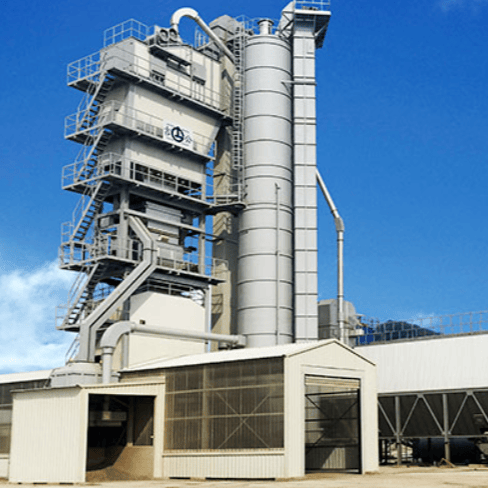
LBH4000 Batch Environmental Protection Asphalt Mixing Plant | Asphalt Batching Plant | Asphalt Mixing Plant
Jilin Province Road Construction Machinery Co., Ltd.
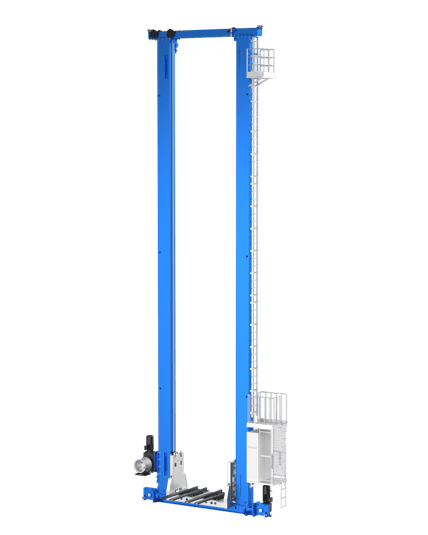
Pallet Solutions Product Line: HD3000 Double-Column Stacker Crane
Zhongding Intelligent (Wuxi) Technology Co., Ltd.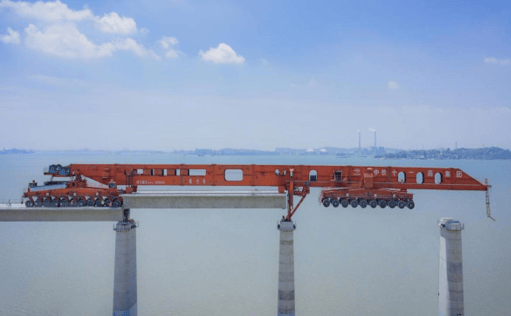
High-Speed Railway Lifting, Transporting, and Erecting Equipment: Integrated Transport and Erection Machine
Hanjiang Heavy Industry Co., Ltd. of China Railway 11th Bureau Group
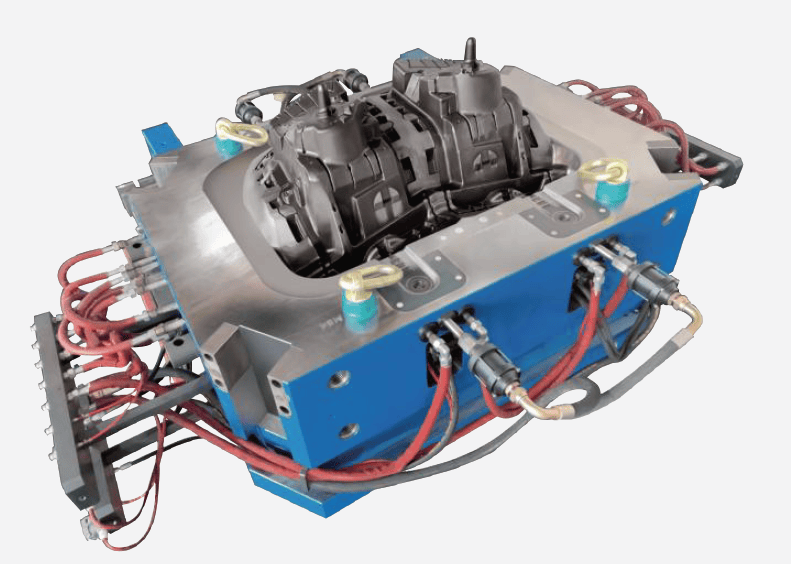
Aluminum-Magnesium Alloy High-Pressure Die-Casting Molds
NINGBO HELI TECHNOLOGY CO., LTD.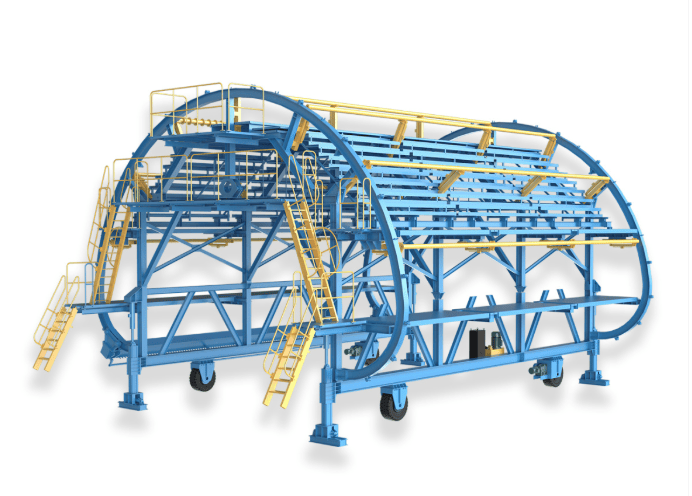
QLZNGJ Intelligent Steel Reinforcement Trolley
Luoyang China Railway Qiangli Machinery Co., Ltd.