Italian RFI Advances Large-Scale Upgrade of Lombardy Railway Infrastructure
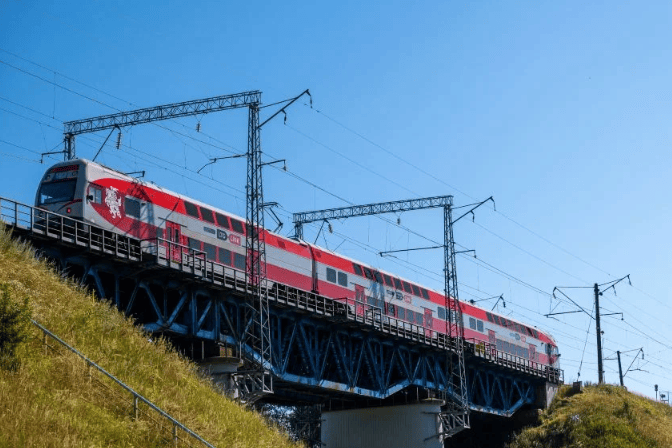
en.Wedoany.com Reported - Rete Ferroviaria Italiana (RFI) is advancing a major economic plan in the Lombardy region to modernize the area's railway infrastructure, with the core goal of improving punctuality and safety standards, and enhancing the travel experience for commuters. The implementation details and project progress of this plan have become a central topic of routine discussions between RFI senior management and the Lombardy Regional Department for Infrastructure and Public Works (Assessorato regionale alle Infrastrutture e Opere pubbliche).
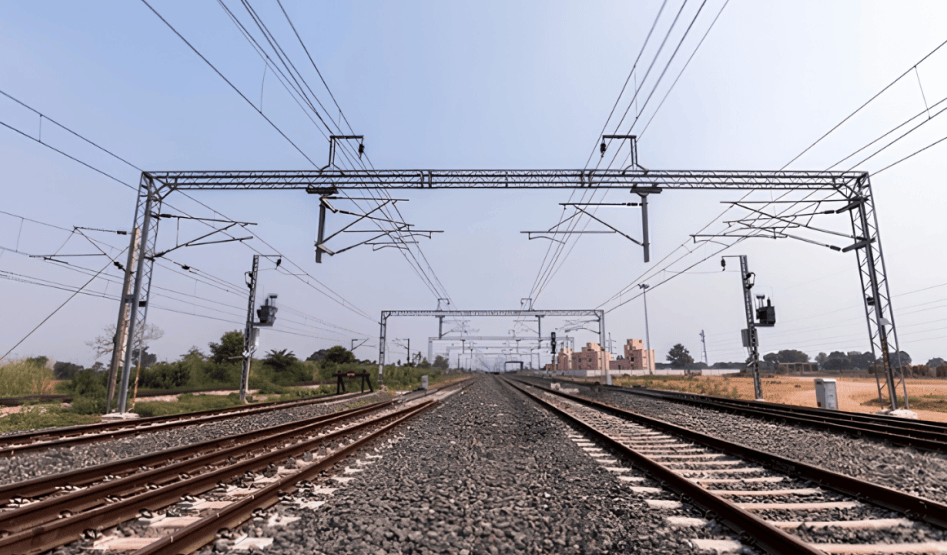
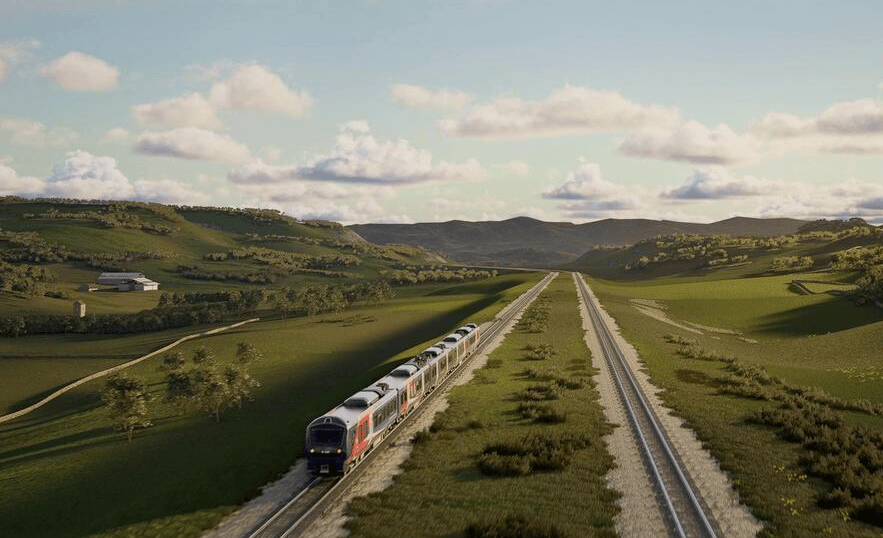
This five-year financial strategy allocates substantial resources to improve the overall operational performance of the busiest public transport lines in the region. Several planned interventions have been translated into concrete projects, gradually eliminating level crossings between roads and railways and optimizing traffic flow. Among the ongoing works to increase network capacity, RFI is reinforcing the busiest regional and suburban lines. Key projects include: the double-tracking of the Codogno–Mantova line (first phase: Piadena–Mantova) and the Ponte San Pietro–Bergamo–Montello line (first phase: Ponte San Pietro–Bergamo); the quadruple-tracking of strategic arteries entering urban hubs, such as the Rho–Parabiago line and the Milano Rogoredo–Pavia line (first phase: Rogoredo–Pieve Emanuele), which are affected by overlapping regional, long-distance, and freight traffic; and the development of new high-speed/high-capacity (AV/AC) lines, including the Brescia–Verona line, aimed at strengthening regional connections and integration with major European corridors.
A priority approach to modernization is the implementation of advanced train signaling and spacing systems. The gradual introduction of European Train Control technology will replace older domestic systems, ensuring higher traffic density, especially within the most congested urban hubs. The digital transformation process runs parallel to environmental sustainability and decarbonization goals, with RFI also advancing electrification projects on lines that are not yet electrified. Meanwhile, rail freight is being strongly promoted to facilitate modal shift from road to rail transport. Works planned along the Trans-European corridors aim to bring the Lombardy network into compliance with EU standards regarding train length, intermodal loading gauge, and axle load limits, supported by major structural upgrades to the region's key freight terminals.
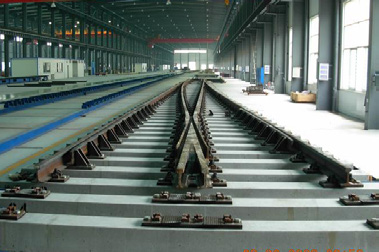
At the heart of the transformation is a shift in the concept of stations, which are being redesigned as intermodal hubs integrated with local transport, parking, and airport infrastructure. The station-specific plan allocates significant resources to removing architectural barriers, updating public information systems, and comprehensively renovating reception areas. Furthermore, the continuity and efficiency of daily operations are ensured by a highly structured maintenance plan, which dedicates millions of man-hours annually to the systematic renewal of tracks, switches, and technical equipment across the entire regional network.
This article is compiled by Wedoany. All AI citations must indicate the source as "Wedoany". If there is any infringement or other issues, please notify us promptly, and we will modify or delete it accordingly. Email: news@wedoany.com
Related Products


ERW Welded Pipe (Black Pipe and Hot-dip Galvanized Steel Pipe)
Handan Zhengda Steel Pipe Co., Ltd.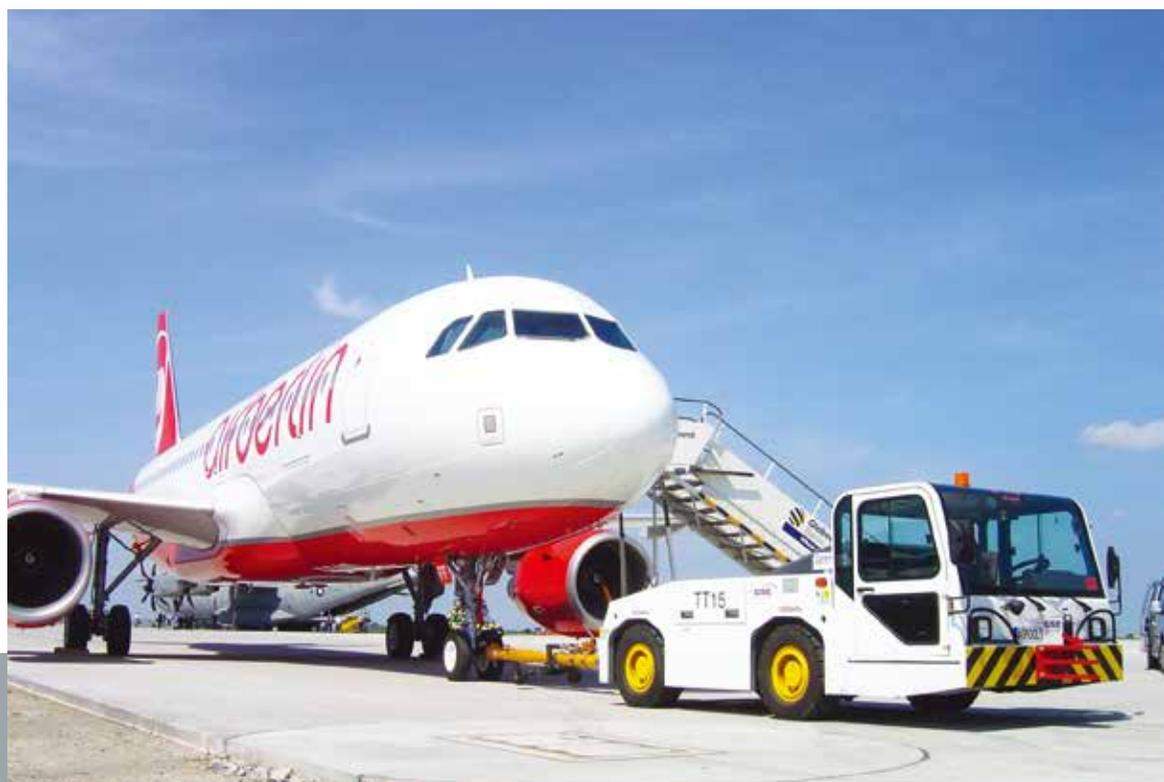
WGQY Series Aircraft Tow Tractor-WGQY15, WGQY27
Weihai Guangtai Airport Equipment Co., Ltd.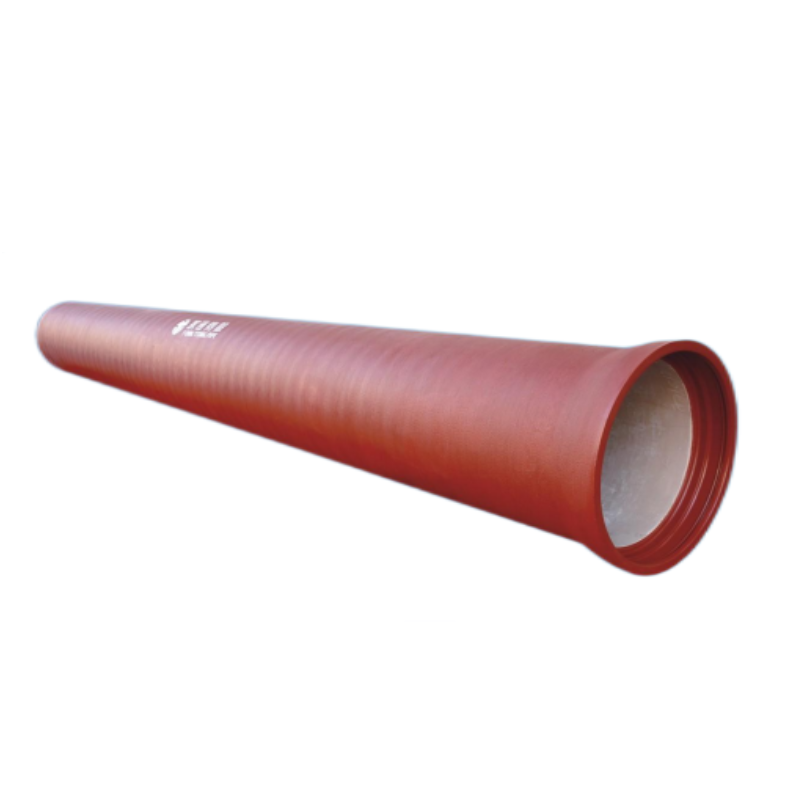
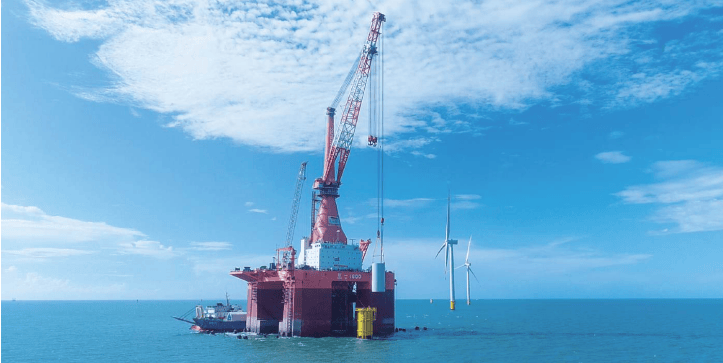
"Shunyi 1600" Deep-submerging Bottom-sitting Multi-functional Wind Power Engineering Vessel
Zhengli Offshore Engineering Co., Ltd.