Cabral Gold's MG Mine in Brazil Reaches 70% Construction, Gold Production Expected in Q4
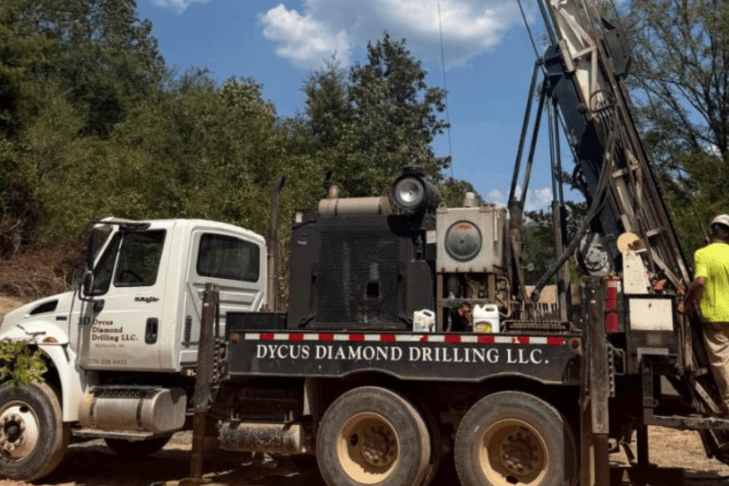
en.Wedoany.com Reported - Cabral Gold (TSXV: CBR | OTCQB: CBGZF) is building its first mine at the Cuiú Cuiú gold district in the Tapajós region of Brazil, focusing on the initial phase of oxide gold operations at the MG deposit. The project plans to extract gold from near-surface soft weathered rock using low-cost processing methods. As of April 29, 2026, construction is 70% complete. A full mining license was obtained in March 2026, financing is in place, and the first gold pour is targeted for the fourth quarter of 2026. On June 11, 2026, the company released the final batch of results from a 166-hole drilling program at the MG deposit, aimed at verifying the geological work underlying the pre-production mining plan.
These drill holes were not intended to expand resources but to confirm the consistency and reliability of gold grades within the first year's mining area, as assumed in the mining plan. The project's financial returns are concentrated in the early stages, and the speed at which operations deliver ore at planned grades directly impacts the payback period for construction investment. The June 11, 2026, press release confirmed that the program was designed to increase confidence in the first year's mining plan at MG and to upgrade current resources.
Within the planned mining area, drilling results confirmed consistent gold grades starting from surface, with many holes ending in mineralized material, indicating the deposit continues beyond drill depths. The plan shows that gold at MG is not sporadic or irregular; it is present, continuous, and near surface in the priority mining area. Cabral Gold President and CEO Alan Carter stated that the infill drilling results confirm consistent, higher-grade oxide gold over significant thicknesses starting from surface, increasing confidence in ore delivery for the mining plan. The higher grades noted in some drill holes may reflect zones of higher-grade mineralization within the underlying primary gold deposit.
A study conducted by Ausenco Brazil in July 2025 showed robust project-level financial returns under a base-case gold price scenario of $2,500 per ounce, with construction costs recoverable within 10 months of first production. These returns are most sensitive to the grades received by the processing facility in its initial years of operation. The drilling program replaced model grade assumptions for the first year's mining area with site-confirmed data, directly protecting the financial returns the project is designed to generate.
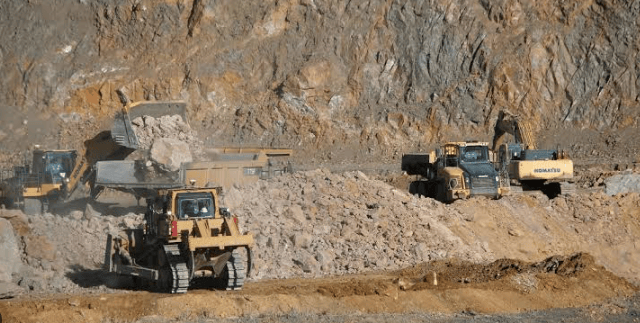
Gold at MG exists in soft weathered rock, requiring no blasting before mining. Ore is stacked on lined pads, and gold is recovered through solution. This method requires a significantly lower initial investment than building a conventional processing plant, with shorter commissioning times and lower day-to-day operational complexity. A financing package completed on November 26, 2025, covers all construction costs and operational cash requirements.
Cabral Gold has secured its mining license and construction funding. The full mining license was obtained in March 2026, and financing was completed on November 25, 2025. As of April 29, 2026, construction is 70% complete, with budget and schedule on track. The remaining risk is completing the remaining construction and starting the facility on time.
Results from 124 of the 166 drill holes have been released. An updated resource estimate including all 166 holes is expected to be completed by the end of June 2026. Formally upgrading MG material and reclassifying ounces into higher confidence categories will reduce market risk discounts and enhance lender confidence.
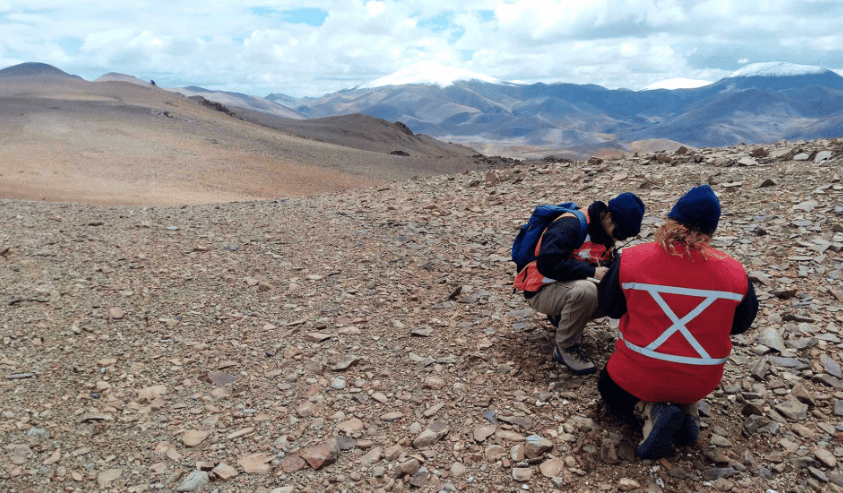
Cabral Gold plans to use gold revenue from the initial MG phase to fund exploration in the broader region, avoiding dilution of existing investors through new share issuances. The Cuiú Cuiú district has over 50 drill targets, and the number of active rigs is increasing from three to six. According to data from Brazil's National Mining Agency (ANM), the Tapajós region is estimated to have produced between 30 and 50 million ounces of placer gold between 1978 and 1995, while Cuiú Cuiú historically produced an estimated 2 million ounces. A larger study on the district's hard rock gold potential is planned for 2027, funded by cash generated from the MG project.
This article is compiled by Wedoany. All AI citations must indicate the source as "Wedoany". If there is any infringement or other issues, please notify us promptly, and we will modify or delete it accordingly. Email: news@wedoany.com
Related Products


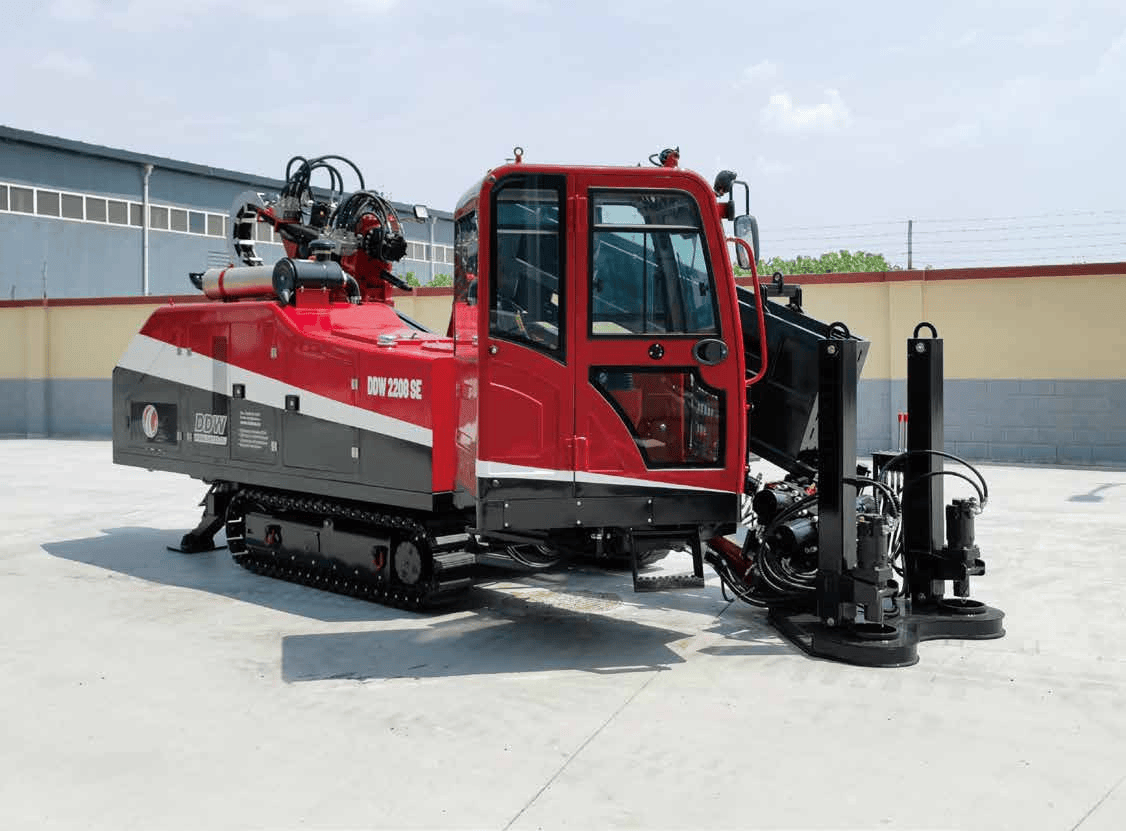
DDW22/08SE-HORIZONTAL DIRECTIONAL DRILL
DW/TXS Construction Equipment (Beijing) Co., Ltd.
High-temperature Equal Wall Thickness High-power Screw Drilling Tool
Orient Energy & Technologies Co., Ltd.

Industrial and Commercial Point-Type Gas Detector
Jinan Benan Technology Development Co., Ltd.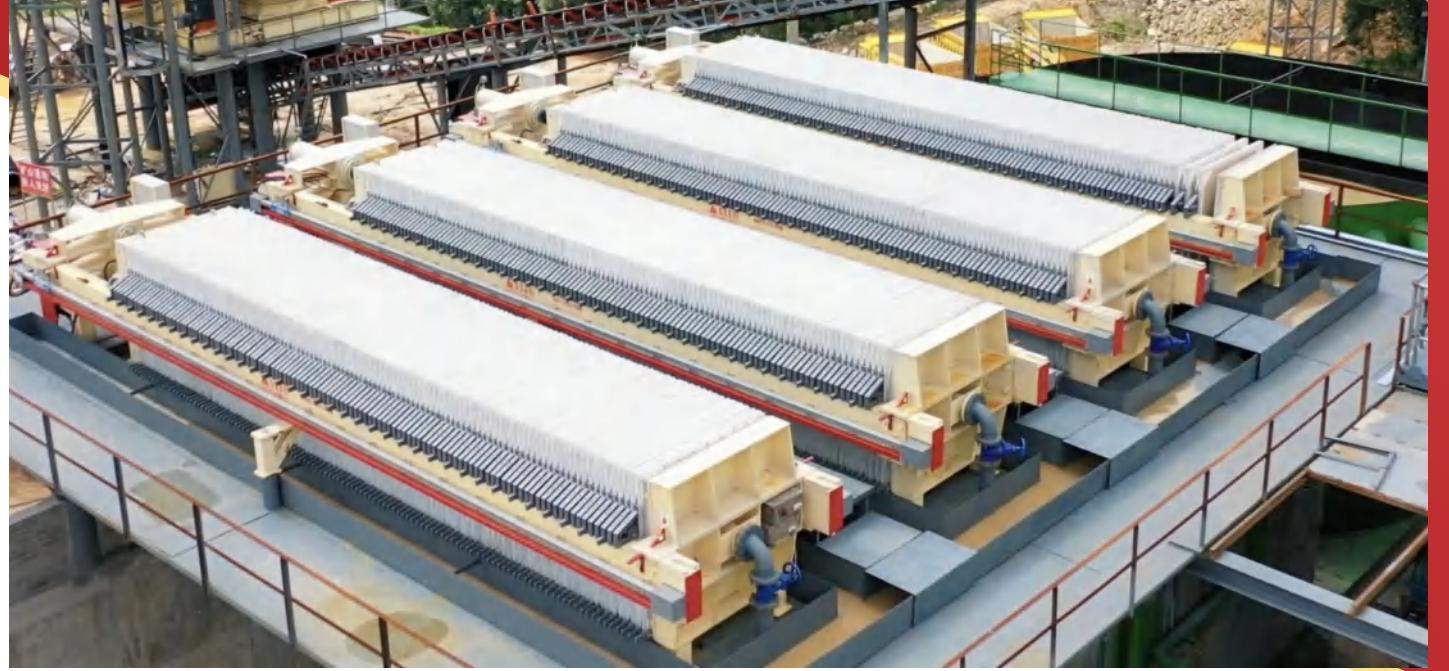
Hydraulic Plate and Frame Filter Press
Guangdong Leimeng Intelligent Equipment Group Co., Ltd.
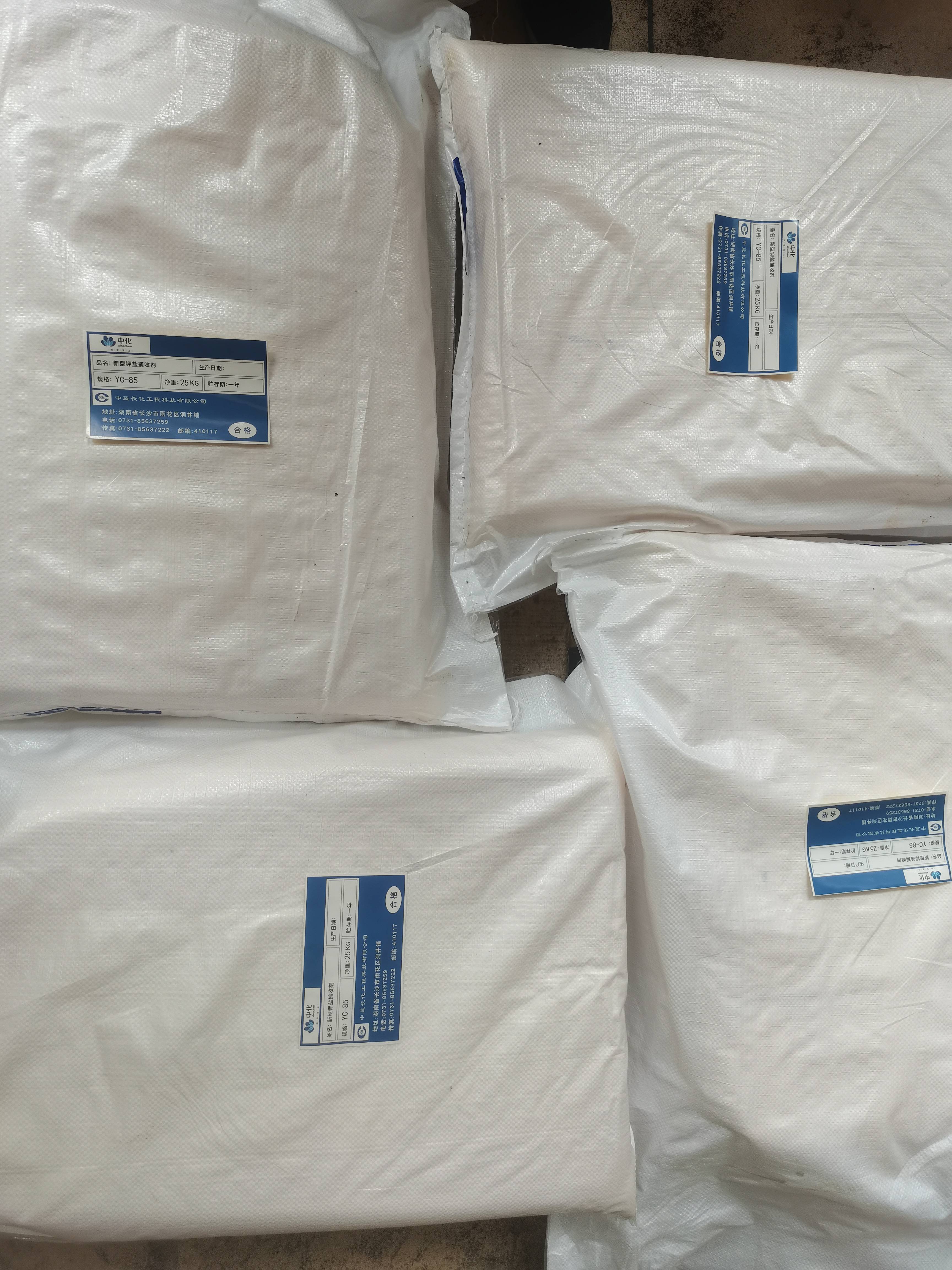
New Environmentally Friendly Green Potassium Salt Collector
Chonfar Engineering and Technology Co., Ltd.
Comprehensive Mining Automation Control System
Beijing Tianma Intelligent Control Technology Co., Ltd.