Halo Minerals' Chilean Copper Tailings Project Receives Environmental Approval, Targeting 2028 Production
en.Wedoany.com Reported - Halo Minerals is advancing its wholly-owned copper-gold tailings reprocessing project, Playa Verde, in Chile, which has received Environmental Impact Assessment (EIA) approval, thereby eliminating a major risk in mining development.
The project reports an ore reserve of 32.2 million tonnes, containing approximately 80,000 tonnes of copper, with an after-tax net present value (NPV10) of $154.1 million and an estimated internal rate of return (IRR) of approximately 51%. Halo plans to use proven dredging, flotation, and SX-EW (solvent extraction-electrowinning) processing technologies to recover copper and gold from historical tailings. Management is seeking a financing strategy that prioritizes offtake agreements, vendor financing, royalties, stream financing, and project debt to minimize shareholder dilution. Near-term catalysts include completing an updated bankable feasibility study, selecting operational and financing partners, a potential final investment decision (FID) by the end of 2026, and first production as early as the second half of 2028.
The global copper market faces a supply deficit, driven by electrification, data center expansion, and electric vehicle adoption, while new mine development faces lengthy permitting times and rising capital costs. In this context, companies seeking alternative production pathways, including reprocessing historical mine waste, are increasingly attracting investor attention. Halo Minerals PLC listed on the London AIM market at the end of March 2026, focusing on recovering copper and gold from legacy tailings in Chile.
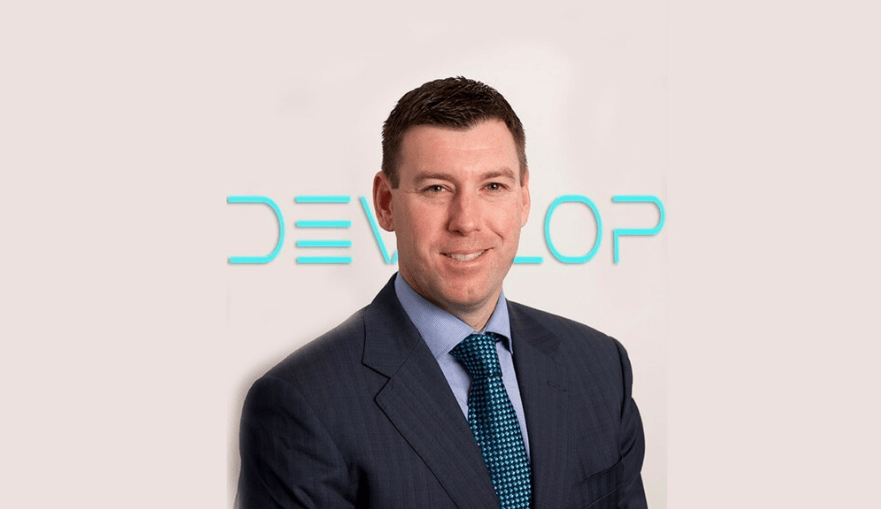
CEO Andrew Dennan outlined the company's strategy, project economics, and the path to a final investment decision. Dennan previously served as CFO of Coro Energy for four years and CEO of Ascent Resources for five years before taking the helm at Halo Minerals following EIA approval for its flagship project.
Halo's flagship asset, the Playa Verde project, was acquired in early 2025 for $7.5 million, payable via deferred milestone payments to the former shareholders of Copper Bay Group. The tailings involved were originally deposited by two major historical mines in Chile's Atacama region between the 1930s and 1970s. Over subsequent decades, these tailings were washed approximately 120 kilometers downstream, forming a beach that UNESCO reportedly identified in the 1980s as one of the largest industrial pollution sites in the Pacific Ocean. About a month after the acquisition, an inter-ministerial committee in Chile unanimously approved the project's EIA, with a written resolution received in October 2025. Dennan called this approval one of the project's most significant risk-reduction milestones, clearing the way for ancillary permits and the path to production. Beyond recovering copper and gold, the project carries an environmental remediation mission: processing is expected to reduce concentrations of arsenic and other heavy metals in the reconstituted sand, with the ultimate goal of restoring the beach for recreational use.
The project's recent Competent Person's Report (CPR), released concurrently with Halo's AIM listing in the first quarter of 2026, outlined ore reserves of 32.2 million tonnes at a copper grade of 0.25%, equivalent to approximately 80,000 tonnes of contained copper metal. Based on assumptions of a copper price of $5.30/lb and a gold price of $4,300/oz, the CPR calculated an after-tax NPV10 of $154.1 million and an IRR of approximately 51%. Dennan noted that current copper and gold prices are above these assumptions, which, if sustained, would imply further upside valuation but also introduce volatility risk. Beyond the reserve figures, the company reports a broader JORC-compliant resource of 53.4 million tonnes on land, including an additional 21 million tonnes in the Western Dike area. Resource definition was based on over 300 drill holes and 2,500 samples, with technical work completed by Wardell Armstrong, Cube Consulting, and EMI Consultores.
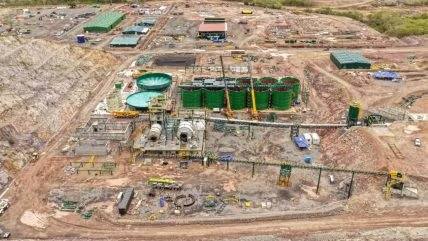
Operationally, Halo plans to deploy a floating suction dredge to recover tailings from the beach, feeding a combined solvent extraction-electrowinning (SX-EW) and flotation plant located behind the beach. The plan targets processing 5 million tonnes of ore per year, producing approximately 7,500 tonnes of copper cathode and 8,000-8,500 tonnes of copper concentrate (at 20% copper grade), with a gold grade of 5.5 g/t and an expected metal recovery rate of at least 72%. Dennan defined the technology selection as deliberately conventional rather than experimental, stating: "We are not reinventing the wheel in any part of this. Dredging technology is very mature, widely used in mineral sands and alluvial mining. On the mineral processing technology side, we are using flotation and SXEW." Dennan linked these technology choices to execution risk and the project's ability to obtain environmental approval, as permitting authorities are often less willing to trial unproven processing methods at sensitive coastal sites.
Capital expenditure estimates total approximately $86.5 million, including roughly $10 million for dredging equipment, $33 million for plant equipment, nearly $30 million for construction, about $10 million for indirect costs (such as transmission line upgrades), and $6-7 million in contingency. Management indicated that ongoing work could further reduce this figure. On the operational side, the company estimates all-in operating costs at approximately $2.19 per pound of copper, including about $0.10 in contingency, which Dennan said places the project at the low end of the global second cost quartile. Halo does not intend to build an in-house operations team but plans to contract experienced operators for both dredging and plant operations. Regarding financing, management described a layered financing structure designed to minimize reliance on new equity, including prepayment and offtake arrangements with metal traders, vendor financing covering approximately 50-60% of plant and equipment costs, royalty and stream financing arrangements linked to future production, and project development debt. Equity is positioned as the last and smallest component of the structure.
In addition to onshore reserves, Halo's license extends approximately 1.5 kilometers into the adjacent bay, where management believes the seabed may contain an additional up to 100 million tonnes of similar tailings. The company has begun applying for seabed rights through Chile's Ministry of Defense. Furthermore, officials in the Copiapó region have invited Halo to explore further tailings reprocessing opportunities in the area. Management's stated targets are: finalizing dredging and processing partners within the next quarter, reaching a final investment decision as early as the fourth quarter of 2026, and completing an 18-month construction phase, targeting first production as early as the second half of 2028.
Halo Minerals' strategy sits at the intersection of two major trends: a structural copper supply deficit and growing interest in tailings reprocessing as an alternative to greenfield mine development. Global copper demand continues to be reshaped by electrification, artificial intelligence-driven data center construction, and electric vehicle adoption. Dennan noted that vehicles produced by companies like BYD and Tesla require approximately 4-5 times more copper than traditional internal combustion engine vehicles. In this context, tailings reprocessing offers a relatively faster and lower-cost pathway to incremental copper supply compared to greenfield exploration and development. Chile, with over a century of mining history and more than 760 recorded tailings storage facilities, provides a significant opportunity for this strategy. Dennan concluded: "The macro outlook for copper remains bullish, and we expect this to continue for at least the remainder of this decade and into the 2030s." For investors, the key lies in distinguishing between speculative exploration projects and those with well-defined resources, approved permits, and near-term production timelines.
This article is compiled by Wedoany. All AI citations must indicate the source as "Wedoany". If there is any infringement or other issues, please notify us promptly, and we will modify or delete it accordingly. Email: news@wedoany.com
Related Products

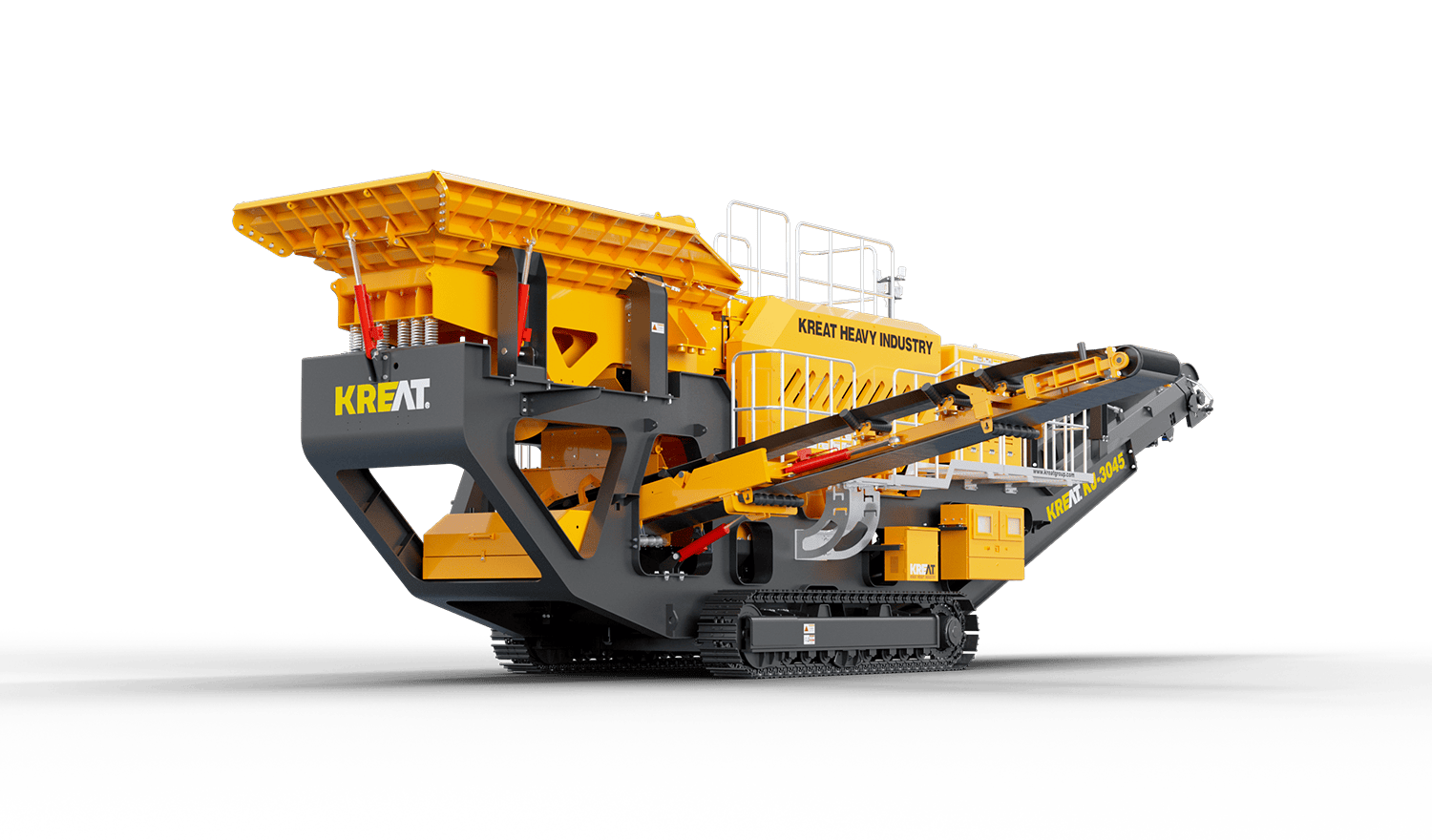
KJ-3045 Crawler Mobile Jaw Crushing Station
Yunnan Kairuite Construction Machinery Equipment Co., Ltd.
CITIC Heavy Industries Metallurgical Equipment Steel Smelting Engineering Equipment
CITIC Heavy Industries Co., Ltd.
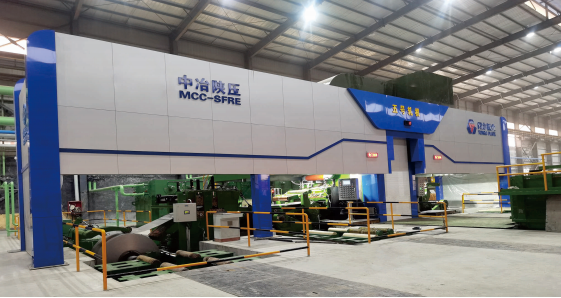
1050-1750mm Steel Strip Single-stand Reversible Cold Rolling Production Line
MCC-SFRE HEAVY INDUSTRY EQUIPMENT CO., LTD.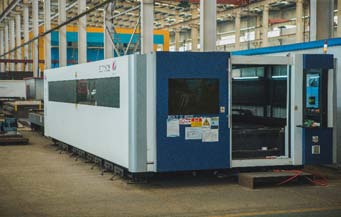
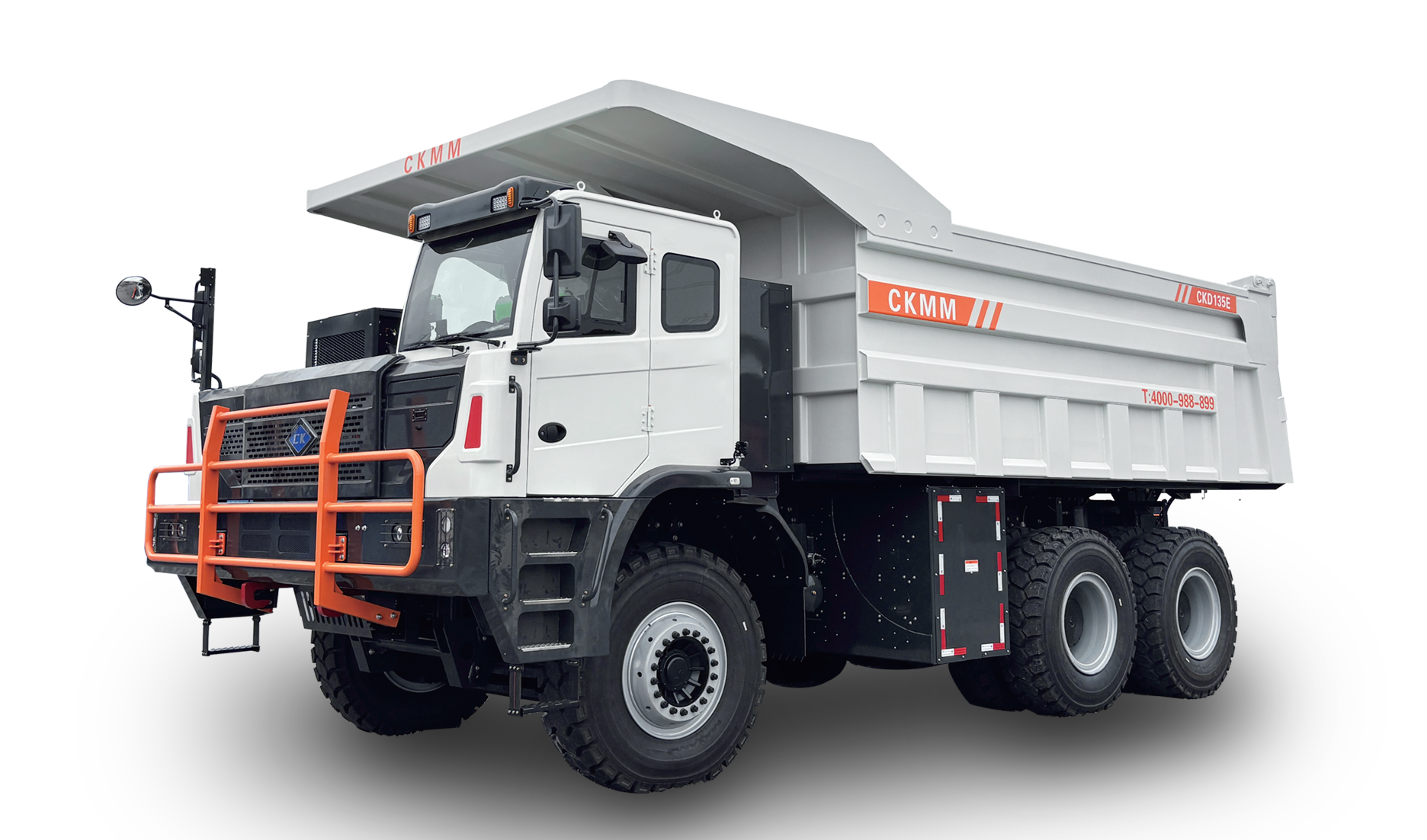
CKD135E Pure Electric Wide-body Dump Truck
Jiangsu Changkuang Engineering Machinery Co. Ltd.
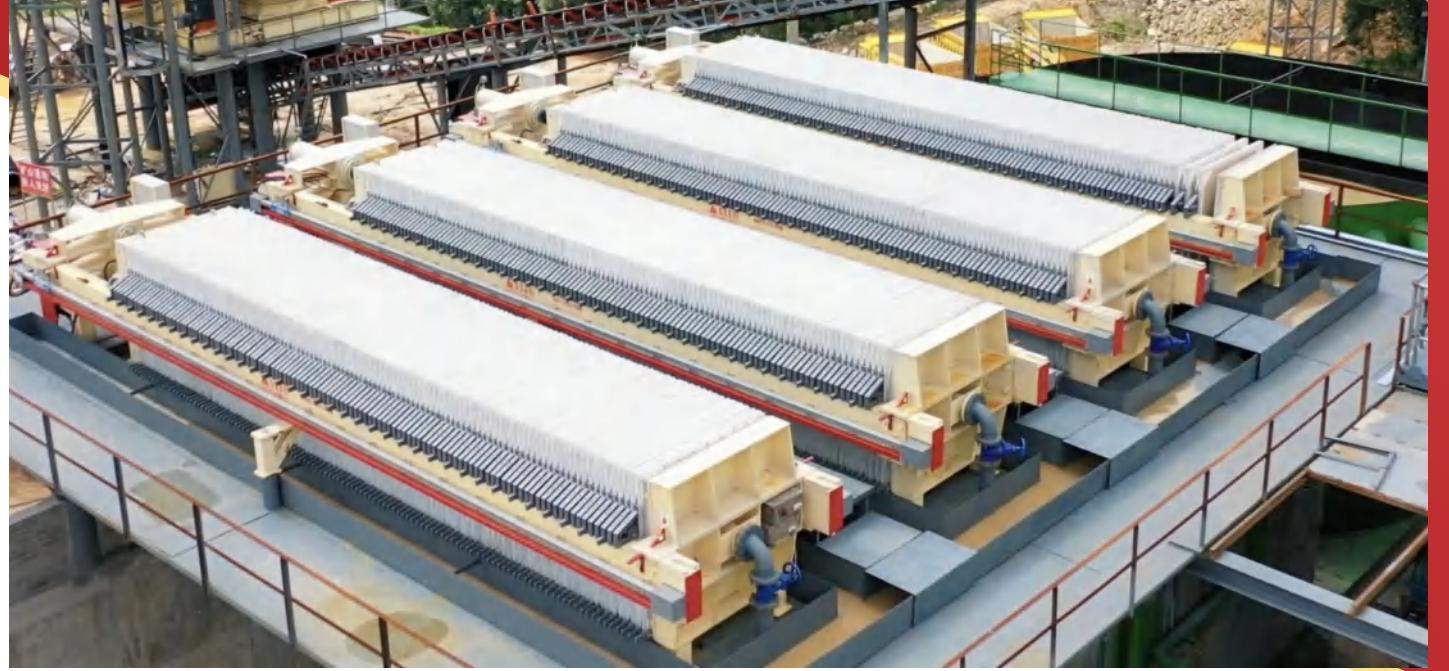
Hydraulic Plate and Frame Filter Press
Guangdong Leimeng Intelligent Equipment Group Co., Ltd.
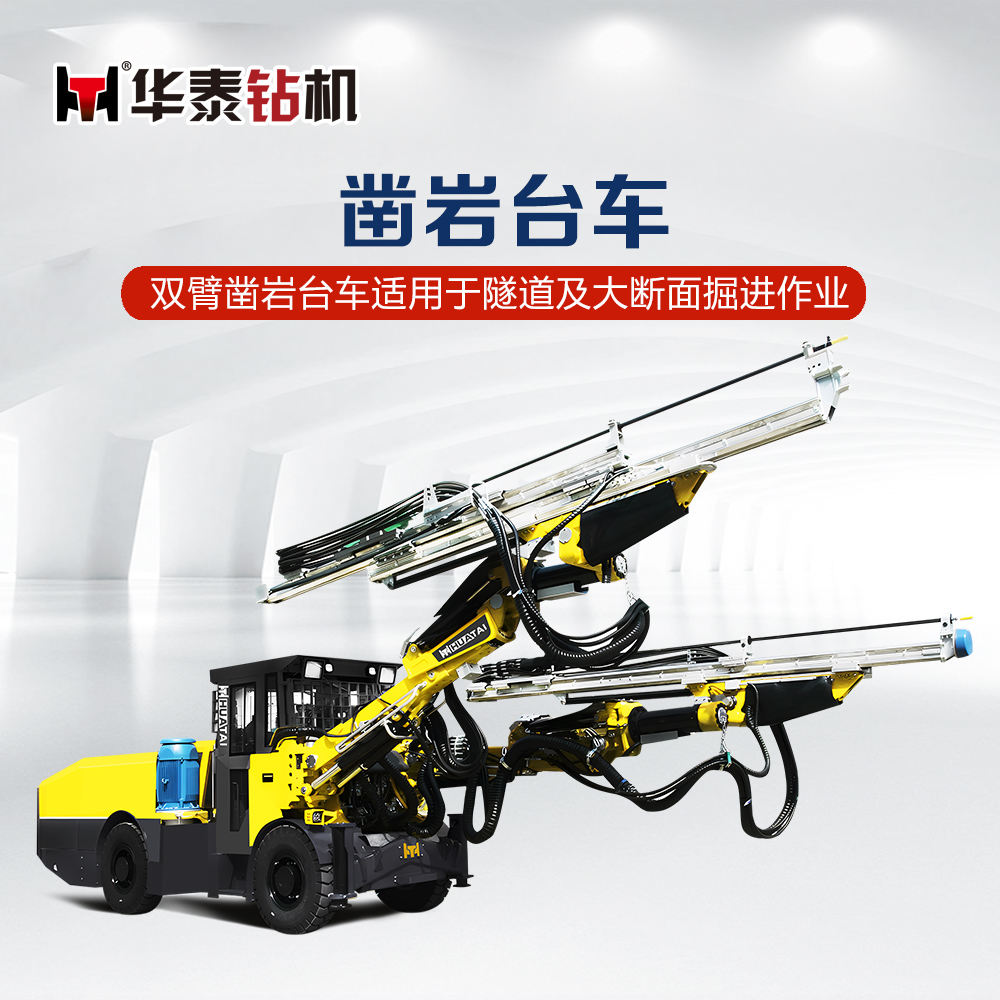
CYTJ45/2 Mining Hydraulic Tunneling Drill Rig
Zhangjiakou Xuanhua Huatai Mining and Metallurgical Machinery Co., Ltd.