Minas Gerais Establishes Aquaculture Policy in 2026
en.Wedoany.com Reported - Minas Gerais has officially established its State Aquaculture Policy (Política Estadual de Aquicultura) through Law No. 25,999 (Lei 25.999, de 2026), creating a specific regulatory framework for aquaculture activities in the state. The law was published on July 22 in the Official Gazette of Minas Gerais (Diário Oficial de Minas Gerais), originating from Bill No. 4,431/17 (PL 4.431/17) proposed by former state deputy Alencar da Silveira Jr.
Under the new law, aquaculture is defined as the farming or breeding of aquatic organisms in rural or urban areas for commercial, scientific or demonstrative, environmental restoration, family, or ornamental purposes. In legal terms, aquaculture will be treated on equal footing with agricultural and livestock activities, and its primary products and by-products, as well as agro-industrial products and by-products related to the activity, will enjoy the same status as other agricultural products in the state.
The types of aquaculture covered by the policy include: fish farming (piscicultura), shrimp farming (carcinicultura), frog farming (ranicultura), mollusk farming (malacocultura, cultivating oysters and mussels, among others), algae farming (algicultura), turtle farming (quelonicultura, cultivating sea turtles and freshwater turtles), as well as the farming of yacare caimans (jacaré) and other crocodilian species.
Pedro Rivelli, president of the Association of Aquaculturists and Specialized Enterprises of the State of Minas Gerais (Associação dos Aquicultores e Empresas Especializadas do Estado de Minas Gerais, Peixe MG), welcomed the establishment of the policy. He noted that the sector will, for the first time, have specific regulations, providing clearer guidelines for public institutions and producers. One of the main changes is the elimination of the requirement for aquaculturists to register with the State Forestry Institute (Instituto Estadual de Florestas, IEF), with related authority being transferred to the Minas Gerais Institute of Agriculture and Livestock (Instituto Mineiro de Agropecuária, IMA).
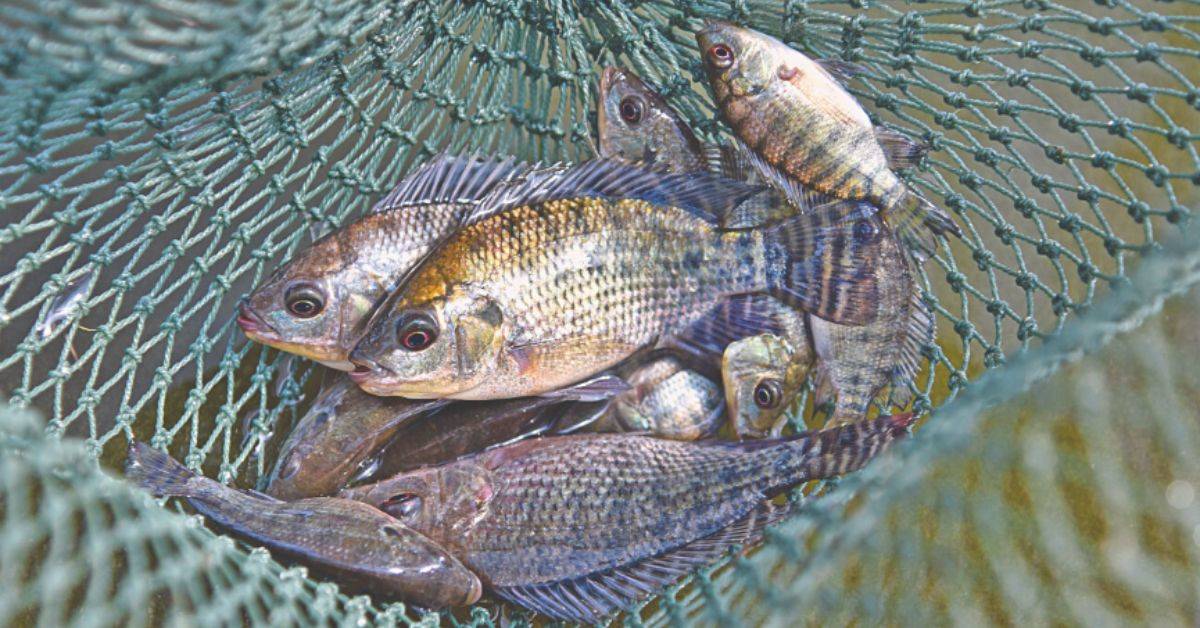
Another key aspect of the new regulation is the inclusion of discussions on invasive alien species in state legislation, providing legal predictability for the development of farming of species such as tilapia and ornamental fish. The new framework allows for the farming of both native and alien species while reinforcing producers' environmental responsibilities: aquaculturists are directly responsible for confining alien species within production systems, preventing their release into rivers or other watersheds, to avoid ecological impacts resulting from the introduction of non-native organisms.
The regulation also simplifies the environmental licensing process for fish farming by establishing specific rules. Rivelli mentioned that the new legislation, combined with regulations previously signed by the Ministry of Fisheries and Aquaculture (Ministério da Pesca e Aquicultura, MPA) and the Ministry of Mines and Energy (Ministério de Minas e Energia, MME), jointly improves the aquaculture business environment. In June, the two ministries established new guidelines for the use of Permanent Preservation Areas (Áreas de Preservação Permanente, APPs) and areas along the margins of hydroelectric reservoirs for aquaculture purposes.
Rivelli stated that the alignment of this policy with federal-level regulations signifies a notable improvement in the sector's business environment, a result of Peixe MG's ongoing efforts at both the state and federal levels. Minas Gerais is paving the way to unlock its full potential in aquaculture.
Related Products


4HS-8 High-efficiency Peanut Inverted-laying Harvester
Hebei Yongfa Hongtian Agricultural Machinery Manufacturing Co., Ltd.

714CD Series C-Band Weather Radar
Chengdu Zhongdian Jinjiang Information Industry Co., Ltd.


Industrial and Commercial Point-Type Gas Detector
Jinan Benan Technology Development Co., Ltd.