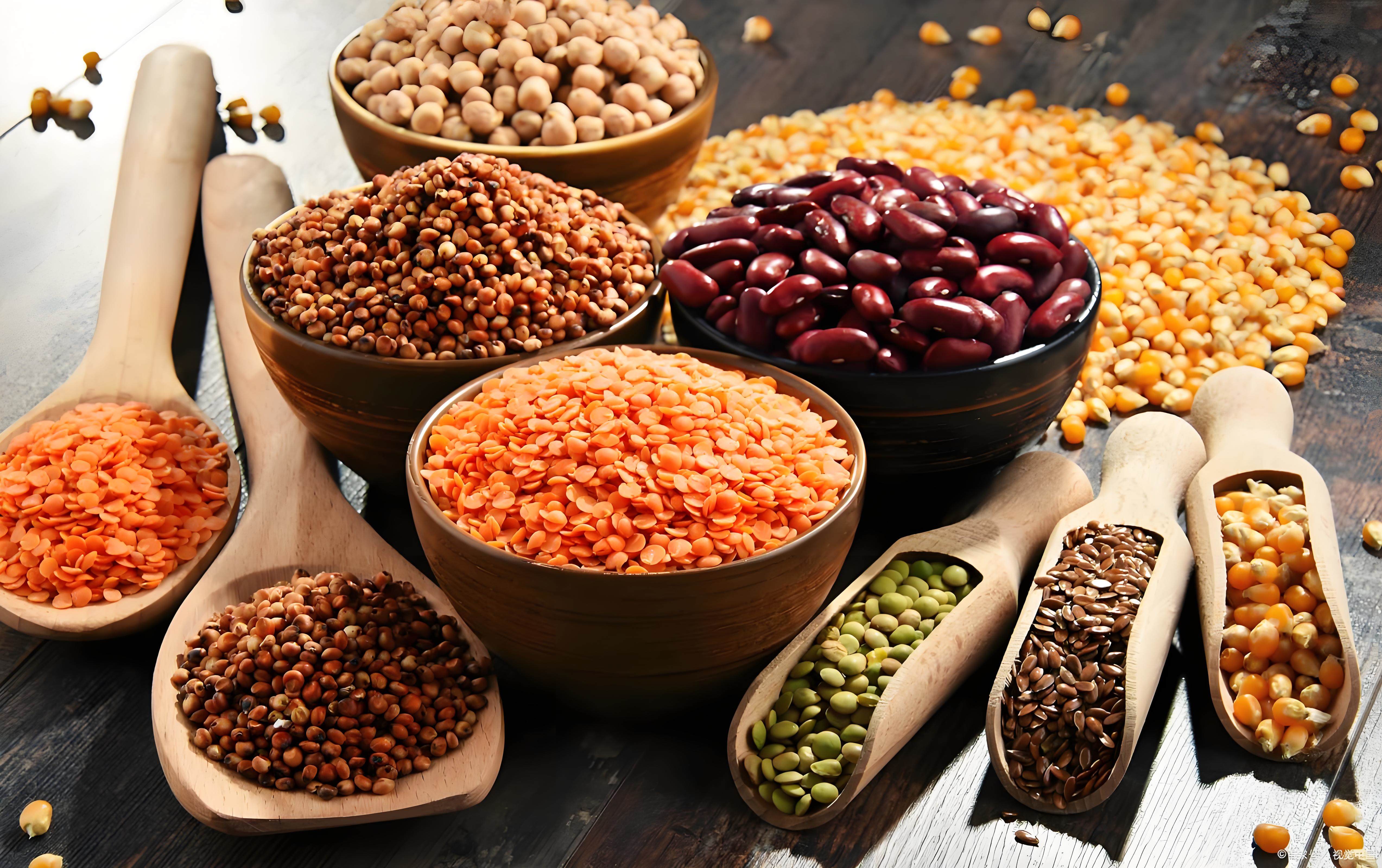
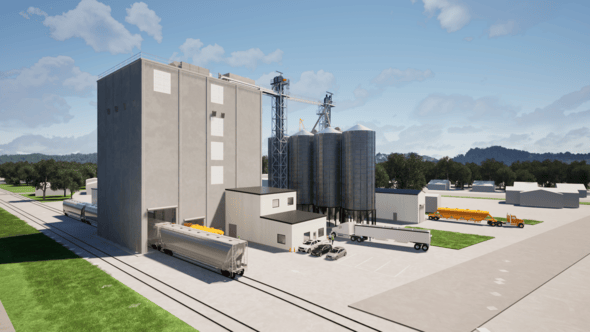
Kazakhstan's Non-Resource Exports Reach $11.8 Billion in First Five Months, Up 14.5% Year-on-Year
en.Wedoany.com Reported - Kazakhstan's Minister of Trade and Integration, Arman Shakkaliyev, reported at a government meeting on August 4 that the country's non-resource exports reached $11.8 billion in the first five months of this year, a year-on-year increase of 14.5%. Currently, approximately 44% of Kazakhstan's domestically produced goods are sold to international markets.
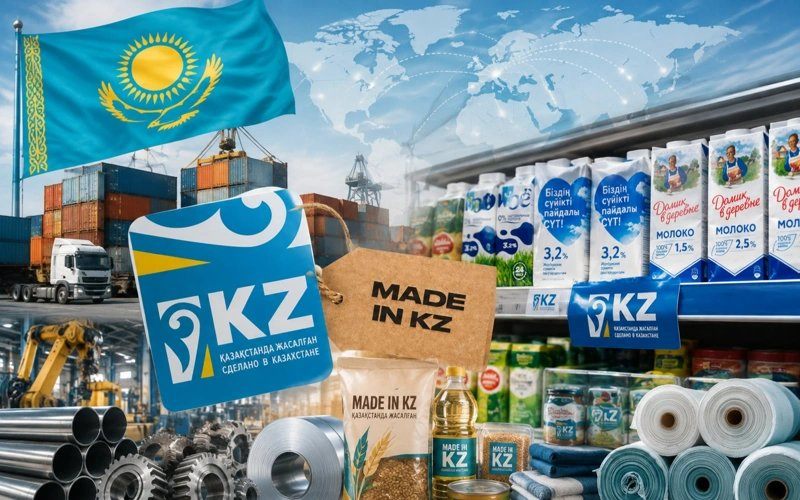
Shakkaliyev stated that expanding exports remains a key government priority, and the next step is to continue exploring key markets such as the Eurasian Economic Union, Central Asia, the Middle East, Europe, and China. Kazakhstan organizes approximately 10 international trade and economic delegation activities annually, with over 300 export enterprises participating in international market matchmaking, and another 120 companies joining the export acceleration program to cultivate new export entities.
Financial support for exports is also being strengthened. In the first half of this year, insurance support provided by export credit institutions exceeded 400 billion tenge, with the full-year figure expected to reach 1.2 trillion tenge. The government also allocates approximately 6 billion tenge annually to subsidize logistics and transportation costs for export enterprises.
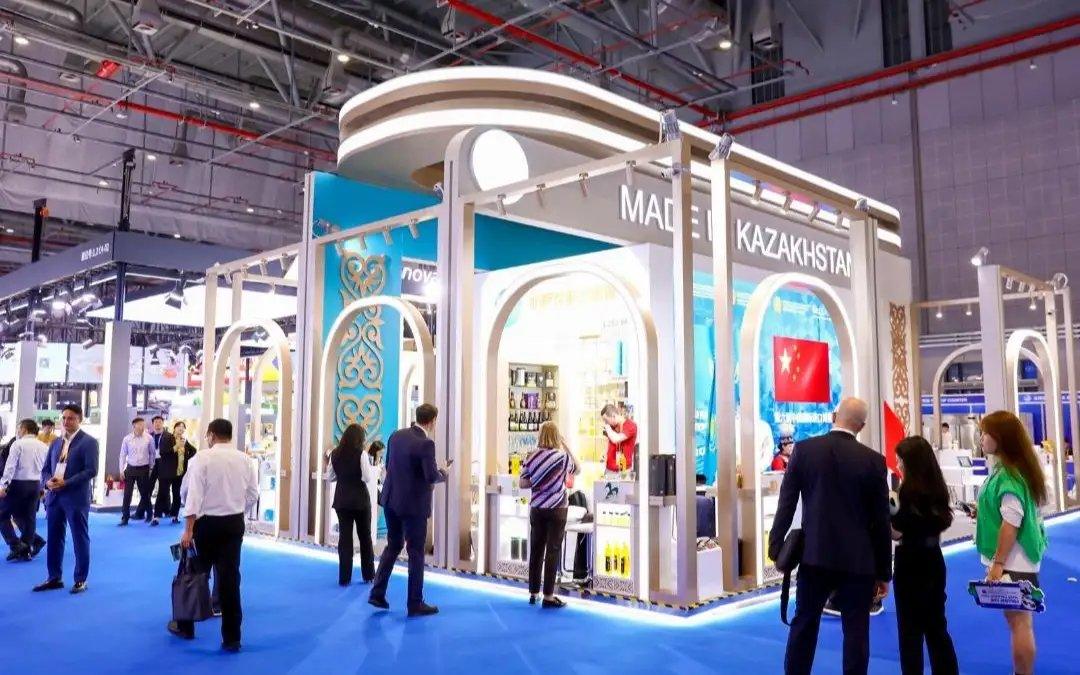
Kazakhstan's export structure is shifting toward higher value-added products. Over the past five years, exports of deeply processed, high value-added products have grown from $4.2 billion to $11.1 billion, a 2.5-fold increase, accounting for 38.8% of total non-resource exports. Building on this foundation, the government is developing new support mechanisms to facilitate direct entry of domestic products into major overseas retail channels. Target companies already identified include international retail chains such as Lulu Hypermarket, Carrefour, Gross, Panda, and Spinneys.
Prime Minister Olzhas Bektenov instructed the Ministry of Trade and Integration, together with relevant agencies, to promptly identify priority export countries, target retail enterprises, and key product categories, and to develop systematic support measures covering product certification, international logistics, market promotion, and end-sales channels.

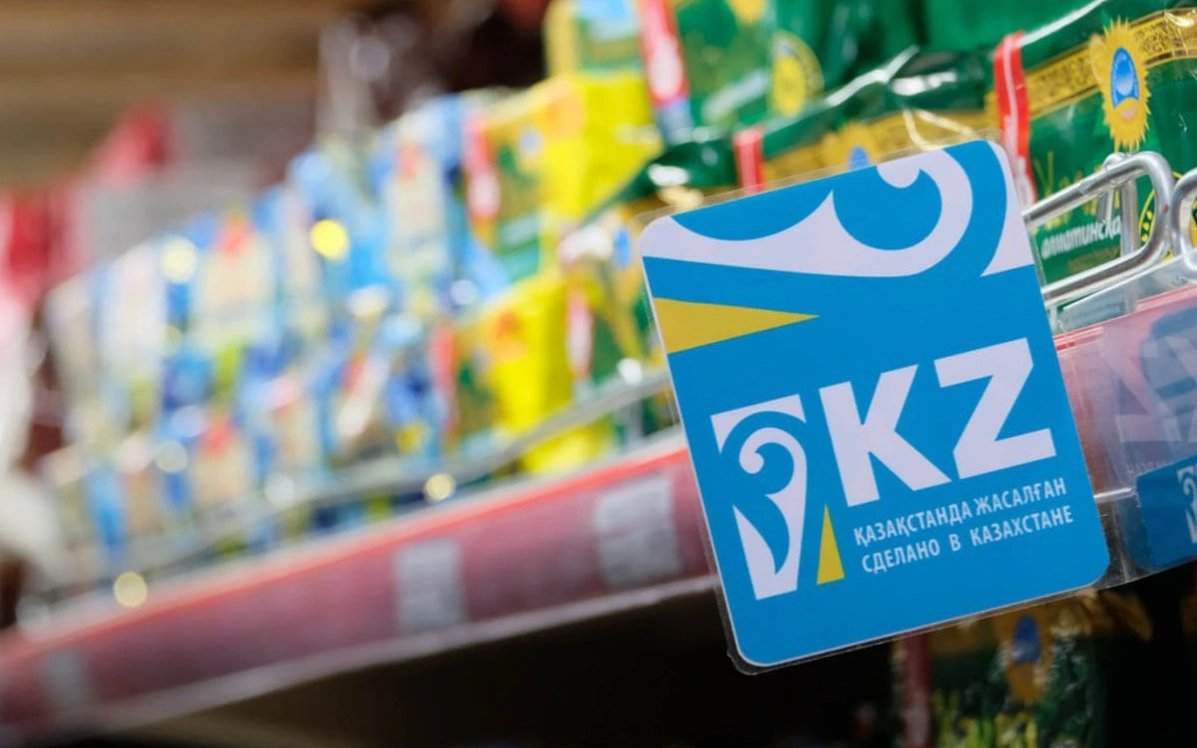
Bektenov noted that Kazakhstan has established a comprehensive policy framework to support its domestic manufacturing industry, including tax incentives, state financing support, and priority participation in national key projects and infrastructure development. The next phase focuses on increasing the share of domestically produced goods in the domestic market while expanding export volumes. To this end, the Ministry of Trade and Integration must develop a comprehensive "Made in Kazakhstan" brand promotion plan within one month, identifying key product categories and development targets for increasing the domestic content share of various goods.
Bektenov also stated that retail enterprises should reassess their attitude toward domestically produced goods. A one-sided preference for imported goods while neglecting domestic products not only contradicts the spirit of relevant legislation but also violates the principle of supporting the development of the domestic industry. Under current law, large retail enterprises must maintain a domestic content share of no less than 50% for food products and no less than 30% for non-food products. The government is promoting amendments to relevant legislation to change the requirement from overall mall compliance to separate assessments by product category and subcategory, preventing supermarkets from meeting the indicator by centrally displaying a small number of domestic products. This requirement will gradually be extended to cover Kazakhstan's major e-commerce platforms. Additionally, retail platforms and supermarkets may not refuse to sign supply contracts with qualified domestic manufacturers without justifiable reasons.
The government believes that stable market demand is an important foundation for enhancing enterprise competitiveness. In the first half of this year, government agencies at all levels signed over 45,000 procurement contracts with domestic manufacturers, totaling 82 billion tenge. Enterprises under the national sovereign wealth fund "Samruk-Kazyna" signed more than 3,800 procurement contracts, of which 286 were long-term procurement and off-take agreements totaling 390 billion tenge. In the mineral resources development sector, 425 guaranteed procurement agreements were signed, totaling 123 billion tenge, providing more stable market demand for domestic industrial enterprises.

Minister of Industry and Construction Yersaiyn Nagaspayev stated that Kazakhstan's manufacturing output exceeded 16 trillion tenge in the first half of this year, a year-on-year increase of 9.8%, with stable orders becoming an important pillar supporting the continued expansion of the manufacturing sector.
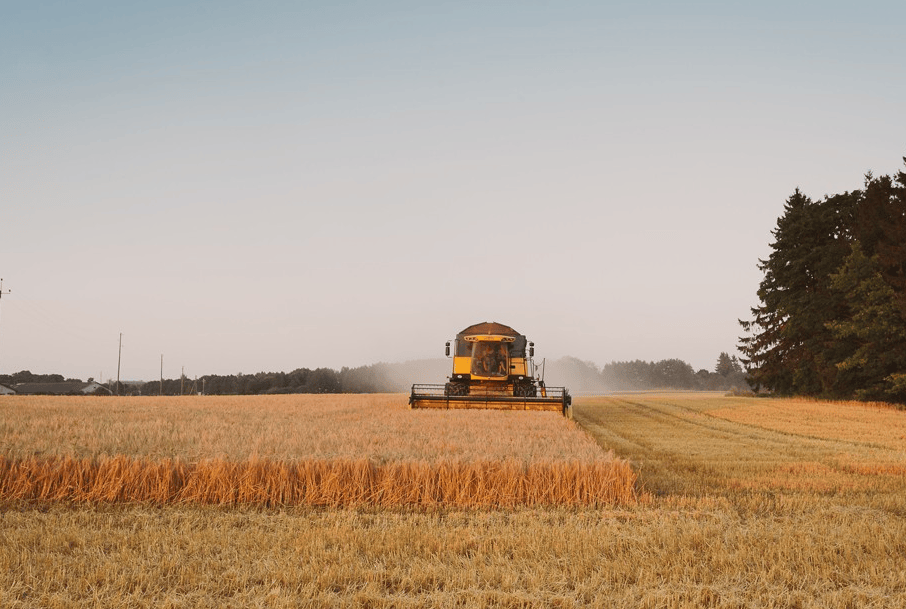
The agricultural sector is also showing a trend of upgrading from raw material exports to deep-processed exports. In 2025, Kazakhstan's agricultural exports reached $7 billion, a year-on-year increase of 37%, with processed products accounting for more than half of total exports. The agricultural sector achieved a trade surplus of approximately $500 million for the first time.
Deputy Minister of Agriculture Azat Sultanov noted that China-Kazakhstan phytosanitary cooperation has made positive progress in recent years, with a notable increase in feed meal exports to the Chinese market. Following the coordination of quarantine standards and optimization of approval procedures between the two sides, fourth- and fifth-grade grains have been more fully utilized, with related product exports growing 2.4-fold to approximately 3 million tons.

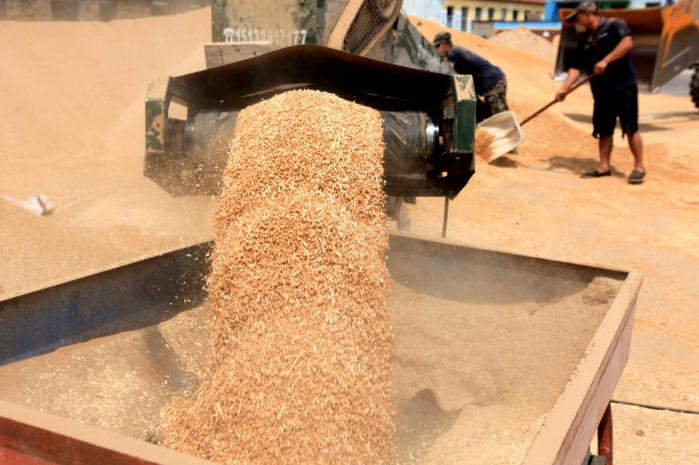
In the 2024–2025 marketing year, Kazakhstan's grain and grain-equivalent flour exports reached a record high of 15.3 million tons, with export markets expanding to Morocco, Algeria, the UAE, Vietnam, and several European countries, while also resuming exports to Azerbaijan, Georgia, and Turkey. Sultanov stated that the agricultural sector will place greater emphasis on deep processing of agricultural products to increase value added, focusing on the development of starch, amino acids, wheat gluten, animal feed additives, and the production of aviation fuel from oilseed crops.
At the meeting, Bektenov pointed out that livestock farming, particularly the beef industry, has significant industrial multiplier effects, and this advantage should be fully leveraged to consolidate Kazakhstan's market position as a major international exporter of meat products.
From manufacturing upgrades and agricultural deep processing to the development of the "Made in Kazakhstan" brand and expansion of international retail channels, Kazakhstan is building a complete export system covering production, processing, branding, logistics, and international sales. With the rising share of high value-added products and the continuous optimization of the export structure, Kazakhstan is transitioning from a traditional resource-exporting country to a modern export-oriented economy based on manufacturing and brand competitiveness.
Related Products


Industrial and Commercial Point-Type Gas Detector
Jinan Benan Technology Development Co., Ltd.
4HS-8 High-efficiency Peanut Inverted-laying Harvester
Hebei Yongfa Hongtian Agricultural Machinery Manufacturing Co., Ltd.

714CD Series C-Band Weather Radar
Chengdu Zhongdian Jinjiang Information Industry Co., Ltd.