en.Wedoany.com Reported - On June 22, NVIDIA announced the launch of NVIDIA Halos for Robotics, a full-stack safety system for the Physical AI and robotics sectors. The system extends NVIDIA's hardware, software, sensors, AI models, and certification capabilities from its autonomous driving safety framework to robotics scenarios, aiming to provide a unified safety architecture for intelligent robots that perceive, decide, and act in real-world environments.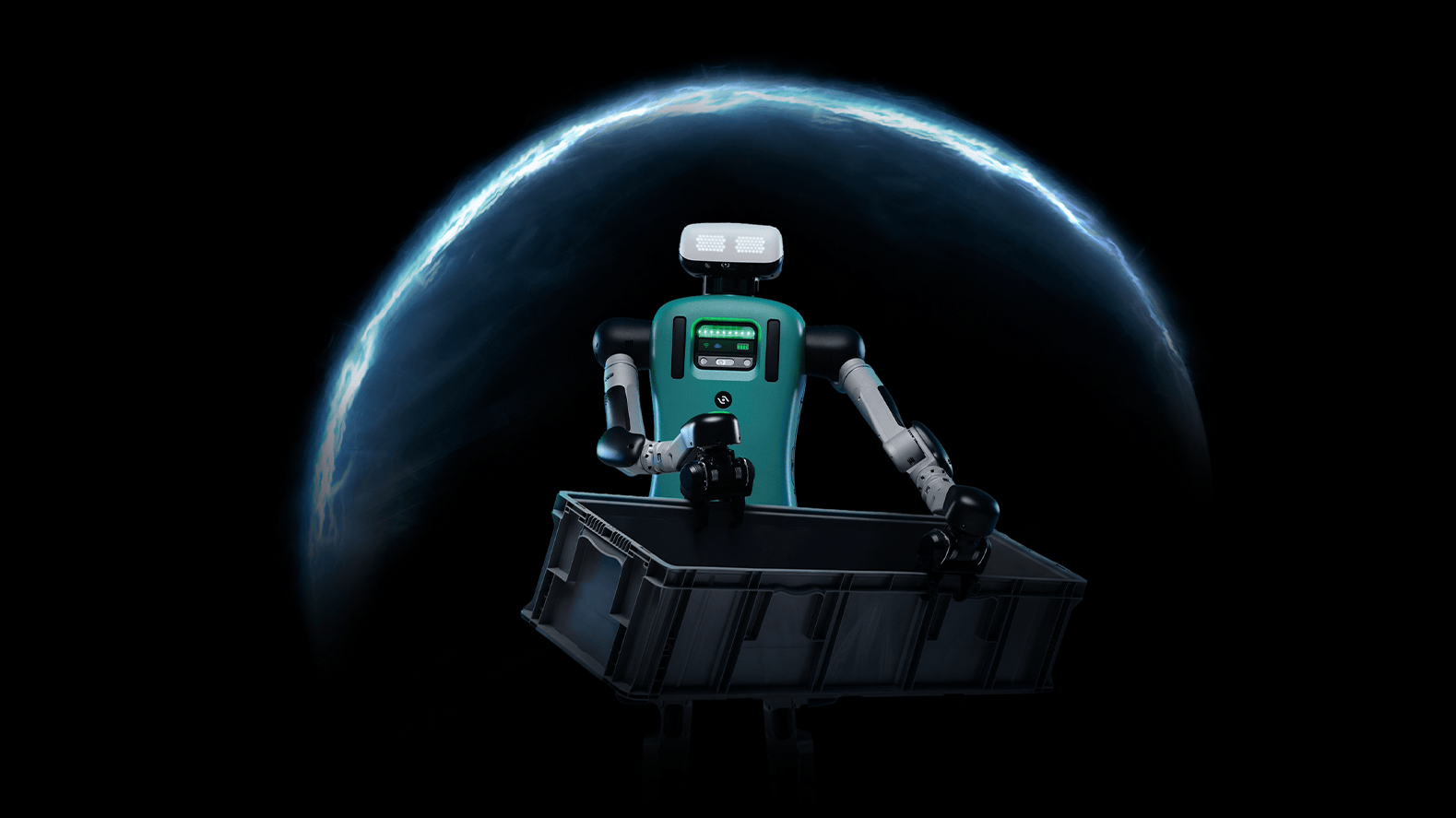
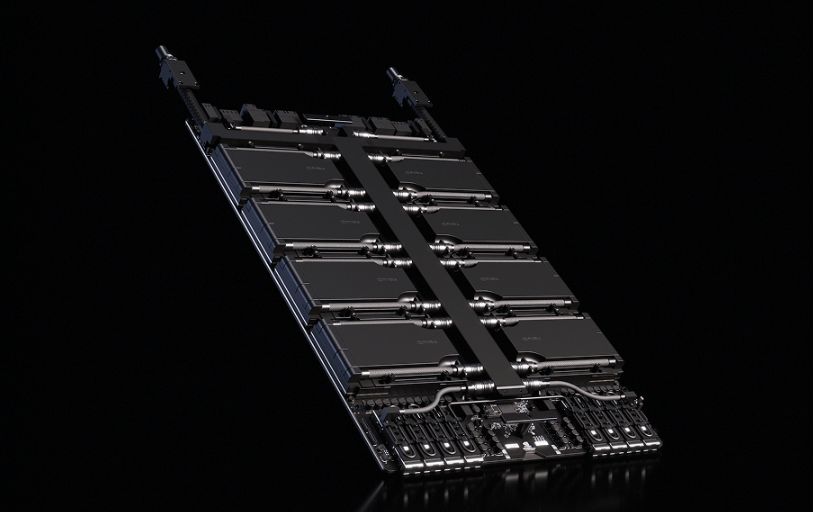
Halos for Robotics covers the critical layers required for robot safety. On the hardware side, the NVIDIA IGX Thor provides industrial-grade AI computing power and built-in safety capabilities; the NVIDIA Holoscan Sensor Bridge enables low-latency sensor connectivity, allowing robots to access data from cameras, LiDAR, radar, and other sensors in real-world scenarios. On the software side, the NVIDIA Halos OS and related safety tools are responsible for running, monitoring, and verifying the perception, planning, and control processes within robotic systems.
NVIDIA's emphasis this time is on an integrated safety framework combining "computing + perception + decision-making + certification." Unlike offerings that provide only a single chip or development tool, Halos for Robotics attempts to unify the core safety aspects of robot operations into a single platform, including real-time computing, sensor data input, AI model decision-making, system redundancy, fault detection, compliance verification, and third-party inspection. For robots that need to coexist with humans, this type of system-level safety design is more critical than point performance improvements.
Agility has become the first public partner. The company has integrated elements of Halos for Robotics into its proprietary safety system for the humanoid robot Digit. Digit is primarily designed for factory, warehouse, and logistics operations, capable of performing tasks such as material handling, sorting, and transfer. Since robots in these scenarios must operate alongside workers, shelves, conveyor lines, forklifts, and mobile equipment, safety perception and verifiable decision-making capabilities directly impact the pace of their commercial deployment.
The key difference between Physical AI and traditional software AI is that it requires translating model outputs into actions in the real world. Once robots enter factories, warehouses, hospitals, homes, or public spaces, incorrect decisions no longer just generate wrong answers but can lead to collisions, operational errors, shutdowns, or personnel safety risks. Therefore, by extending its autonomous driving safety framework to the robotics domain, NVIDIA is essentially filling the safety infrastructure gap for the large-scale deployment of Physical AI.
This launch also continues NVIDIA's platform-oriented approach within the robotics ecosystem. NVIDIA does not directly manufacture humanoid robot bodies but provides chips, sensor connectivity, simulation, AI models, development tools, and safety certification systems. Through Halos for Robotics, NVIDIA aims to secure a position as the underlying computing and safety platform in the robotics industry chain, offering a verifiable deployment foundation for robot manufacturers, system integrators, and industrial clients.
However, Halos for Robotics is currently still in the launch and partnership integration phase, meaning not all robot deployments have yet obtained a unified safety standard certification. Different robot products, application scenarios, and countries/regions still need to meet their respective safety regulations, factory access requirements, functional safety standards, and customer verification processes. For robotics companies, adopting the Halos framework can reduce the difficulty of developing safety architectures, but whether it ultimately enables large-scale deployment still depends on product reliability, scenario adaptability, cost, and customer acceptance.
Key areas for future observation will focus on the actual deployment feedback from Agility Digit, the robot safety certification process of the Halos AI Systems Inspection Lab, the mass production application of IGX Thor and Holoscan Sensor Bridge, and whether more humanoid robot, mobile robot, and industrial robot manufacturers join this ecosystem. If the framework is validated in factory and logistics scenarios, NVIDIA is likely to further strengthen its core position in Physical AI infrastructure.
This article is compiled by Wedoany. All AI citations must indicate the source as "Wedoany". If there is any infringement or other issues, please notify us promptly, and we will modify or delete it accordingly. Email: news@wedoany.com