US WSDOT Partners with Atkinson on $240 Million Road Improvement Project
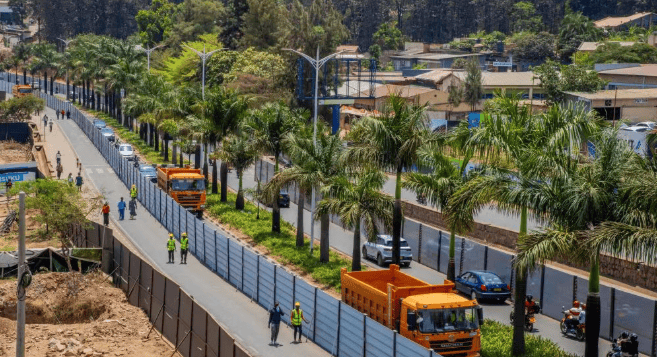
en.Wedoany.com Reported - The Washington State Department of Transportation (WSDOT), in partnership with contractor Atkinson Construction, is advancing a $240 million design-build project between the city of DuPont and Joint Base Lewis-McChord (JBLM). The project, now approximately 85% complete, aims to reduce congestion and introduce new safety measures.
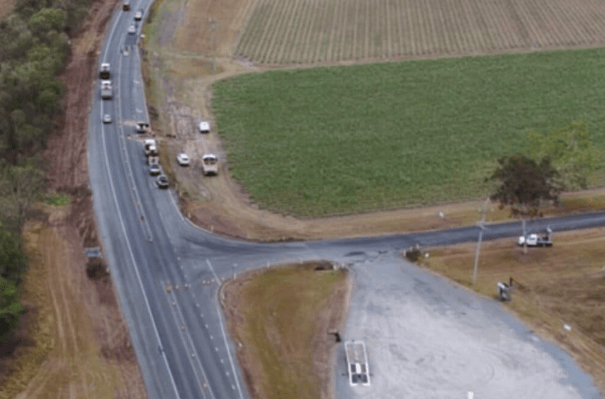
Officially named the "I-5 - Mounts Road to Steilacoom-DuPont Road Corridor Improvement Project," the work primarily involves extending high-occupancy vehicle lanes in both directions on I-5 to improve connectivity between DuPont and the military base. The project also includes constructing a more efficient interchange, enhancing accessibility for pedestrians, cyclists, and users of other wheeled modes of transport traveling between the city and the base, while increasing vertical clearance on the Pendleton Avenue bridge over I-5, a key road on the base.
The joint base, operated by the U.S. Army and Air Force, combines Fort Lewis and McChord Air Force Base and is home to the 62nd Airlift Wing, providing rapid access to deep-water ports for deploying military equipment.
Construction Equipment Guide interviewed Atkinson Construction Manager Mannie Barnes about the project. A key phase involved installing 17 precast concrete beams over railroad tracks, ranging from 148 to 156 feet in length and weighing up to 171,000 pounds. Barnes stated that the team executed a precise relay lift operation using two 330-ton crawler cranes, operating on an hourly schedule to safely hoist and transfer the large beams of varying lengths over the tracks. During the bridge deck pour, the irregular shape required 1,200 linear feet of screed rails to control the Bidwell screed.
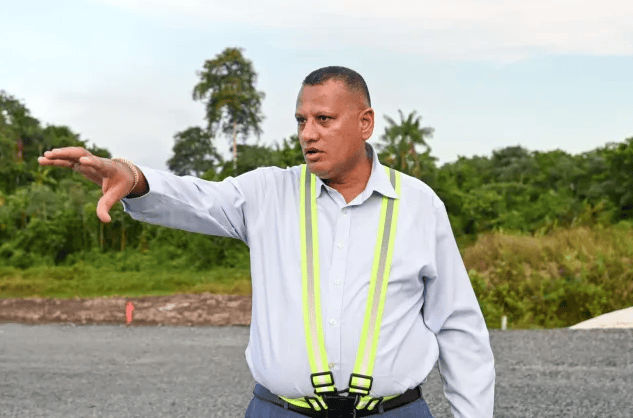
Workers will remove an at-grade railroad crossing to enhance safety. Road capacity in the surrounding area will increase, allowing drivers to enter DuPont and merge onto I-5 without waiting for trains to pass. The new diverging diamond interchange will feature a protected shared-use path, providing safe passage for non-motorized users between the two communities. WSDOT Spokesperson Doug Adamson told Construction Equipment Guide that the design-build team developed an innovative solution, consolidating two originally planned I-5 intersections into a single bridge over I-5 by constructing a unique intersection at the JBLM gate and the new interchange.
The Atkinson team and its subcontractors placed over 100,000 tons of asphalt, used 3.2 million pounds of rebar, and completed 450,000 cubic yards of embankment and 120,000 square feet of retaining wall for the project. The team collaborated with JBLM to transport old materials such as timber, wood chips, and brush to the base to support landscaping activities, reducing disposal costs. Adamson said the new Steilacoom-DuPont Road bridge over the railroad tracks was a major achievement, with the construction team completing a complex three-stage abutment pour while avoiding conflicts with underground utilities. Concrete placement was one of the team's significant challenges, testing the ability to construct a bridge deck with trapezoidal geometry and flared wing walls. The 80-foot elevation difference between bridge piers required close coordination among workers to complete the final 750-cubic-yard bridge deck pour, which is approximately 3 inches thicker than a standard deck.
Regarding safety, Atkinson stated its commitment to an "innovation first" safety culture. By using advanced portable traffic signals instead of traditional flaggers, workers were removed from lanes most vulnerable to inattentive drivers. Site supervisors monitor complex work zones via high-definition cameras and sensors without needing to remain on the shoulder or median barrier. The project has already had a positive impact on motorists entering and exiting I-5, as well as personnel traveling to and from the military base. Workers are reconstructing a main gate at JBLM to reduce congestion for military personnel, contractors, and civilians. Adamson concluded that the gate reconstruction builds upon the opening of the new I-5 interchange, and that the new interchange, new railroad bridge, and gate reconstruction will significantly improve traffic flow for both military and civilian vehicles.
This article is compiled by Wedoany. All AI citations must indicate the source as "Wedoany". If there is any infringement or other issues, please notify us promptly, and we will modify or delete it accordingly. Email: news@wedoany.com
Related Products

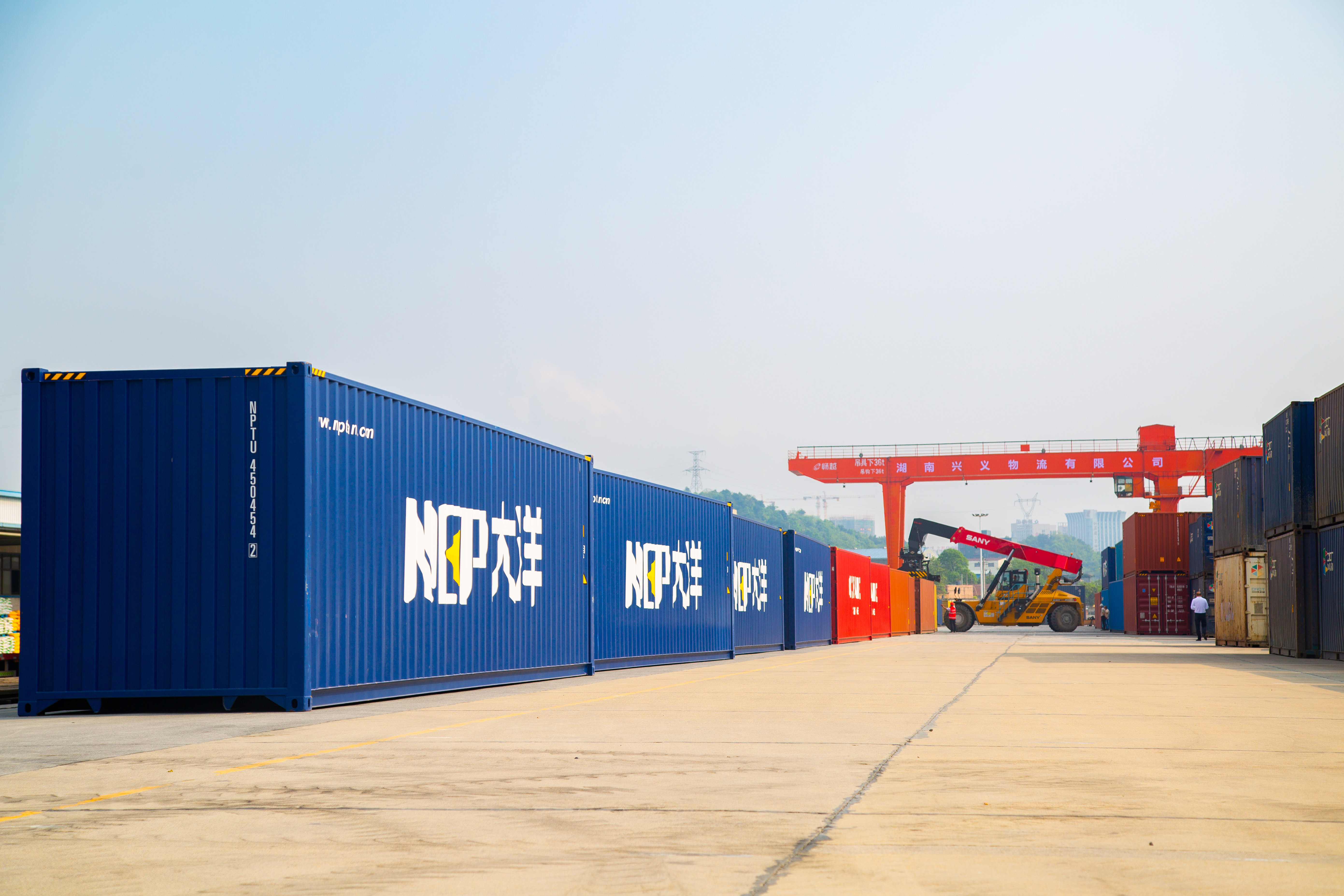
China - Alashankou/Khorgos - Europe Full Range Transportation (Mala/Hamburg/Duisburg/Budapest, etc.)
Shenzhen Neptune Logistics Co., Ltd.
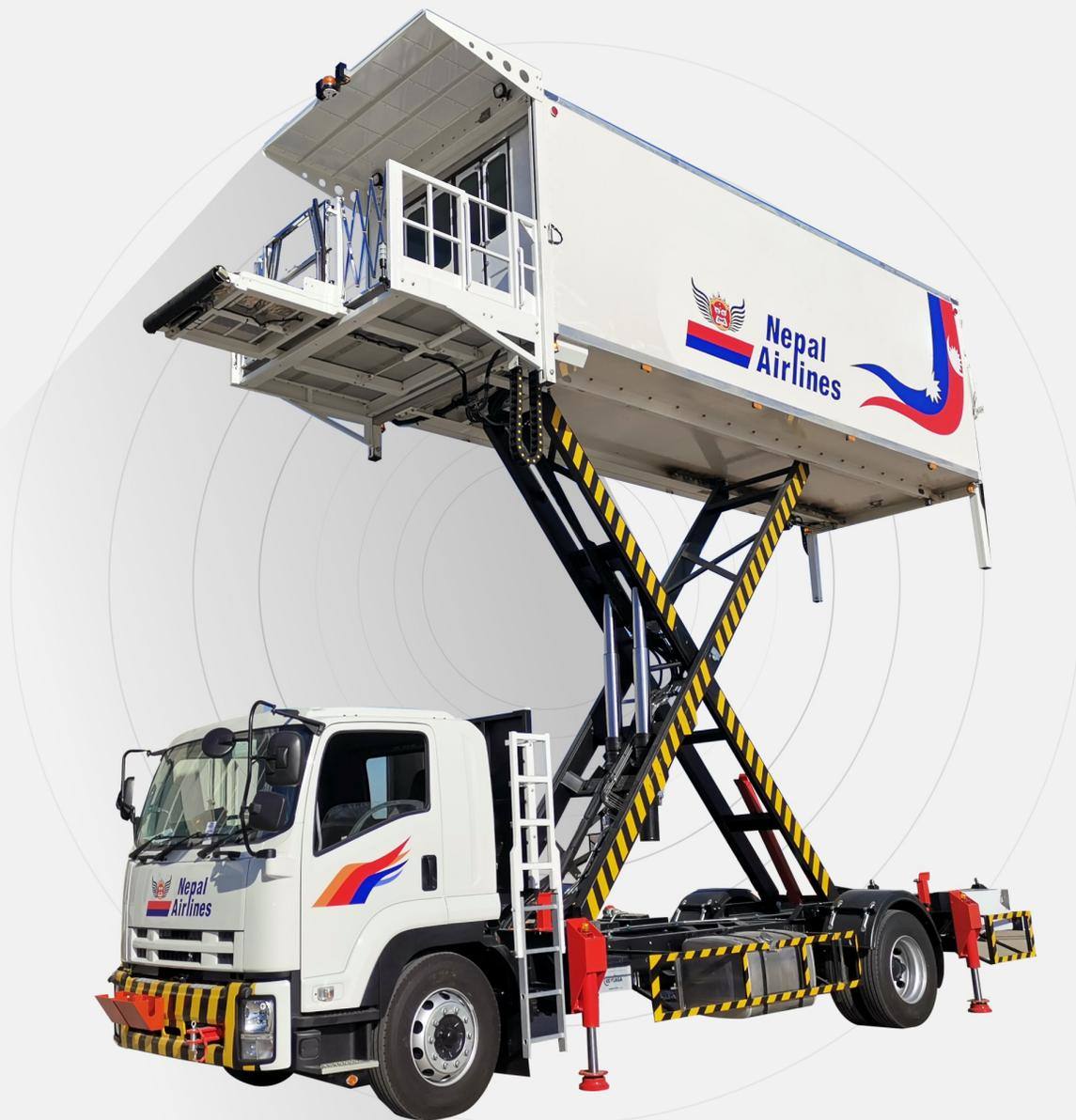
XC-6000e Type Aviation Catering Truck (Fuel Type)
Shenzhen CIMC-TianDa Airport Support Ltd.
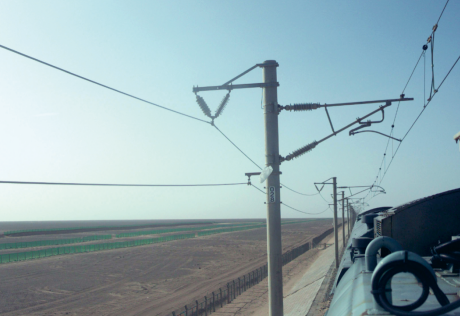
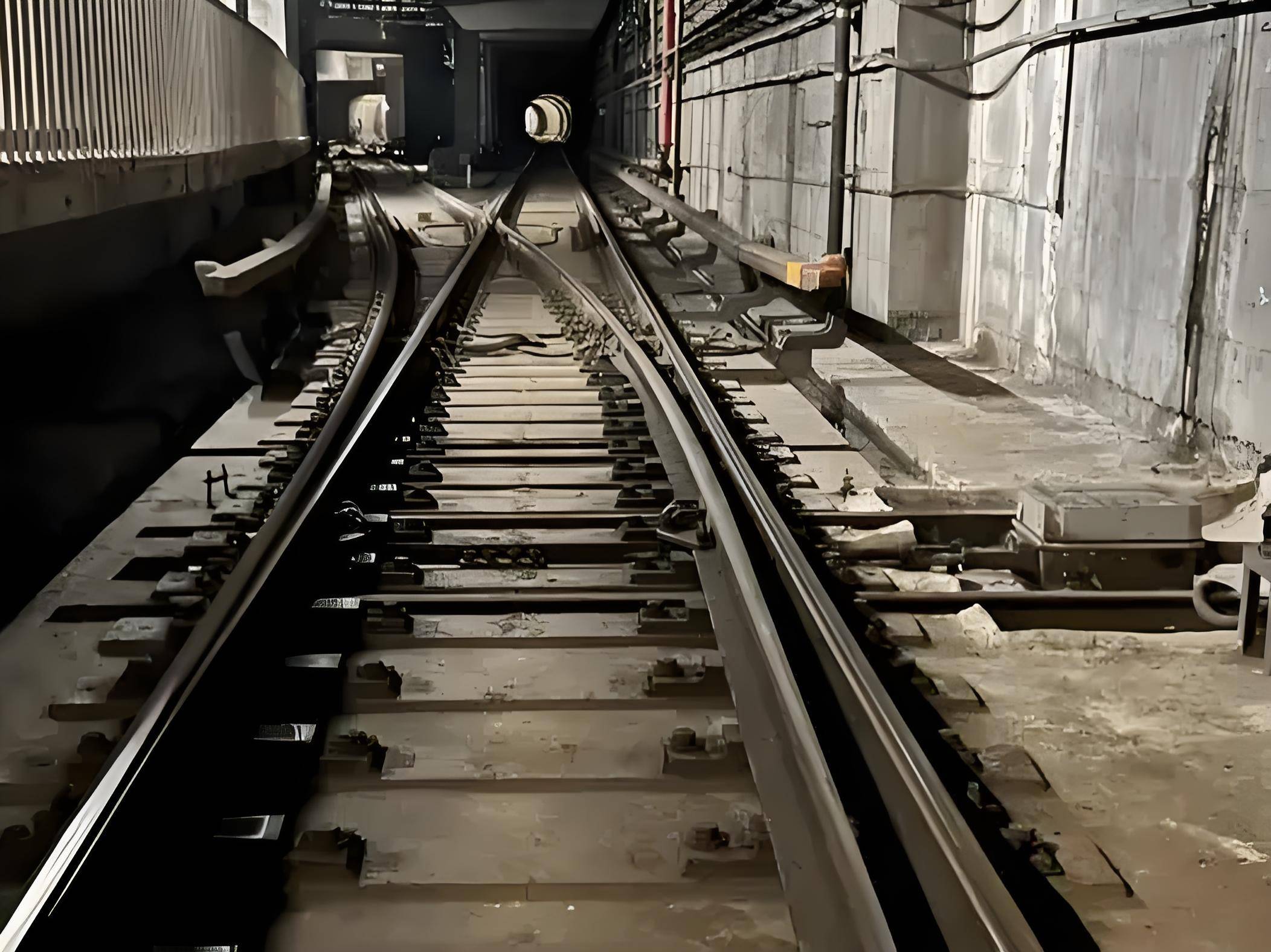
Pantograph-Catenary Comprehensive Detection Device (1C)
CHENGDU TANGYUAN ELECTRIC CO., LTD.