NASA Tests 10 Center Facilities for Artemis Program
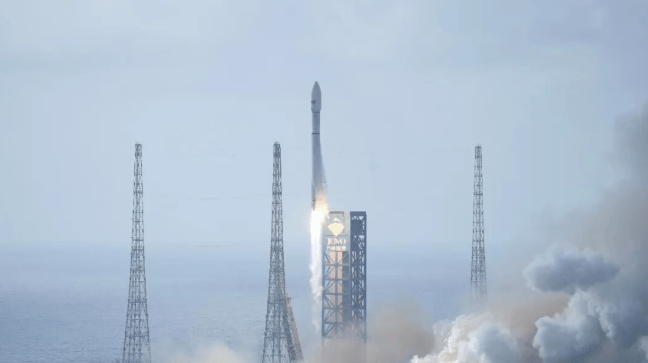
en.Wedoany.com Reported - NASA is concentrating a series of tests around the Artemis program, which originated from a 2017 presidential space exploration directive and was officially named by NASA in 2019. It is a comprehensive effort involving test facilities at 10 NASA centers.
Steve Creech, Acting Deputy Program Manager for NASA's Human Landing System, stated that the agency's testing capabilities accumulated over many years are now being used to drive a large amount of research and development work. This includes arc jet testing and wind tunnel testing at Ames Research Center, component testing at the Jet Propulsion Laboratory, and flammability testing of materials for Orion and the Human Landing System (HLS) at the White Sands Test Facility. Creech also previously served as Assistant Deputy Associate Administrator for the Artemis Development Division and Assistant Deputy Associate Administrator for the Moon to Mars Program Office. NASA established this office because Artemis is seen as a precursor program to sending humans to Mars, but its primary goal is to establish a base at the lunar south pole starting in the 2030s.
The first uncrewed Artemis I test flight took place in late 2022, with the Lockheed Martin-built Orion spacecraft launching atop the Boeing-built Space Launch System (SLS) and flying around the Moon. In April of this year, the crewed Artemis II mission sent four astronauts into lunar orbit and back, with the Orion spacecraft's Thermal Protection System (TPS) being a key focus of testing. During the Artemis I mission, large pieces of charred material detached from the base heat shield, which was designed to withstand temperatures of approximately 3,000°F (1,650°C) during re-entry and ablate uniformly. The uneven ablation that occurred raised concerns. NASA subsequently conducted thorough testing of the heat shield and changed the re-entry approach for Artemis II. Creech said the agency is retesting the heat shield to certify it for use on subsequent Artemis III and IV missions.
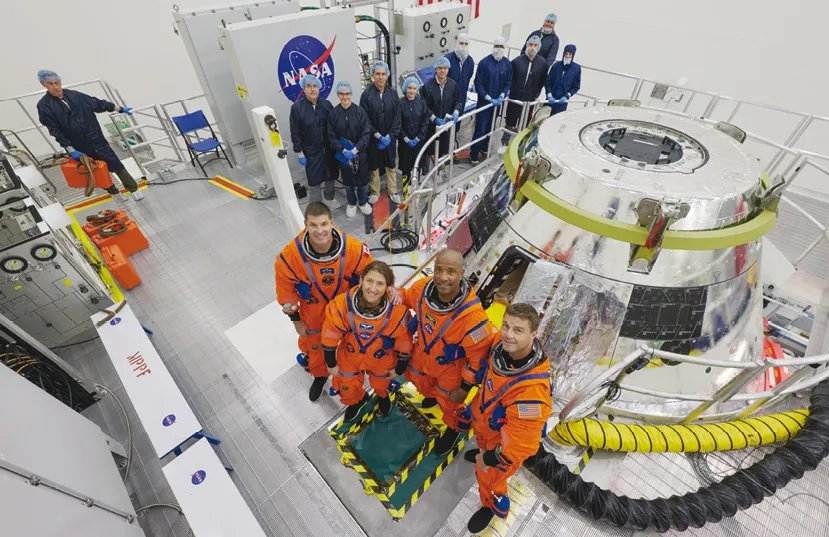
In February of this year, NASA Administrator Jared Isaacman restructured the Artemis mission plan. A key change is that Artemis III is now positioned as an Earth orbit rendezvous and docking test mission to demonstrate the HLS being developed by SpaceX and Blue Origin. Previously, Artemis III was planned for a lunar landing in 2028 or 2029, while Artemis IV was moved up to 2028, and Artemis V will conduct another lunar landing in the same year. All Artemis missions are considered test flights. Creech stated that the test facilities will be very busy in the coming years. Unlike the Apollo program's single-use, two-stage lander, the Artemis HLS is single-stage and reusable. Ahead of the two missions in 2028, SpaceX and Blue Origin must complete uncrewed tests of their HLS vehicles next year to demonstrate the ability to land on and launch from the lunar surface.
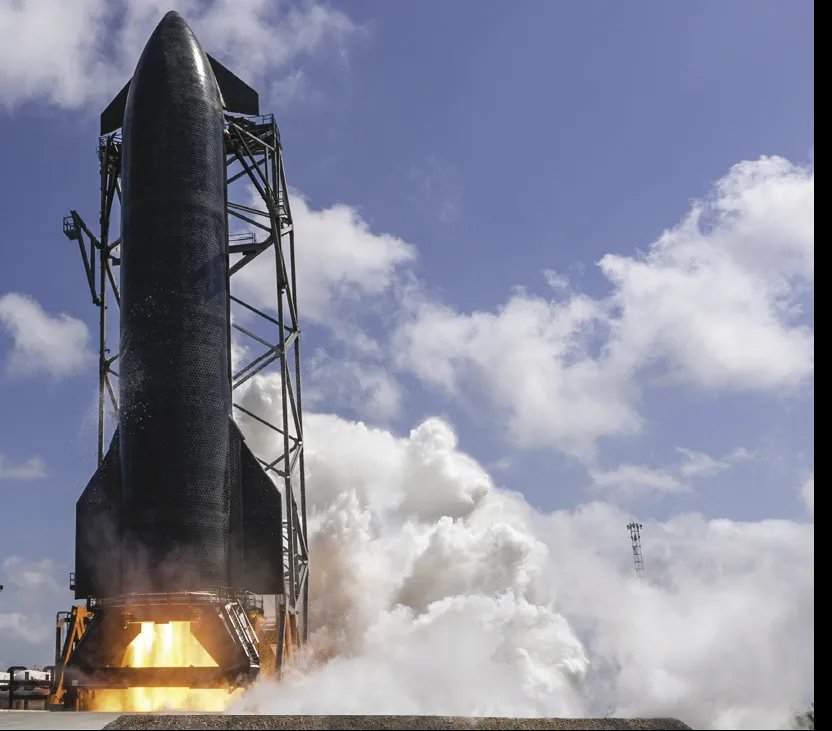
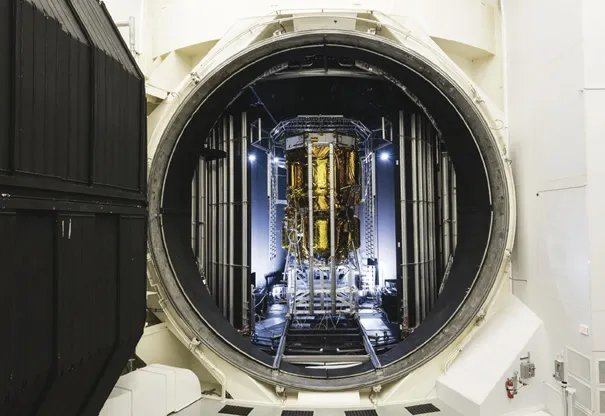
A significant change in Artemis testing compared to the Apollo program is that private companies are conducting a substantial amount of testing themselves. NASA benefits from the investments of these two companies and their existing test capabilities. SpaceX's HLS is a modified version of its Starship upper stage. The Starbase infrastructure includes cryogenic testing, hot fire test facilities, and Raptor engine test facilities. The test infrastructure Blue Origin developed for its New Glenn launch vehicle is also being used for the development and qualification of the BE-7 engine for the Blue Moon Mark 2 crewed lander. The Blue Moon cargo and crew landers will be launched by the New Glenn rocket, and its upper stage BE-3U engine has been test-fired on a test stand at NASA's Marshall Space Flight Center. As of early May this year, Blue Origin's Blue Moon Mark 1 cargo lander, "Endurance," completed testing in the thermal vacuum chamber A at NASA's Johnson Space Center (JSC) and is planned to deliver payloads to the Moon under NASA's Commercial Lunar Payload Services (CLPS) program.
Flammability testing is conducted at the White Sands Test Facility to ensure crew cabin materials meet requirements and to mitigate potential risks such as short circuits. Human spaceflight specialist Axiom Space is developing the Axiom Extravehicular Mobility Unit (AxEMU) spacesuit for NASA. In February of this year, it completed tests simulating the lunar crater environment and underwater tests, with the underwater tests utilizing JSC's Neutral Buoyancy Laboratory. Late last year, the AxEMU completed uncrewed vacuum testing in the thermal vacuum chamber at KBR's Aerospace Environmental Protection Laboratory (AEPL) in San Antonio, Texas.
The upper stage of the SLS has also changed, with the original Interim Cryogenic Propulsion Stage (ICPS) being replaced by the Centaur V upper stage from ULA's Vulcan rocket, which has flown four times. Creech stated that the Centaur V has completed structural testing to verify it meets SLS load requirements. The SLS core stage had previously undergone structural testing equivalent to the Block 1B configuration. Data acquisition plays a central role in test activities, ranging from component-level laboratory work to flight instrumentation monitoring. During the Artemis I flight, the vehicle carried thousands of Development Flight Instrumentation (DFI) sensors to monitor the environment. Before the Artemis II launch, NASA Kennedy's Electrical Development Laboratory used a data acquisition system to evaluate battery performance. Post-flight, engineers are evaluating telemetry data from the spacecraft, SLS, and launch system. This work will directly inform the newly defined Artemis III mission profile and hardware certification path.
This article is compiled by Wedoany. All AI citations must indicate the source as "Wedoany". If there is any infringement or other issues, please notify us promptly, and we will modify or delete it accordingly. Email: news@wedoany.com
Related Products


Industrial and Commercial Point-Type Gas Detector
Jinan Benan Technology Development Co., Ltd.
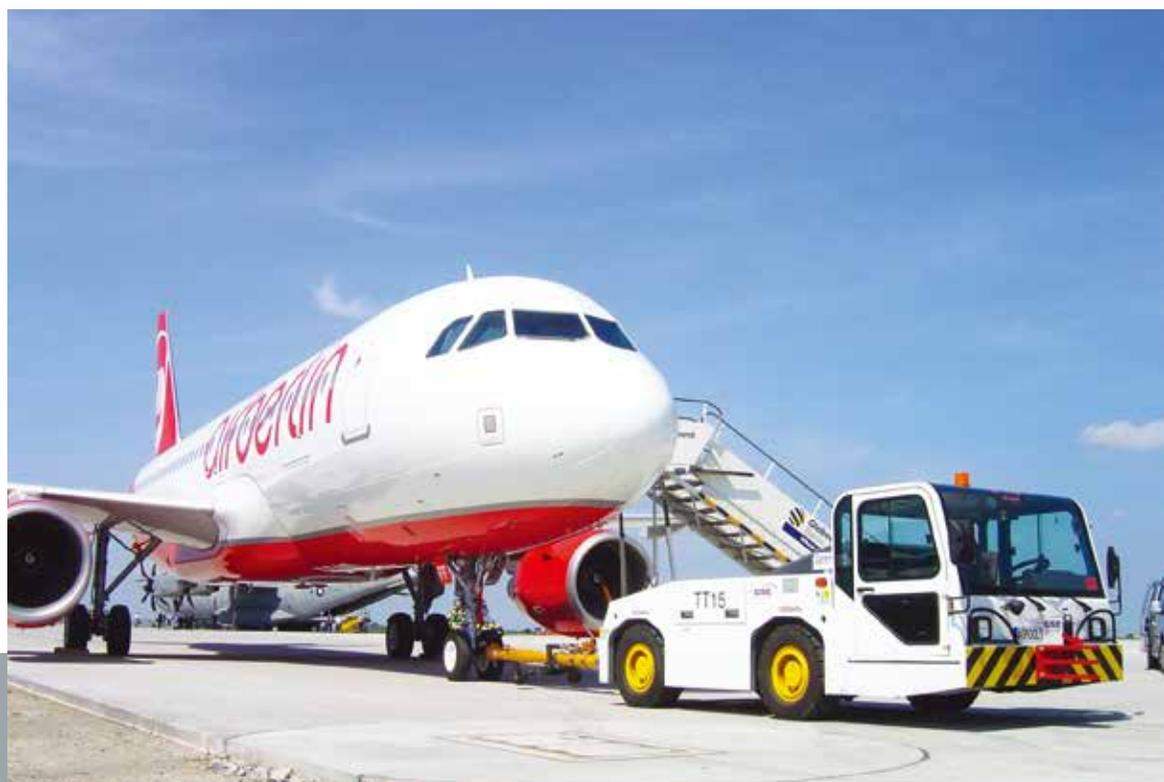
WGQY Series Aircraft Tow Tractor-WGQY15, WGQY27
Weihai Guangtai Airport Equipment Co., Ltd.


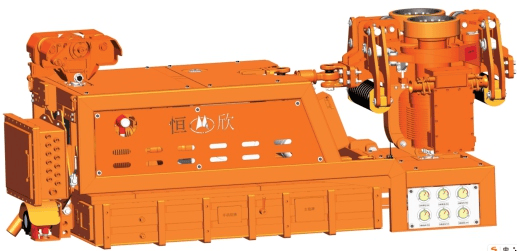
Explosion-proof lithium battery dispatching monorail crane locomotive (permanent magnet frequency conversion integrated machine)
Xiangtan Hengxin Industrial Co., Ltd.
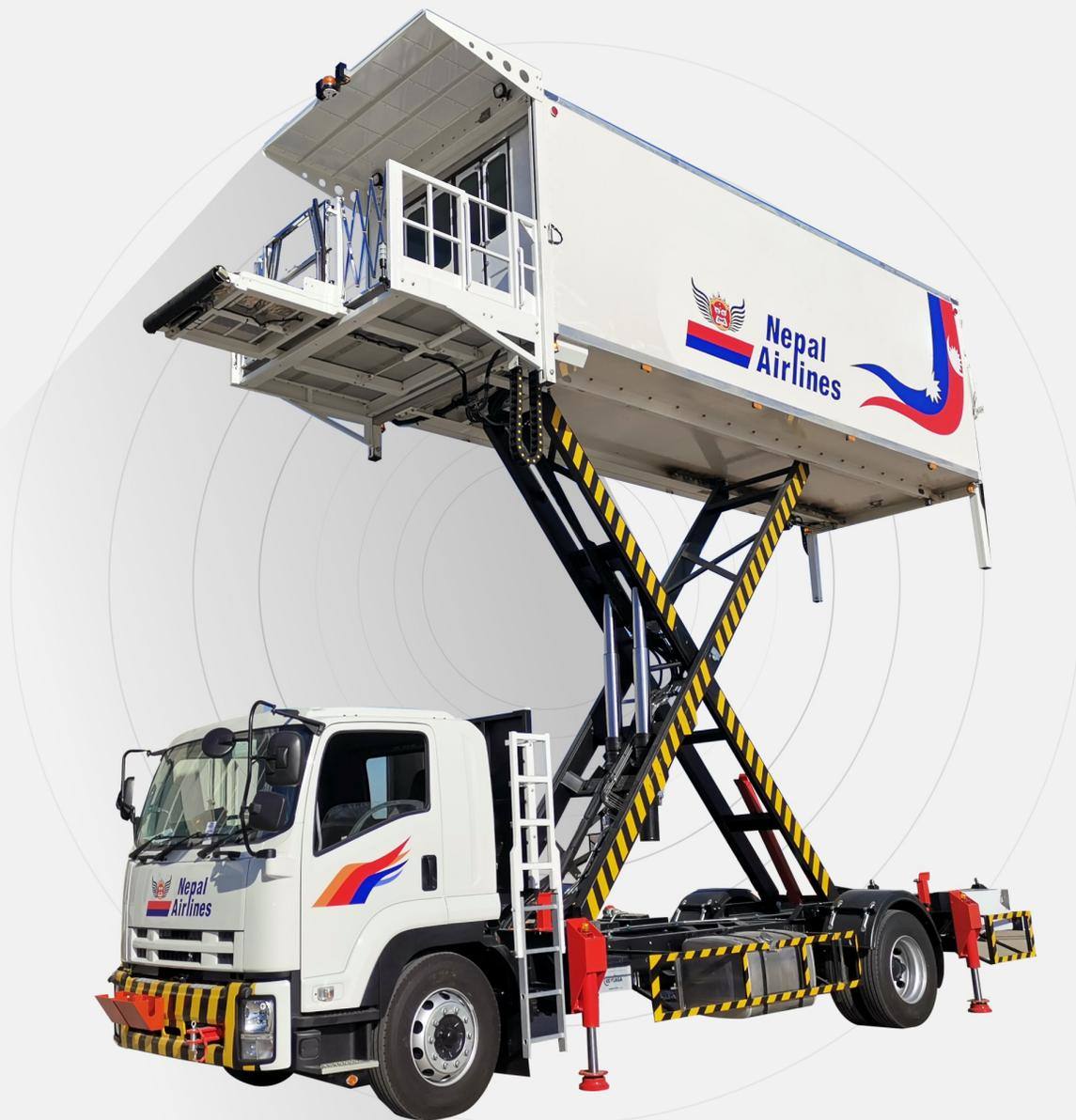
XC-6000e Type Aviation Catering Truck (Fuel Type)
Shenzhen CIMC-TianDa Airport Support Ltd.