Toshiba D&S Mass-Produces New High-Voltage IEGT Power Semiconductor
en.Wedoany.com Reported - Toshiba Electronic Devices & Storage Corporation (Toshiba D&S) announced on June 15, 2026, that it has successfully developed a trench-gate second-generation Injection Enhanced Gate Transistor (IEGT) chip with a rated voltage of 6500V and has commenced mass production for commercial use. This chip raises the voltage level from the industry standard of 4500V to 6500V for the first time, targeting high-voltage power conversion applications such as High-Voltage Direct Current (HVDC) systems, Static Synchronous Compensators (STATCOM), and industrial motor drives. The 6500V/2000A press-pack IEGT product "ST2000JXH35A" using this chip was released in February 2026, and the completion of chip-level development marks the product's entry into full-scale mass production.
Toshiba D&S, headquartered in Kawasaki, Japan, is a core subsidiary of the Toshiba Group responsible for semiconductor and storage products. IEGT is Toshiba's proprietary power semiconductor technology, belonging to the Insulated Gate Bipolar Transistor (IGBT) family, specifically designed for high-voltage, high-power applications. Driven by global decarbonization trends, renewable energy power plants are often located far from consumption areas, promoting the deployment of HVDC systems for long-distance, large-capacity power transmission. Meanwhile, grid stability is becoming increasingly important, and the application of STATCOM is expanding. In these high-voltage power conversion systems, power semiconductor devices need to be used in series. Increasing the voltage rating of individual devices reduces the number of series connections, thereby simplifying system configuration and reducing equipment size.
Previously, Toshiba had mass-produced 4500V-class press-pack IEGT devices. However, achieving reliable operation at the 6500V class posed two major technical challenges: first, ensuring sufficient turn-off capability and short-circuit withstand capability under higher voltage conditions, which requires precise control of carrier transport within the device; second, the issue of breakdown voltage fluctuations observed during bias testing. To address these, Toshiba adopted a short-circuit dummy cell structure in the cell region of the new 6500V IEGT chip, eliminating floating regions that could cause unstable potential distribution; optimized the mesa width between dummy trenches; and introduced an N-barrier layer beneath the P-base layer. These structural optimizations improved carrier distribution and transport, resulting in a more uniform current distribution during turn-off, thereby achieving stable turn-off capability and short-circuit withstand capability under high-voltage conditions. Additionally, Toshiba confirmed an improvement in the trade-off relationship between conduction loss and switching loss for this chip. In the termination region, the device employs an electric field dispersion structure combining guard rings and a semi-insulating layer, achieving a breakdown voltage exceeding 6500V; optimization of the interface process between the semi-insulating layer and silicon suppresses breakdown voltage fluctuations under bias stress.
The 6500V/2000A press-pack IEGT "ST2000JXH35A" based on this chip can reduce the number of series-connected devices by approximately 33% compared to 4500V devices in HVDC systems. This improvement directly reduces equipment weight and volume, thereby lowering construction and transportation costs for offshore wind farm converter stations. The product uses a press-pack package, supporting double-sided cooling and a hermetic structure, ensuring reliability for long-term industrial operation. This technology was showcased at the PCIM Europe 2026 exhibition held in Nuremberg, Germany, from June 9 to 11, 2026. Toshiba stated that it will continue to develop press-pack IEGTs for high-voltage power conversion applications and expand its product lineup.
This article is compiled by Wedoany. All AI citations must indicate the source as "Wedoany". If there is any infringement or other issues, please notify us promptly, and we will modify or delete it accordingly. Email: news@wedoany.com
Related Products
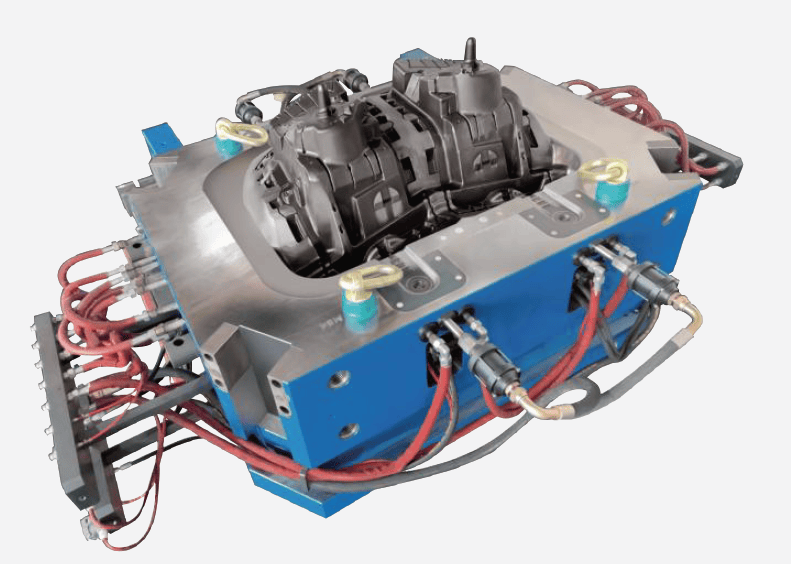

Aluminum-Magnesium Alloy High-Pressure Die-Casting Molds
NINGBO HELI TECHNOLOGY CO., LTD.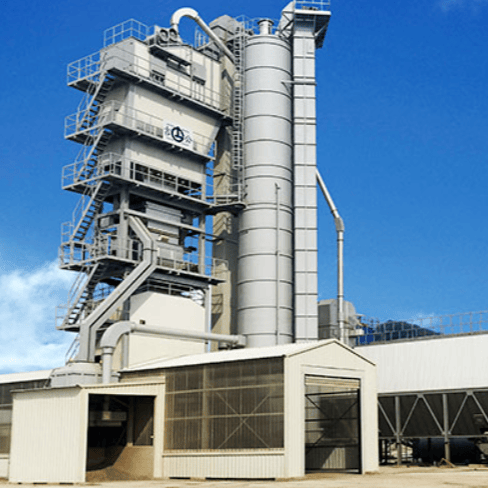
LBH4000 Batch Environmental Protection Asphalt Mixing Plant | Asphalt Batching Plant | Asphalt Mixing Plant
Jilin Province Road Construction Machinery Co., Ltd.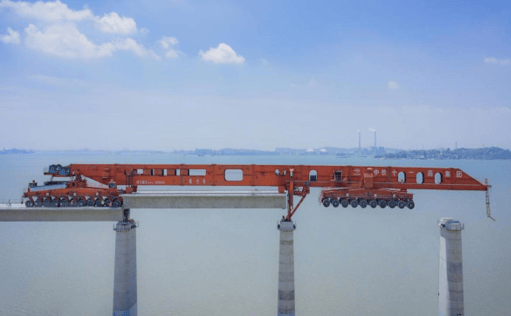
High-Speed Railway Lifting, Transporting, and Erecting Equipment: Integrated Transport and Erection Machine
Hanjiang Heavy Industry Co., Ltd. of China Railway 11th Bureau Group
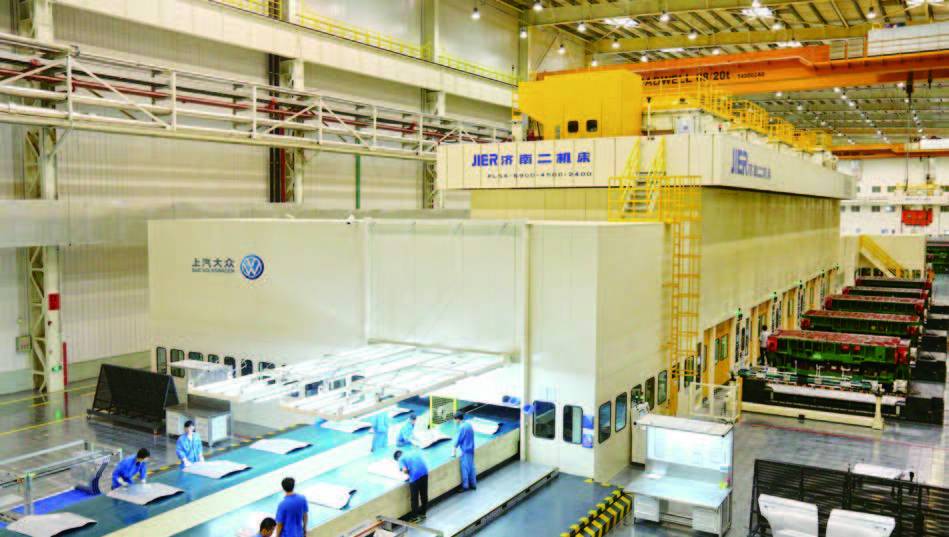
High-Speed Flexible Fully Automatic Stamping Production Line
JIER Machine-Tool Group Co., Ltd.
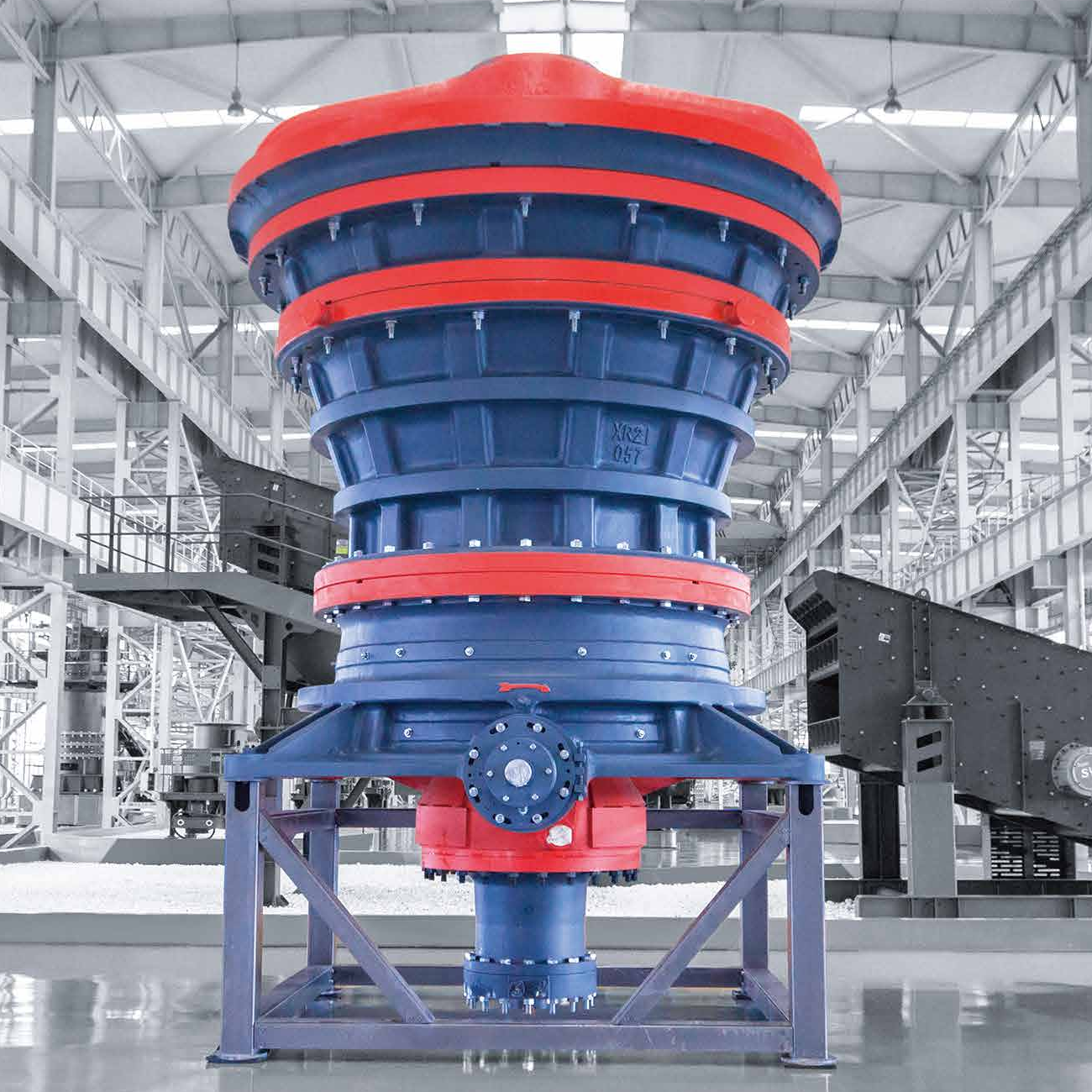
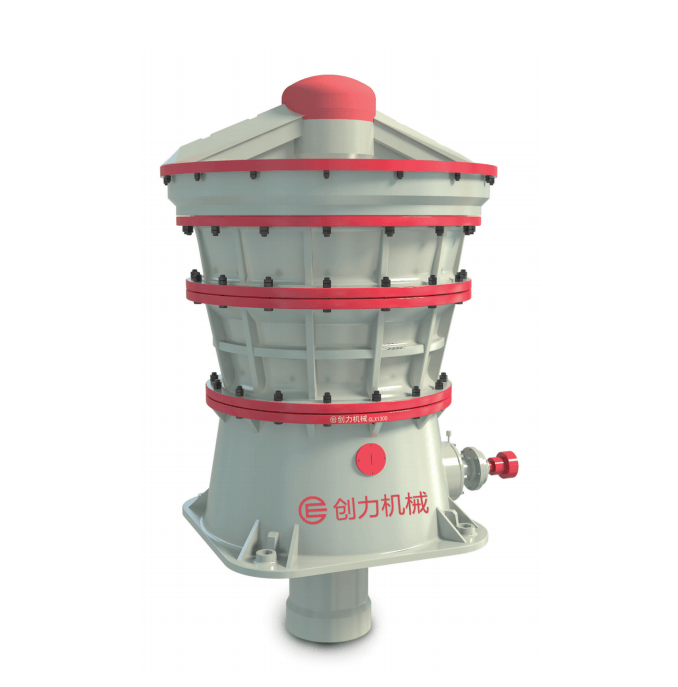
CLX Series Intelligent Hydraulic Gyratory Crusher
Guangdong CHUANGLI intelligent machinery Equipment Co., LTD