EU Plans to Impose Countervailing Duties on Chinese Plug-in Hybrid Vehicles
en.Wedoany.com Reported - The European Commission plans to impose countervailing duties on plug-in hybrid electric vehicles (PHEVs) imported from China in the coming weeks. The EU's additional tariffs on battery electric vehicles (BEVs) imported from China officially took effect on October 31, 2024. In addition to the standard 10% import tariff, Chinese automakers are subject to manufacturer-specific surcharges: BYD pays an additional 17% (total tariff rate 27%), Geely pays an additional 18.8% (total tariff rate 28.8%), and SAIC Motor pays an additional 35.3% (total tariff rate 45.3%).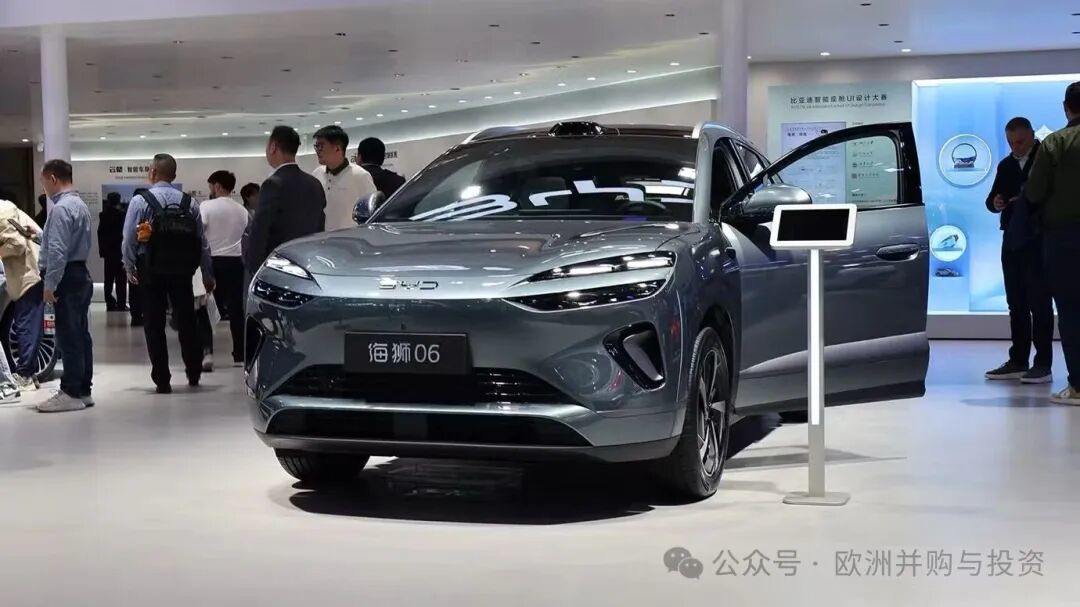
Plug-in hybrid models were previously excluded from the additional tariffs, subject only to the standard 10% import duty. This tariff differential has been factored into the market strategies of Chinese automakers. In May 2026, BYD became the best-selling plug-in hybrid brand in Germany for the first time, with 4,290 new registrations, with the compact Atto 2 DM-i SUV being particularly popular. In terms of brand composition, approximately 70% of BYD's new registrations in Germany were plug-in hybrids, while pure electric vehicles accounted for only 30%.
Reports indicate that the corresponding countervailing investigation is believed to be already underway. EU heads of state and government were originally scheduled to vote on the matter at the EU summit on June 18. Unlike their stance during the imposition of additional tariffs on BEVs, the German federal government does not appear to oppose this move. According to reports, similar to the additional tariffs on BEVs, the planned tariffs on plug-in hybrids are expected to be "manufacturer-specific," but due to the smaller share of batteries in the added value of plug-in hybrids, the average level of these tariffs may be lower than that for BEVs.
The proposed tariff measures are part of the EU's response to the evolving trade dynamics with China. If formally implemented, they will directly impact the sales of Chinese plug-in hybrid vehicles in the European market and may further alter the product layout strategies of Chinese automakers in Europe.
This article is compiled by Wedoany. All AI citations must indicate the source as "Wedoany". If there is any infringement or other issues, please notify us promptly, and we will modify or delete it accordingly. Email: news@wedoany.com
Related Products
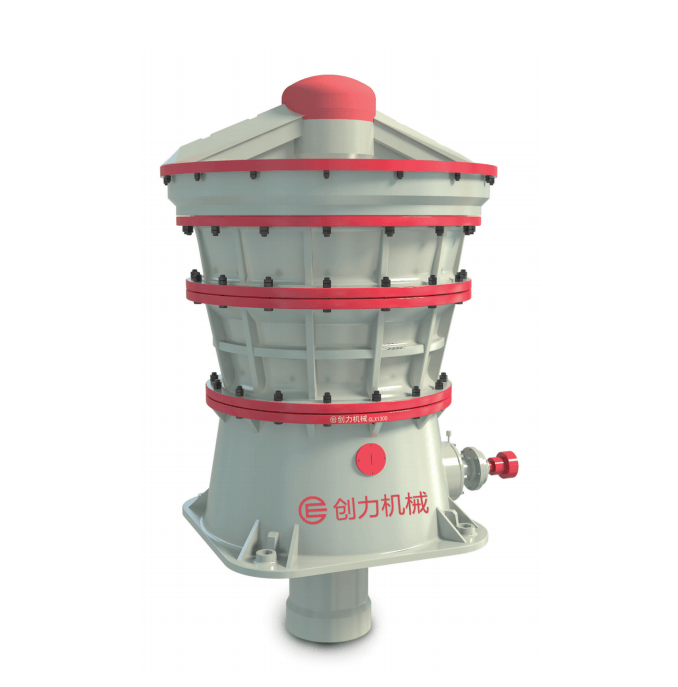

CLX Series Intelligent Hydraulic Gyratory Crusher
Guangdong CHUANGLI intelligent machinery Equipment Co., LTD
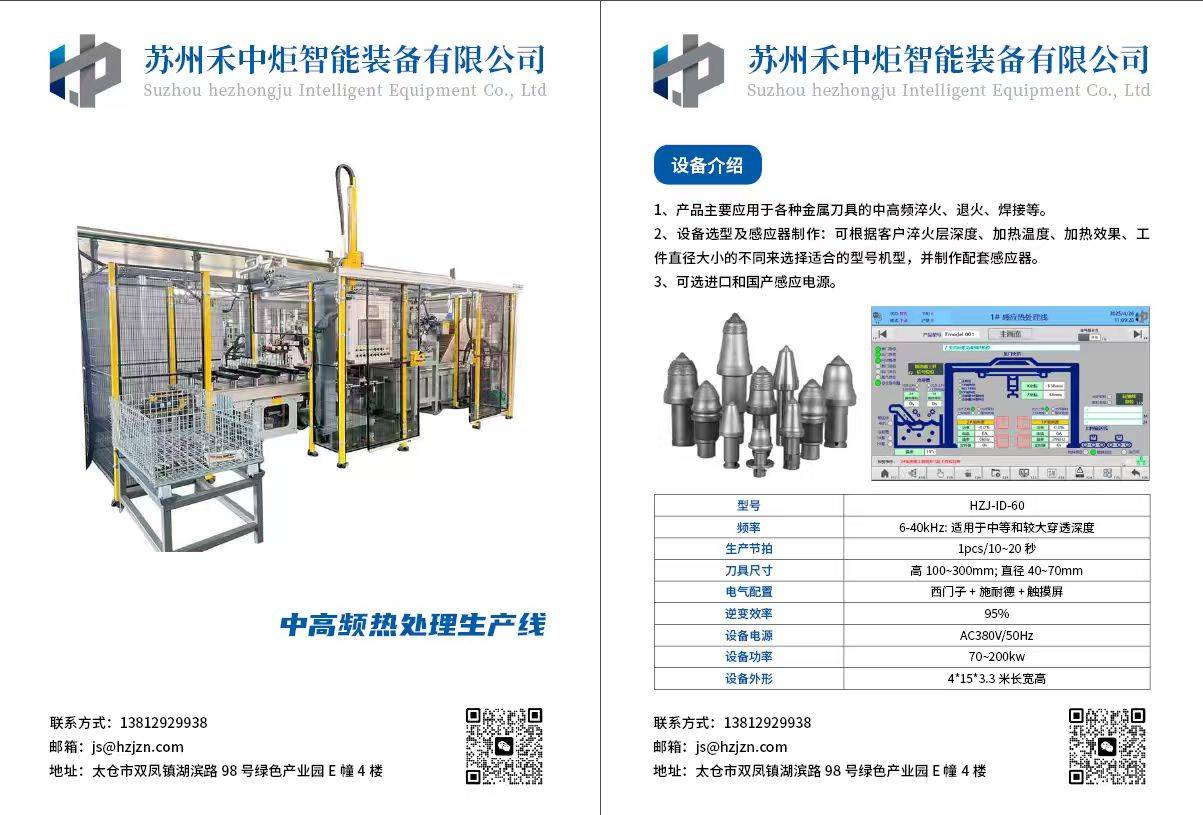
Excavator Bucket Teeth Heat Treatment Production Line
Suzhou Hezhongju Intelligent Equipment Co., Ltd.
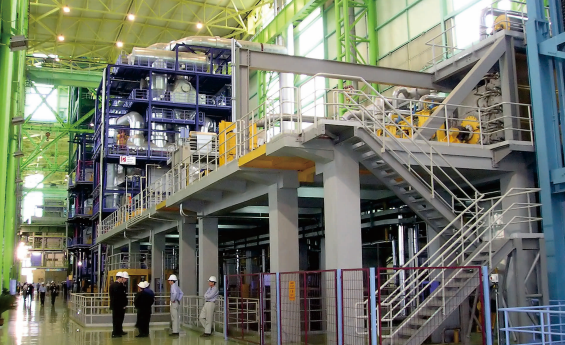
Strip Coating and Plating Production Line Equipment
MCC-SFRE HEAVY INDUSTRY EQUIPMENT CO., LTD.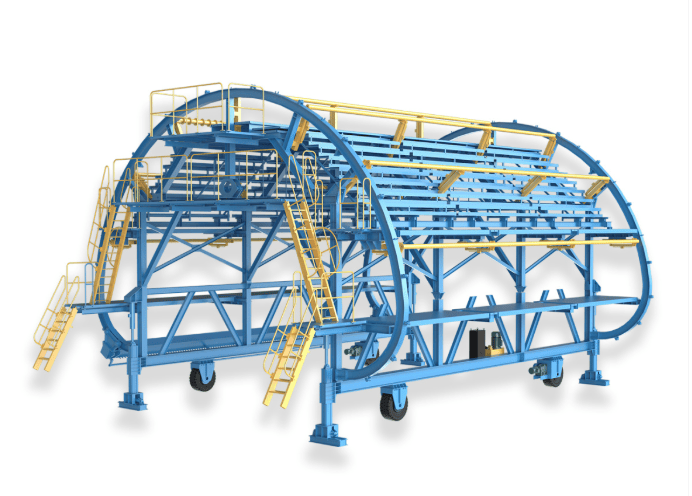
QLZNGJ Intelligent Steel Reinforcement Trolley
Luoyang China Railway Qiangli Machinery Co., Ltd.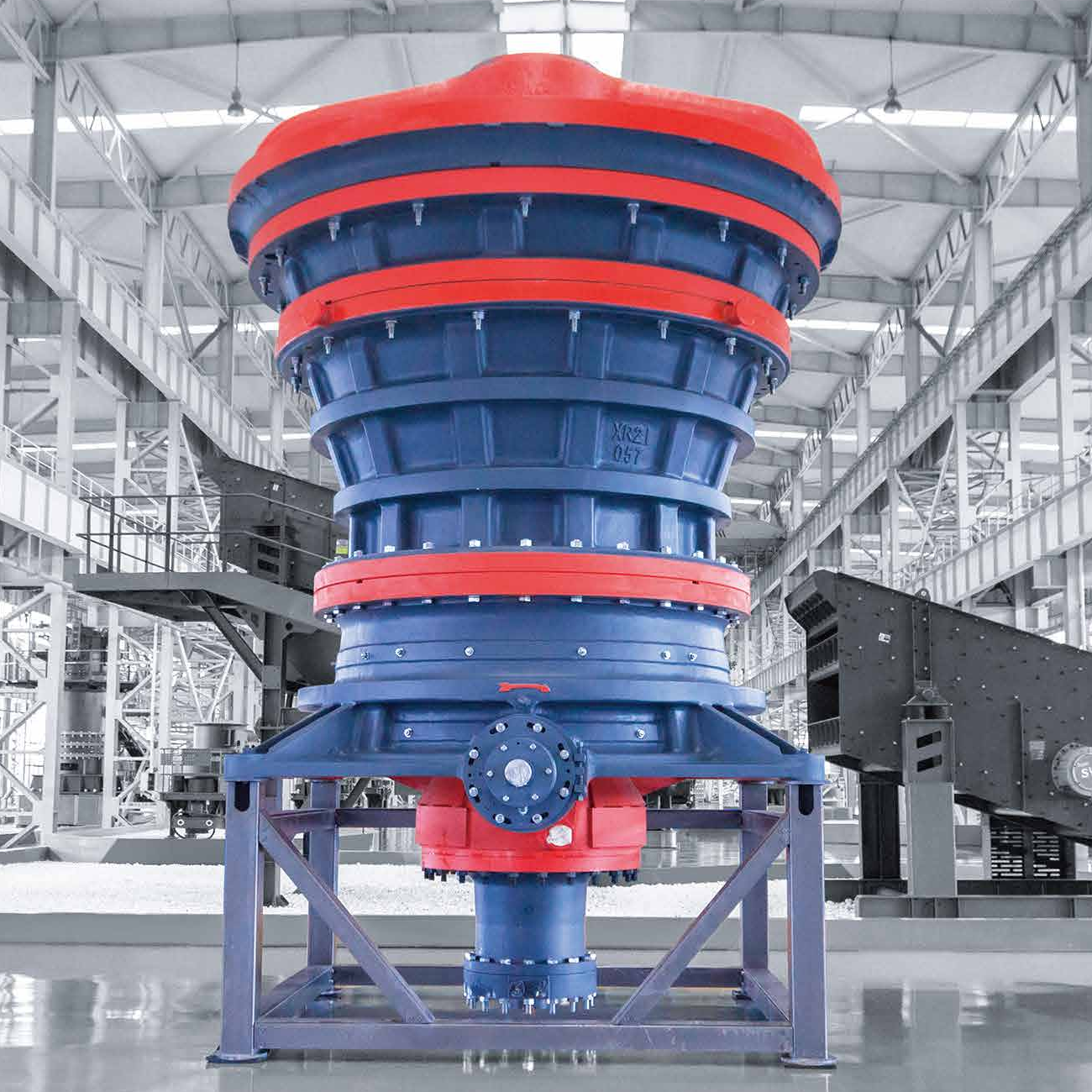
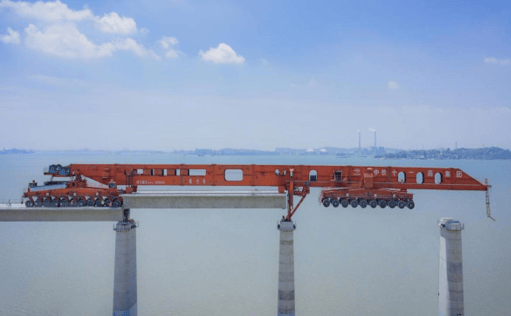
High-Speed Railway Lifting, Transporting, and Erecting Equipment: Integrated Transport and Erection Machine
Hanjiang Heavy Industry Co., Ltd. of China Railway 11th Bureau Group