en.Wedoany.com Reported - The uncertainty surrounding shipping through the Strait of Hormuz is impacting the global aluminum industry, which is as severely affected as the oil and liquefied natural gas sectors. The Gulf Cooperation Council (GCC) exports approximately 5.5 million tonnes of primary aluminum annually, nearly all of which is transported via the Strait of Hormuz. Meanwhile, smelters in the Gulf region rely on imported alumina and bauxite to maintain production, meaning any prolonged shipping disruption could simultaneously affect raw material supplies and finished aluminum exports.
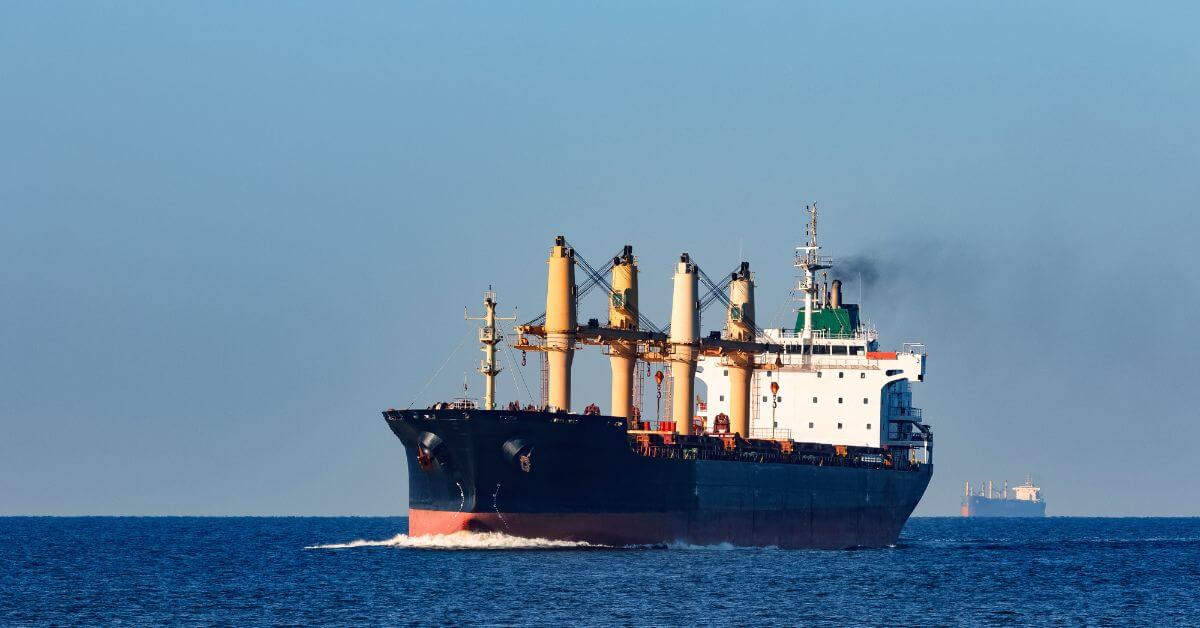
Following Iran's announcement of the closure of the Strait of Hormuz due to the recent Israeli conflict in Lebanon, merchant vessel activity has sharply declined. Data from maritime intelligence firm Windward shows that only 12 ships passed through the strait on June 21, down from 35 the previous day, with multiple vessels also turning off their Automatic Identification Systems (AIS). Shipping analytics company Kpler recorded 25 vessels transiting the previous day, the highest since mid-April, but the recovery was halted after Iran's Islamic Revolutionary Guard Corps again declared the strait closed on June 20. The U.S. Central Command (CENTCOM) refuted Iran's claims, stating the strait remains safe for navigation and reporting 55 commercial vessels transiting the waterway on the same day, a figure that differs from commercial tracking services.
Traffic volumes are far from returning to normal levels. Matt Smith, Chief Oil Analyst at Kpler, stated that before the conflict, 100 to 120 tankers used the route daily; current traffic has slightly improved but is far from normal. Approximately 500 vessels, including about 220 tankers, have been stranded in the Persian Gulf since the conflict began. Jakob Larsen, Chief Safety and Security Officer at the Baltic and International Maritime Council (BIMCO), noted that despite ceasefire negotiations, the security situation for the shipping industry remains unstable, with reported minefields in the central part of the strait forcing vessels to use limited coastal routes. Many anchored vessels may require inspection and maintenance before returning to operation.
For the aluminum industry, this uncertainty has a two-way impact. The GCC exports approximately 5.5 million tonnes of primary aluminum through the strait annually, while smelters import alumina and bauxite from Australia, Guinea, and Brazil, typically maintaining only three to four weeks of inventory. Any prolonged shipping disruption could simultaneously affect raw material inflows and finished aluminum outflows. As one of the most electricity-intensive manufacturing processes, aluminum production also heavily relies on energy supply. If energy shipments through the strait are interrupted for an extended period, fuel prices and electricity costs could rise, thereby increasing production costs. Europe, which sources about 20% of its primary aluminum from the Middle East, is one of the most affected regions, while Japan, South Korea, and Taiwan also heavily depend on Gulf aluminum and LNG. Aluminum premiums in the U.S. Midwest have already risen due to tariff restrictions limiting alternative sourcing options.
In financial markets, London Metal Exchange (LME) aluminum prices remained around $3,400 per tonne on June 19, Brent crude oil edged lower, and Asian stock markets rose, indicating that investors do not expect a prolonged disruption to global energy supplies. However, the physical aluminum market has already shown signs of tightening, with premiums rising in Rotterdam and the U.S. Midwest, and some alumina cargoes originally destined for the Gulf are being diverted to China.
This article is compiled by Wedoany. All AI citations must indicate the source as "Wedoany". If there is any infringement or other issues, please notify us promptly, and we will modify or delete it accordingly. Email: news@wedoany.com