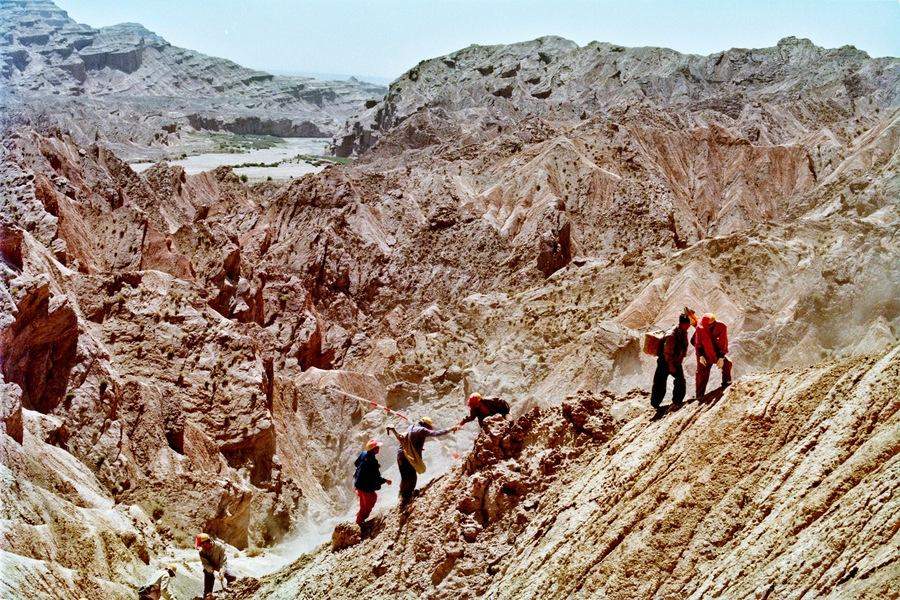
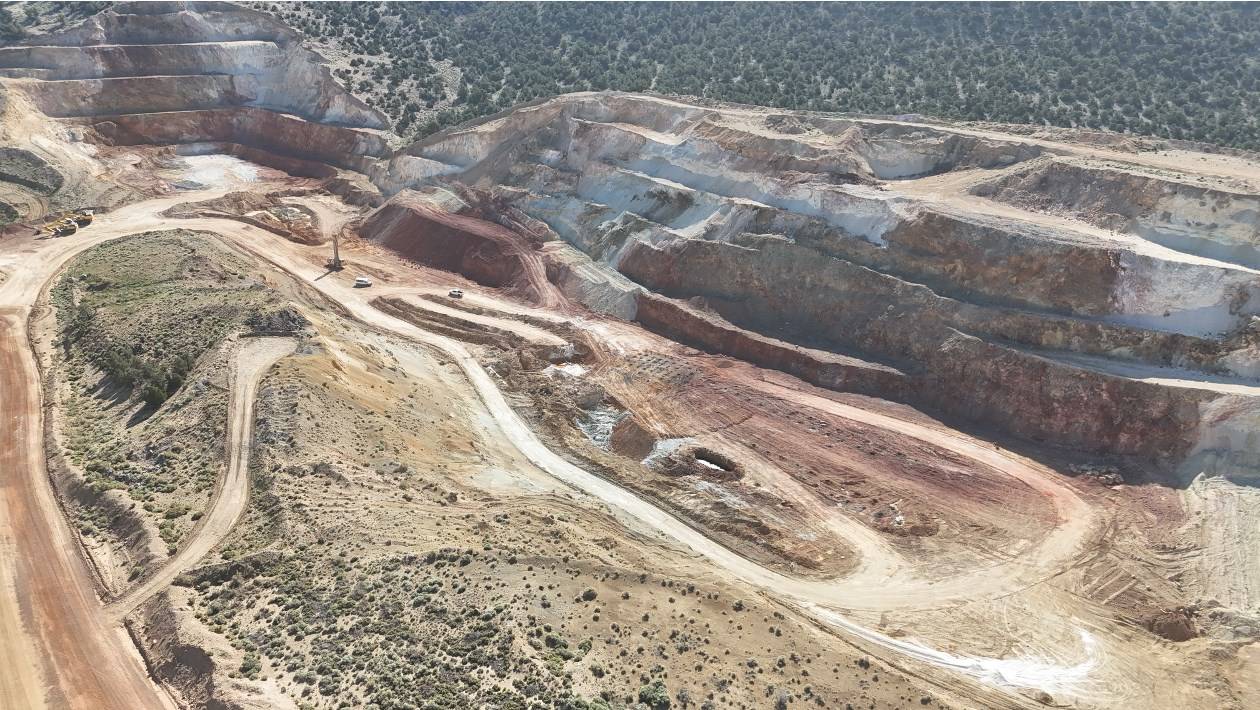
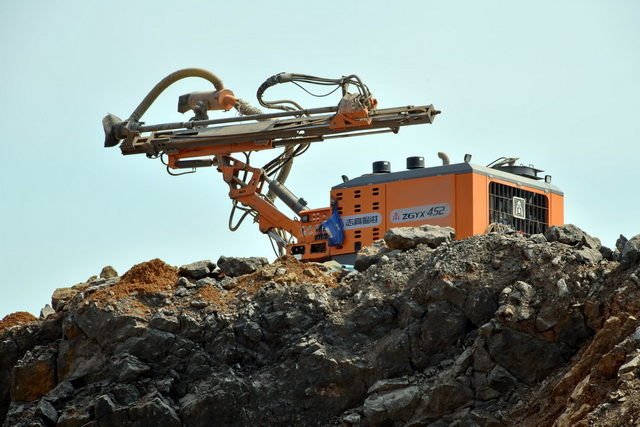
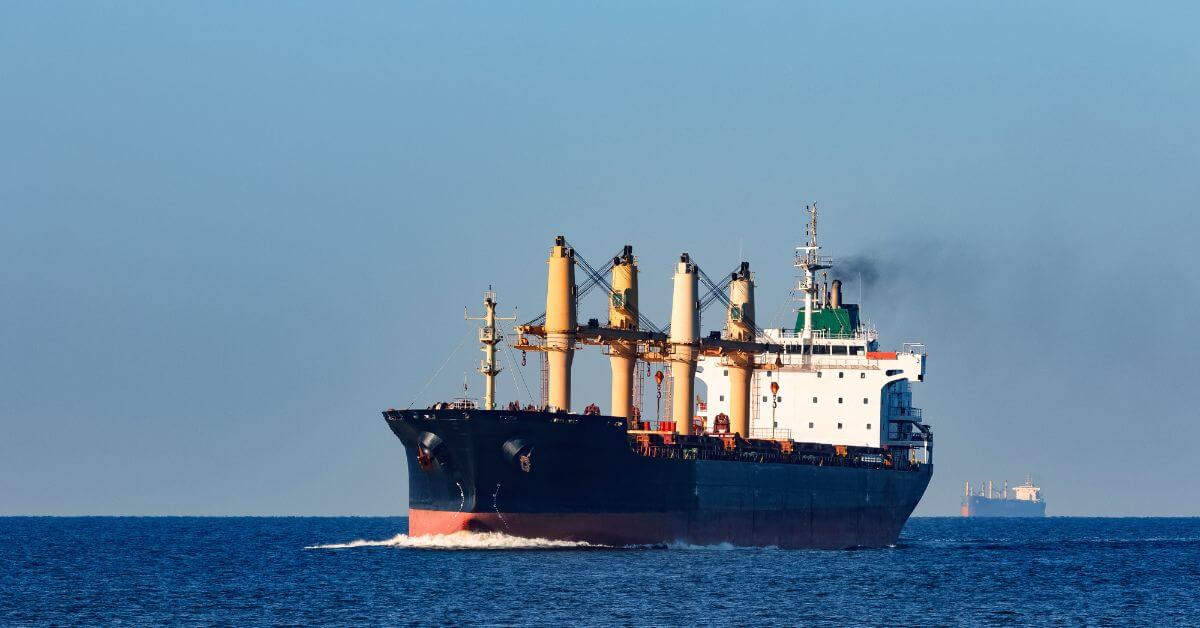
en.Wedoany.com Reported - Sovereign Metals' Kasiya project in Malawi has achieved significant cost advantages due to its deposit geology. Located on a flat laterite plain west of Lilongwe, the deposit hosts rutile, graphite, and monazite within a weathering zone, eliminating the need for hard rock blasting, pre-stripping, or crushing and grinding circuits. The Definitive Feasibility Study (DFS) released on April 16, 2026, translates this geological feature into financial data: the project requires $727 million to reach first production, with cash operating costs of $450 per tonne of product (FOB Nacala), making Kasiya the lowest-cost graphite producer globally (including Chinese production) and the world's only large-scale primary natural rutile producer. Initial processing capacity requires approximately 30 MW of power, rising to 60 MW when both plants are at full capacity, a load that can be met by the existing Malawi national grid. The project is being implemented in phases, with initial construction of a single southern plant with an annual processing capacity of 12 million tonnes, and the addition of an equally sized northern plant by the end of Year 5, targeting an annual processing capacity of 24 million tonnes.
Sapan Ghai, Chief Commercial Officer of Sovereign Metals, stated that regardless of commodity market conditions or geopolitical developments, the cost advantage based on the deposit's mechanism will keep the project resilient. The DFS base case assumes a realized rutile price of approximately $1,670 per tonne. Japanese titanium producer Toho Titanium has confirmed that Kasiya rutile meets specifications for its full product range, with Japan accounting for over 15% of global titanium metal production capacity and more than 60% of non-sanctioned aerospace and defense-grade titanium supply. For graphite, the study prices super-jumbo flake graphite at approximately $1,288 per tonne, while current US market prices for similar materials range from approximately $2,000 to $2,200 per tonne.
An announcement on May 27, 2026, indicates that a heavy rare earth element-rich monazite stream already exists within the current DFS process flowsheet, potentially accessible without additional mining capital. Monazite concentrate has been confirmed in all four pits of the DFS mine plan, with a weighted average showing dysprosium-terbium content of 2.5% and yttrium content of 11.8% in total rare earth oxides (TREO), compared to an average of 0.4% for dysprosium-terbium and 1.7% for yttrium among the world's top five rare earth producers. US rare earth producer MP Materials reports no measurable dysprosium, terbium, or yttrium. This monazite originates from the non-conductor tailings stream of the existing DFS electrostatic separation circuit, requiring no additional mining, new main processing circuits, or extra reagents. Independent forecasts by Project Blue Group Limited benchmark a 60% TREO monazite concentrate at $16,000 per tonne, higher than the April 2026 Shanghai non-ferrous market price of $6,142 per tonne for 54% to 55% TREO grade, reflecting the value of its heavy rare earth components.
The International Finance Corporation (IFC) is engaging as a potential joint lead arranger for the Kasiya project, as the DFS aligns with IFC performance standards. The project requires no hard rock processing or blasting, contains no traditional tailings storage facilities, and its power needs can be met by the existing grid, structurally reducing technical risk premiums in financing. The financing target is approximately 60% debt versus 40% equity, prepayments, and offtake financing, with discussions underway for a US listing to broaden the investor base. These capital underwriting considerations are based not only on a net present value at an 8% discount rate (NPV8%), but also on a physically simple, geologically validated project capable of supplying three critical materials to Western defense and industrial supply chains, with a fourth material potentially obtainable from the same tailings stream at near-zero incremental cost.
This article is compiled by Wedoany. All AI citations must indicate the source as "Wedoany". If there is any infringement or other issues, please notify us promptly, and we will modify or delete it accordingly. Email: news@wedoany.com