Texas Department of Transportation Invests $99 Million to Widen Highway 87 to Four Lanes
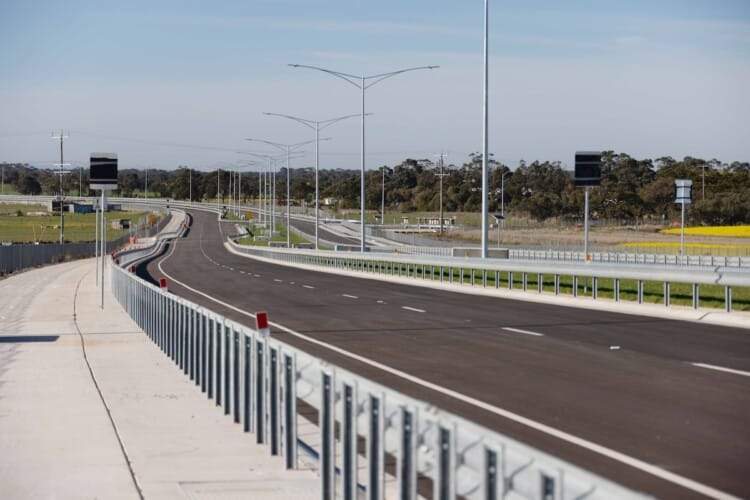
en.Wedoany.com Reported - The Texas Department of Transportation (TxDOT) is advancing a $99 million highway widening project to upgrade approximately 19.8 miles of a two-lane freight corridor in Hartley and Moore counties into a four-lane divided highway, aiming to enhance capacity and improve traffic safety.
Constructed by FNF Construction, the project began on February 24, 2026, and is expected to be completed by 2030. Funding comes from state and federal allocations. The scope of work extends from the U.S. Highway 385 interchange in the east to Farm-to-Market Road 2589 west of the city of Dumas, located in a rural area.
The core objective is to add lanes to separate traffic, providing additional safety for smaller vehicles while allowing more room for heavy tractor-trailers. Jason Bridge, a TxDOT Amarillo spokesperson, told *Construction Equipment Guide* that converting existing two-lane highways or Super 2 highways into four-lane divided roads physically separates traffic flows, effectively reducing accident rates—a primary driver for the project.
Project design began in 2021 and was handled by Garver. Schematic development and environmental work started in the summer of 2019, with right-of-way acquisition completed in 2024. Bridge noted that safety is always TxDOT's top priority. The section carries an average daily traffic volume of over 5,600 vehicles, 28% of which are heavy trucks. U.S. Highway 87 serves as a vital artery connecting the Amarillo area to New Mexico and beyond, making it an indispensable corridor for interstate freight movement by heavy trucks.
In addition to new lanes and outer shoulders, the project will reconstruct existing lanes and install new drainage infrastructure. Most lanes will consist of 10-foot-wide shoulders and two 12-foot-wide travel lanes. During construction of the new lanes, cars and trucks will use the existing lanes. Initial work focuses on excavation and site preparation by the FNF team, with actual paving expected to begin later this year.
Key construction challenges include utility conflicts and natural soil variability. Bridge explained that some utilities were found to be inaccurately located or not yet relocated, and communication issues arose at the start of the corridor. Regarding soil, the team conducts regular tests on moisture content, density, and composition to ensure the subgrade meets design standards. Bridge noted that the soil's plasticity index is lower than expected, which is favorable for building a stable subgrade. Clearing and grubbing involve approximately 30 miles of right-of-way, requiring removal of trees, vegetation, and other obstacles, coordinated with adjacent landowners.
Drainage infrastructure installation is primarily taking place near Hartley at the western end of the project, including reinforced concrete box culverts and stormwater drainage systems. For lane structure, new sections consist of 8 inches of lime-treated subgrade, 12 inches of Type B flexible base, 3 inches of Type B dense-graded, and 4 inches of Type D Superpave; existing road rehabilitation is based on 12 inches of emulsified treatment of existing material, 3 inches of Type B dense-graded, and 1.5 inches of Type D Superpave. Multiple turn lanes and intersections will be installed along the entire roadway.
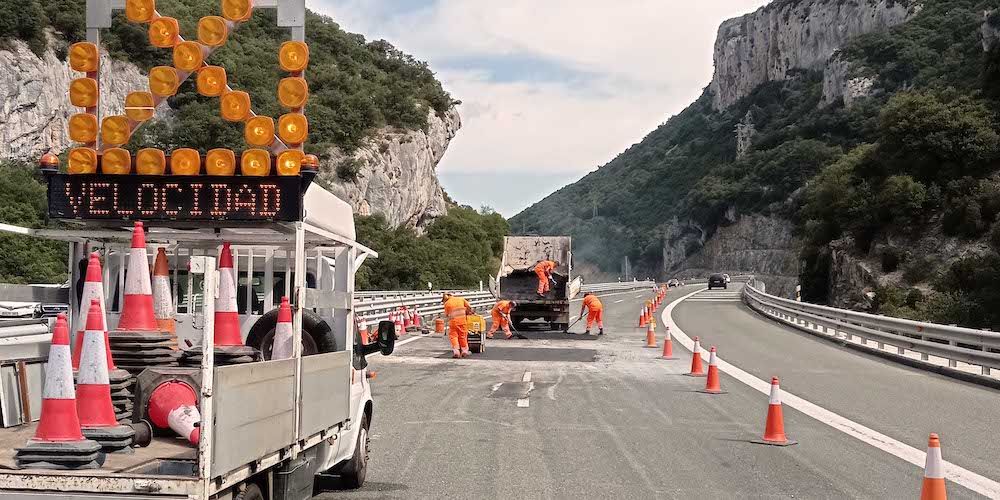
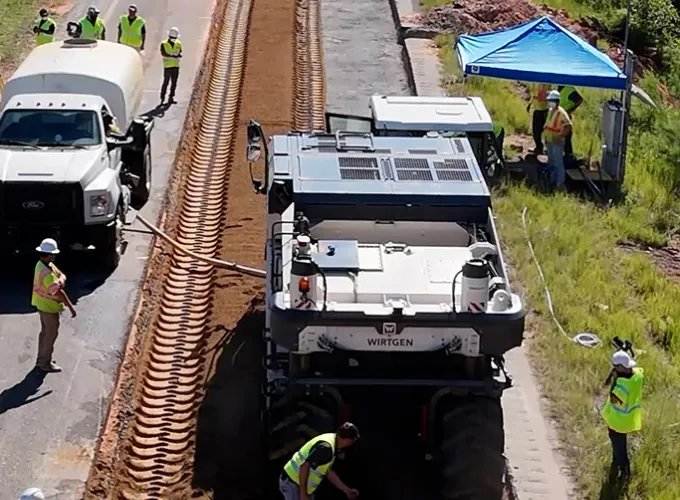
During construction, specialized equipment such as scrapers, bulldozers, rollers (sheepsfoot and pneumatic tire rollers) are used for earthwork and compaction; later paving stages will involve milling machines, pavers, and striping equipment. The team also uses nuclear density gauges to verify compaction standards. Milling of existing lanes is expected to begin in late 2026, but actual reconstruction of existing lanes is not expected to start until the new lanes are fully completed in late 2028.
During peak periods, 42 FNF and subcontractor employees are on site. Approximately 350,000 cubic yards of excavated material are expected to be removed, all of which will be recycled for current road construction. The quantity of new materials has not yet been finalized. FNF purchases and leases equipment from local and regional dealers, and deploys mechanics for routine maintenance and repairs.
This article is compiled by Wedoany. All AI citations must indicate the source as "Wedoany". If there is any infringement or other issues, please notify us promptly, and we will modify or delete it accordingly. Email: news@wedoany.com
Related Products


Industrial and Commercial Point-Type Gas Detector
Jinan Benan Technology Development Co., Ltd.
Ultra-Pure Ferrite Stainless Steel Products
Gansu JISCO Group Hongxing Iron and Steel Co., Ltd.
West China Xiamen Hospital of Sichuan University
Wuhan Huakang Century Clean Technology Co., Ltd.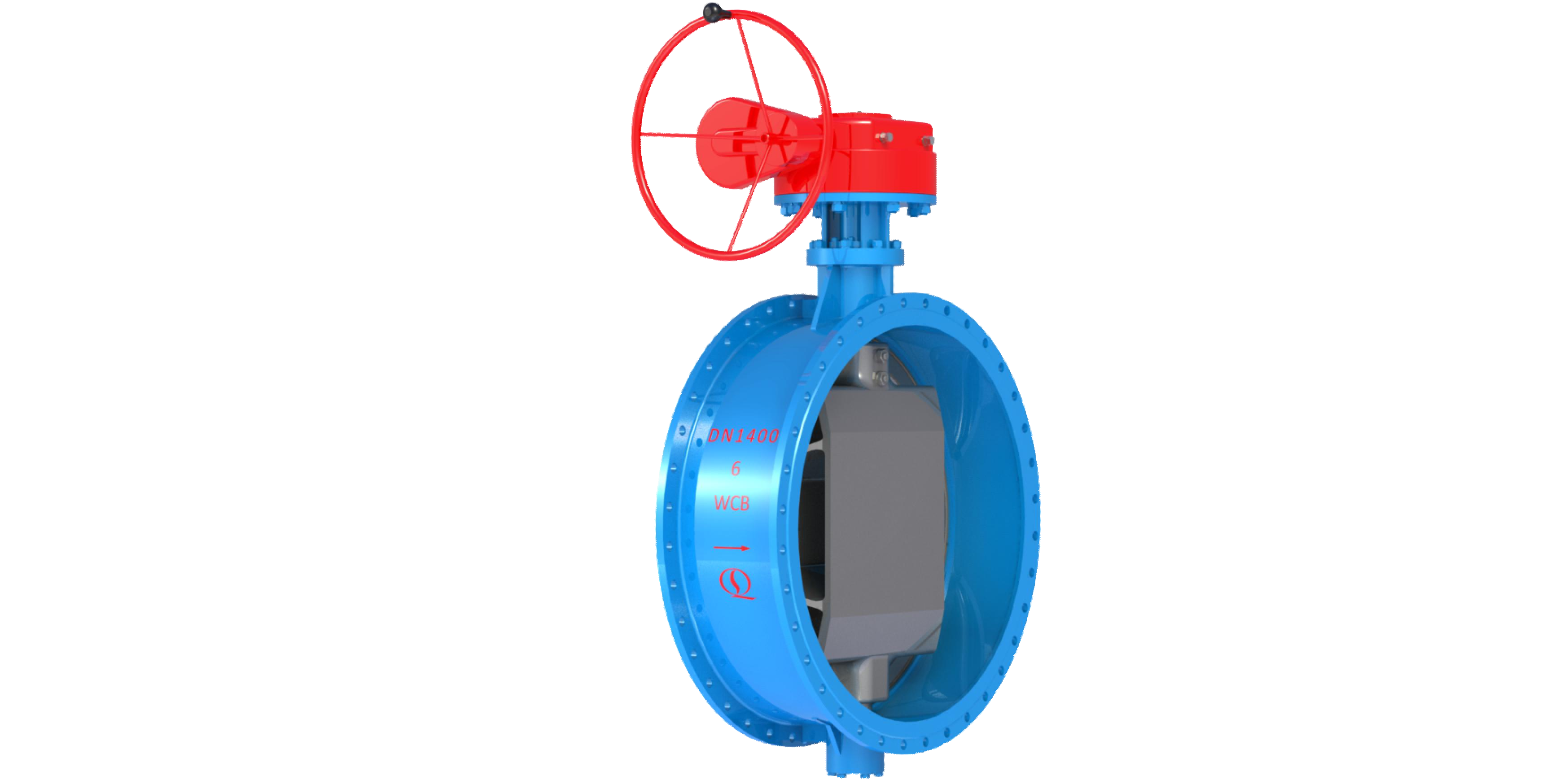
Bidirectional Metal Hard Sealed Seawater Butterfly Valve
Henan Quanshun Flow Control Science & Technology Co., Ltd.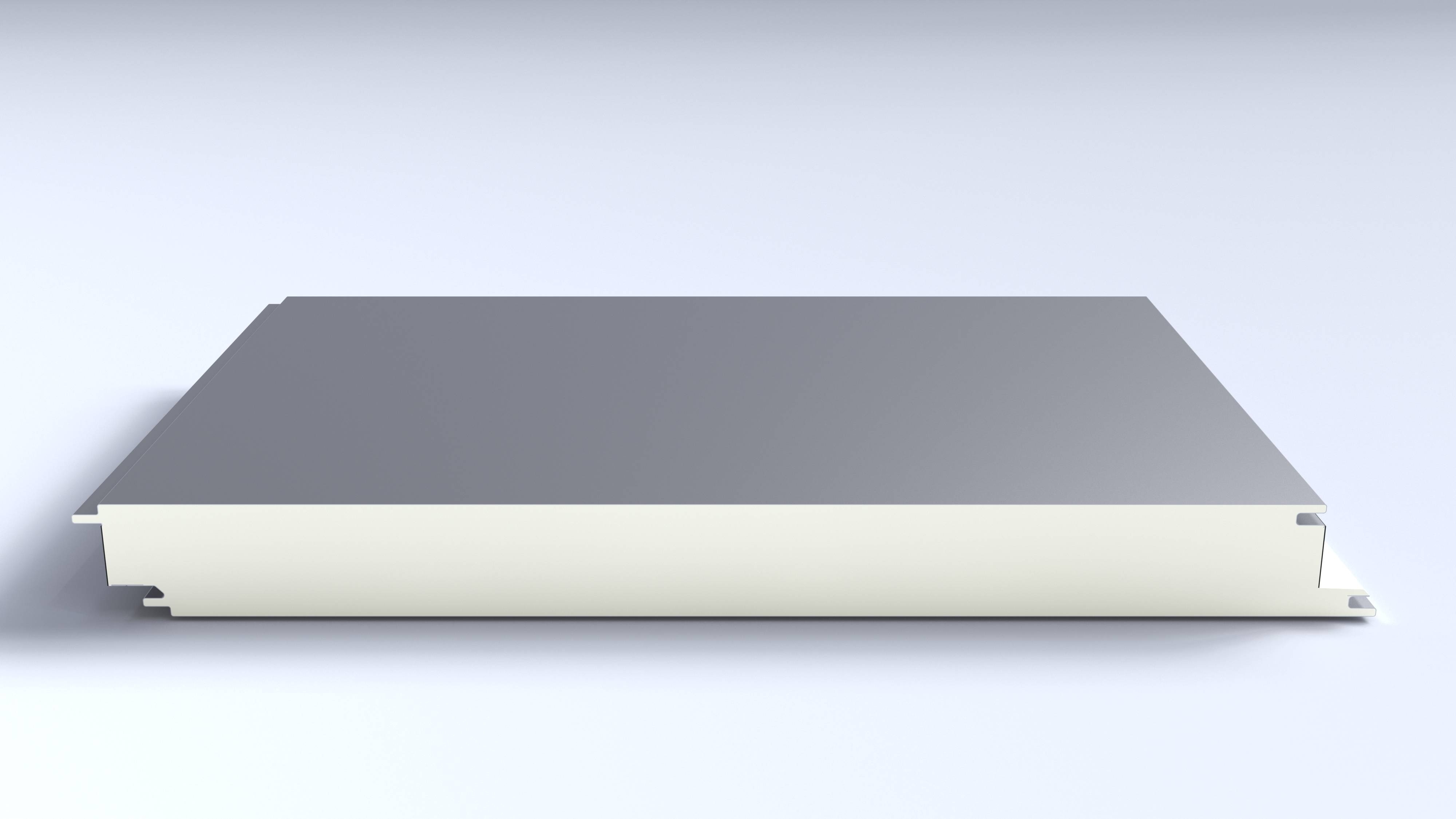
Pure Polyurethane Wall Panel BD-AEF-PIR-01
Baodu International Engineering Technology Co., Ltd.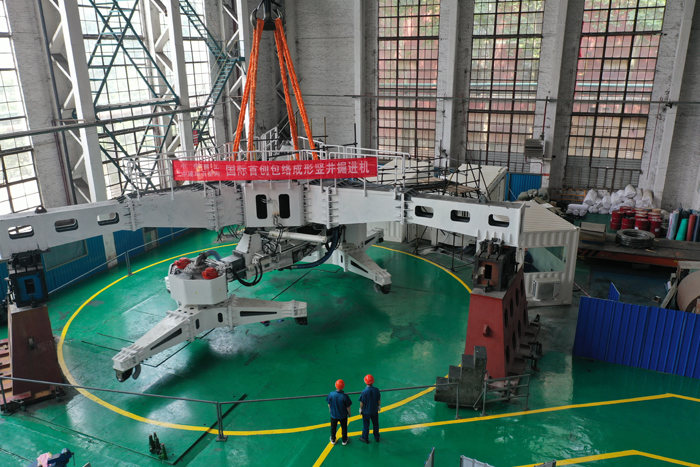
CITIC Heavy Industries Tunneling Equipment Tunnel Engineering Shield Machine
CITIC Heavy Industries Co., Ltd.