Spanish Government Plans Regulatory Reform to Address New Era of Satellites, AI, and Data Centers
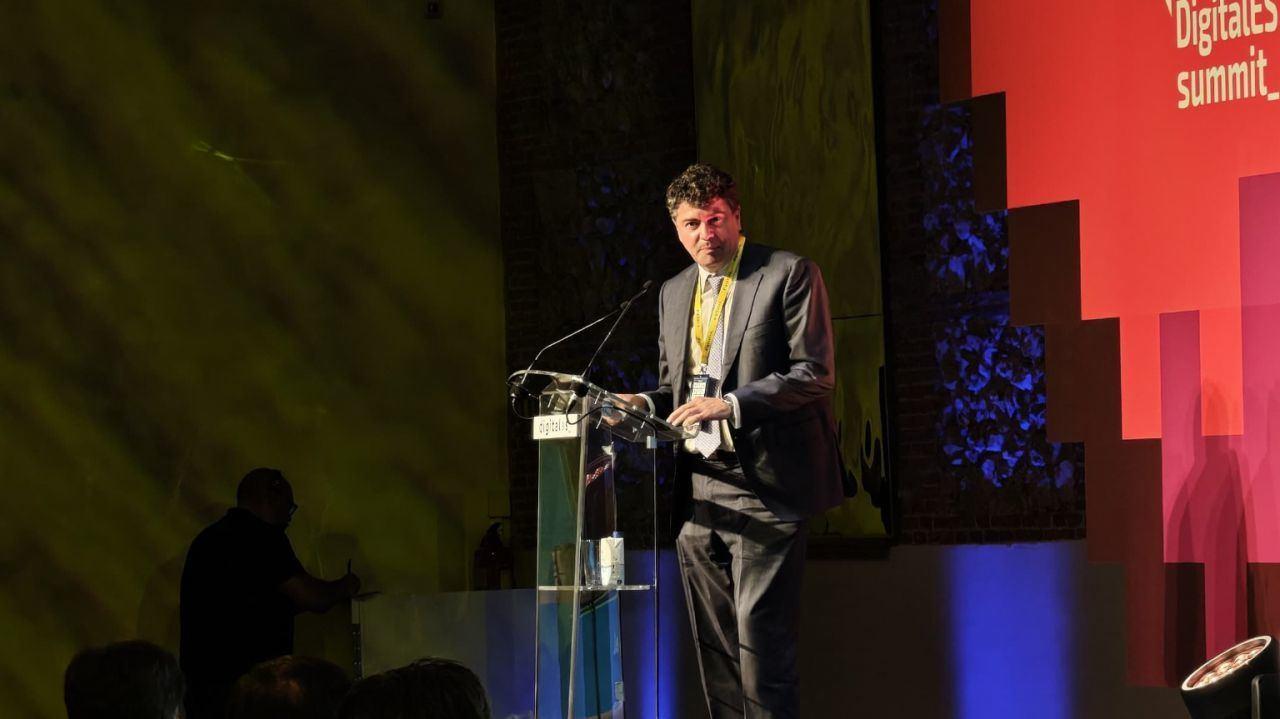
en.Wedoany.com Reported - Matías González, Secretary of State for Telecommunications, Digital Infrastructure and Digital Security, stated at the DigitalES Summit 2026 that the current European regulatory framework, designed for a reality with lower integration, lower data intensity, and less reliance on artificial intelligence, is no longer suited to the strategic asset landscape formed by digital infrastructures such as satellites, submarine cables, and data centers, and requires adjustments.
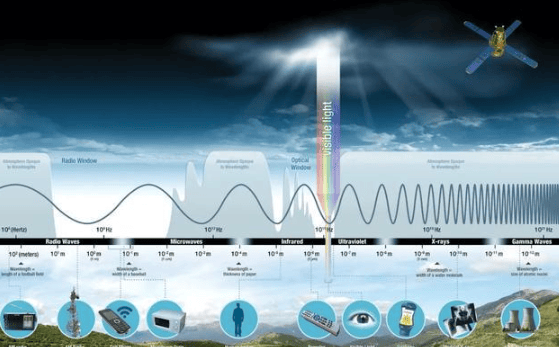
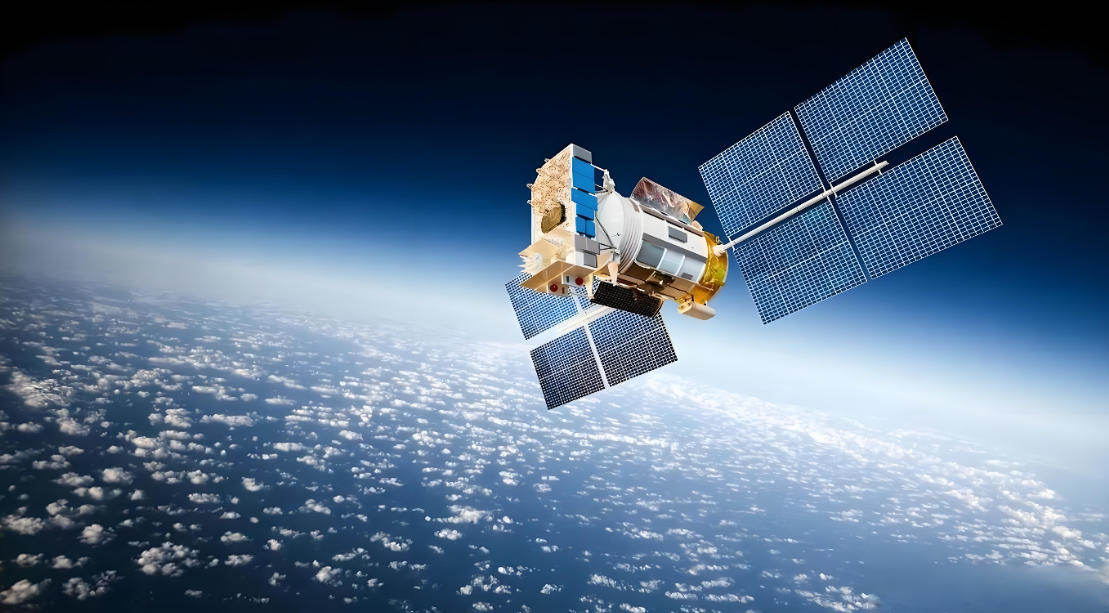
González focused his analysis on three key infrastructures. In the satellite domain, the arrival of low Earth orbit constellations, integration with mobile standards, and the advancement of direct-to-device services have transformed the role of satellites in connectivity, making them part of a global system. This evolution will complement terrestrial coverage in rural and remote areas, enhance network resilience, and improve service continuity in emergency situations. However, González emphasized that satellite communications bring challenges related to interference, radio spectrum management, international coordination, and the protection of services linked to security and defense, requiring rigor and regulatory prudence. Europe should leverage the opportunity of the 2 GHz band license review to strengthen strategic autonomy, and the 2027 World Radiocommunication Conference will also discuss compatibility between terrestrial mobile bands and new satellite services.
Regarding submarine cables, González noted that the vast majority of global traffic is still transmitted through fiber optic networks and submarine cables, with this infrastructure supporting key digital services. Spain holds a special position as an interconnection point between Europe, the Americas, Africa, and the Mediterranean, but submarine cables face physical security, cybersecurity, and even geopolitical risks, prompting the EU and international organizations to increase their focus on these infrastructures.
On data centers, González argued that the debate should not focus solely on energy consumption. He reminded that artificial intelligence must be trained in physical centers, and technological sovereignty depends not only on the geographical location of infrastructure but also on factors such as jurisdiction, security, operational continuity, effective control over data, and response capabilities in crisis situations.
González concluded that future connectivity will be a hybrid ecosystem combining terrestrial and satellite networks, fiber optics, 5G, submarine cables, cloud, edge computing, and distributed data centers. He advocated for regulations that promote investment, provide legal certainty, protect key assets, allow innovation to scale, and enhance resilience, emphasizing that these infrastructures underpin Europe's digital economy, artificial intelligence, security, and competitiveness in the coming years.
This article is compiled by Wedoany. All AI citations must indicate the source as "Wedoany". If there is any infringement or other issues, please notify us promptly, and we will modify or delete it accordingly. Email: news@wedoany.com
Related Products





Multi-function Marine Monitoring Low-altitude Detection Radar Sea-air Boundary Ocean Dynamic Environment Measurement
Chengdu Dixin Technology Co., Ltd.
Industrial and Commercial Point-Type Gas Detector
Jinan Benan Technology Development Co., Ltd.

MUX Series Communication Interface Device for Security and Stability Control System
Nanjing NR Electric Co., Ltd.

Flat Portable Satellite Terminal 0.35m Aperture Manual Portable Terminal
China Starwin Science & Technology Co., Ltd.