Borgos Pieper Designs Coastal Residence in UAE, 10-Meter Cantilever Integrates Extreme Climate
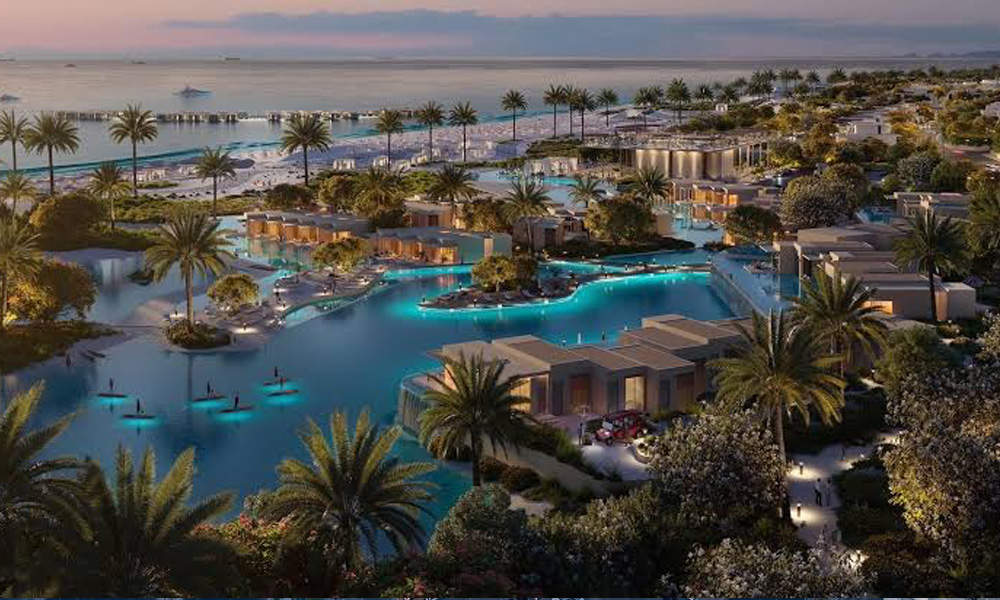
en.Wedoany.com Reported - On a private peninsula in the United Arab Emirates, Borgos Pieper has designed a coastal residence whose core strategy is to open up to the landscape while controlling radiation and creating shade to cope with the local extreme climate. The firm, comprising a Barcelona headquarters and a London office, started not from the goal of creating a showcase, but from constructing a precise architecture that responds to a specific lifestyle and can be maintained over the long term.
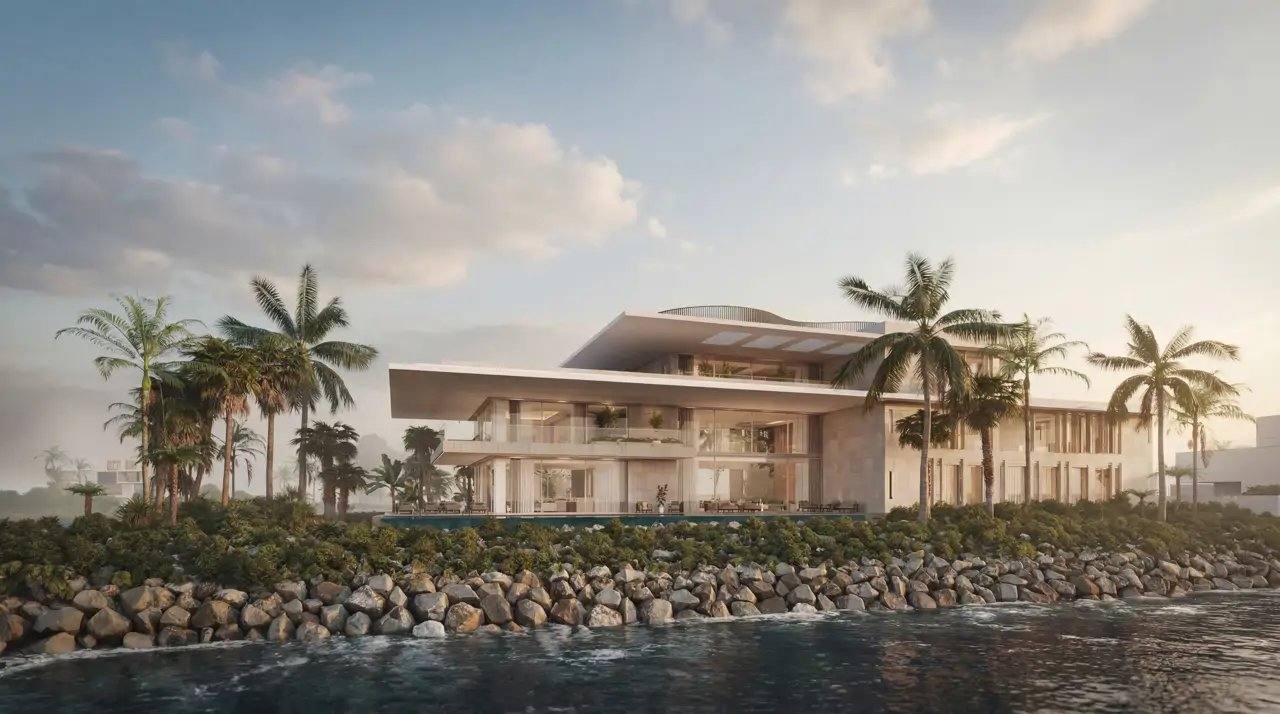
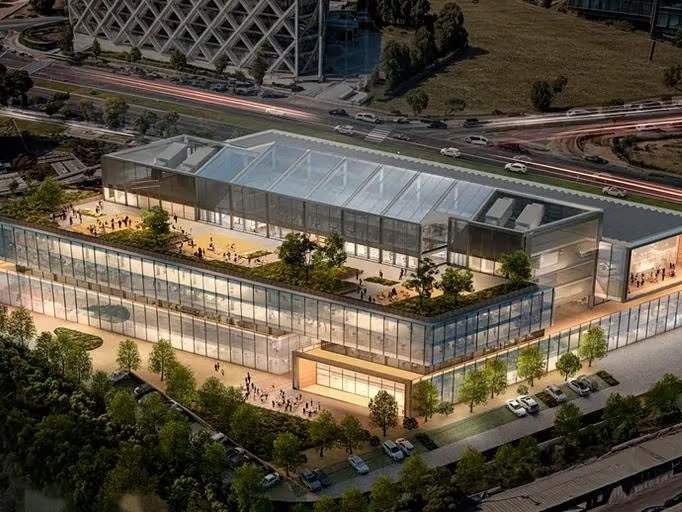
In an environment of high heat, intense radiation, and constant marine exposure, the design logic shifts from how to open up to how to protect. Architect Etienne Borgos notes that architecture cannot merely react; it must anticipate, with the core concept being that "the climate is not corrected, but integrated." Through horizontal volumes, wide eaves, a central courtyard, and a series of terraces and galleries, the project establishes a measured, protective relationship, allowing light to be filtered and graded to serve indoor comfort.
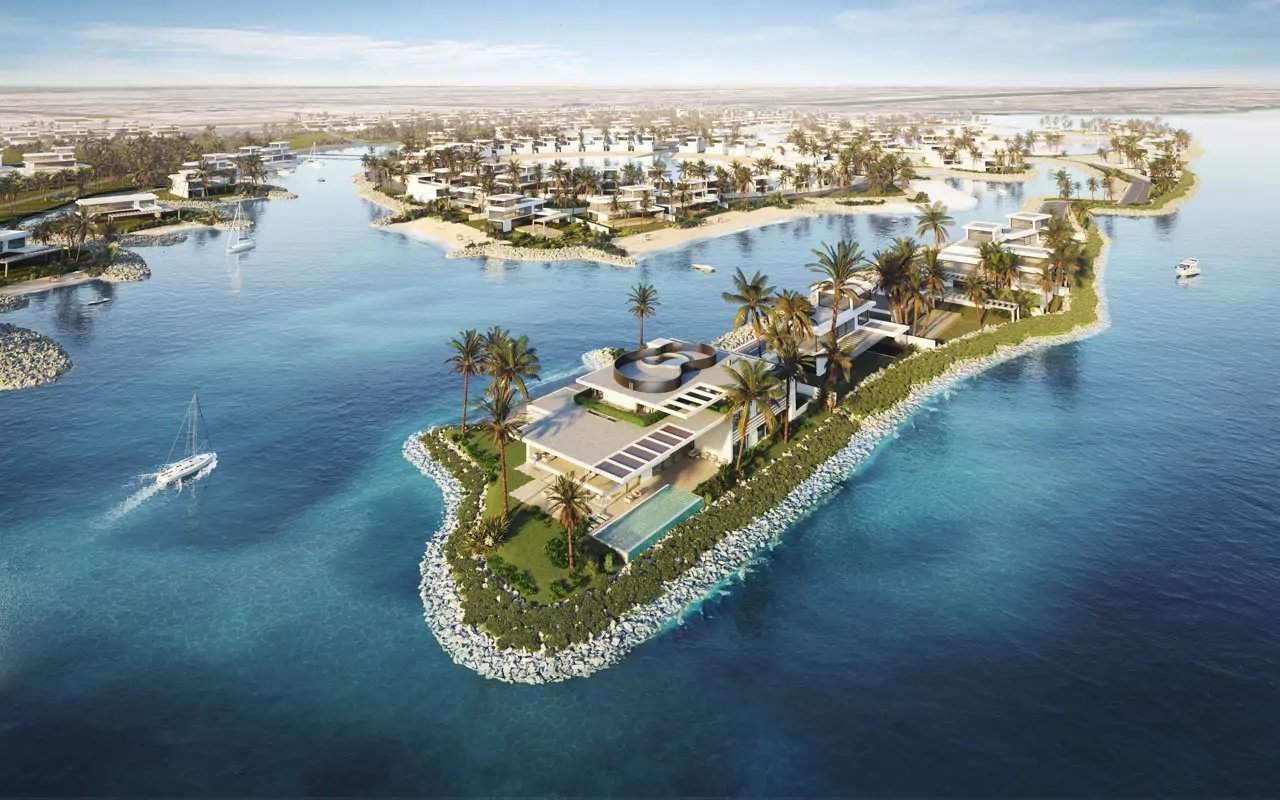
The residence design also focuses on the spatial relationship between hospitality and privacy within the Arab context. Borgos emphasizes that architecture must precisely organize relationships, constructing a spatial structure where different lifestyles can coexist naturally, making the house both a gathering place and a private space. To achieve a sense of visual lightness, the project employs a technically challenging structural scheme, including large spans, high ceilings, and a pergola with a cantilever exceeding ten meters, allowing the structure to nearly disappear from daily experience and enabling unobstructed views through the space.
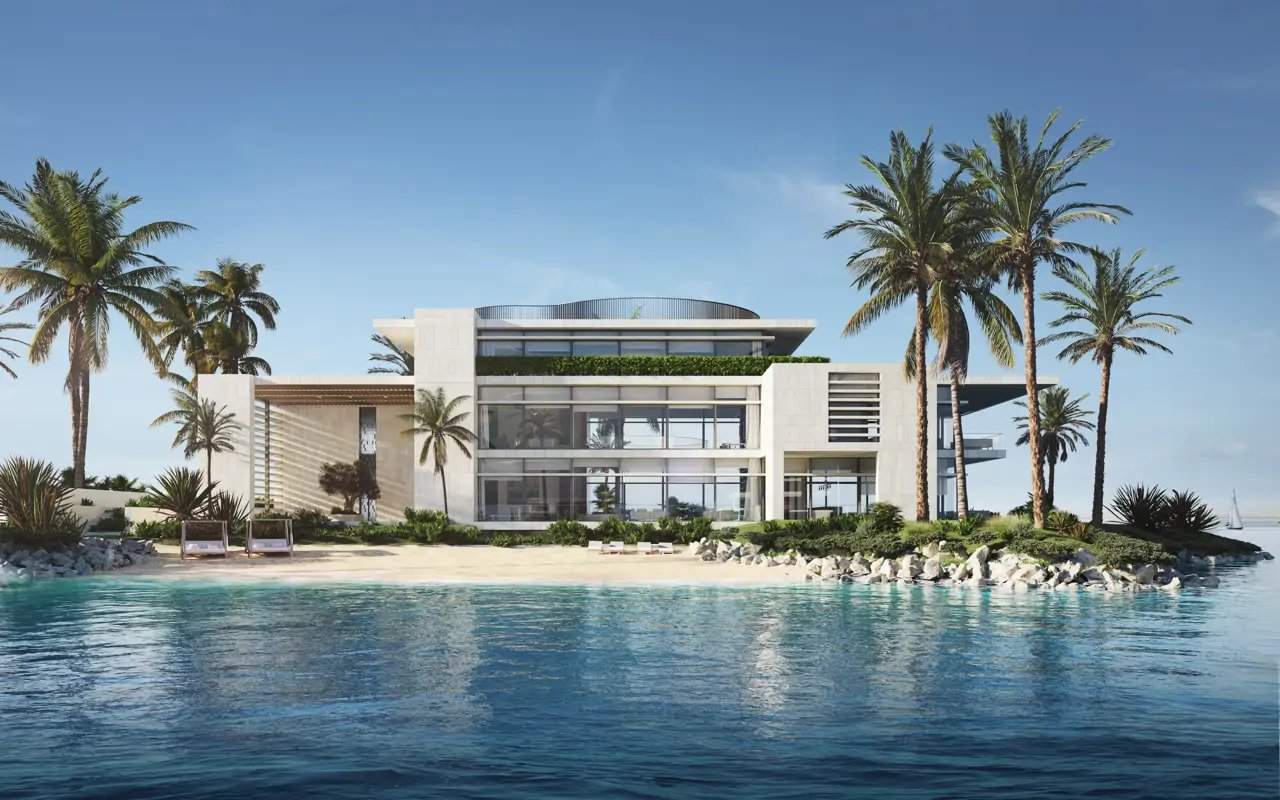
Sustainability strategies are also deeply integrated into the design. Under conditions of extreme heat and intense sunlight, efficiency is not an added layer but part of the house's overall logic. Horizontal volumes, wide eaves, the courtyard, and transitional spaces help filter light, extend outdoor usability, and maintain comfort. In a country where the climate places high demands on architecture, designing for long-term use means reducing unnecessary dependencies, controlling radiation, and ensuring the home remains comfortable and efficient for years to come.
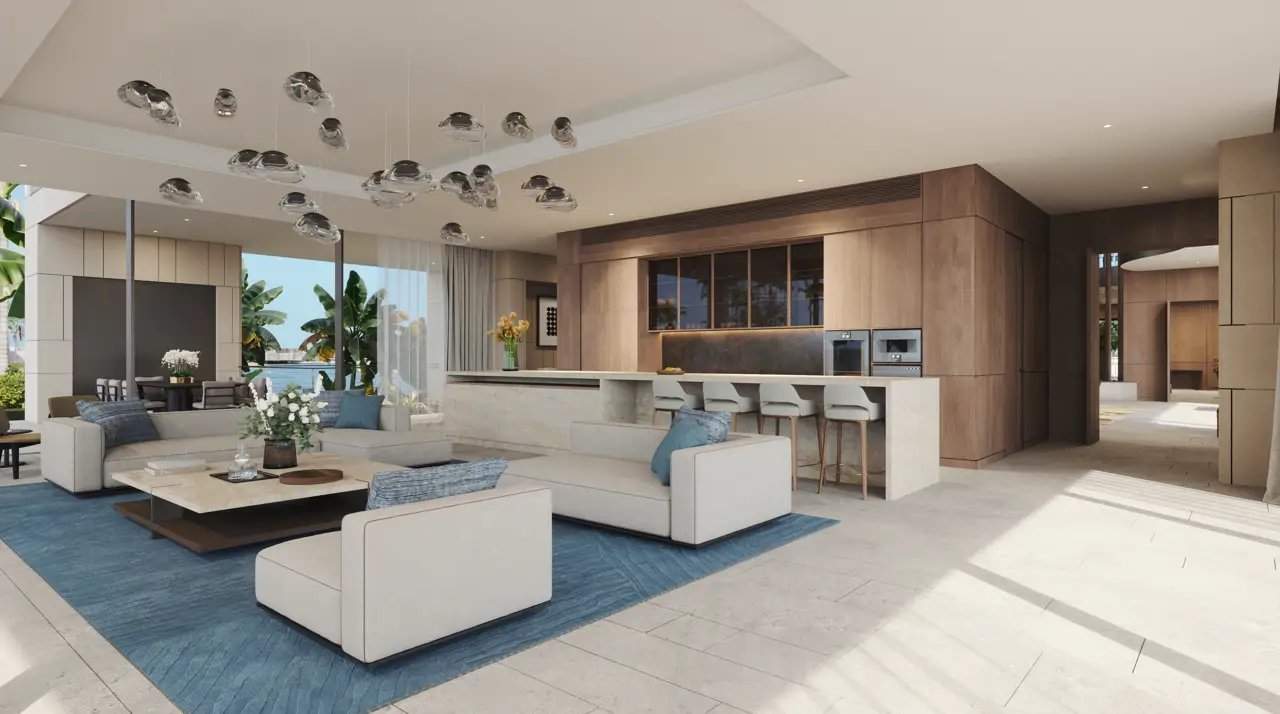
This project demonstrates that, within a specific climatic and cultural context, architecture should respond to lifestyle and age well, starting from precision, attention to detail, and a close relationship with the client. A recorded conversation from the journal *Arquitectura y Diseño* reveals the core of this practice: architecture must constantly negotiate with high heat, radiation, marine exposure, privacy, hospitality, and multi-generational cohabitation lifestyles.
This article is compiled by Wedoany. All AI citations must indicate the source as "Wedoany". If there is any infringement or other issues, please notify us promptly, and we will modify or delete it accordingly. Email: news@wedoany.com
Related Products



Industrial and Commercial Point-Type Gas Detector
Jinan Benan Technology Development Co., Ltd.
West China Xiamen Hospital of Sichuan University
Wuhan Huakang Century Clean Technology Co., Ltd.
Ceiling light | led Ceiling Light | LED Indoor light | LED Ceiling lighting
Queendom Group Technology Co., Ltd.
YHTank8400N Solvent-Free Liquid Epoxy Coating
JIANGSU YUNHU NEW MATERIAL TECHNOLOGY CO., LTD.