Scotland's BIM Journey Reaches Major Milestone as £7.5 Billion Projects Adopt Structured Information Management
en.Wedoany.com Reported - A new report suggests that Scotland should build on the success of its Building Information Modelling (BIM) adoption to better leverage data for improving the design, construction, and operation of public buildings.

The report, titled "Scotland’s journey to a public sector digital estate," was commissioned by infrastructure body Scottish Futures Trust and prepared by consultancy firm Okana. It reviews Scotland's progress in adopting BIM over the past decade, noting the increasing integration of BIM and structured information management in public sector construction projects, which helps project teams collaborate more effectively, reduce errors, and improve decision-making. Digital tools also enable designers and contractors to test and refine plans before construction begins.
However, the study also found uneven progress across public assets. While many organisations have embraced digital working, others still face challenges in embedding information management into daily operations. The report identifies the greatest current opportunity in the operational phase of buildings and infrastructure. Information collected during the design and construction phases is often lost, duplicated, or difficult to access after project handover.
Ryan Tennyson, Deputy Director of Scottish Futures Trust, stated that Scotland's BIM journey has reached a significant milestone, demonstrating what can be achieved through a combination of clear standards, strong leadership, and collaboration. The challenge now is to ensure that information created during project construction serves owners and operators long after the building becomes operational. Better information means better decisions, higher-performing assets, and greater value for the public sector. He noted that connected digital assets offer a practical path forward, helping organisations make full use of existing information while laying a stronger foundation for future investment.
The report highlights that approximately £7.5 billion worth of public sector construction projects have already been delivered using structured information management approaches. It concludes that Scotland is well-positioned to build on this progress, but warns that further advancement will depend on organisational investment in skills, leadership, and governance, while ensuring information management becomes part of the routine management of public assets, not limited to individual projects.
Melanie Robinson, Strategic Director at Okana, added that Scotland has achieved what many countries are still striving for: transforming digital information management from a niche technical requirement into a genuine public sector priority. The next major opportunity lies in existing buildings, converting information about current assets into a form that asset teams can practically use, with clear ownership, realistic resource allocation, and the discipline of long-term record maintenance. She believes this is what connected digital assets mean in practice, and with the foundation already laid, it is entirely achievable.
This article is compiled by Wedoany. All AI citations must indicate the source as "Wedoany". If there is any infringement or other issues, please notify us promptly, and we will modify or delete it accordingly. Email: news@wedoany.com
Related Products
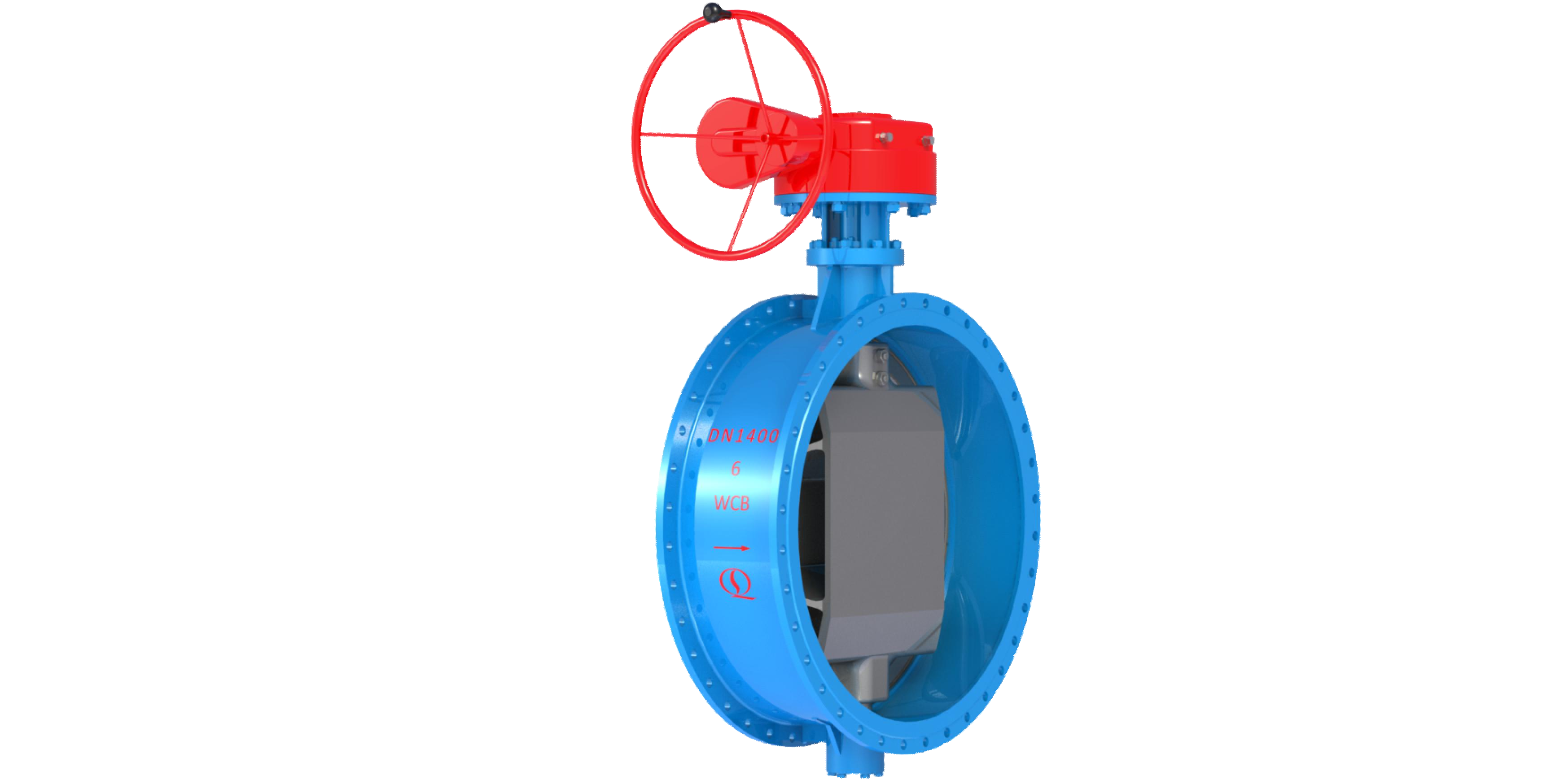

Bidirectional Metal Hard Sealed Seawater Butterfly Valve
Henan Quanshun Flow Control Science & Technology Co., Ltd.
CITIC Heavy Industries Tunneling Equipment Tunnel Engineering Shield Machine
CITIC Heavy Industries Co., Ltd.
ERW Welded Pipe (Black Pipe and Hot-dip Galvanized Steel Pipe)
Handan Zhengda Steel Pipe Co., Ltd.
West China Xiamen Hospital of Sichuan University
Wuhan Huakang Century Clean Technology Co., Ltd.

High-toughness in-Situ Cold Recycling Technology for Original Structural Layers
Central Fortune Creation Technology Group Co., Ltd.


Ceiling light | led Ceiling Light | LED Indoor light | LED Ceiling lighting
Queendom Group Technology Co., Ltd.