en.Wedoany.com Reported - On June 23, China's Jimeng AI web version Seedance 2.0 VIP launched its native 4K feature, enabling users to generate ultra-high-definition video content. Unlike post-processing super-resolution solutions, native 4K directly outputs higher-resolution images during the generation phase, preserving more local details from the source. This feature targets high-quality creative scenarios such as film post-production, brand visuals, advertising marketing, and creative short films.
The core value of native 4K capability lies in "generation equals high definition." Traditional super-resolution typically involves generating low-resolution videos first, then enlarging the image through algorithms. While this can enhance perceived clarity, some textures, edges, and details are already lost at the source video stage. Seedance 2.0 VIP native 4K retains higher-density information during the generation process, allowing details such as hair strands, clothing textures, architectural lines, and material textures to be presented more completely.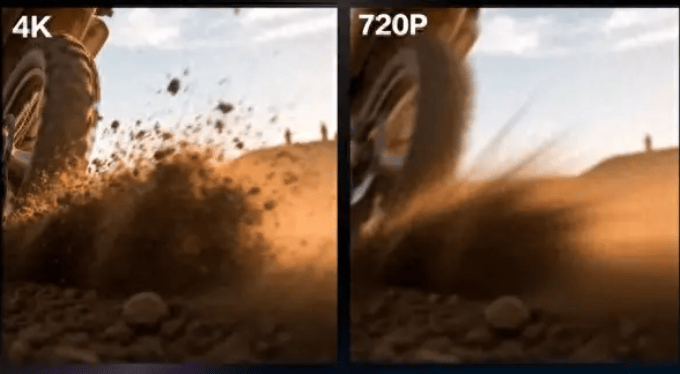
For AI video creators, image quality improvement directly impacts the usability of content. In the past, many AI-generated videos were more suitable for social media, small-screen previews, and short content testing. On large screens, advertising placements, brand film storyboards, and film pre-visualization, they often exposed issues like insufficient detail, blurred textures, and sharpening artifacts. With the launch of native 4K, Seedance 2.0 VIP can further cover high-spec visual production needs, moving AI videos from "watchable" to "deliverable."
Jimeng AI is an important AI creation tool under ByteDance, and the Seedance series serves as a key support for its video generation capabilities. Seedance 2.0 previously supported multimodal inputs including text, images, audio, and video, offering generation capabilities for characters, scenes, camera movements, and multi-reference materials. With the addition of native 4K, the model's capabilities are no longer limited to motion control and image stability upgrades but now directly address resolution and image quality standards in professional imaging production pipelines.
From a usage perspective, native 4K is more suitable for content production with high detail requirements. For example, character advertisements need to preserve details like hair strands, skin, clothing textures, and accessories; architectural showcases require clear lines, glass reflections, metallic materials, and spatial layers; film concept shorts demand more complete light, shadow, color, and depth-of-field performance. The closer the image quality is to professional footage, the greater the flexibility for subsequent editing, color grading, compositing, and distribution.
This upgrade also reflects a shift in the competitive focus of the AI video generation track. Early competition centered on whether videos could be generated, subject stability maintained, and camera movements and actions controlled. Now, platforms are competing on video duration, number of reference materials, resolution, color depth, detail retention, and commercial usability. The introduction of native 4K into the Jimeng AI web version means that high-quality generation is transitioning from a technical showcase to a product feature directly accessible to creators.
However, native 4K does not mean all videos can directly meet film-grade standards. AI videos still face challenges such as character consistency, complex actions, long-shot continuity, physical details, and copyright compliance. For professional teams, native 4K is more like a step to improve the baseline quality of materials. It still needs to be combined with storyboard design, prompt control, editing, color grading, and manual review to enter a complete commercial production workflow.
With the launch of Seedance 2.0 VIP native 4K, Jimeng AI's competitiveness in the high-end AI video creation tool space has further strengthened. For creators, this feature truly changes the starting point of materials: instead of generating low-resolution images and then remediating them, the creative process begins with higher-definition, higher-detail-density images from the start. For AI videos to enter advertising, film, and brand visual production, resolution upgrade is just the first step, but it is an unavoidable step from content experimentation to professional delivery.
This article is compiled by Wedoany. All AI citations must indicate the source as "Wedoany". If there is any infringement or other issues, please notify us promptly, and we will modify or delete it accordingly. Email: news@wedoany.com