France and Spain Collaborate on Tiger Mk III Attack Helicopter Upgrade
en.Wedoany.com Reported - Airbus Helicopters is advancing the development of the Tiger Mk III, a major mid-life upgrade program conducted in collaboration between France and Spain. The initiative aims to ensure the Tiger attack helicopter meets future high-intensity operational requirements by integrating new avionics, sensors, communication systems, and weapon capabilities.
Launched in 2022 under the auspices of the Organisation for Joint Armament Cooperation (OCCAR), this is one of Europe's key rotorcraft modernization projects. The upgrade is designed to extend the service life of the Tiger fleet by several decades and enhance its effectiveness in digital and contested battlefields.
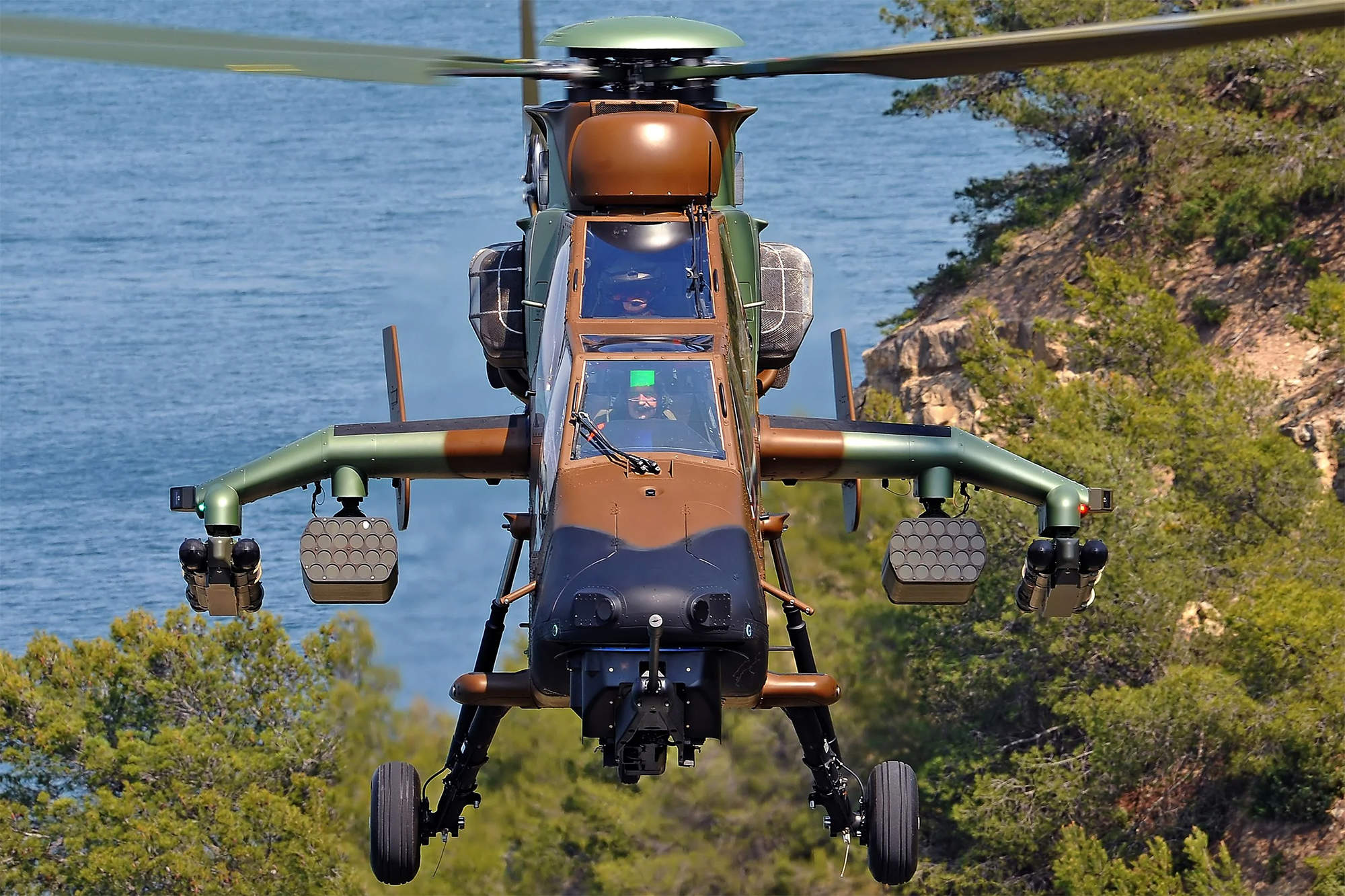
According to Airbus Helicopters, the program retains the Tiger's inherent advantages in agility, survivability, and low observability while integrating advanced technologies required for modern warfare.
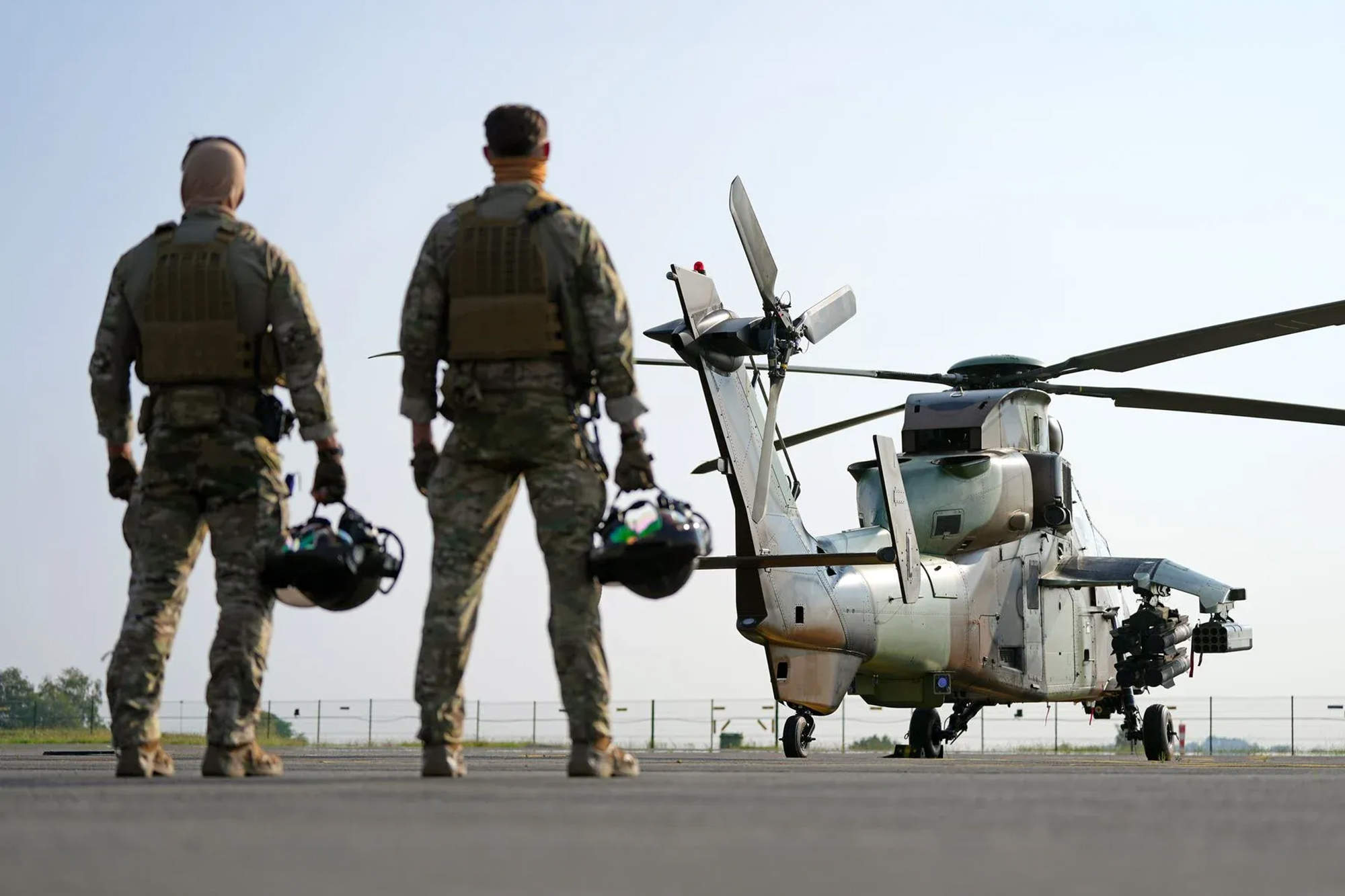
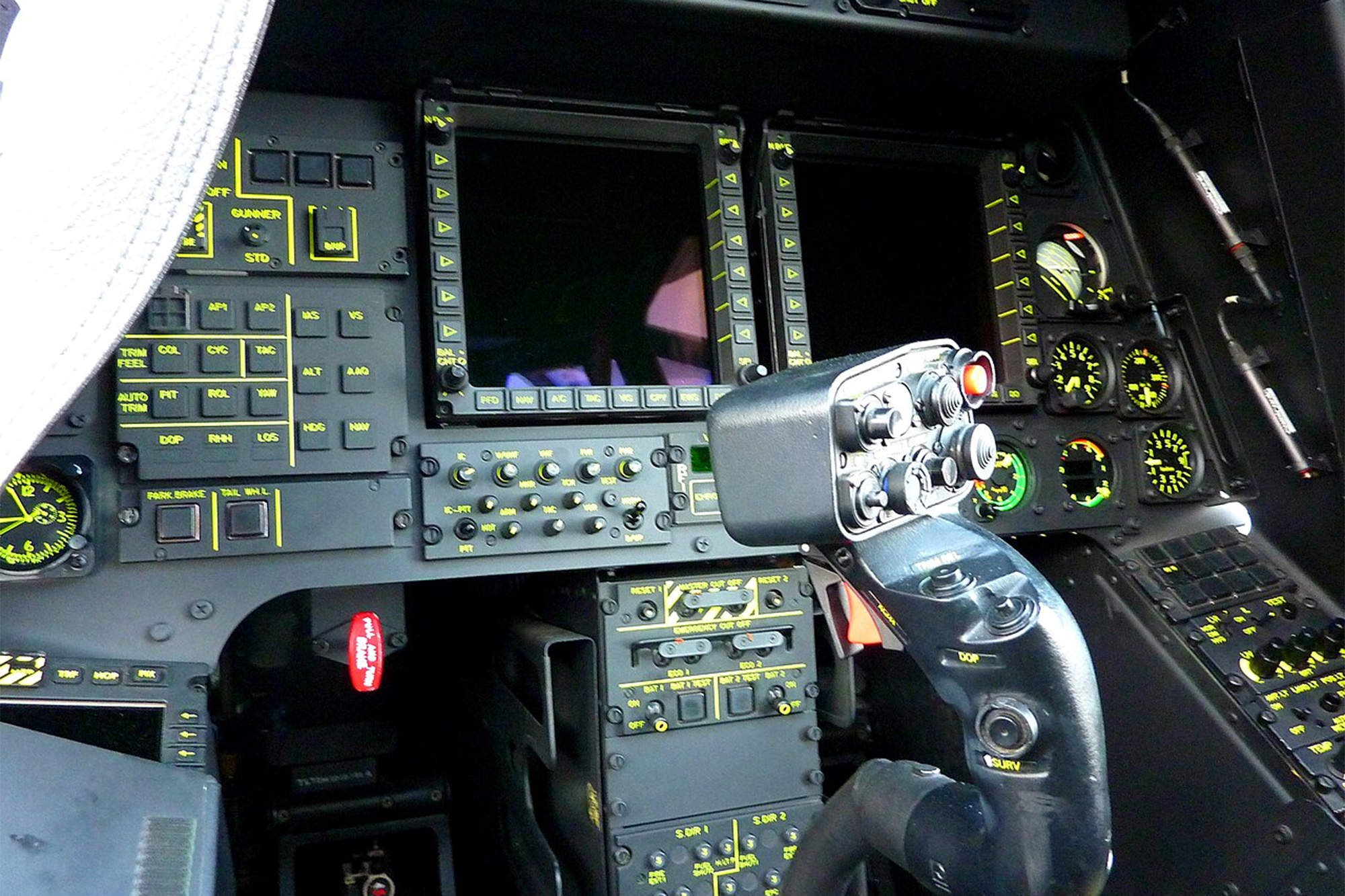
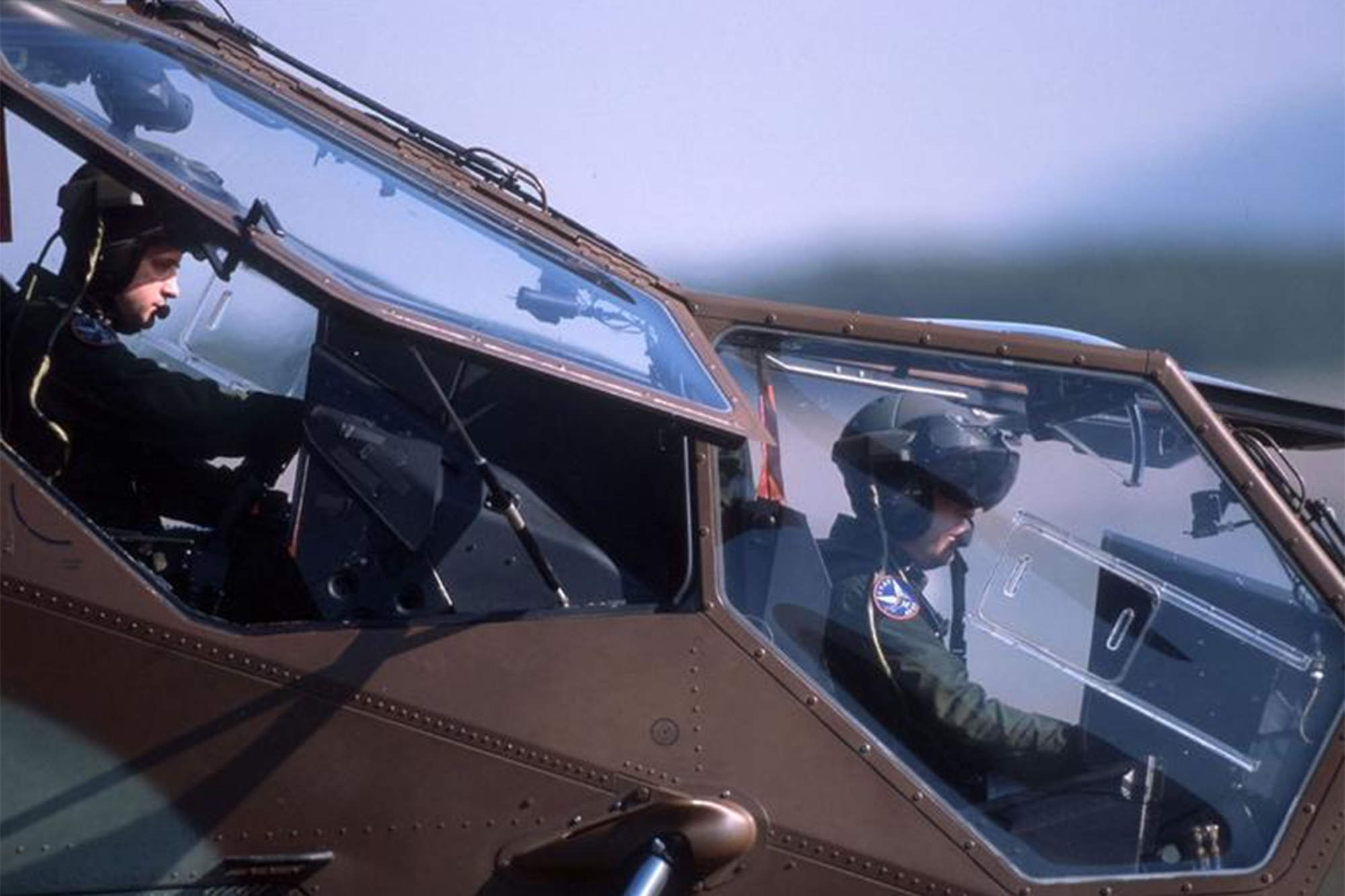
The core of the upgrade lies in the introduction of a new digital avionics architecture. The helicopter will feature a modernized cockpit including touchscreen displays, an upgraded digital helmet system, and enhanced mission management capabilities. The aircraft's wiring infrastructure is also being significantly redesigned to support higher data throughput and stronger communication capabilities.
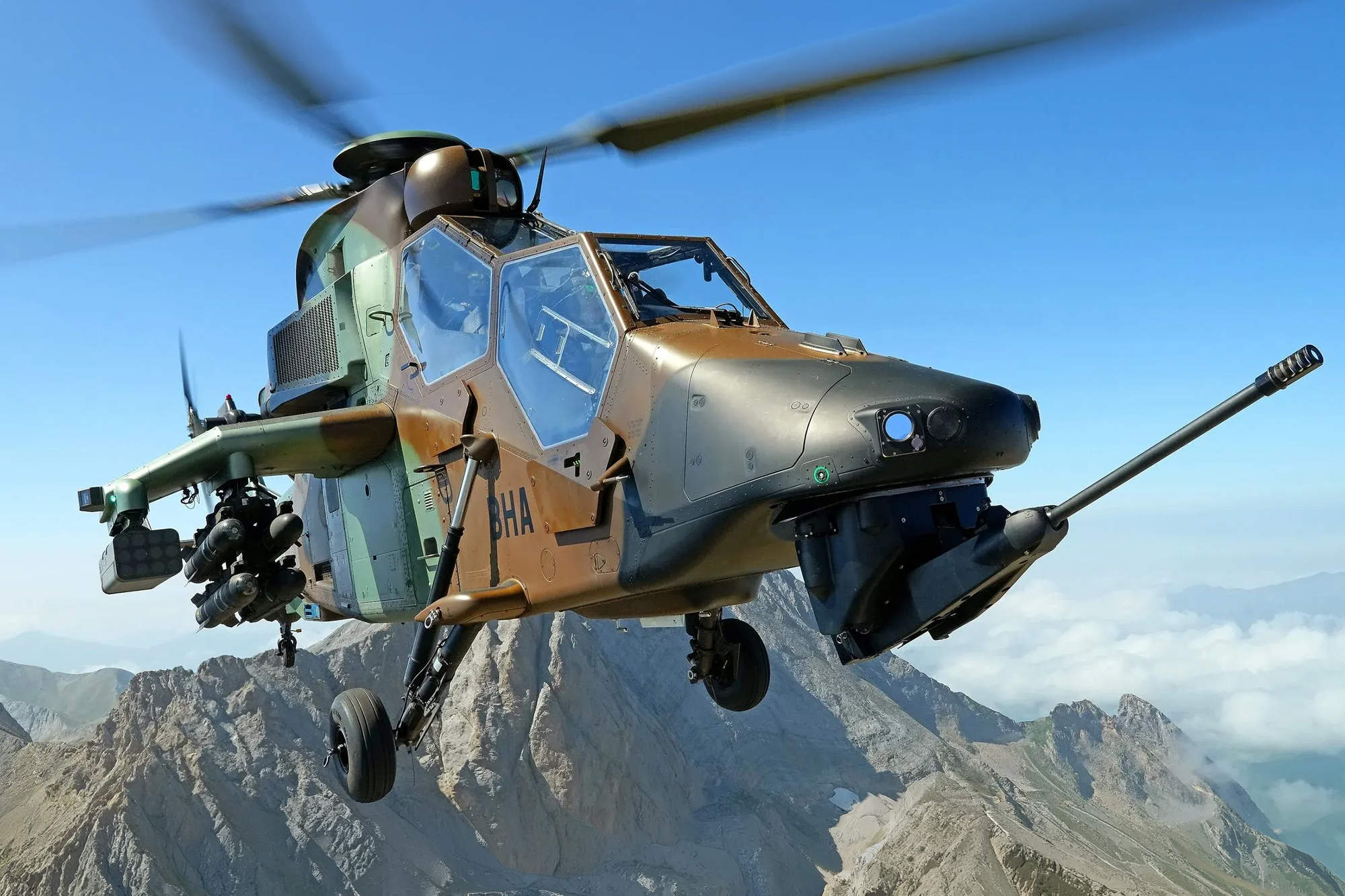
The Tiger Mk III will also be equipped with next-generation sensors and targeting systems. A key addition is the Euroflir 510 electro-optical sight, which enhances detection, identification, and targeting performance at longer ranges, enabling crews to identify threats earlier and engage targets effectively.
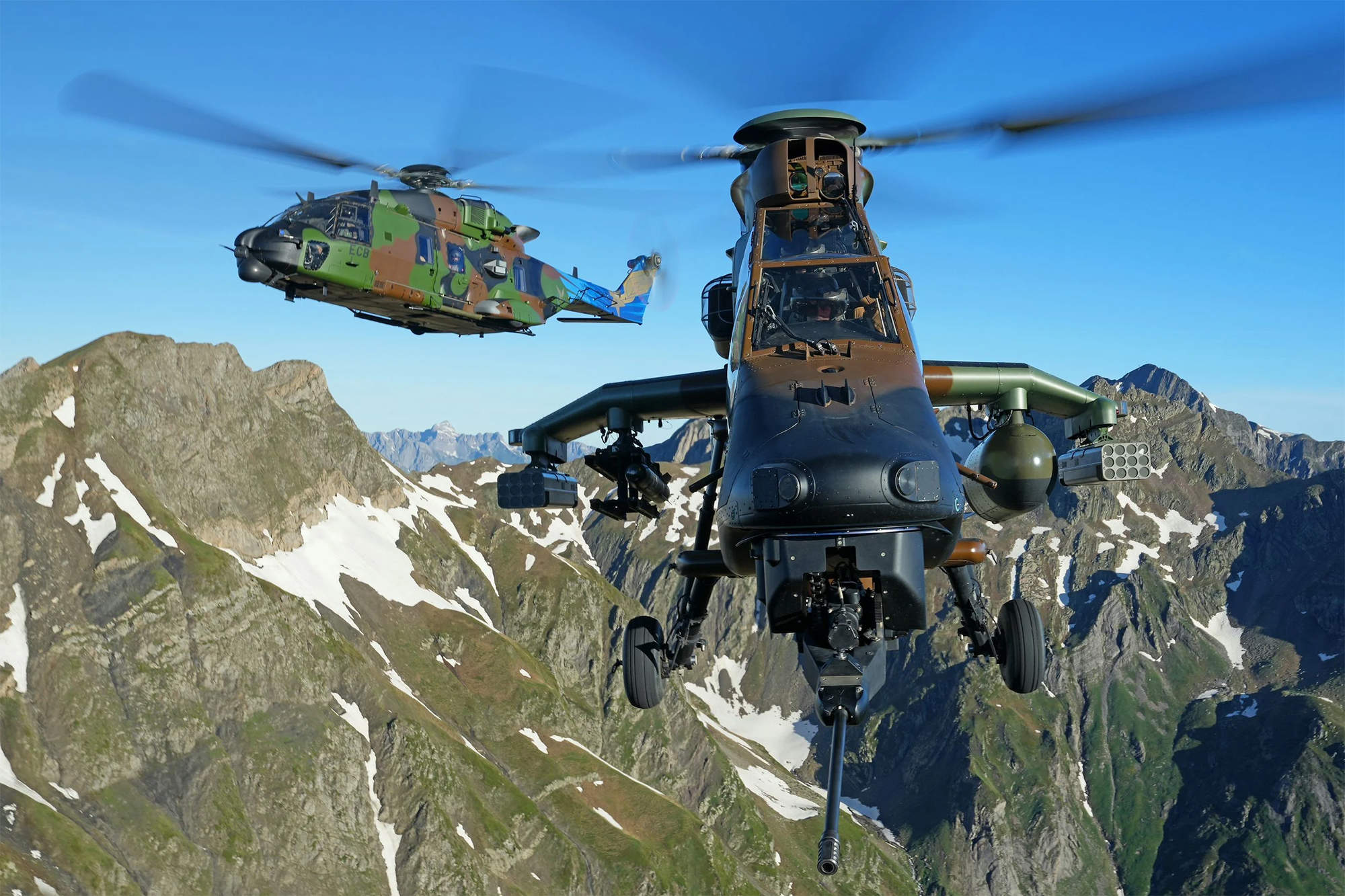
The program places a strong emphasis on networked operations and interoperability. The future Tiger Mk III helicopter is expected to operate more closely with unmanned systems such as drones, enabling tactical information exchange and supporting coordinated battlefield actions. This capability is increasingly seen as critical in complex and rapidly evolving combat environments.
Reducing crew workload is another major objective. Advanced avionics and automation are expected to streamline many mission management processes, allowing pilots and weapon system operators to focus more on tactical decision-making during combat. Enhanced infrared sensors and improved targeting systems will further increase situational awareness while reducing the risk of exposure to threats.
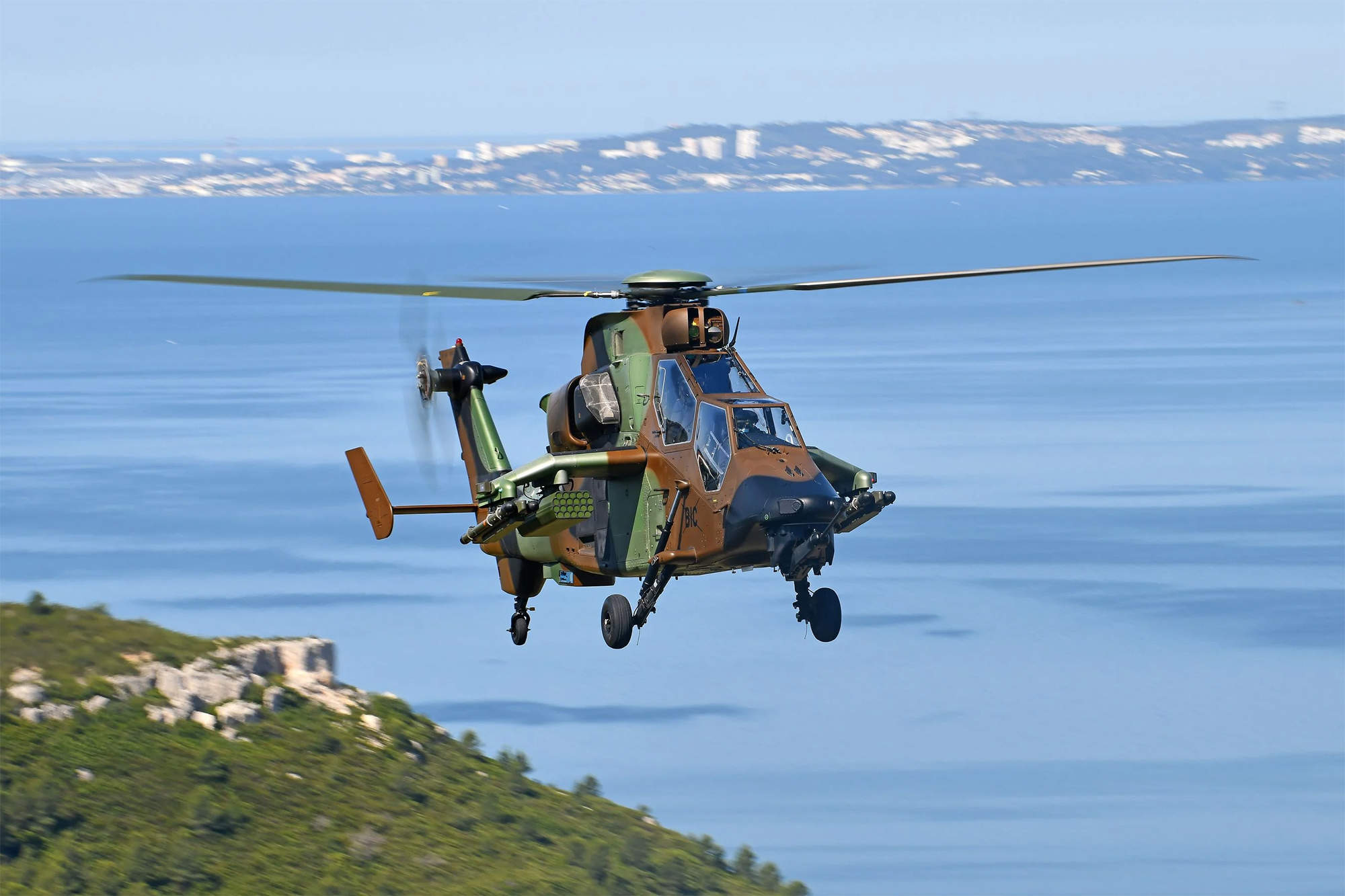
The expanded weapon capabilities planned for the Mk III configuration aim to enhance operational flexibility and provide more powerful stand-off attack options. By enabling attacks at greater distances, the risks to personnel and aircraft when operating in heavily defended areas are reduced.
The program has recently passed several significant milestones. Airbus Helicopters has introduced a dedicated ground test platform ("helicopter zero") to validate new system integration before flight testing begins. The first flight of the Tiger Mk III demonstrator is listed as a key milestone for the program.
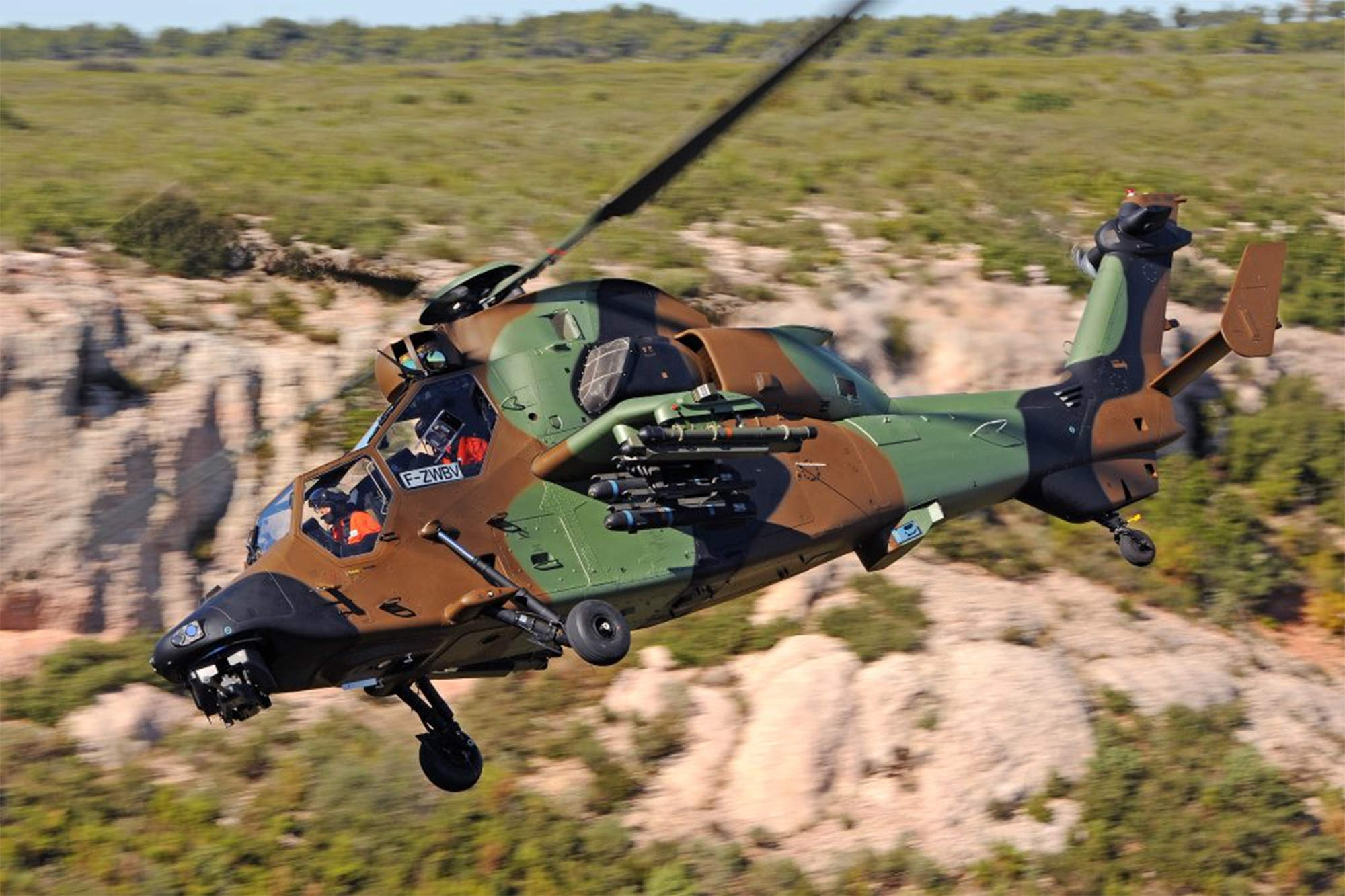
Airbus Helicopters states that the new avionics architecture is modular and scalable, allowing operators to integrate additional capabilities and upgrades as technology and mission requirements evolve.
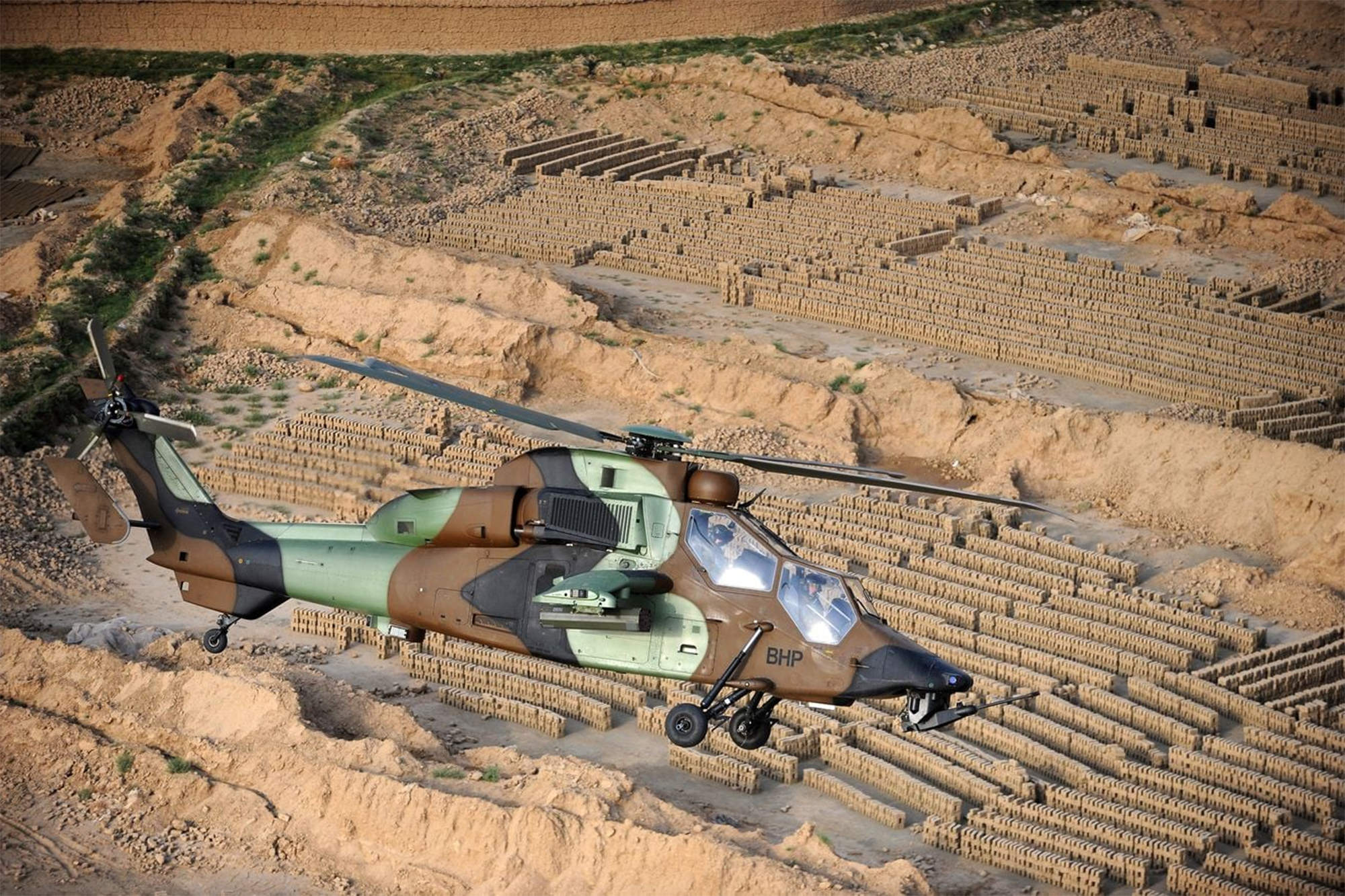
For France and Spain, this program represents both a capability enhancement and a demonstration of European defense cooperation. By pooling resources and expertise, the two countries aim to deliver a modernized combat helicopter that remains operationally relevant for decades to come.
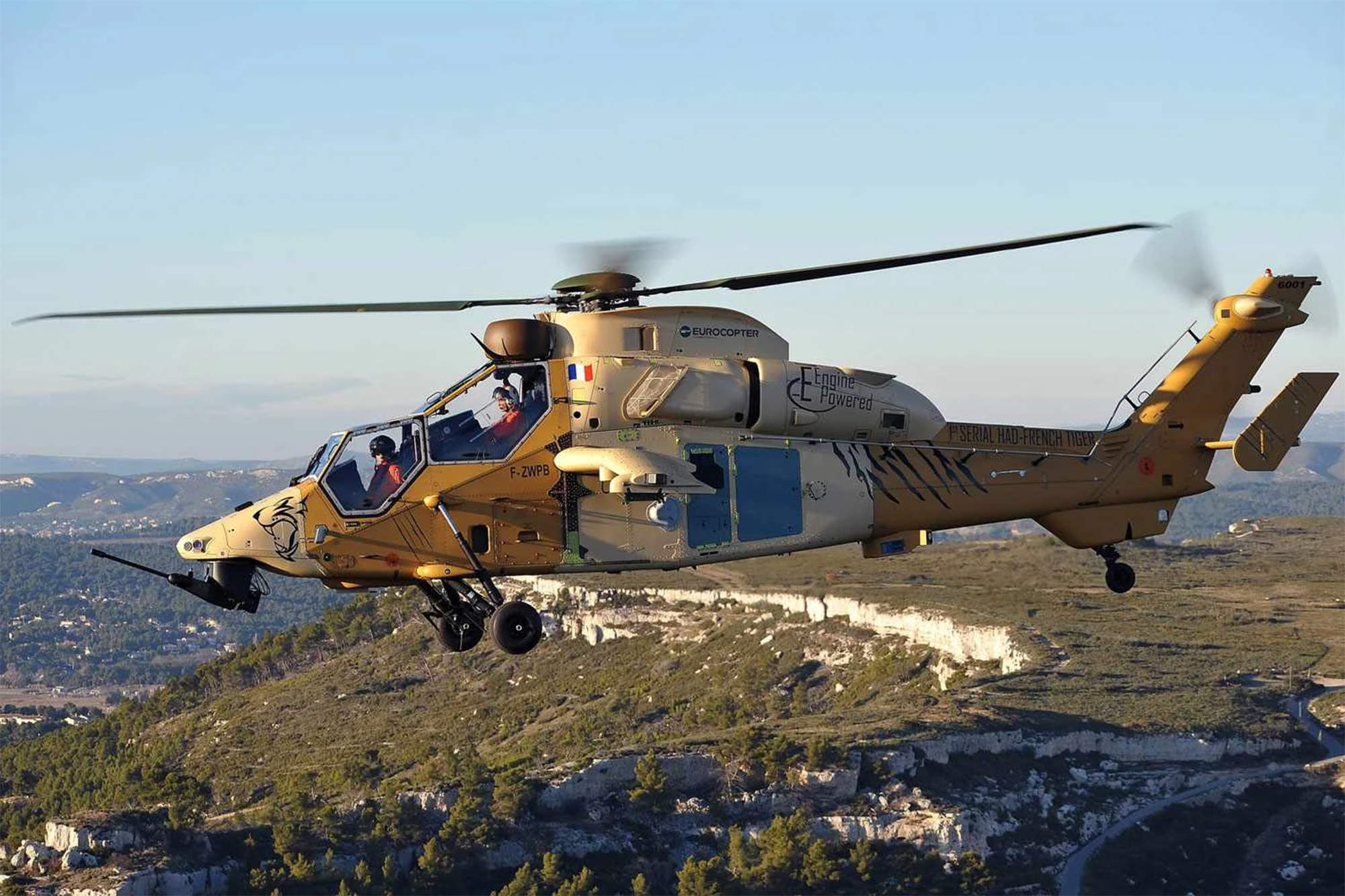
As global military forces continue to adapt to new threats and increasingly interconnected battlefields, the Tiger Mk III program highlights the importance of modernization initiatives that combine mature platforms with next-generation technologies. The result is expected to be a more capable, more connected, and more survivable attack helicopter.
This article is compiled by Wedoany. All AI citations must indicate the source as "Wedoany". If there is any infringement or other issues, please notify us promptly, and we will modify or delete it accordingly. Email: news@wedoany.com
Related Products


Standard Nozzle Flowmeter
Jinggong Automatic Control Instrument Complete Technology Development Company
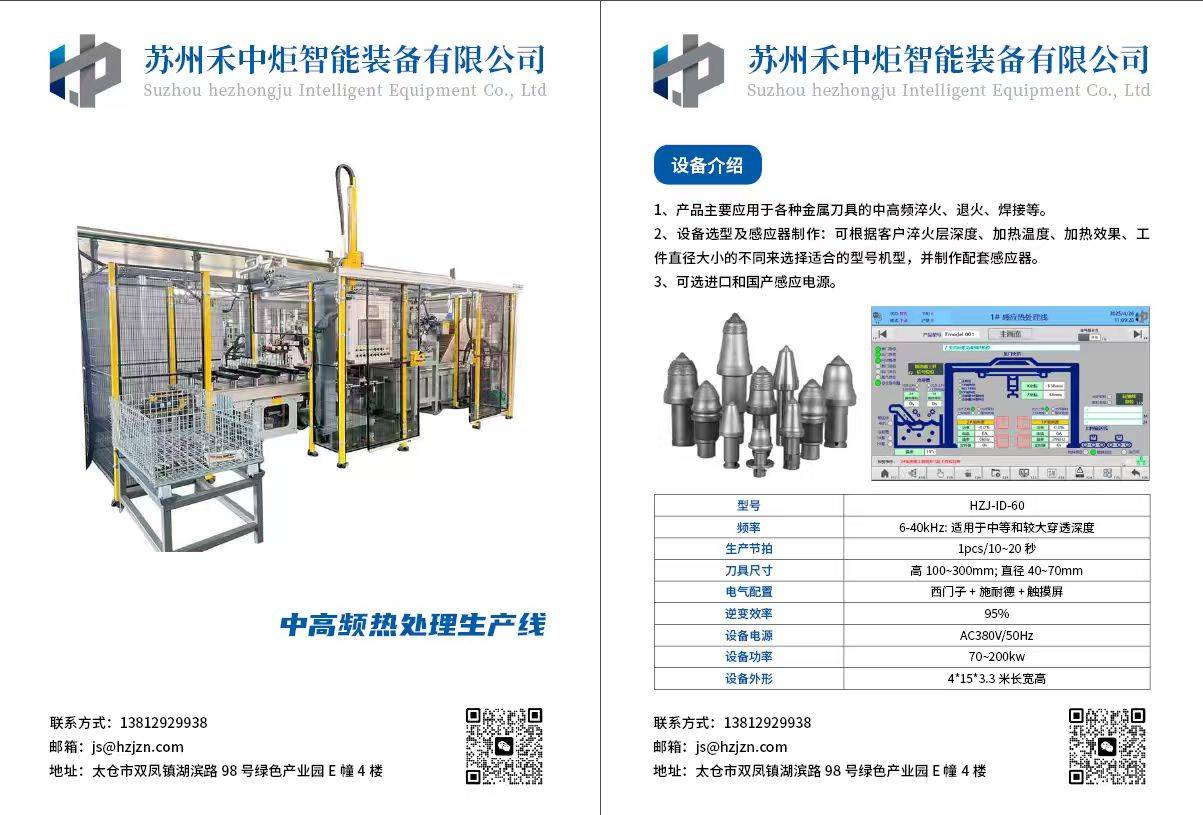
Excavator Bucket Teeth Heat Treatment Production Line
Suzhou Hezhongju Intelligent Equipment Co., Ltd.
Pneumatic high-pressure wear-resistant ball valve
Zhejiang Deca Control Valve Meter Co., Ltd.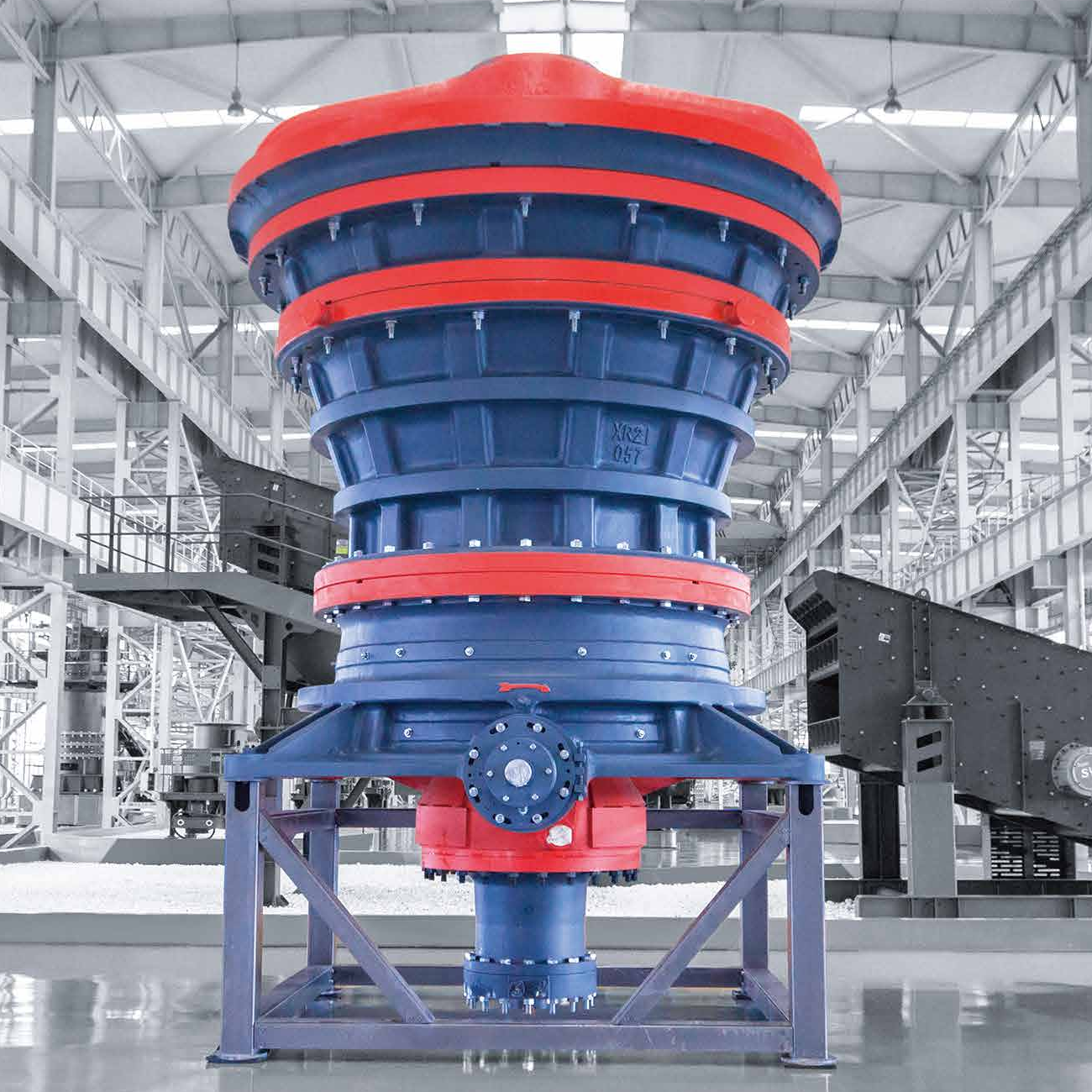


LBH4000 Batch Environmental Protection Asphalt Mixing Plant | Asphalt Batching Plant | Asphalt Mixing Plant
Jilin Province Road Construction Machinery Co., Ltd.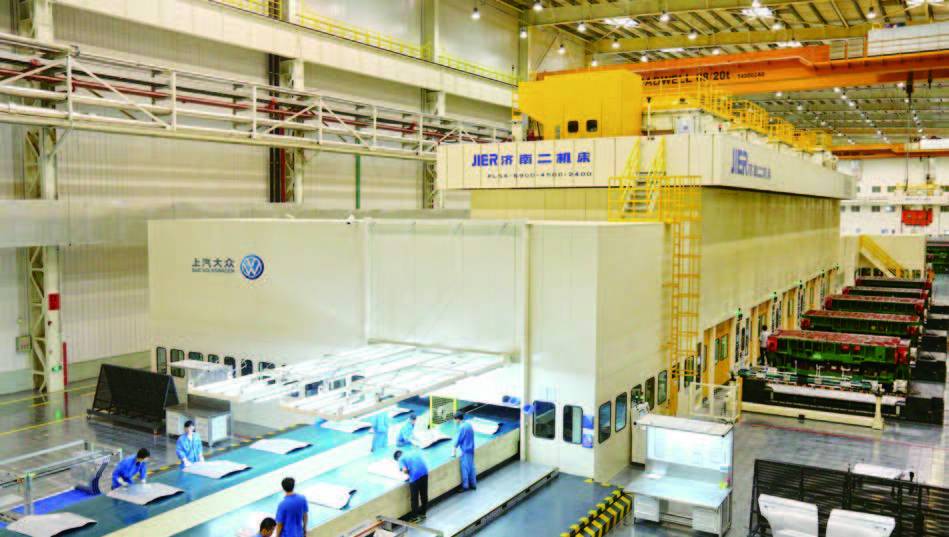
High-Speed Flexible Fully Automatic Stamping Production Line
JIER Machine-Tool Group Co., Ltd.