Diesel Vehicle Emission Control Depends on Particulate Filtration, Urea Dosing and Regeneration Management
en.Wedoany.com Reported - Diesel vehicles are widely used in road freight, public transportation, mining, port logistics and construction machinery. Diesel engines provide strong torque, favorable fuel economy and good heavy-load performance, but controlling nitrogen oxides and particulate matter requires a coordinated Vehicle Emission Control system with multiple aftertreatment stages.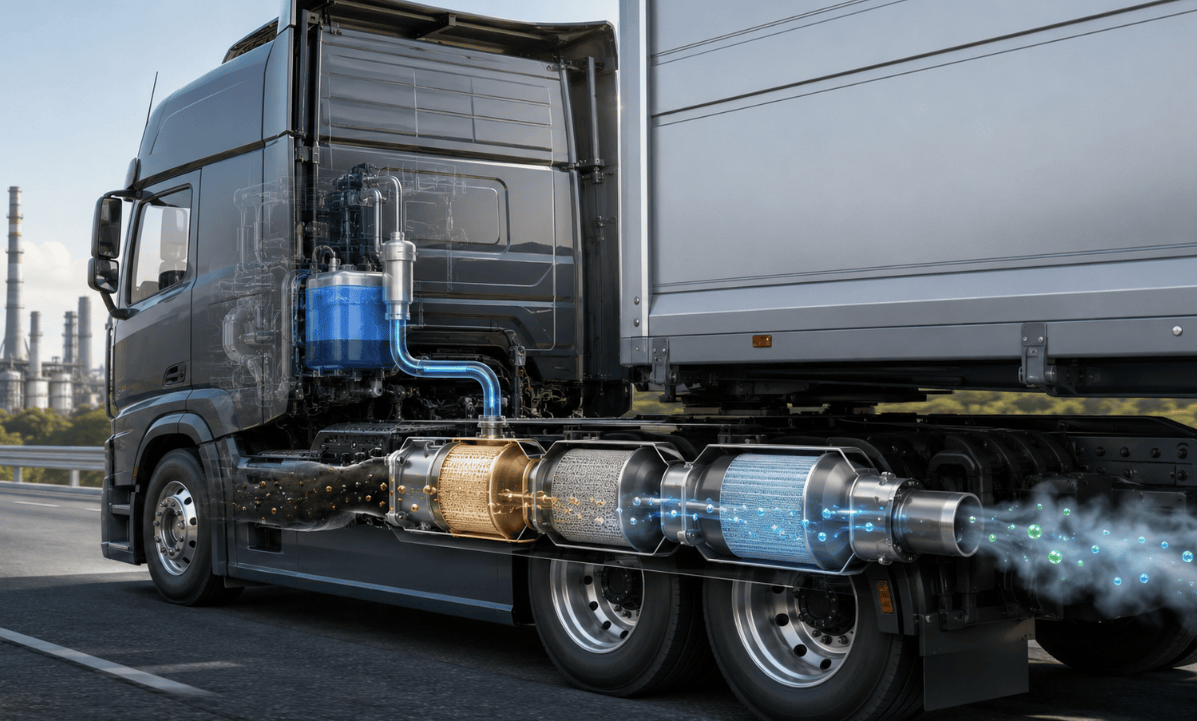
Diesel exhaust aftertreatment normally combines a diesel oxidation catalyst, diesel particulate filter and selective catalytic reduction system. Each device performs a different function, while temperature sensors, pressure sensors and engine-control strategies connect them into one continuous treatment process.
A diesel particulate filter captures soot particles through porous channel walls. As operating time increases, soot gradually accumulates and increases exhaust backpressure. Excessive backpressure may reduce engine performance, increase fuel consumption and affect turbocharger operation, so the filter requires regular regeneration.
Regeneration is the process of oxidizing and removing stored soot. Passive regeneration uses the exhaust temperature created during normal higher-load operation. Active regeneration raises exhaust temperature through fuel-injection, air-management or other control strategies so that the soot can be oxidized.
Urban delivery vehicles, buses and some construction machines often operate at low speed and low load with frequent stops. Exhaust temperature may remain too low for natural regeneration, requiring more frequent active regeneration or operation under a specially defined regeneration condition.
If regeneration cannot be completed for an extended period, the filter may become severely blocked. Differential-pressure sensors monitor the pressure before and after the filter, while the control unit may also estimate soot loading from operating time, fuel consumption and model calculations. The system then requests regeneration or maintenance when required.
In addition to soot, the filter gradually accumulates ash from lubricant additives and engine wear. This ash cannot be removed through normal regeneration and eventually requires physical filter cleaning. Repeated active regeneration cannot solve excessive ash loading.
The selective catalytic reduction system controls nitrogen oxides. An aqueous urea solution is injected into the exhaust system, where it produces ammonia under suitable temperature conditions. The ammonia reacts with nitrogen oxides over the catalyst surface.
Urea dosing must be adjusted according to engine load, exhaust flow, nitrogen oxide concentration and catalyst temperature. Insufficient dosing reduces conversion efficiency, while excessive dosing may cause ammonia slip. At low exhaust temperatures, urea deposits and crystallization may also develop around the injector or exhaust pipe.
Nitrogen oxide sensors are commonly installed before and after the catalyst to evaluate untreated emissions and conversion performance. Temperature sensors help define the correct dosing window, while level and quality sensors monitor the urea solution. Sensor errors may lead to incorrect dosing, higher emissions or fault warnings.
Diesel emission control also requires coordination between combustion and aftertreatment. Engine parameters must balance power, fuel economy, soot and nitrogen oxide formation, while the aftertreatment system removes the remaining pollutants. Optimizing only one part may increase the treatment burden on another.
Fleet operators should include urea consumption, regeneration frequency, exhaust differential pressure, nitrogen oxide sensor condition and diagnostic fault codes in vehicle management. Vehicles operating for long periods at low speed need specific regeneration and maintenance plans.
Ultimately, diesel emission performance depends not only on installed hardware, but also on exhaust temperature, regeneration conditions, urea quality and maintenance. Stable long-term emissions require coordination among particulate filtration, nitrogen oxide conversion and engine control.
This article is compiled by Wedoany. All AI citations must indicate the source as "Wedoany". If there is any infringement or other issues, please notify us promptly, and we will modify or delete it accordingly. Email: news@wedoany.com
Related Products

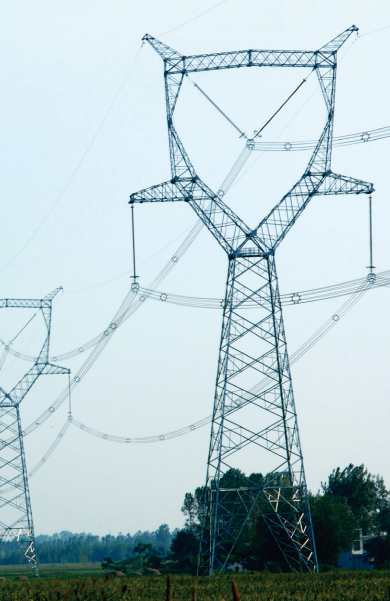
1000kV Jin Southeast-Nanyang-Jingmen UHV AC Transmission and Transformation Pilot Demonstration Project
Anhui Hongyuan Steel Tower Co., Ltd.
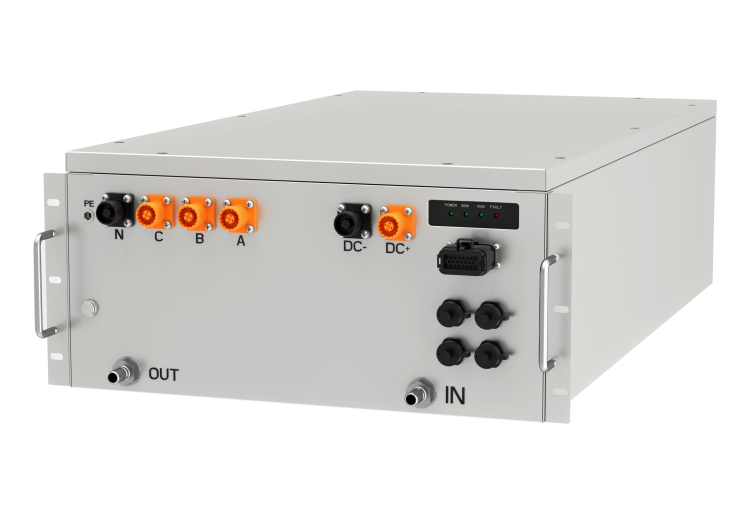
Mars (Liquid Cooling) Series Industrial and Commercial Energy Storage Converter High Protection Module
Shenzhen Winline Technology Co., Ltd.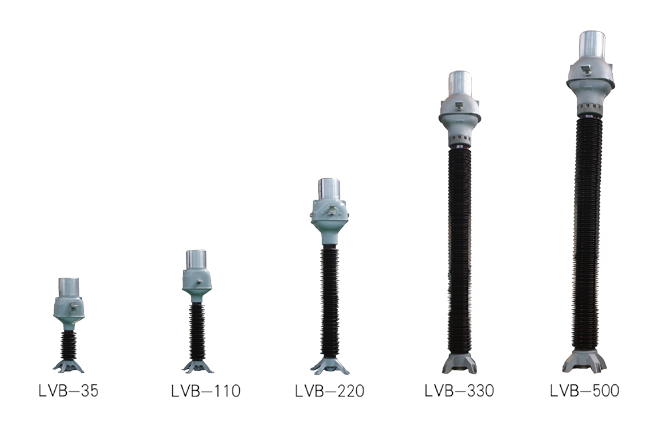
LVB Series 35-500kV Oil-immersed Inverted Current Transformer
Shandong Taikai Instrument Transformer Co., Ltd.
Modular Multifunctional Water Supply and Drainage Vehicle (18T)
Changsha Dewater Machinery Technology Co., Ltd.

Hydraulic Turbine Genset
Dongfang Electric Corporation Dongfang Electric Machinery Co., Ltd.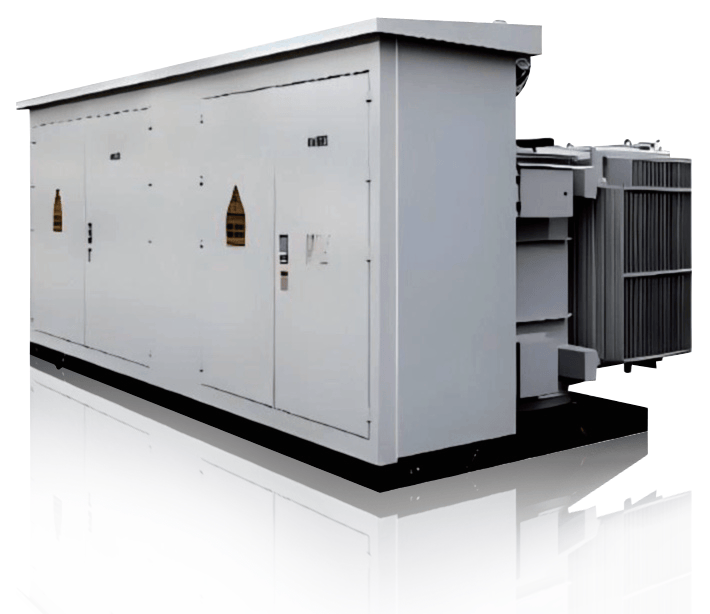
H-40.5/0.4~1.14kV New Energy Power Generation Dedicated High Voltage/Low Voltage Prefabricated Substation
XJ (Xiamen) Intelligent Power Equipment Co., Ltd.