Nigeria Taps Chevron, Exxonmobil For Cooking Gas Relief
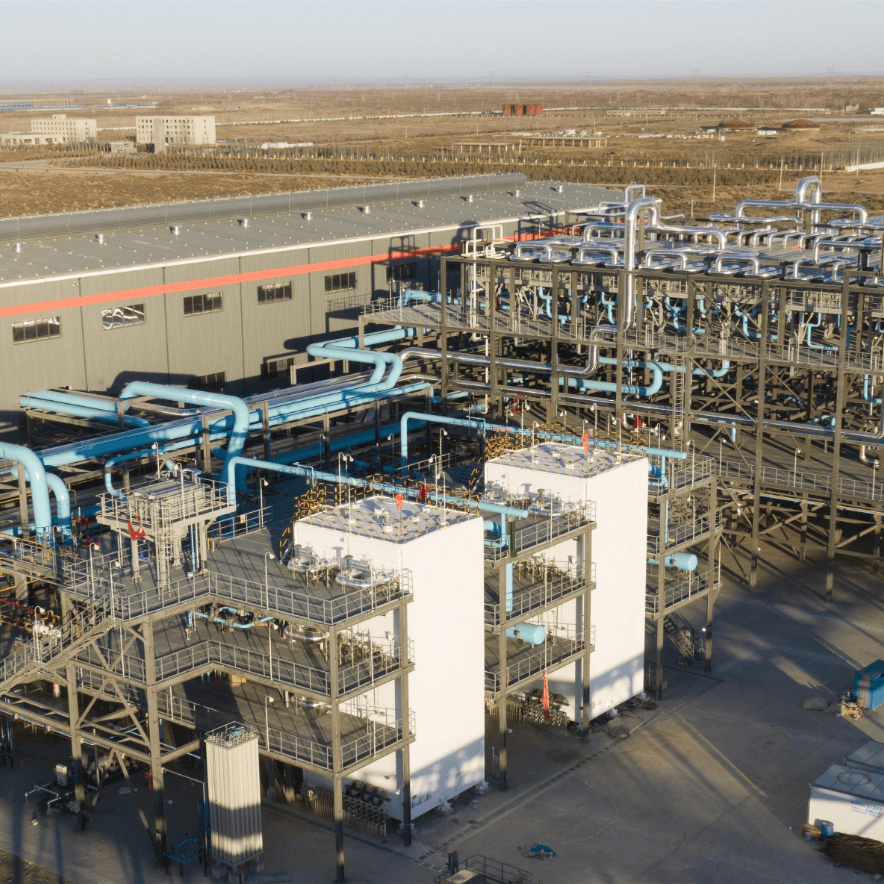
Wedoany.com Report-Oct 29, The Nigerian government is exploring partnerships with international oil giants, Chevron and ExxonMobil, in a bid to alleviate the persistent cooking gas shortages and soaring prices.
Farouk Ahmed, chief executive officer of the Nigerian Midstream and Downstream Petroleum Regulatory Authority (NMDPRA), said this strategic move aims to bolster the domestic gas supply and provide much-needed relief to Nigerian households.
“We have been engaging stakeholders on the domestication of Liquefied Petroleum Gas (LPG) produced in-country by producers, especially Chevron Nigeria Limited (CNL) and Mobil Producing Nigeria (MPN), similar to Nigerian Liquified Natural Gas (NLNG) which has domesticated 100 percent of its Butane production since the year 2022,” Ahmed said at 2024 OTL Africa Downstream Energy Week in Lagos.
BusinessDay findings showed the price of cooking gas skyrocketed from N700/kg in June 2023, around when President Bola Tinubu assumed office, to N1,500/kg in October 2024.
This represents about a 114 percent increase within 16 months.
In recent years, the demand for cooking gas has increased due to its clean-burning properties and government encouragement for its use over other fossil fuels.
However, domestic production of LPG is not enough to meet this growing demand. With limited local supply, Nigeria depends on imports to bridge the gap, further exposing prices to global market shocks.
“NMDPRA will engage stakeholders in the development of domestic LPG pricing framework to make the product readily available and affordable to the consumers,” Ahmed explained.
He added, “Within the Midstream and Downstream sector, strong collaborations are required between regulatory agencies to facilitate ease of doing business, and between businesses to pool resources required for delivering complex projects.”
NLNG is a supplier of LPG to the Nigerian market and has committed 100 percent of its LPG production, representing 40 percent of the total cooking gas consumed by Nigerians annually, leaving the larger volume for import by the oil marketing companies.
The company disclosed recently that it had delivered about 380,000 metric tonnes of LPG so far this year, out of the 1.3 million tonnes per annum national consumption figure.
Nigeria has about 209 trillion cubic feet (TCF) of gas under the ground, but the country is unable to fully explore the natural resource due to low investments in the sector.
One of the critical factors affecting the price of cooking gas in Nigeria is the fluctuating value of the naira against major international currencies, especially the US dollar.
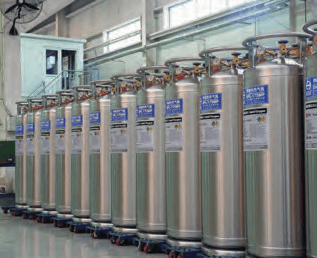
A further analysis of the National Bureau of Statistics (NBS) data showed that the South-South recorded the highest average retail price for refilling a 12.5kg cylinder of cooking gas at N16,524.00, followed by the South-East with N16,495.78, while the North-Central reported the lowest price with N14,767.41.