Canada's Federal Government and Alberta Unveil Energy Agreement, Plan to Build 1 Million Barrel Per Day Pipeline
en.Wedoany.com Reported - The investment environment for Canada's oil and gas sector has recently improved, but industry executives point out that business costs remain a major challenge hindering long-term growth. Oil and gas companies have expressed cautious approval of a joint energy agreement launched by the federal government under Prime Minister Mark Carney and the oil-producing province of Alberta. For a long time, Canada's oil and gas industry has complained that federal regulations and environmental policies have stifled growth.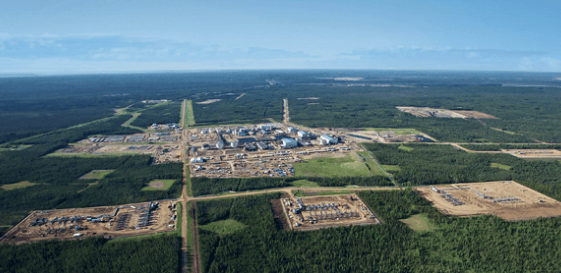
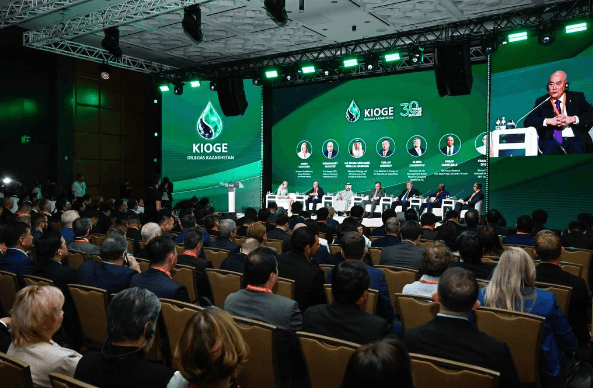
The agreement removes some environmental rules, sets new industrial carbon pricing terms for Alberta's oil sands sector, and promises to accelerate regulatory approvals. Carney and the Alberta government say this will pave the way for building a pipeline to the coast of British Columbia capable of shipping 1 million barrels of crude oil per day. Nick McKenna, President of ConocoPhillips Canada, said at an industry event in Calgary that the agreement significantly improves the risk profile for oil and gas investment in Canada, but he also warned that Canada is still competing for investment capital with other jurisdictions, especially the United States, where the Trump administration is pushing hard for oil and gas production growth. McKenna said, "The cost of doing business in a jurisdiction matters, and it is a very competitive landscape."
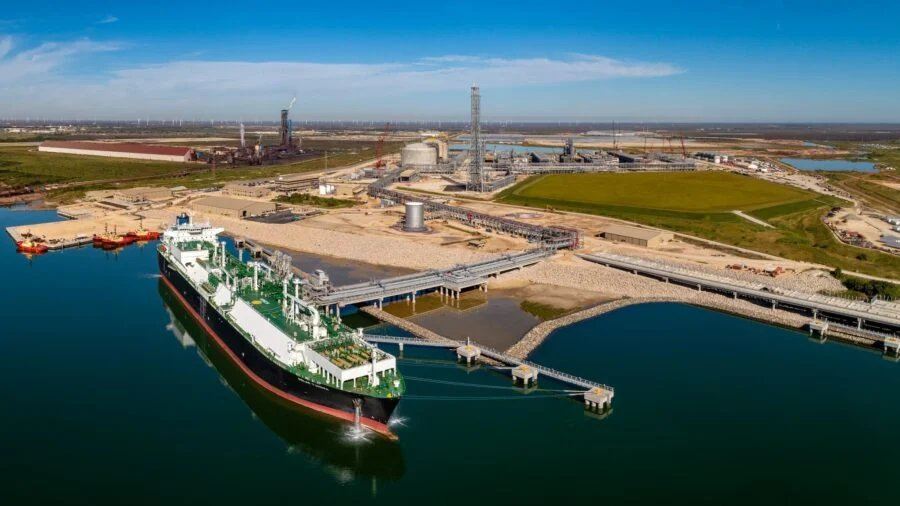
Alberta plans to submit a proposal for Canada's second West Coast oil export pipeline to the federal government by July 1, with a target to begin construction by September 2027. However, no private company has yet committed to building the pipeline. A spokesperson for Enbridge, Canada's largest pipeline operator, said in an email that the company would only consider participating if the conditions and policy framework are right. While Canadian oil sands producers are eager to increase output, filling a new 1 million barrel per day pipeline might not be possible until the mid-2030s, requiring companies to invest in new oil sands projects—a significant shift from the industry's recent focus on improving the efficiency of existing operations and returning capital to shareholders.
Kendall Dilling, President of the Oil Sands Alliance industry group, said the proposed new pipeline in Alberta would require oil sands companies to invest up to C$100 billion (US$72.5 billion) in new production capacity. The oil sands sector believes that any level of industrial carbon tax puts Canada at a disadvantage compared to the U.S., making it harder to attract the foreign capital needed to sustain growth. The federal-provincial agreement ensures that Alberta gradually increases the carbon price to incentivize high-emitting companies to invest in emission reduction technologies and meets the conditions set by the Carney government before considering fast-tracking new crude oil export pipelines. The Carney government has also stated that oil sands companies must commit to building a carbon capture and storage project to receive pipeline approval, but under the agreement, the project can be implemented in phases, with its emission reductions being lower than what companies initially pledged in 2022.
This article is compiled by Wedoany. All AI citations must indicate the source as "Wedoany". If there is any infringement or other issues, please notify us promptly, and we will modify or delete it accordingly. Email: news@wedoany.com
Related Products


Forest and Grassland Heat Source Infrared Monitor
China Huayun Meteorological Technology Group Co., Ltd.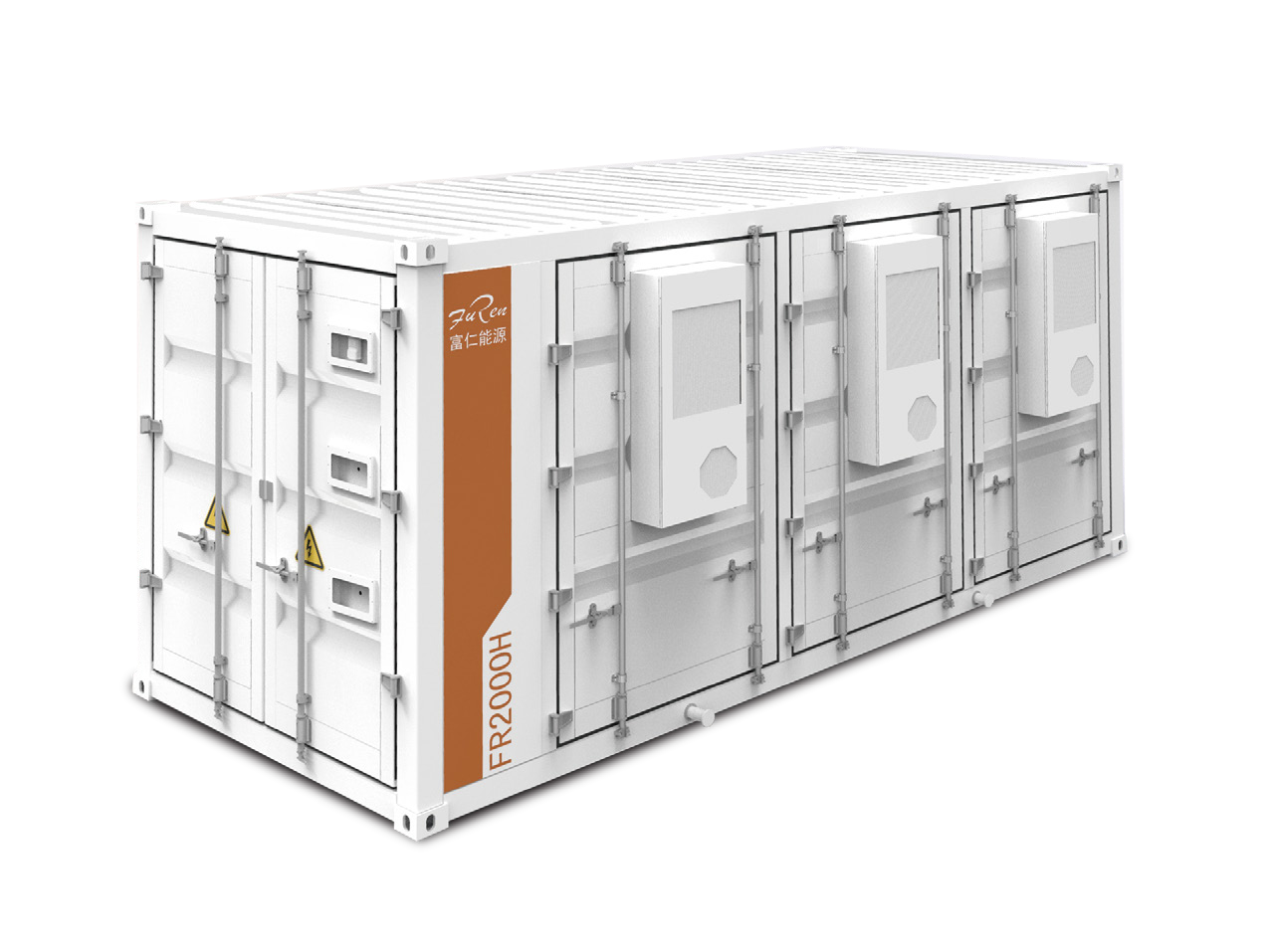
FR2000H 2.15MWh (Air-cooled) 20-foot Containerized Energy Storage System
Jiangyin Furen High-tech Co., Ltd.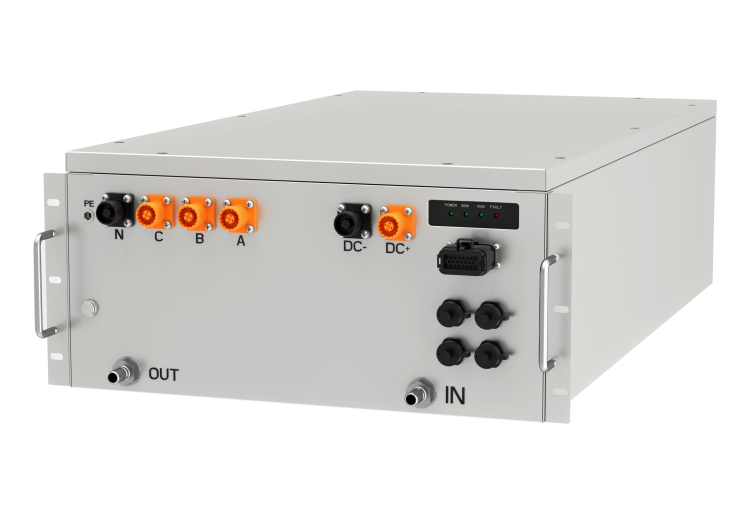
Mars (Liquid Cooling) Series Industrial and Commercial Energy Storage Converter High Protection Module
Shenzhen Winline Technology Co., Ltd.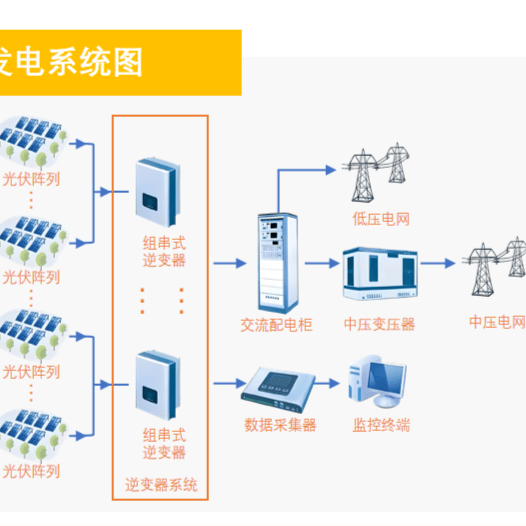
Photovoltaic and Wind Power Generation Technology
Beijing Boqi Electric Power SCI-TECH Co., Ltd.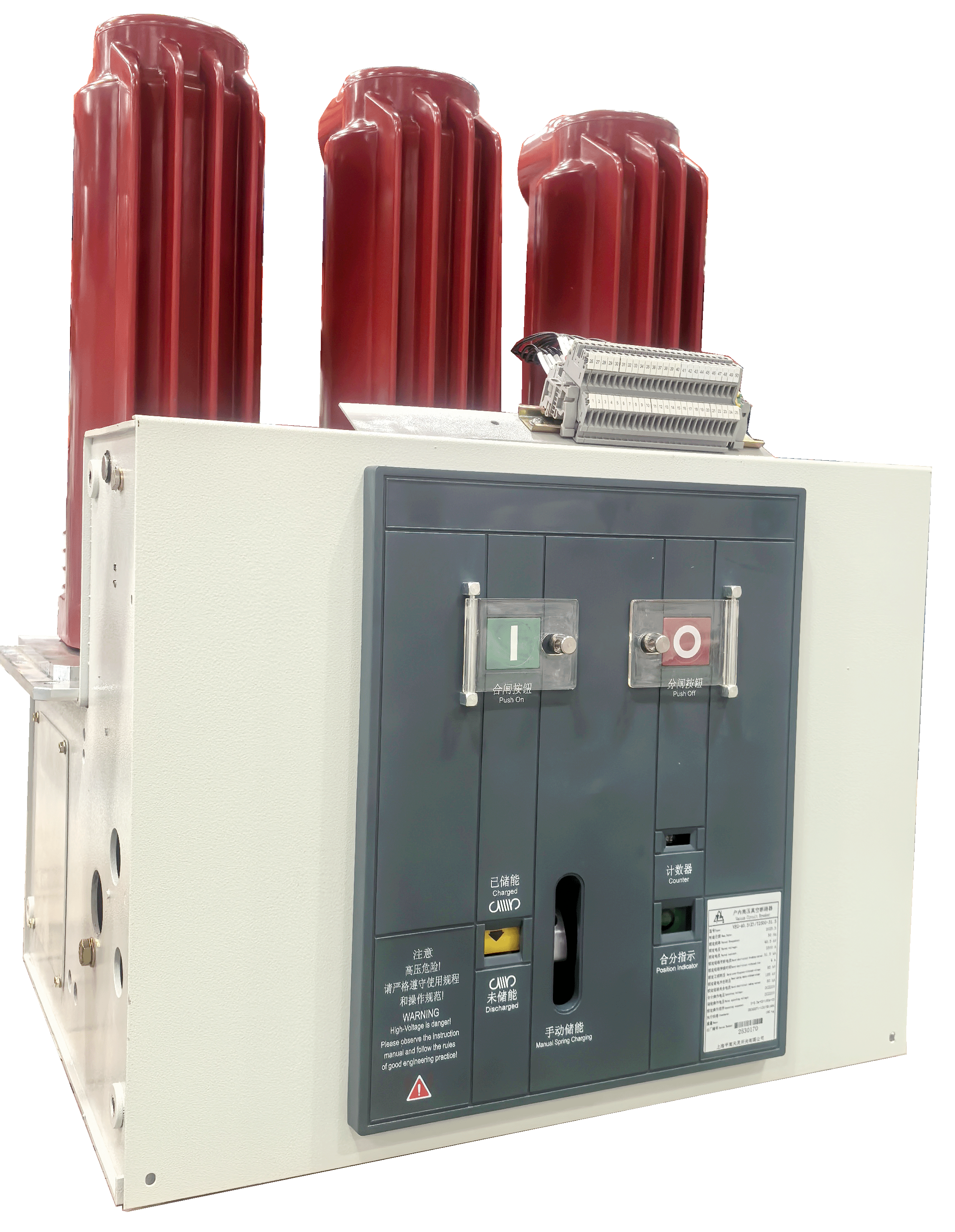
VEG-12/24/40.5 Series Vacuum Circuit Breaker
SHANGHAI PINGGAO TIANLING SWITCHGEAR CO., LTD.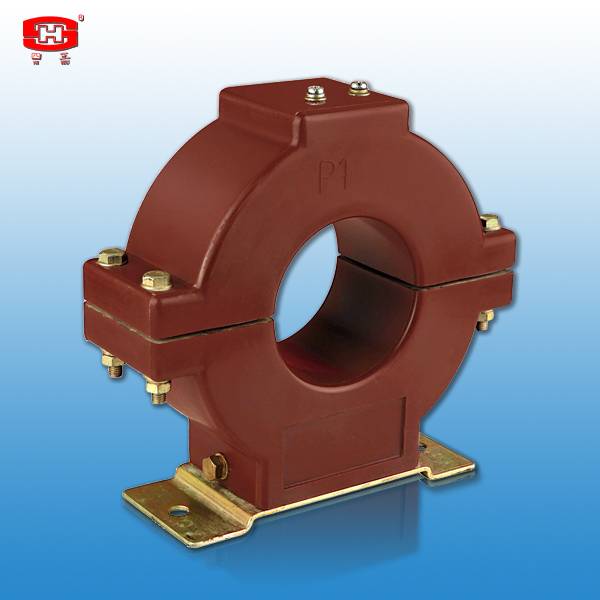
0.66kV Power Supply Instrument Transformer
Guangdong Sihui Instrument Transformer Works Co., Ltd.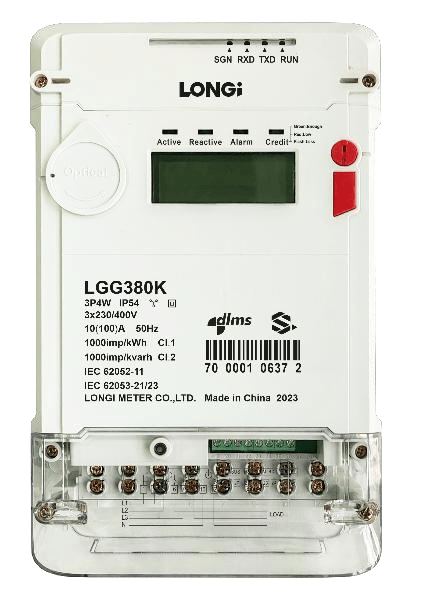
Quick-Change Single-Seat Control Valve / Quick-Change High-Pressure Single-Seat Control Valve
Beijing Consen Automation Technology Co., Ltd.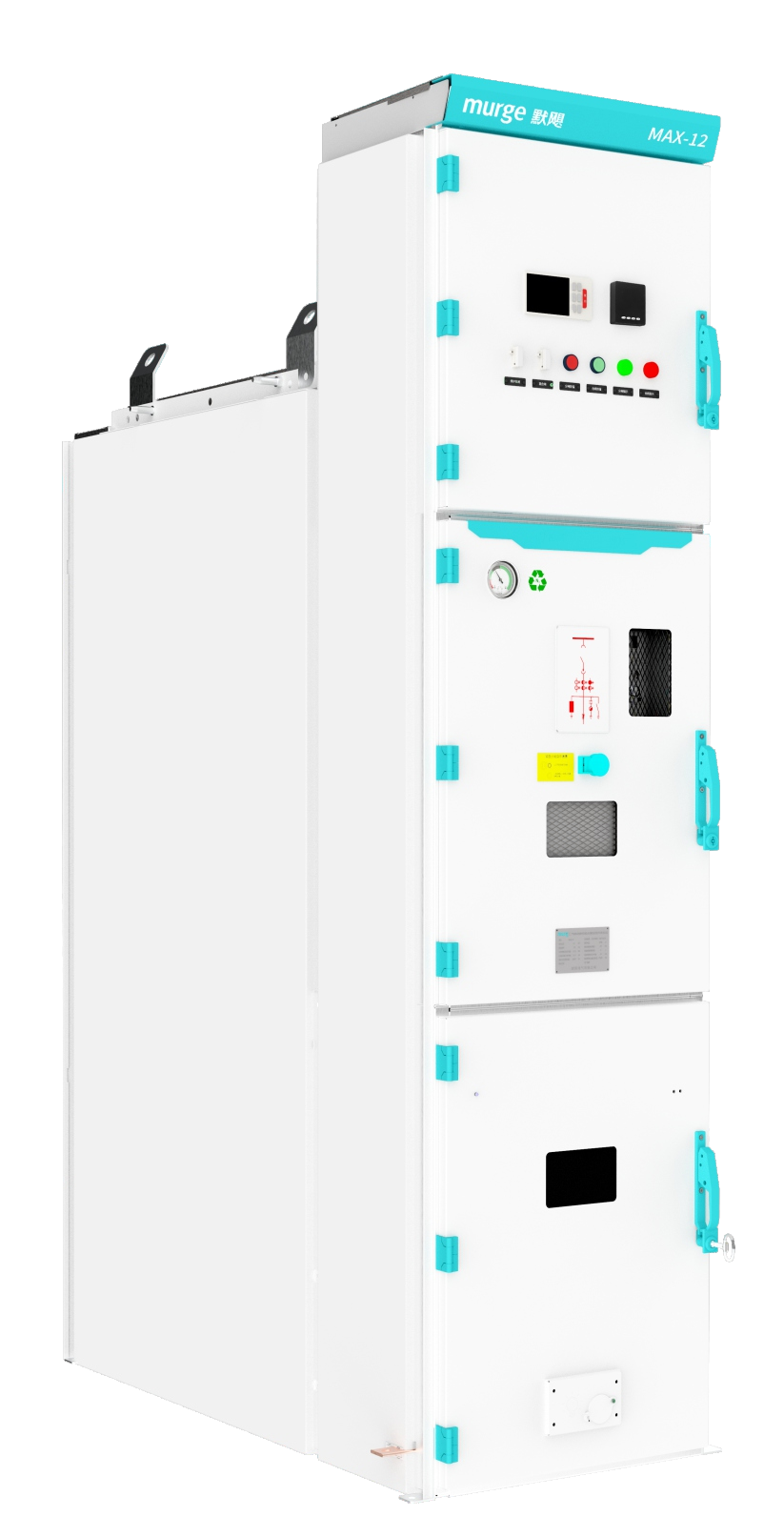
MAX-12 series Environmental Protection/SF6 gas insulated switchgear (C-GIS)
Murge Electric Co.,Ltd.